admin
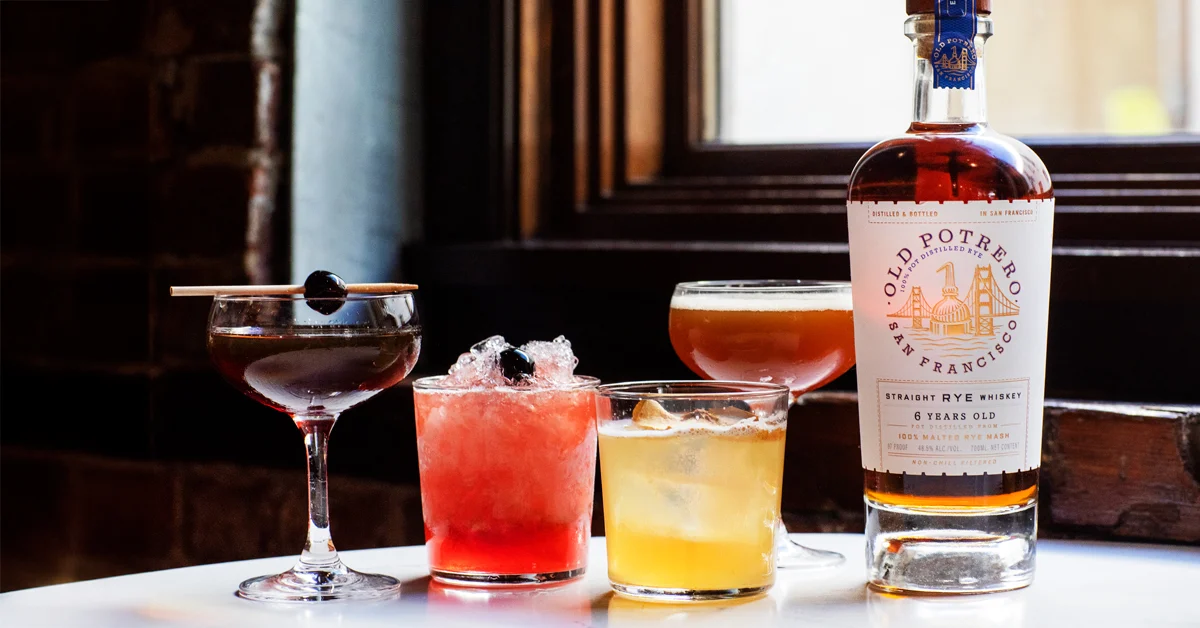
The era of the "whale hunter"—the dedicated craft beer enthusiast willing to wait in multi-hour queues for a limited release of hazy IPAs—is rapidly transitioning into a historical footnote of the American beverage industry. Driven by a confluence of pandemic-era behavioral shifts, a generational move toward health-conscious consumption, and a cooling economy, the craft beer sector is currently undergoing its most significant transformation since the microbrewing revolution of the 1980s. According to the 2024 "Year in Beer" report released by the Brewers Association, the industry saw 399 brewery closures over the past year, while overall production volume dipped by 2%. Simultaneously, younger consumers, particularly those in Gen Z, are increasingly gravitating toward non-alcoholic options, functional beverages, and THC-infused ready-to-drink (RTD) products.
In response to this stagnation, some of the nation’s most celebrated breweries are looking beyond the fermenter and toward the copper still. The pivot from brewing to distilling is not merely a diversification of the product line; it is a strategic utilization of existing infrastructure and expertise. For many industry leaders, the realization is simple: the first 90% of making whiskey is essentially the process of making beer.
The Technical Synergy of Brewing and Distilling
The transition from a high-end brewery to a distillery is rooted in the shared foundational science of the "mash." To produce whiskey, a producer must first create a grain-based liquid known as a wash or distiller’s beer. This process involves milling grain, mashing it with hot water to convert starches into fermentable sugars, and then fermenting that liquid with yeast. The primary difference at this stage is the absence of hops, which are essential for beer but can create off-flavors when concentrated through distillation.
JC Tetreault, co-founder of Boston-based Trillium Brewing, observed this synergy early in his company’s trajectory. Founded in 2013, Trillium became a cornerstone of the New England IPA movement, known for its Fort Point taproom and the "freshies" culture that defined the mid-2010s. Tetreault recalls realizing only two years into the business that Trillium was "about 90% of the way to being a whiskey distiller." The equipment used to process grain and manage fermentation is nearly identical across both disciplines. By adding a still to their operations, breweries can take their existing grain-handling expertise and translate it into a product with a significantly longer shelf life and a different market reach.
However, the transition is not without operational hurdles. In many jurisdictions, including Massachusetts, the legal framework requires a strict separation of beer and spirit production. For Trillium, which operates four locations and a farm, this necessitated entirely separate distilling spaces and distinct licensing. Despite these hurdles, the move allows breweries to insulate themselves against the volatility of the beer market by capturing the growing interest in craft spirits and high-end cocktails.
A Chronology of the Brewery-Distillery Hybrid
While the current surge in brewery-led distilling feels like a reactive trend to modern market pressures, the model has deep roots in the American craft movement. A timeline of this evolution reveals that the industry’s pioneers were exploring spirits decades before the current "craft crisis."
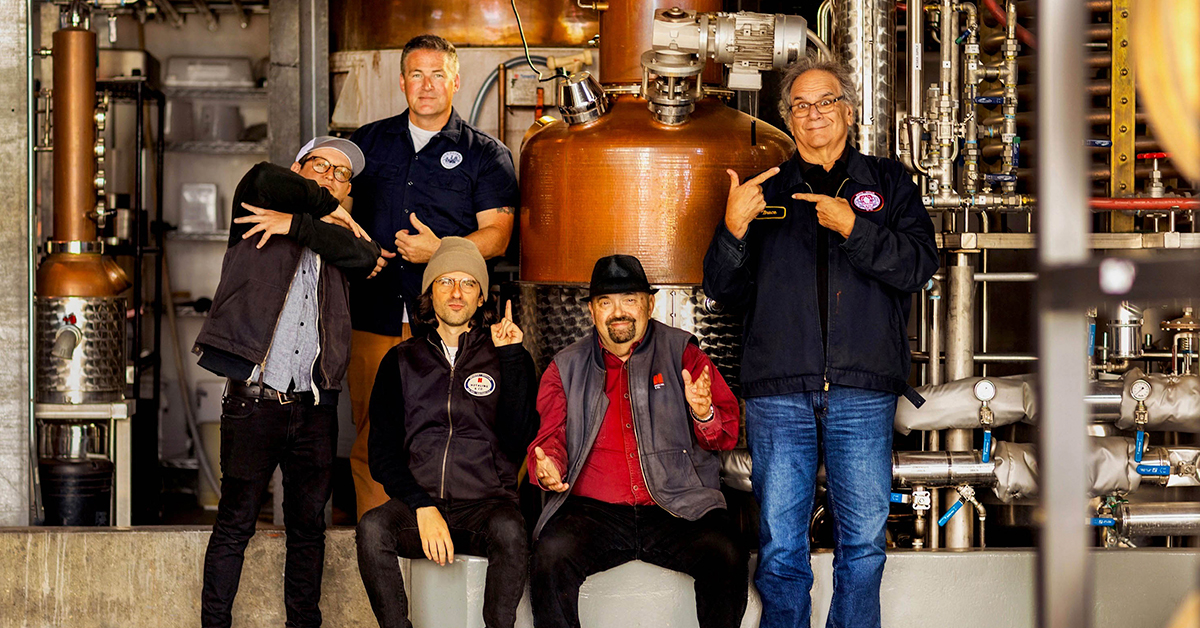
In 1993, Anchor Brewing in San Francisco—often cited as America’s first modern craft brewery—launched Anchor Distilling. Under the leadership of Fritz Maytag, the company released Old Potrero, a single malt rye whiskey that sought to recreate the flavor profiles of 18th-century American spirits. Bruce Joseph, who spent 45 years at Anchor and eventually became the master distiller for what is now Hotaling & Co., notes that the move was driven by a desire for creative conquest rather than financial desperation. The skills Joseph honed as a brewer provided the foundation for distillation, requiring only the addition of a pot still to complete the transition.
The early 2000s saw a second wave of expansion. Rogue Ales in Oregon began distilling in 2003, eventually becoming so integrated that they now copper their own barrels. In 2005, Michigan’s New Holland Brewing added a distilling portfolio, and in 2006, San Diego’s Ballast Point followed suit. The latter’s distilling arm eventually evolved into Cutwater Spirits, a brand that became so successful in the burgeoning RTD market that it was acquired by Anheuser-Busch InBev in 2019 for an undisclosed sum. This acquisition served as a proof-of-concept for the industry: a brewery’s spirits division could eventually eclipse its beer production in valuation.
By the 2020s, the "Hazy IPA" giants began to enter the fray. Tree House Brewing Company, founded in 2011 and arguably the most influential craft brewery of the last decade, launched its distilling program in 2021. Known for its massive scale and "grain to glass" philosophy, Tree House utilized its existing brew decks to create mashes for spirits like Old Growth Bourbon and Rye, sourced exclusively from New England grains.
Market Data and the Shift in Consumer Behavior
The impetus for this shift is grounded in stark economic data. While craft beer production has flattened, the distilled spirits market has seen consistent growth. In 2023, spirits surpassed beer in total market share of the U.S. beverage alcohol industry for the second consecutive year, according to the Distilled Spirits Council of the United States (DISCUS). Spirits now account for roughly 42% of the market revenue, compared to beer’s 41.8%.
The growth is particularly pronounced in the RTD category. Pre-mixed cocktails, often sold in cans similar to craft beer, grew by 26.8% in 2023 alone. For breweries like Tree House and Finback Brewing, this represents a unique opportunity. They already possess the canning lines and distribution networks necessary to compete in the RTD space. By producing their own base spirits—such as Tree House’s "Casa de Árbol" agave spirit—they can create canned Palomas, Gin & Tonics, and Tom Collins cocktails that appeal to consumers who find craft beer too heavy or caloric.
Chris Conroy, Tree House’s spirits category sales manager, emphasizes that these products help "bridge the divide" between beer and spirits. By offering spirits at a price point and in a format familiar to beer drinkers, breweries can retain customers who might otherwise "jump the aisle" to competing spirit brands.
Diversification as a Hospitality Strategy
Beyond the retail shelf, the move into spirits is transforming the brewery taproom experience. For years, the craft brewery model was built on the "taproom only" release, where customers would visit to drink and buy beer directly from the source. However, as the novelty of the taproom has waned, breweries are finding they need to offer more than just a flight of IPAs to keep tables full.
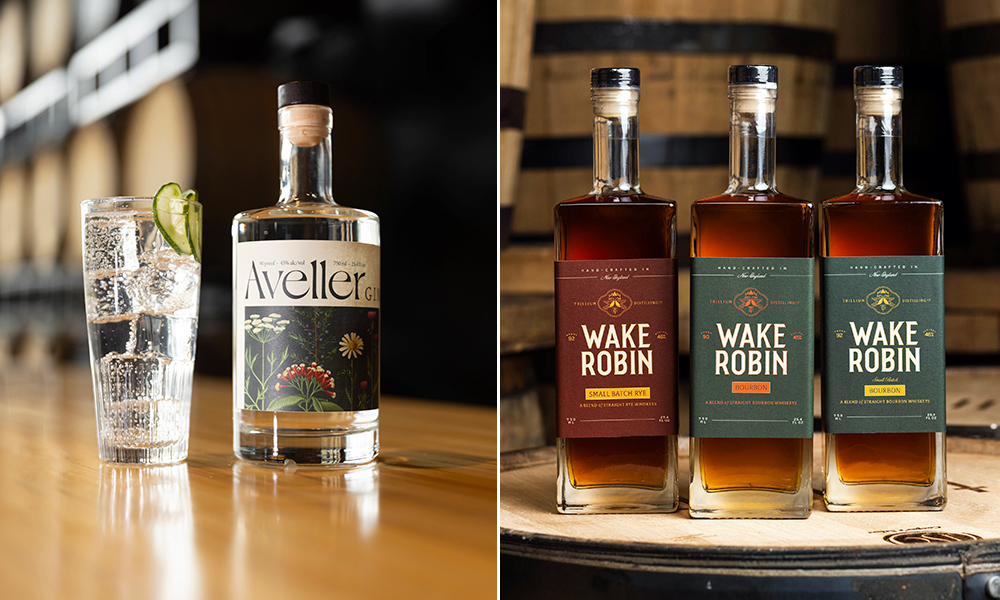
Trillium’s expansion into spirits allowed them to open the Headroom Hi-Fi Cocktail Lounge in Boston’s Fort Point. This space functions less like a traditional brewery taproom and more like a high-end listening bar, attracting a demographic that may have outgrown the "beer geek" aesthetic or who never identified with it in the first place. This strategy is also a legal necessity in some regions; in Massachusetts, to serve cocktails in a brewery-owned space without a full commercial liquor license, the establishment often must produce the spirits themselves.
This diversification allows breweries to capture "after-dinner" crowds and late-night patrons who typically migrate to cocktail bars once they have finished their meal or their first pint. As Tetreault notes, this approach has introduced the Trillium brand to a younger cohort of drinkers who "had never even heard of Trillium when it was just a brewery."
Broader Industry Implications and the Path Forward
The "brewery-to-distillery" pipeline suggests a permanent shift in how the industry views brand identity. The most successful survivors of the current craft beer downturn are those who are redefining themselves not as "breweries," but as "beverage companies."
This transition does come with risks. Distilling requires significant capital investment, and whiskey, in particular, requires years of aging before it can be sold, creating a "dead period" where capital is tied up in barrels. Furthermore, the spirits market is becoming as crowded as the beer market once was. For a brewery to succeed in spirits, it must do more than just put its logo on a bottle of gin; it must master a new discipline that Tetreault describes as "challenging" and "different in a broader sense than different styles of beer."
The implications for the American craft landscape are clear: the future belongs to the versatile. By leveraging their technical mastery of fermentation and their existing brand equity, breweries like Trillium, Tree House, and Rogue are positioning themselves to survive a period of intense contraction. As production numbers for traditional beer continue to face headwinds, the presence of a copper still in the corner of the brewhouse may soon become the standard, rather than the exception, for the American craft industry. The "freshies" era may be over, but the era of the craft-distilled spirit is only just beginning.