admin
admin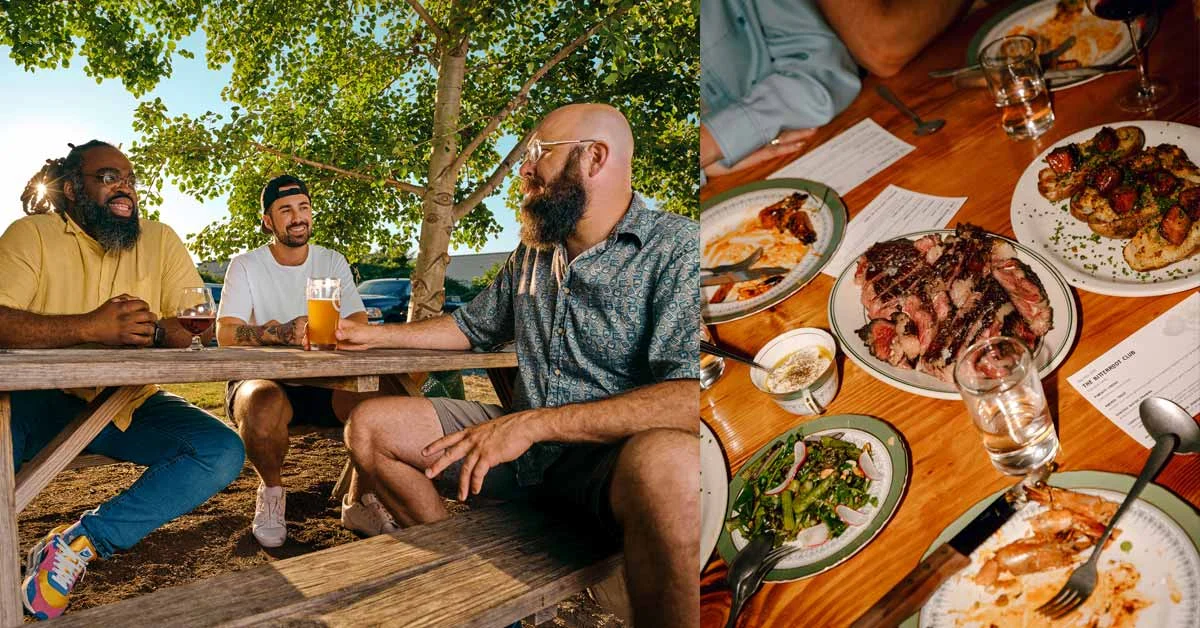
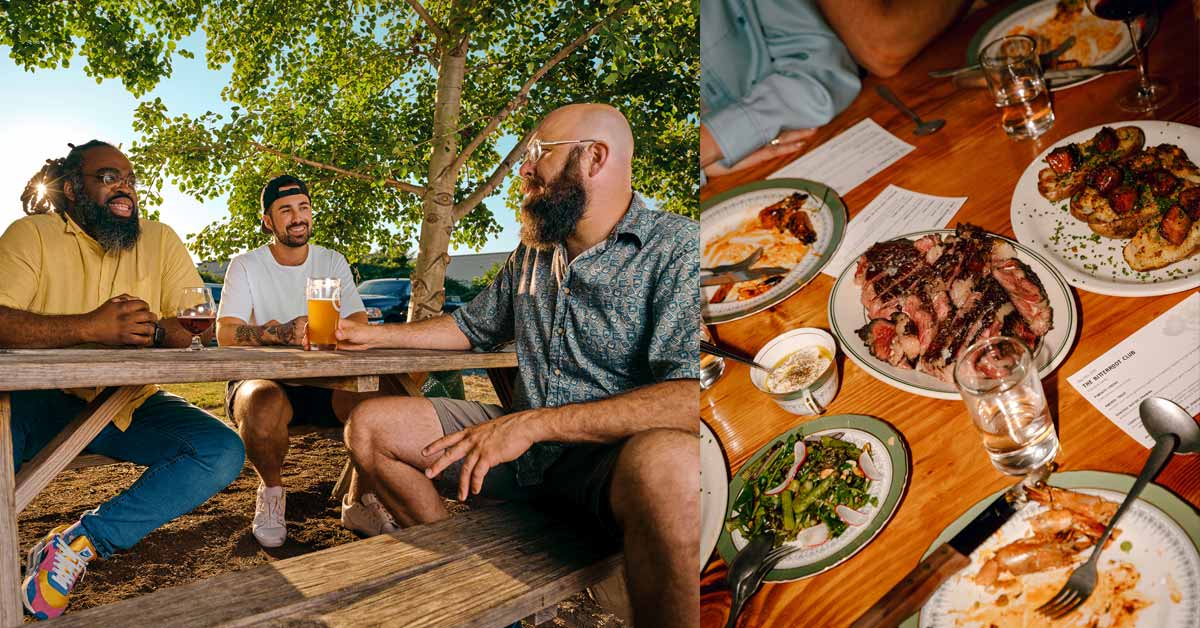
In the heart of Southeast Portland’s Buckman neighborhood, the traditional boundaries between high-end gastronomy and the local taproom are increasingly blurred. At Grand Fir Brewing, the atmosphere shifts from a bustling, wood-and-steel industrial taproom to the "Bitterroot Club," a weekly supper club located in a windowless, candlelit room at the building’s rear. Here, the experience transcends the standard pint-and-pretzel model, offering a prix fixe menu that pairs James Beard-caliber culinary skills with precision-engineered craft beer. This transition reflects a broader national trend where independent breweries must offer more than just a quality beverage to survive an increasingly competitive and volatile marketplace.
The Bitterroot Club is the brainchild of Doug Adams, a Top Chef finalist and James Beard Rising Star Award semifinalist, and his wife, Whitney Burnside Adams, a veteran brewmaster with a pedigree spanning Upright Brewing, Elysian, and 10 Barrel Brewing Company. Their collaboration serves as a case study for the "elevated" brewery model. In an era where consumer habits are shifting and the "craft" designation is becoming the baseline rather than the exception, the Adamses have integrated seasonal, locally sourced ingredients—such as Columbia king salmon with fig and charcoal-grilled pork chops—with specific beer profiles like bready festbiers and crisp American IPAs. This strategic fusion of food and drink is no longer a luxury but a necessity for business longevity in a city often referred to as "Beervana."
The Historical Foundations of the Beervana Identity
Portland’s status as a global hub for independent brewing was not an overnight phenomenon but the result of decades of geographic and economic isolation. According to Van Havig, master brewer and co-founder of Gigantic Brewing, the Pacific Northwest’s distance from the traditional brewing powerhouses of the Midwest—namely Miller and Budweiser—allowed a local, independent culture to flourish without significant interference from "Big Beer." During the 1980s and 1990s, local distributors in Oregon and Washington focused on homegrown products, leading to a market where independent labels dominated tap handles.
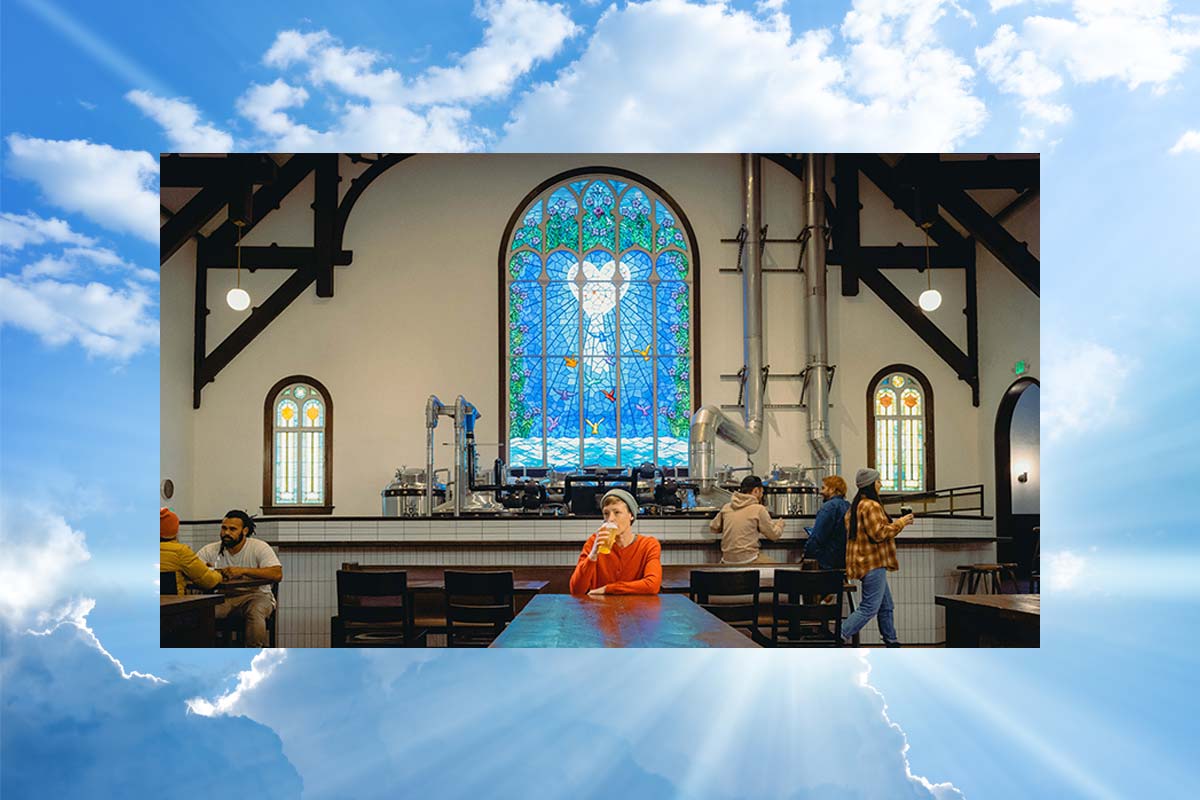
The term "Beervana" was first popularized in 1994 by the local alternative weekly Willamette Week, reflecting a culture where craft beer had already achieved mainstream status. By the early 2000s, Portland was widely considered the most developed craft market in the United States. This era was defined by six omnipresent labels that set the standard for regional palates: Widmer Brothers’ Hefe, Deschutes’ Mirror Pond Pale Ale and Black Butte Porter, Portland Brewing’s MacTarnahan’s Amber Ale, Full Sail’s Amber Ale, and BridgePort Brewing’s India Pale Ale.
The introduction of BridgePort’s IPA in 1996 was a pivotal moment in American brewing history. Utilizing five local hop varieties, it established the template for the Northwest-style IPA—a flavor profile characterized by aggressive bitterness and intense notes of citrus, floral, and pine. This style initially flummoxed outsiders, yet it became the signature of the region, training local palates to appreciate high-hop concentrations and complex bitterness.
Agricultural Advantages and Geographic Context
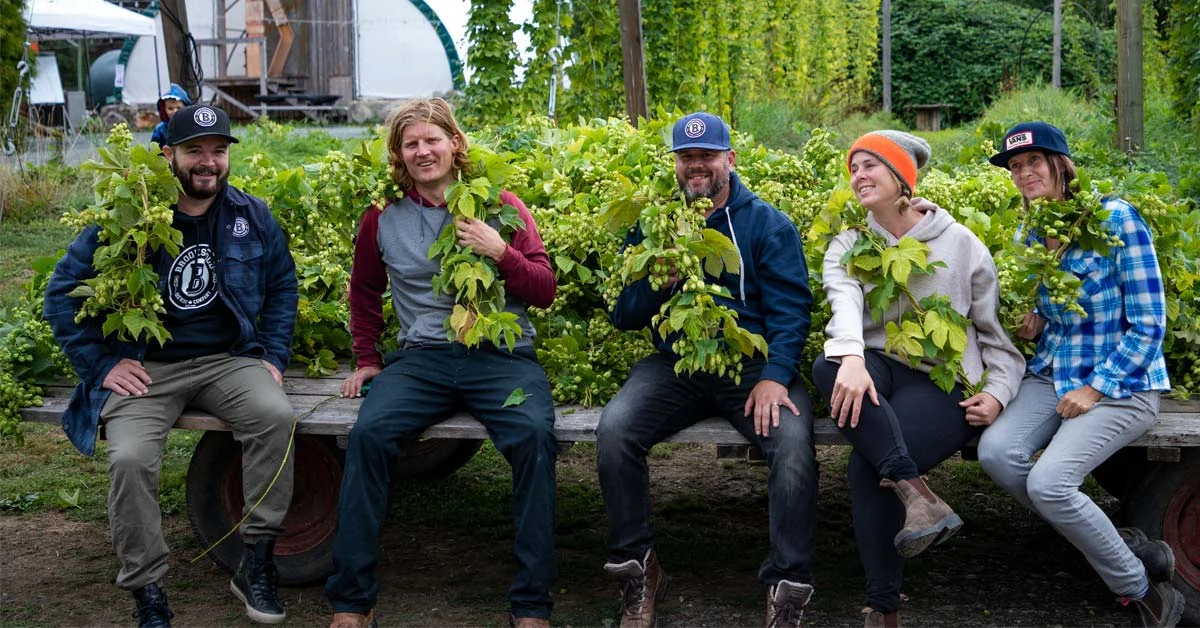
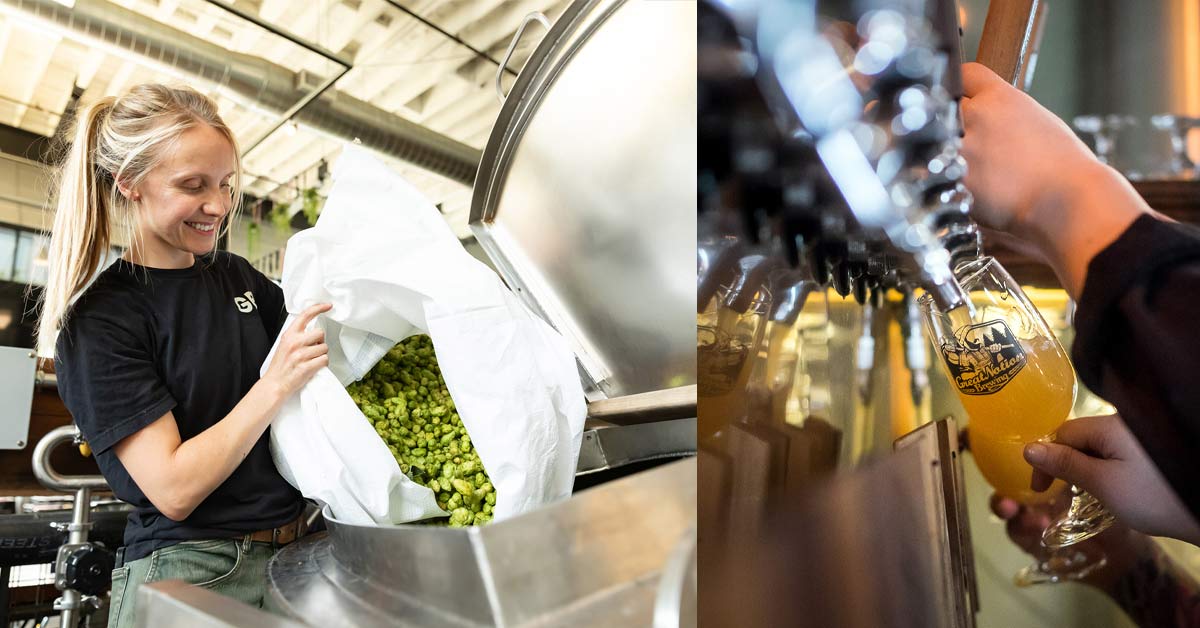
The success of Portland’s beer scene is inextricably linked to its proximity to the Willamette Valley. Located just south of the city, the valley is one of the world’s premier hop-growing regions, benefiting from silty clay soil and a climate ideal for diverse hop varietals. This proximity allows brewers access to the freshest possible ingredients, often facilitating "fresh hop" beers that can be transported from vine to kettle in a matter of hours.
Furthermore, the region sits near Yakima, Washington, the primary source of American hop production. This agricultural backbone has provided Portland brewers with a competitive advantage in experimentation. By the early 2010s, the market had expanded beyond the traditional IPA. Breweries began exploring Belgian ales, barrel-aging programs, and wild fermentations. The culture of experimentation was so robust that, as Havig notes, even niche products like smoked hefeweizens could sell out significant barrelage, a testament to the adventurous nature of the local consumer base.
Data and Economic Impact of the Oregon Brewing Industry
The economic footprint of craft beer in Oregon remains substantial, despite recent national headwinds. According to data from the Oregon Brewers Guild and the Brewers Association, the state is home to over 300 breweries, contributing an estimated $8.7 billion to the state’s economy annually. Portland specifically maintains one of the highest densities of breweries per capita in the world.
However, the marketplace is currently experiencing a "correction." Following the COVID-19 pandemic, breweries have faced skyrocketing real estate prices, supply chain disruptions, and a shift in consumer behavior. Nationally, beer consumption has seen a slight decline as younger demographics explore non-alcoholic options, canned cocktails, and spirits. In Portland, the challenge is not necessarily a lack of drinkers, but a hyper-discerning audience that demands constant innovation.
To combat these challenges, breweries have transitioned into multi-functional spaces. Across the country, establishments are installing dog parks, pickleball courts, and vintage arcades to maintain foot traffic. In Portland, however, the trend has leaned more toward the "culinary brewpub." As Whitney Adams observes, opening a brewery without a unique "angle"—whether it be world-class food or a highly specific niche—is no longer a viable business strategy in a saturated market.
The Modern Landscape: Specialized Niches and New Pedigrees
The current Portland scene is characterized by a high degree of specialization. The market has moved away from the "one size fits all" production brewery toward establishments with distinct personalities:
- Lager-Centric Innovation: Wayfinder Brewing has gained national acclaim for popularizing the "Cold IPA," a style brewed with lager yeast at higher temperatures to achieve a crisp, clean finish while maintaining hop intensity.
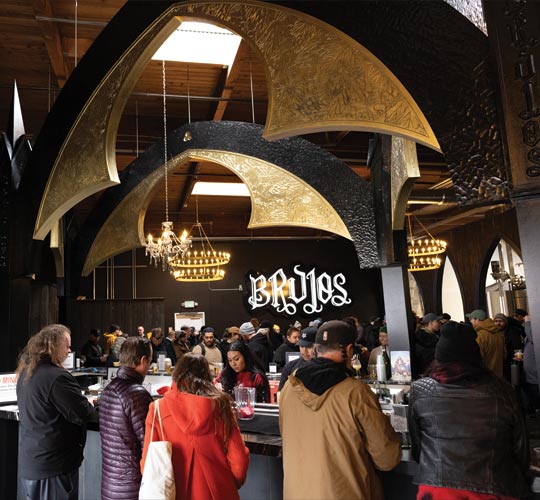
- Experimental and Hazy Houses: Brujos Brewing and Great Notion have leaned into the "pastry sour" and "hazy IPA" trends, utilizing adjuncts and heavy dry-hopping to appeal to a younger, flavor-focused demographic.
- Meticulous Non-Alcoholic Options: Even stalwarts like Deschutes have invested heavily in high-tech dealcoholization equipment to produce non-alcoholic versions of their core brands, such as Black Butte Porter, catering to the growing "sober-curious" movement.
- The Brewing Family Tree: A significant shift in the local ecosystem is the emergence of a "family tree" of brewers. Historically, Portland brewers tended to stay at their respective institutions for decades. Today, veterans from established pillars like Upright and 10 Barrel are branching off to start independent ventures like Living Häus Beer Company and Grand Fir Brewing.
This influx of experienced "new blood" ensures that even as the market tightens, the quality of the product remains elite. Ben Edmunds, brewmaster at Breakside Brewing, notes that the shared love for beer between the producer and the customer is the glue that holds the industry together. In Portland, the consumer’s pulse on the industry is exceptionally high, with patrons often following specific brewers as they move between establishments.
Challenges, Resilience, and Broader Implications
The resilience of the Portland beer scene is currently being tested by economic realities. The "growler phenomenon" of the mid-2010s, which saw gas stations and grocery stores installing draft towers, has cooled as consumers move toward pre-packaged cans. Furthermore, the rising cost of labor and raw materials has forced many small breweries to consolidate or close.
Despite these pressures, the sentiment among industry leaders remains optimistic. The prevailing theory is that Portland has reached a stage where craft beer is no longer a subculture; it is the culture. In many parts of the United States, "craft beer" is a specific category one chooses; in Portland, it is simply "beer."
The broader implication for the national industry is clear: the era of the "generic" craft brewery is ending. Success in the next decade will likely depend on the ability to provide an integrated experience that combines high-quality production with culinary excellence and community engagement. As seen with the Bitterroot Club, the future of the industry may lie in the "elevated" model—where the brewery is not just a place to drink, but a destination for sensory exploration.
Ultimately, Portland’s "Beervana" remains a bellwether for the global industry. By leveraging its unique agricultural history, geographic isolation, and a highly educated consumer base, the city continues to redefine what it means to be a beer capital in the 21st century. The transition from the "aggressive" hop bombs of the 1990s to the refined, food-paired lagers of today reflects a maturing industry that, while facing economic headwinds, continues to lead through innovation and a relentless commitment to quality.