admin
admin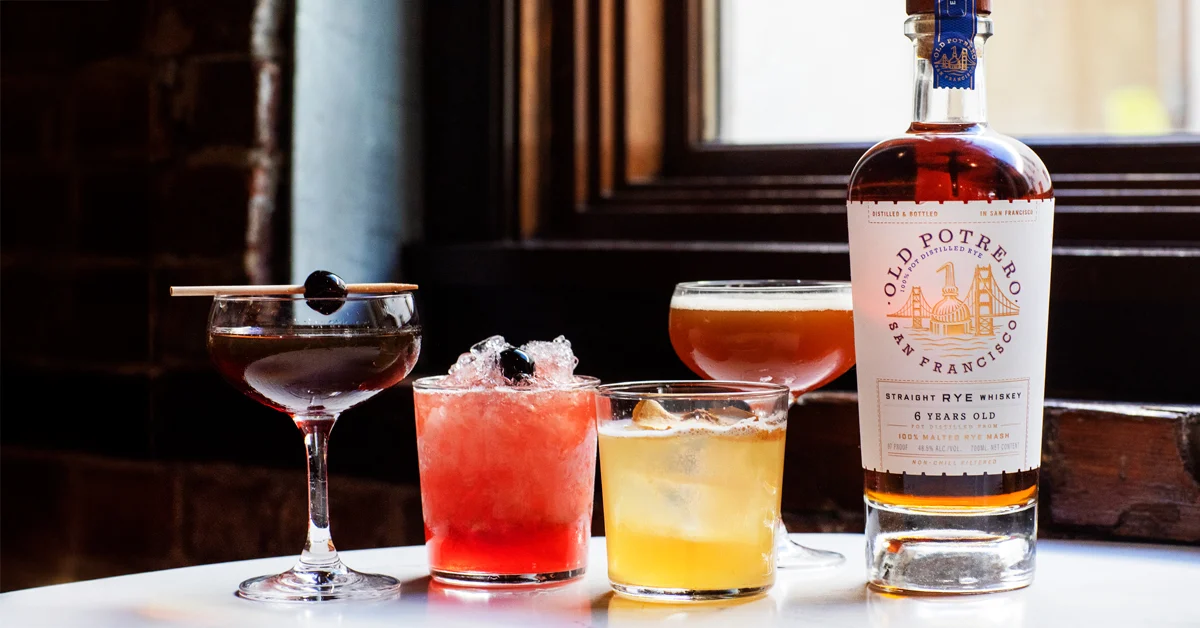
The landscape of the American craft beer industry is undergoing a fundamental transformation as the era of "hype culture"—characterized by consumers queuing for hours to secure limited-release "freshies"—fades into the background of a more complex and volatile market. In 2024, the sector faced significant headwinds, with 399 brewery closures reported nationwide and an overall production decline of 2%, according to data released by the Brewers Association. This downturn is attributed to a confluence of factors, including shifting consumer preferences among Generation Z, who increasingly gravitate toward non-alcoholic options, THC-infused beverages, and ready-to-drink (RTD) cocktails, alongside the lingering economic disruptions caused by the COVID-19 pandemic. To survive, established craft breweries are increasingly looking beyond the fermentation tank and toward the copper still, leveraging their expertise in grain management to enter the world of craft spirits.
The Economic Reality of the 2024 Craft Beer Slump
The transition from brewing to distilling is not merely a creative pursuit but a strategic response to a tightening market. For over a decade, the craft beer industry enjoyed double-digit growth, driven by the popularity of New England-style IPAs and a robust taproom culture. However, the 2024 "Year in Beer" report highlights a saturation point. The decline in production volume and the rise in permanent closures suggest that the traditional model of the IPA-centric brewery is facing diminishing returns.
Market analysts note that the "sober curious" movement and the rise of alternative intoxicants have fragmented the traditional beer-drinking demographic. Generation Z, in particular, displays less brand loyalty to specific breweries than previous generations, often opting for beverages that offer lower calories, functional benefits, or different social connotations. In this climate, diversification is no longer an option for many; it is a necessity for long-term viability.
Technical Synergy: From Mash to Spirit
The logical leap from brewing to distilling is rooted in the shared foundational processes of both industries. As JC Tetreault, co-founder of the Boston-based Trillium Brewing, observed early in his company’s trajectory, a brewery is approximately 90% of the way to becoming a distillery. The initial stage of whiskey production involves creating a "wash" or "mash," which is essentially an unhopped beer.
To produce whiskey, brewers utilize their existing mash tuns to extract sugars from malted and unmalted grains. This liquid is fermented with yeast to create a low-alcohol base. While a brewer would then add hops and package the product, a distiller takes this base and subjects it to heat in a still, concentrating the alcohol and capturing volatile aromatic compounds. For breweries like Trillium and Tree House Brewing Company, the ability to utilize existing grain-handling infrastructure and fermentation expertise provides a significant competitive advantage over startup distilleries that must build these systems from scratch.
However, the transition is not without its technical nuances. Whiskeys often rely on a higher percentage of unmalted grains, such as corn or rye, which require different temperature rests and handling than the high-protein malts typically used in hazy IPAs. Furthermore, the distillation process requires a mastery of "cuts"—separating the desirable "heart" of the run from the "heads" and "tails," which contain impurities and off-flavors.
The Pioneers and the Legacy of the Hybrid Model
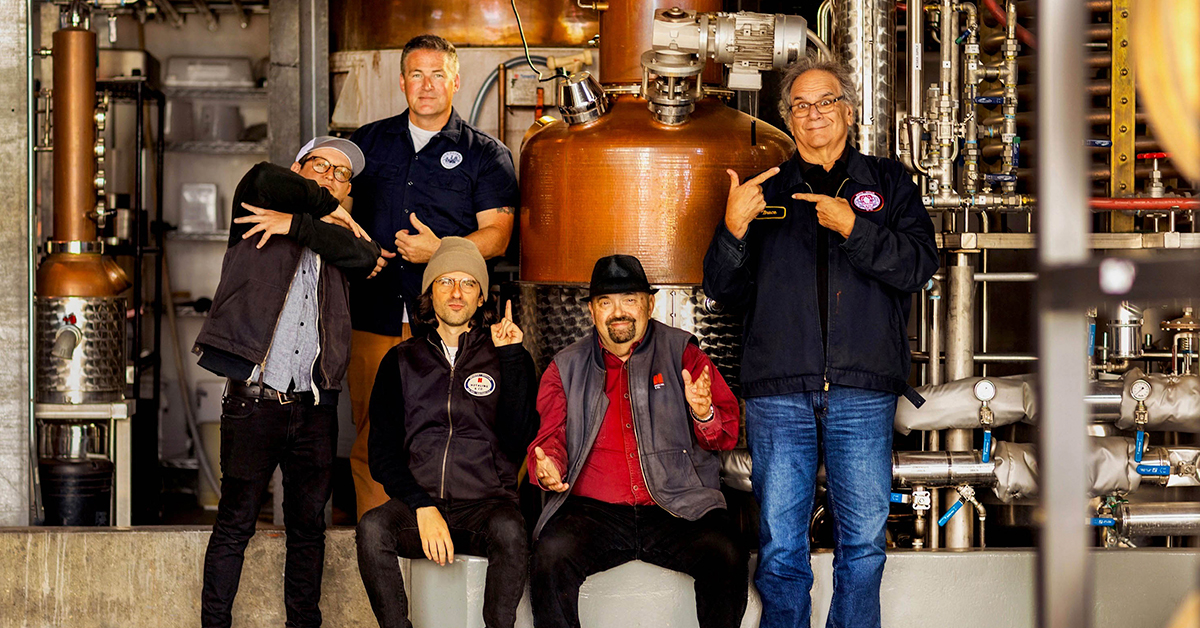
While the current wave of brewery-distilleries feels like a modern trend, the concept has deep roots in the American craft movement. Anchor Brewing, often cited as the progenitor of modern craft beer, established Anchor Distilling in 1993. Their release of Old Potrero, a single malt rye whiskey, was a landmark moment that proved a brewery could successfully produce world-class spirits. Bruce Joseph, who served as Anchor’s first master distiller after decades as a brewer, noted that the skills required for brewing provided a "solid foundation" for distillation, requiring only the addition of a still to bridge the gap.
Other early adopters followed a similar path. Oregon’s Rogue Ales & Spirits began distilling in 2003, eventually expanding to the point of coopering their own barrels—a rarity in the United States. Michigan’s New Holland Brewing entered the spirits market in 2005, and San Diego’s Ballast Point launched what would become Cutwater Spirits in 2006. The financial success of Cutwater, which was eventually sold to Anheuser-Busch InBev in 2019, serves as a primary case study for how a spirits arm can eventually eclipse or significantly bolster a brewery’s valuation.
Regional Case Study: The New England Powerhouses
In the Northeast, two of the most influential names in craft beer—Trillium and Tree House—have recently integrated distilling into their core identities. Trillium, which opened in 2013 and became a cornerstone of the Fort Point neighborhood in Boston, has expanded its portfolio to include gin, vodka, rum, amaro, vermouth, and orange liqueur.
For Trillium, the move was partly dictated by Massachusetts’ complex regulatory environment. To offer a full cocktail program in their tasting rooms, state law required them to produce the spirits themselves. This regulatory hurdle inadvertently opened new revenue streams. By establishing the Headroom Hi-Fi Cocktail Lounge on the second floor of their Fort Point location, Trillium has successfully attracted a demographic that may have outgrown the "beer geek" phase or never engaged with craft beer in the first place.
Similarly, Tree House Brewing Company, based in Charlton, Massachusetts, launched its distilling program in 2021. Led by John Britton, a veteran of St. George Spirits and Ann Arbor Distilling, Tree House has focused on a "grain-to-glass" philosophy. Their Old Growth Bourbon and Rye are distilled exclusively from New England grains, maintaining the brand’s commitment to local sourcing and artisanal quality. Chris Conroy, spirits category sales manager for Tree House, emphasizes that the goal is to create spirits "at scale" without sacrificing the artistic integrity that made their beers famous.
The Growth of the "Fourth Category": RTDs and Canned Cocktails
One of the most significant drivers of the brewery-to-distillery pivot is the explosive growth of the Ready-to-Drink (RTD) market. As beer sales have plateaued, the demand for canned cocktails—including Gin and Tonics, Palomas, and Tom Collins—has surged. Breweries are uniquely positioned to capture this market because they already possess high-speed canning lines and sophisticated distribution networks.
Tree House has leveraged its existing infrastructure to produce canned versions of classic cocktails using their house-distilled spirits, such as Casa de Árbol, an agave-based spirit used in their Palomas. This strategy allows breweries to "bridge the divide" between categories, offering consumers a premium spirit-based product in a familiar, portable format at a price point comparable to craft beer.
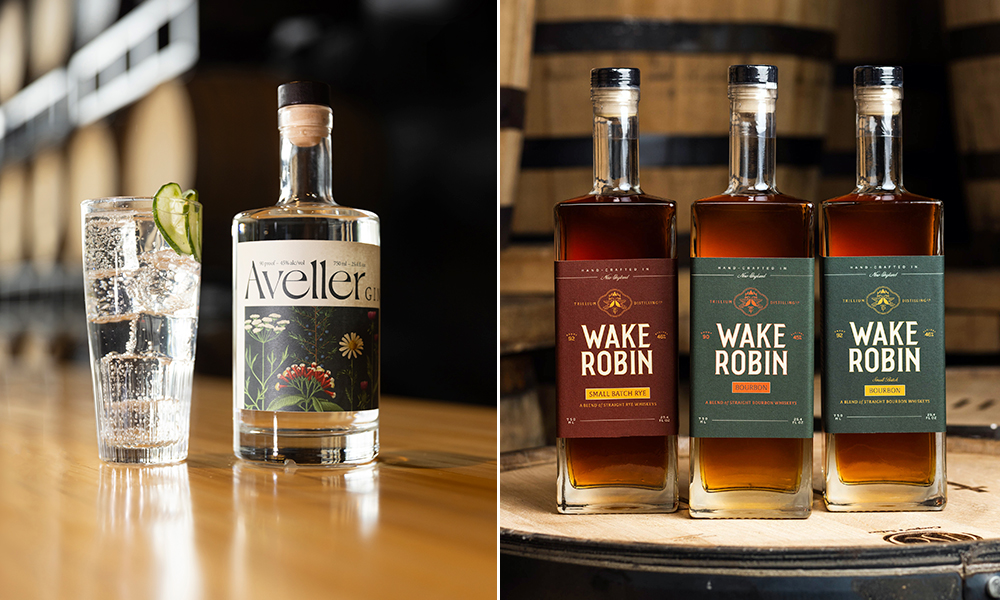
In New York, Finback Brewing has found success with its Halftone label, specializing in gins that often incorporate hop varieties similar to those used in their IPA production. This creates a sensory link between their beer and spirits, encouraging brand loyalists to explore the new offerings. In Indiana, 3 Floyds Distilling produces spirits like Bubblegumhead, a straight malt whiskey that serves as a direct nod to the heavy metal-inspired branding of their famous ales.
Regulatory Hurdles and Operational Challenges
Despite the logical synergies, the path from brewer to distiller is fraught with legal and operational complexities. In most states, breweries and distilleries require entirely separate licenses, often with strict prohibitions on "commingling" operations. This frequently necessitates the construction of separate facilities or the installation of physical barriers between brewing and distilling equipment.
In Massachusetts, as JC Tetreault noted, the requirement for a separate distilling space and license was a significant investment. Furthermore, the marketing challenge of rebranding an established IPA maker as a credible spirits producer requires a delicate balance. Breweries must convince long-time fans of their expertise in a new discipline while simultaneously reaching out to spirit enthusiasts who may be skeptical of a "beer brand" making whiskey or gin.
Broader Implications for the Future of Craft
The shift toward distilling signifies a broader maturation of the craft beverage industry. The "purity" of being a beer-only establishment is being replaced by a more holistic "beverage company" model. This diversification provides a hedge against the volatility of any single category. If beer sales dip, spirits or RTDs can buoy the bottom line.
Moreover, the move into spirits allows breweries to capture more "share of throat" during different times of the day and across different social settings. While a taproom might be busy on a Saturday afternoon with beer enthusiasts, a cocktail lounge like Trillium’s Headroom can attract a late-night, post-dinner crowd that seeks a different atmosphere.
As the industry moves deeper into 2025 and beyond, the breweries that thrive will likely be those that view themselves not just as makers of beer, but as curators of flavor across multiple platforms. The successful integration of distilling programs at Trillium, Tree House, and others suggests that while the era of long lines for canned beer may be ending, the era of the diversified craft beverage house is only just beginning. This evolution reflects a resilient industry capable of adapting to the shifting tastes of a new generation, ensuring that the spirit of craft—whether fermented or distilled—remains a vital part of the American cultural fabric.