admin
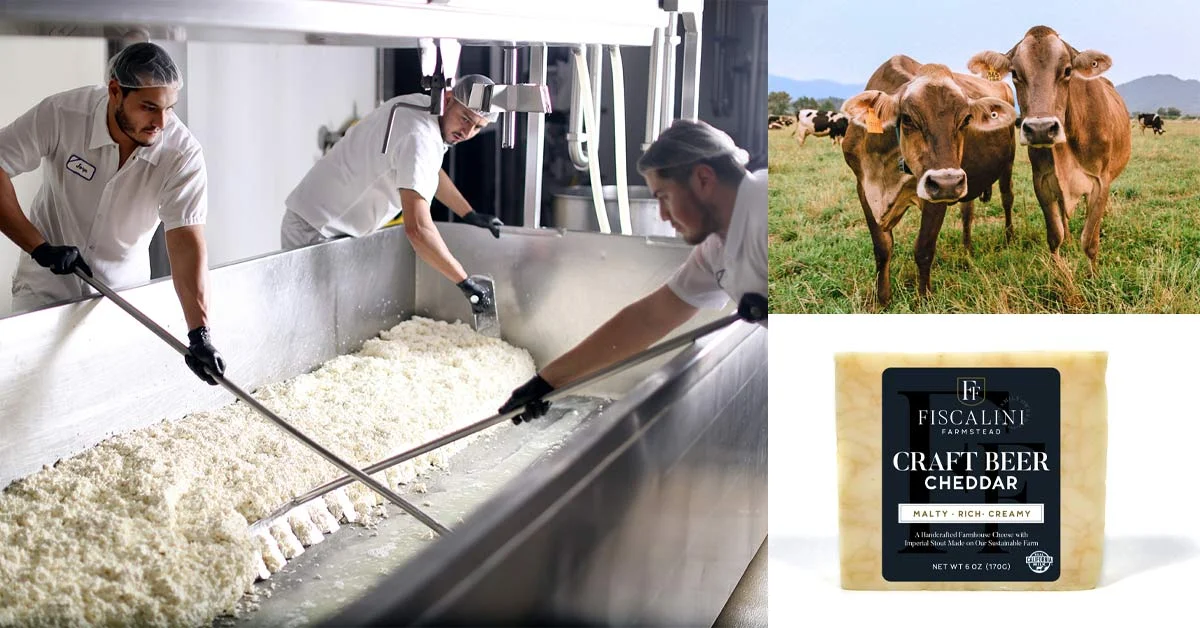
The history of beer cheese in the United States is a narrative of transformation, moving from the utilitarian kitchens of rural Kentucky roadhouses to the sophisticated aging caves of award-winning farmstead creameries. While once defined by its role as a tangy, spreadable pub snack designed to utilize kitchen leftovers, beer cheese has undergone a fundamental shift in the 21st century. Today, the category is increasingly defined by complex culinary collaborations where craft beer is not merely a finishing ingredient but a foundational component of the cheesemaking process. This evolution reflects broader trends in the American food landscape, including the rise of the craft beer movement, a renewed focus on regional terroir, and the economic necessity of value-added products for small-scale dairy farmers.
The Origins and Traditional Identity of Beer Cheese
The consensus among culinary historians places the birth of beer cheese in the 1940s within the borders of Clark County, Kentucky. It was first served at Johnny Allman’s, a restaurant nestled on the banks of the Kentucky River. At its inception, the recipe was a testament to mid-century kitchen sustainability. According to Kathy Gorman Archer, president of Howard’s Creek Authentic Beer Cheese—the successor to the Allman’s brand—the original spread was born from a desire to repurpose surplus ingredients. Leftover sharp cheddar cheese was blended with flat or excess beer, then heightened with garlic, cayenne pepper, and a proprietary blend of spices.
This "Kentucky-style" beer cheese established a paradigm that would persist for over sixty years: a cold-processed, spreadable mixture characterized by its vibrant orange hue and a sharp, spicy kick. The popularity of the snack grew so significant that in 2013, the Kentucky General Assembly officially designated Clark County as the birthplace of beer cheese, cementing its status as a regional cultural icon. However, as the American palate began to crave artisanal complexity in the early 2000s, a new generation of cheesemakers began to look at beer cheese not as a dip, but as a medium for technical innovation.
The Science of Suds and Curds: A Technical Shift
Modern artisanal beer cheese differs from its Kentucky predecessor through the timing and method of integration. While traditional versions mix finished cheese with beer, contemporary farmstead producers incorporate the brew during the actual cheesemaking process. This requires a sophisticated understanding of dairy chemistry, specifically the relationship between pH levels and microbial activity.
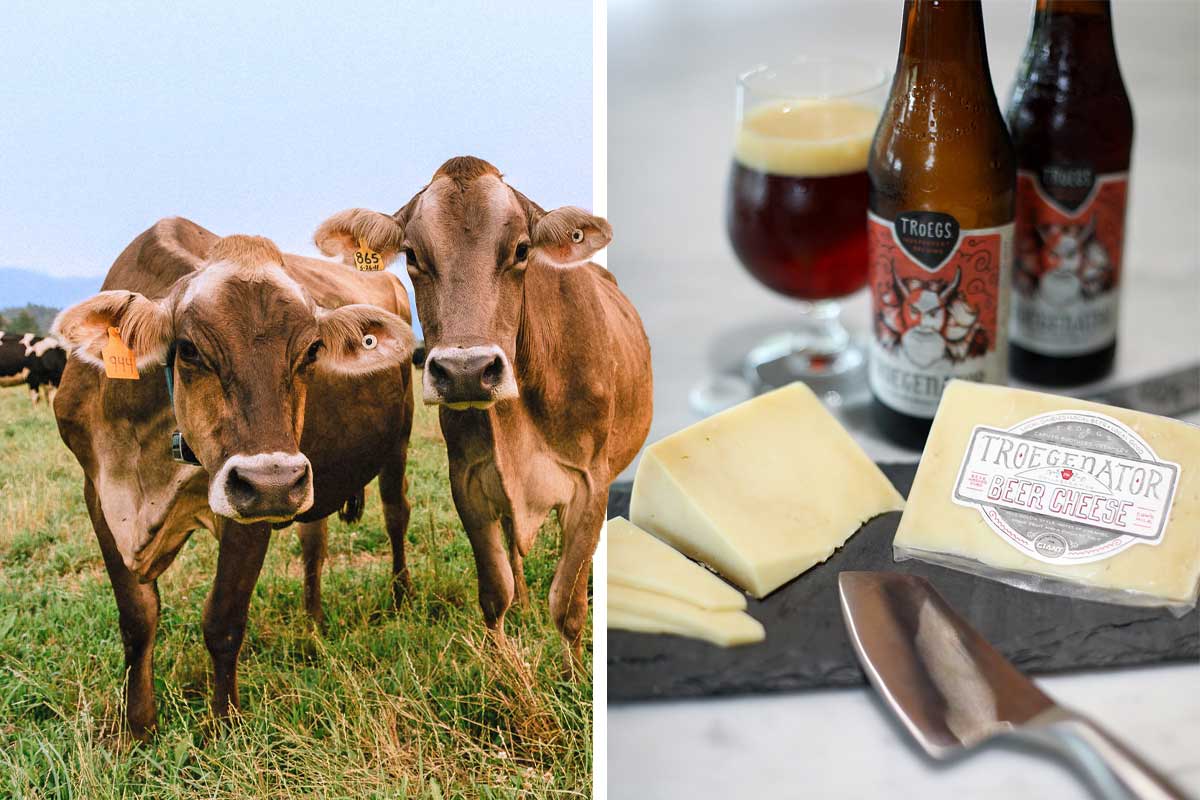
As Alex Borgo, a veteran cheesemaker at Fiscalini Farmstead, notes, the intersection of brewing and cheesemaking is a collision of enzymatic processes. In brewing, malted barley is heated to activate enzymes that convert starches into fermentable sugars. In cheesemaking, specific starter cultures and rennet are used to trigger the separation of solids (curds) from liquids (whey). When beer is introduced to the curds before they are pressed into wheels, the alcohol and acidity of the beer must be carefully managed to ensure the cheese retains its structural integrity.
The pH scale is the primary metric of success in this endeavor. Milk typically sits at a pH of 6.4 to 6.8. If the introduction of beer pushes the acidity too high or the pH too low, the curds may fail to bind, resulting in a rubbery texture or a failed set. Producers like Caputo Brothers Creamery have refined this to a science, ensuring that the beer’s malt and hop profiles infuse the cheese without compromising the biological maturation of the wheel.
West Coast Innovations: Rogue Creamery and Fiscalini
In the Pacific Northwest, Rogue Creamery has long been a pioneer in pushing the boundaries of traditional styles. Though often confused with Rogue Ales due to their shared name and proximity, the creamery operates as a distinct entity with a focus on organic, sustainable dairy. For nearly a decade, Rogue has collaborated with Hopworks Brewery in Portland to produce a Chocolate Stout Cheddar.
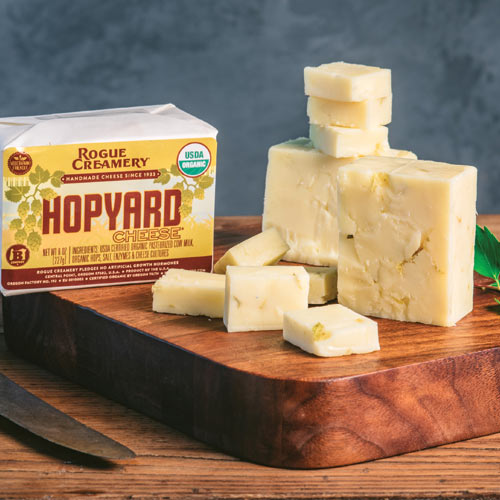
In this process, the stout is added as the whey begins to separate from the curd. This timing allows the milk solids to absorb the roasted malt flavors and dark pigments of the beer, creating a marbled aesthetic and a subtle sweetness that balances the natural sharpness of the cheddar. Beyond beer, Rogue has experimented with "Hopyard," a cheddar where fresh Northwest-grown hops are mixed directly with the curds. This highlights the citrus and pine notes of the hops—the "terroir" of the region—without the bitterness associated with a high-IBU (International Bitterness Units) liquid beer.
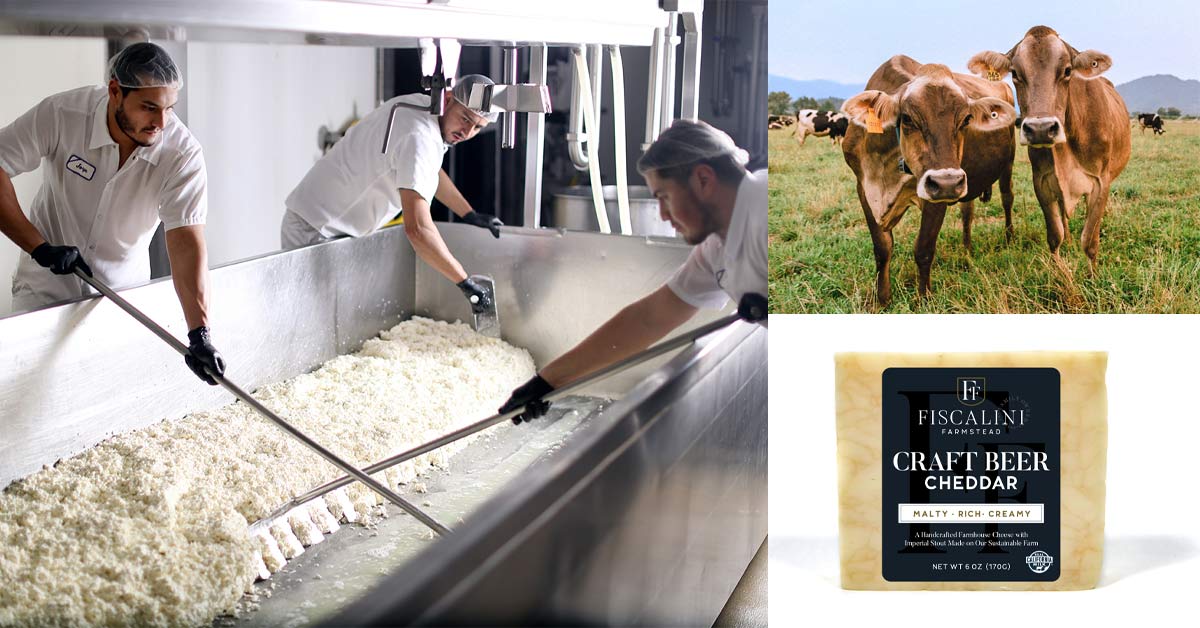
Further south in Modesto, California, Fiscalini Farmstead has leveraged its status as a fourth-generation dairy to create a highly traceable "estate" beer cheese. Using milk exclusively from their own herd, Fiscalini produces a Craft Beer Cheddar in partnership with Dust Bowl Brewing. By using a Black Blizzard Imperial Stout, the cheesemakers infuse the wheels with notes of coffee and chocolate. The cheese is pressed overnight, a process that forces the beer deeper into the protein structure of the cheese, ensuring that the flavor is uniform throughout the wheel rather than just on the surface.
The Mid-Atlantic Model: Collaboration as Economic Driver
In Pennsylvania, the collaboration between Caputo Brothers Creamery, Tröegs Independent Brewing, and the grocery chain Giant Food Stores serves as a case study for the economic impact of regional partnerships. Started in 2011, Caputo Brothers initially focused on Italian-style cheeses. However, a proposition from Giant Food Stores to create a hyper-local product led to a partnership with Tröegs.
The resulting products, such as the Troegenator Beer Cheese (a gouda-style cheese infused with a double bock), demonstrated the marketing power of "brand synergy." By using established, "cult-favorite" beers like Perpetual IPA and Mad Elf, the creamery was able to tap into an existing fan base. The "Mad Elf" cheese, in particular, showcases the complexity of modern methods; the curd is marinated in the Belgian holiday ale, while the rind is rubbed with a mixture of cocoa, cinnamon, espresso, and more beer.
This model provides a critical safety net for local dairy farms. By converting raw milk into a high-value, branded artisanal product, creameries can pay farmers a premium above the volatile commodity milk prices. Rynn Caputo, co-founder of the creamery, eventually launched "Custom Cheesemakers" to help other breweries across the nation develop their own proprietary cheeses, further expanding the reach of this artisanal category.
Urban Creameries and the Return to Fresh Styles
While aged cheddars and goudas dominate the market, urban creameries are finding success with fresh, unaged beer cheeses that pay homage to European traditions. In Cincinnati, Ohio, Urban Stead Cheese opened in 2018 to honor the city’s German heritage. Co-founder Andrea Robbins utilizes "quark," a fresh Eastern European-style farmer’s cheese, as the base for their beer cheese.
By collaborating with Braxton Brewing and their Storm Golden Cream Ale, Urban Stead produces a fresh spread that bridges the gap between the original Kentucky roadhouse style and modern artisanal standards. Because these cheeses do not require months of cave aging, they provide essential cash flow for urban dairies while offering consumers a product with a texture described as "ricotta meets cream cheese."
Similarly, Tulip Tree Creamery in Indianapolis employs a "washed-rind" technique. Instead of mixing beer into the curds, they wash the exterior of the cheese wheels with a brine of bacteria cultures and local craft beer, such as Sun King or 3 Floyds. This method allows the beer’s essence to permeate the cheese through the rind, creating a pungent, creamy profile that appeals to connoisseurs of double-cream styles.
Chronology of the Beer Cheese Evolution
- 1940s: Johnny Allman’s in Clark County, KY, begins serving the first documented beer cheese as a way to use leftover cheddar and beer.
- 1953: Rogue Creamery establishes Oregon Blue, the first cave-aged cheese west of the Mississippi, setting the stage for West Coast artisanal dairy.
- 2000: Fiscalini adds a line of farmstead cheeses to its century-old dairy operation, focusing on estate-produced milk.
- 2006: Kathy Gorman Archer revives the Howard’s Creek brand, sparking a renewed national interest in traditional Kentucky beer cheese.
- 2011: Caputo Brothers Creamery opens, eventually pivoting to beer cheese collaborations to support Pennsylvania dairy farmers.
- 2013: The Kentucky General Assembly officially recognizes Clark County as the birthplace of beer cheese.
- 2018-Present: The rise of urban creameries like Urban Stead and specialized producers like Tulip Tree marks a diversification into washed-rind and fresh beer cheese styles.
Broader Impact and Market Implications
The proliferation of craft beer cheese represents more than just a culinary trend; it is a reflection of the maturing American food identity. As of 2023, the specialty cheese market in the U.S. continues to grow, driven by consumers who prioritize traceability, craftsmanship, and unique flavor profiles. The integration of craft beer—an industry that saw its own meteoric rise over the last two decades—provides a natural partnership.
The implications for the dairy industry are particularly significant. With traditional dairy farming facing intense pressure from large-scale industrial operations, the ability to create a "story-driven" product like a beer-infused farmstead cheddar allows small producers to differentiate themselves. Furthermore, these products encourage a "circular economy" within regions, where the waste products of one industry (such as spent grain from brewing) can sometimes be used as feed for the cows that provide the milk for the cheese.
In conclusion, the journey of beer cheese from a simple tavern snack to a complex artisanal product highlights the ingenuity of American food producers. By combining the ancient arts of brewing and cheesemaking, modern artisans are not only preserving a piece of culinary history but are also innovating a new category that celebrates the intersection of science, agriculture, and regional flavor. Whether it is a sharp, dry-hopped cheddar from Pennsylvania or a creamy, stout-infused wheel from Oregon, beer cheese has firmly established itself as a cornerstone of the American craft food movement.