admin
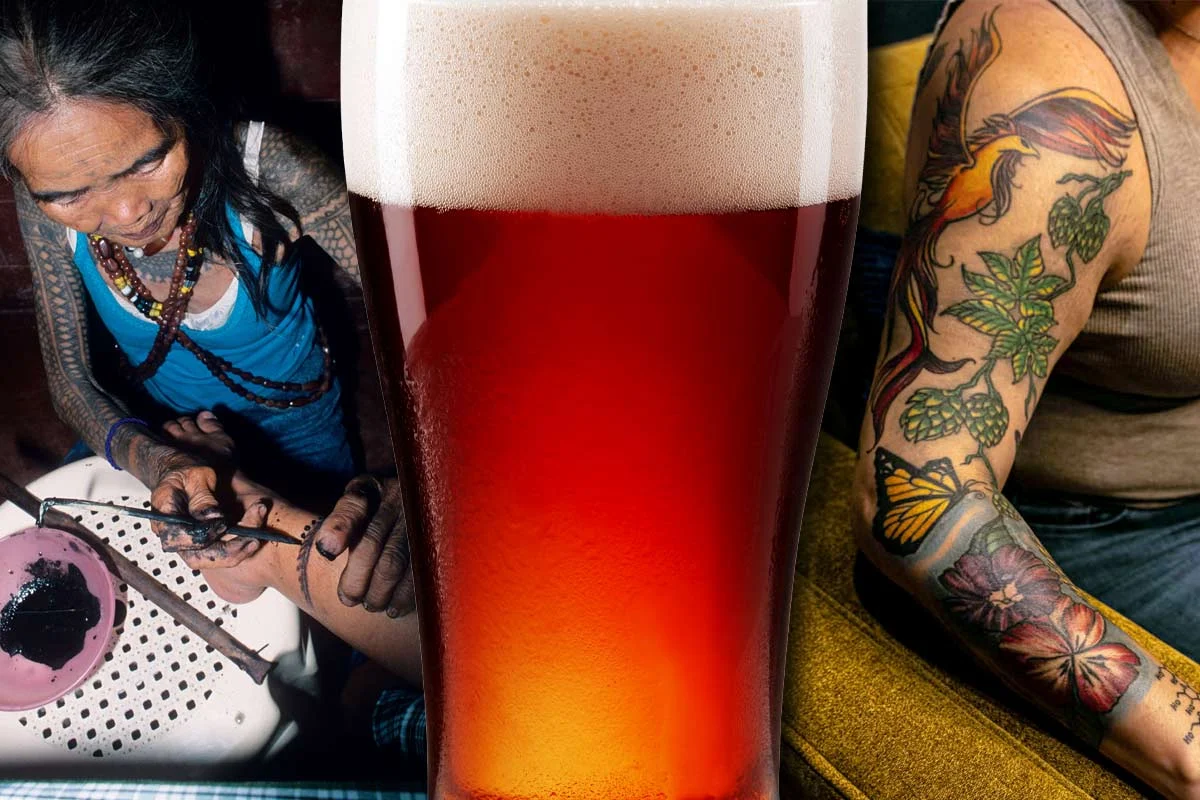
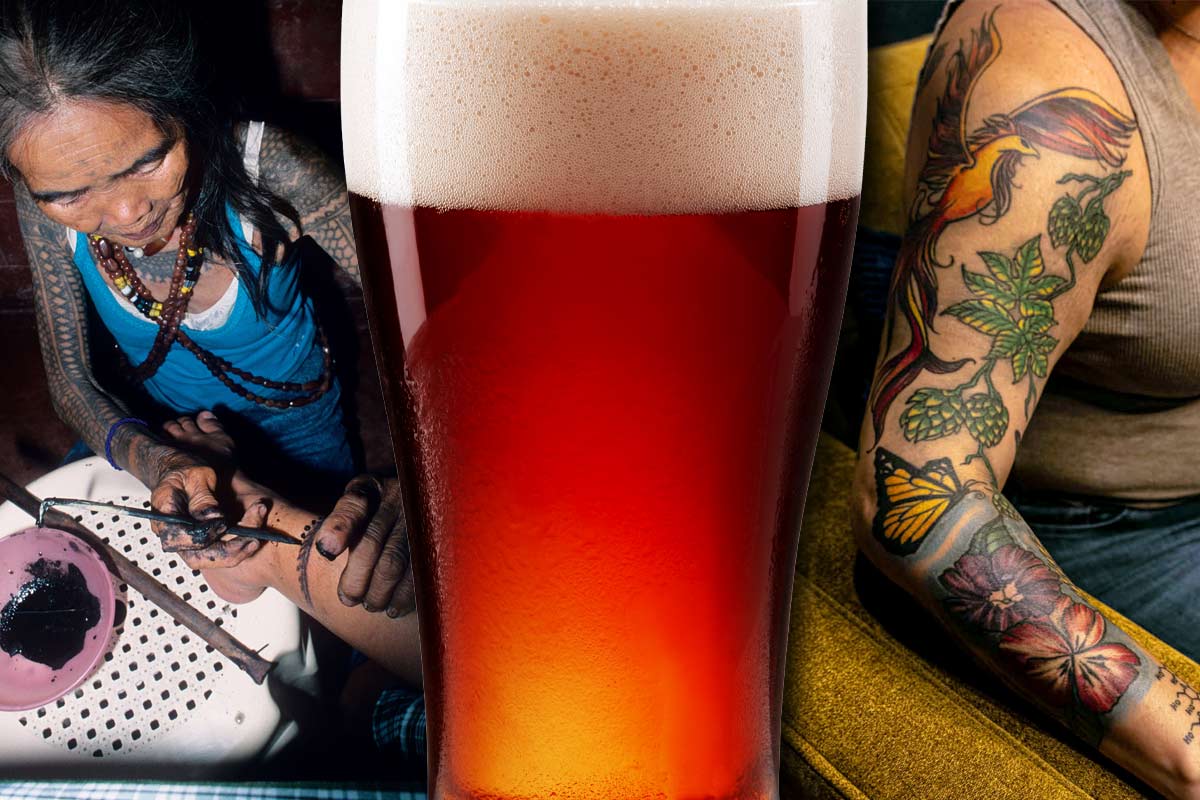
The intersection of tattooing and fermentation represents one of the most profound, yet under-examined, parallels in human cultural history. While superficially distinct—one being the permanent marking of the dermis and the other the biological transformation of organic matter—both practices serve as fundamental technologies of identity, continuity, and community. Across diverse geographies, from the subarctic forests of northern Japan to the tropical savannas of Guyana, these two crafts have historically inhabited the same ritual and relational domains. They are practices of transformation that reshape raw materials—soot, skin, grain, and fruit—into vessels of ancestral memory and social cohesion.
A Shared Grammar of Transformation and Identity
At their core, tattooing and fermentation are processes of intentional change. In many Indigenous epistemologies, neither practice is viewed as a purely mechanical or chemical task; rather, they are seen as "embodied knowledge" passed through generations. Tattooing inscribes a permanent record of ancestry and social status onto the living body, while fermentation preserves and enhances the life-sustaining properties of the land, creating beverages and foods that facilitate communal bonding.
Historically, these practices have often utilized the same materials and spaces. In northern Japan, Ainu women utilized soot from the underside of brewing vessels to create ink. In the Philippines, Kalinga tattooists traditionally mixed soot with sugarcane juice, a medium that undergoes its own fermentation. In South America, the Makushi people used tattoos as spiritual charms to ensure the quality and "sting" of their fermented cassava beer. These connections suggest that ink and drink operate as dual technologies of continuity, allowing communities to remain in a constant state of conversation with their land and their ancestors.
The Ainu of Northern Japan: The Hearth as a Sacred Center
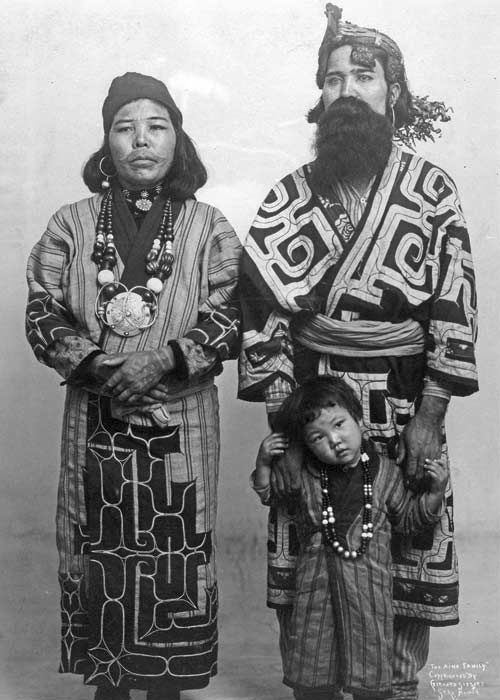
The Ainu, the Indigenous people of Hokkaido, Sakhalin, and the Kuril Islands, provide a compelling case study of the spiritual integration of tattooing and fermentation. For the Ainu, the hearth (unji) was the domestic and cosmological center of the universe. It was the residence of Kamuy Fuchi, the hearth goddess, who presided over all domestic labors, including the preparation of food, the brewing of ceremonial beverages, and the performance of women’s rituals.
Historical Suppression and Cultural Context
During the Meiji Restoration in the late 19th century, the Japanese government implemented aggressive assimilation policies. The Hokkaido Former Aborigines Protection Act of 1899 formally prohibited traditional Ainu practices, including tattooing. This was part of a broader effort to dismantle Ainu social structures and spiritual beliefs. Before this suppression, tattooing was a gendered rite of passage for women. The process involved using a makiri (tattooing knife) to make incisions, into which soot collected from the bottom of earthenware pots used for cooking and brewing was rubbed.
The Role of Tonoto
Fermentation among the Ainu followed a similar spiritual logic. Tonoto, a traditional beer made from rice or millet, was prepared exclusively by women. The brewing process was a sacred responsibility; women would offer prayers to the kamuy (divine spirits) to ensure the success of the ferment. The connection between tattooing and tonoto was established through the hearth: the same fire that fueled the fermentation of the grain produced the soot that marked the skin. This dual application of the hearth’s spirit ensured that both the woman’s body and the community’s drink were protected by Kamuy Fuchi.
The Kalinga of the Philippines: Fermented Ink and the Mark of Bravery
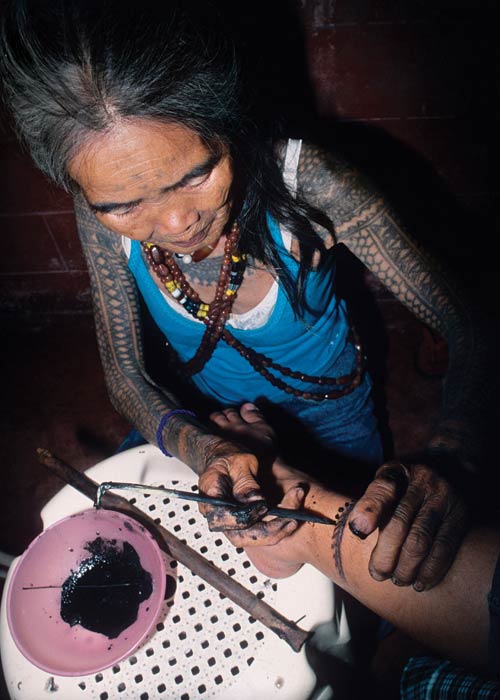
In the rugged Cordillera region of Luzon in the Philippines, the Kalinga people have maintained the tradition of batok, or hand-tapped tattooing, for centuries. Unlike the domestic-centered rituals of the Ainu, Kalinga tattooing was historically tied to social prestige, warfare, and aesthetic beauty.
The Chemistry of Traditional Ink
The technical intersection of ink and drink in Kalinga culture is found in the composition of the pigment. Traditional mambatok (tattoo artists) used a mixture of soot and water, but in several regions, sugarcane juice served as the primary carrier. Sugarcane juice is highly fermentable; when mixed with soot and left to sit, it begins a biological transformation into alcohol and acetic acid. This fermented medium acted as a natural preservative and influenced the viscosity and adhesion of the ink.
Social Significance and Modern Revival
According to historical accounts and contemporary practitioners like Grace Palicas—the grandniece and apprentice of the legendary 107-year-old master tattooist Whang-od Oggay—tattoos served as a visual language. For men, batok signified successful defense of the village or acts of bravery. For women, it was a mark of maturity and beauty, often described as "jewelry that stays even after death." While the modern Kalinga have largely transitioned to different social structures, the ceremonial consumption of fermented rice wine (tapuy) and palm wine (tuba) remains a staple of the festivals where these tattoos are displayed, reinforcing the link between the marked body and the communal cup.
The Makushi of Guyana: Tattoos as Brewing Charms
In the Guiana Shield of South America, the Makushi people demonstrate a functional, almost symbiotic relationship between tattooing and fermentation. Their staple crop, cassava (Manihot esculenta), requires complex processing to remove cyanogenic glycosides and transform it into parakari, a sophisticated beer produced through a dual-fermentation process involving both mold (Rhizopus) and yeast.
The Kausku Markings
The Makushi historically practiced kausku, a form of tattooing intended to act as a spiritual charm. These tattoos were specifically designed to enhance a woman’s ability to produce high-quality fermented beverages. The motifs often depicted "stinging" or "sweet" creatures, such as scorpions or bees. The belief was that these markings would transfer the desired qualities to the brew—either a pleasant sweetness or a potent "sting" (intoxicating strength).
Ethnographic Data and Cultural Logic
Anthropological research, including work by Dr. Lars Krutak, indicates that in certain Cariban-speaking groups, a woman’s ability to serve drink was contingent upon her tattoos. "A woman could only pass a drink to a man if her arm were tattooed," Krutak notes. This cultural requirement positioned the tattoo as a necessary component of the brewing technology itself. The tattoo was not merely decorative; it was a biological and spiritual prerequisite for the successful transformation of cassava into parakari.
Indigenous Epistemologies: The Case of Hawaii
The Hawaiian concept of kākau (tattooing) and the cultivation of kalo (taro) for poi (fermented taro paste) offers a broader framework for understanding these connections. In Hawaiian cosmology, the kalo plant is viewed as Hāloa, the elder brother of the Hawaiian people. Feeding on poi is therefore an act of kinship and ancestral connection.
Dr. Lindsay Malu Kido, a scholar of Indigenous body sovereignty, argues that both kākau and the fermentation of kalo are acts of "genealogical record-keeping." While the tattoo records the lineage on the skin, the consumption of fermented taro incorporates that lineage into the physical body. Both are forms of resistance against colonial frameworks that sought to pathologize Indigenous bodies and diets. The revival of these practices in the 21st century represents a significant movement toward cultural reclamation and food sovereignty.
Chronology of Cultural Suppression and Resurgence
To understand the current state of these practices, one must look at the timeline of colonial impact:

- 1860s-1890s: Systematic bans on tattooing are implemented in Japan, Hawaii, and parts of the Philippines by colonial and missionary authorities who viewed the practice as "primitive" or "heathen."
- Early 20th Century: Traditional fermentation practices are often sidelined by the introduction of industrial alcohol and Western dietary staples, leading to a decline in traditional brewing knowledge.
- 1970s-1980s: The "Indigenous Renaissance" begins globally, with groups like the Hawaiian and Ainu peoples reclaiming their languages and traditional arts, including tattooing.
- 2000s-Present: The rise of global interest in "living foods" and "artisan craft" creates a new space for traditional fermentation. Simultaneously, figures like Whang-od Oggay become global icons, bringing international attention to the preservation of hand-tapped tattooing.
Contemporary Echoes in the Craft Industry
In the modern era, the kinship between ink and drink has evolved into a different, yet equally visible, cultural phenomenon. Within the global craft brewing industry, tattooing has become a hallmark of professional identity. This is not merely an aesthetic choice; it reflects a contemporary "craftsman’s ethos" that values the manual, the transformative, and the permanent.
Personal Narrative and Professional Identity
For many modern brewers, tattoos serve as a medium for processing personal transformation. Sandra Murphy, owner of Murphy’s Law Brewery, utilized tattooing as a way to navigate profound grief, creating a sleeve that integrates the chemical formula for yeast with images of growth and rebirth. Similarly, Rachael Engel of Sound2Summit Brewery describes her "hop sleeve" as a symbol of her journey toward self-actualization and her transition as a transgender woman.
Industry Data and Trends
According to data from the Brewers Association, the craft beer industry has seen a significant demographic shift over the last decade, with an increasing emphasis on diversity and personal expression. A 2023 survey suggested that a substantial percentage of professionals in the craft beverage sector possess at least one tattoo related to their trade—be it hops, barley, or molecular structures. This modern "guild" mentality mirrors ancient traditions by using the body to signal expertise, commitment to the craft, and membership in a specific community.
Analysis of Broader Implications
The persistent link between tattooing and fermentation across disparate cultures suggests several key sociological implications:
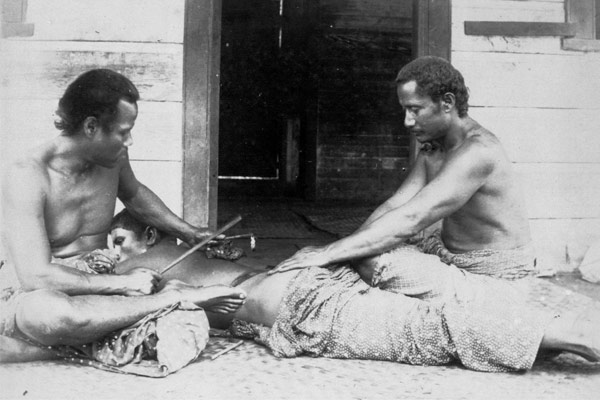
- Technologies of Resistance: In the face of globalization, maintaining traditional methods of tattooing and fermentation acts as a form of cultural "friction," slowing the erasure of unique local identities.
- Ritual Labor: Both practices require significant time and physical labor. In a world of instant gratification, the slow process of a ferment and the painful process of a tattoo serve as reminders of the value of patience and "slow knowledge."
- The Body as a Site of Authority: By reclaiming traditional markings and traditional diets, Indigenous communities assert authority over their own bodies, moving away from external moral and medical frameworks imposed during colonial eras.
Conclusion: Traces of Origin and Future Identity
Ink marks the body, providing a permanent visual anchor to one’s past and community. Fermentation marks the food, providing a biological link to the land and the ancestors who first harnessed the power of microbes. While the specific meanings of these practices vary from the mountains of the Philippines to the savannas of Guyana, the underlying logic remains consistent: we are what we carry on our skin and what we consume at our tables.
As these ancient practices continue to find new life in contemporary contexts, they invite a deeper appreciation for the ways in which human beings seek to transform their world. Whether through the soot of an Ainu hearth or the hop-leaf tattoo of a modern brewer, the kinship between ink and drink remains a powerful testament to our enduring desire to inscribe our stories into the very fabric of our lives. Both leave indelible traces of where we have come from, while providing the spiritual and physical nourishment needed to imagine who we might yet become.