admin
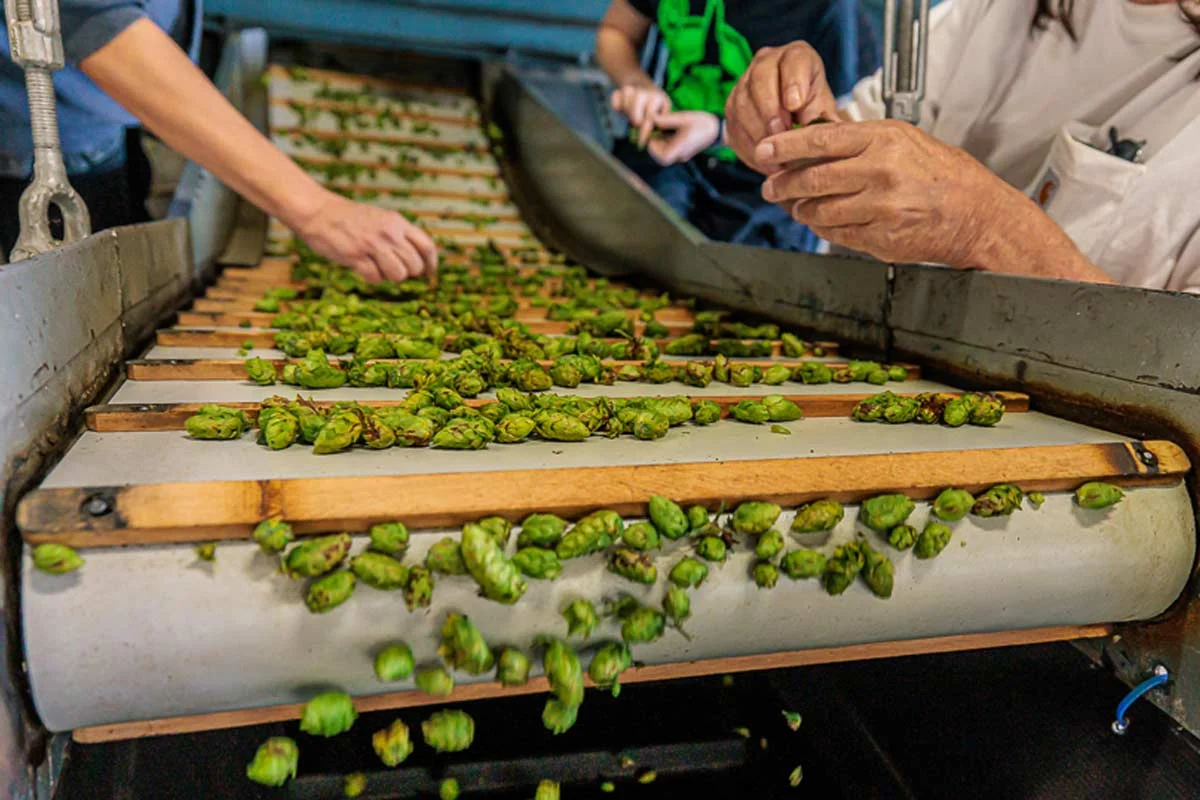
The American hop industry, long dominated by the massive acreage of the Pacific Northwest, has seen a significant geographical and demographic shift over the last two decades, with Michigan emerging as a primary contender in the global market. While Michigan currently ranks first in the Great Lakes region and fourth nationally in total hop acreage, a substantial portion of the labor, scientific research, and operational management driving this success is performed by women whose contributions have historically remained underrepresented in industry narratives. From the precision of greenhouse propagation and the complexities of integrated pest management to the large-scale logistics of harvest coordination and land stewardship, women are increasingly occupying the critical infrastructure of the Michigan hop trade.
The Geographic and Geological Foundations of Michigan Hops
The resurgence of the Michigan hop industry is predicated on a unique combination of geography and geology. Hops (Humulus lupulus) are notoriously temperamental perennials that require specific environmental triggers to thrive. The "sweet spot" for hop cultivation is generally recognized as the 45th parallel north, a line of latitude that bisects the state of Michigan. This location provides the necessary photoperiod—long, sun-drenched summer days—required for the plants to produce the lupulin-rich cones prized by brewers. Conversely, the plants require the freezing temperatures of Michigan winters to enter a necessary state of dormancy.
Beyond climate, the state’s soil composition offers a distinct advantage. The retreat of glaciers during the last ice age left behind well-drained, sandy loam soils. Because hops are susceptible to root rot and "wet feet," this drainage is essential for large-scale cultivation. Unlike grapes, which grow on vines using tendrils, hops grow on bines. These bines utilize stiff, downward-pointing hairs to wrap clockwise around twine, often climbing to heights of 20 to 25 feet in a single growing season. This vertical growth requires significant structural engineering and manual labor, a process Mel Trowbridge of Top Hops Farm describes as "wrestling a jungle" during the peak of the harvest.
Scientific Oversight and Integrated Pest Management
A cornerstone of Michigan’s hop success is the institutional support provided by Michigan State University (MSU). As the industry scaled up from experimental plots to commercial acreage starting around 2008, growers faced significant biological hurdles, including downy mildew, powdery mildew, and the invasive potato leafhopper. Erin Lizotte, MSU’s integrated pest management (IPM) coordinator and senior statewide educator, has become a central figure in the state’s agricultural defense strategy.
Lizotte’s work involves a multifaceted approach to crop health, combining field scouting, weather-based disease forecasting, and the navigation of complex chemical approval processes. By collaborating with the MSU Plant and Pest Diagnostics lab, Lizotte provides growers with research-backed data that allows for precision application of treatments, reducing environmental impact while maximizing yield. Industry stakeholders frequently cite Lizotte’s responsiveness and technical expertise as essential components of the state’s ability to compete with established growers in Washington and Idaho.
The Technical Evolution of Propagation: Sandy Ridge Farms
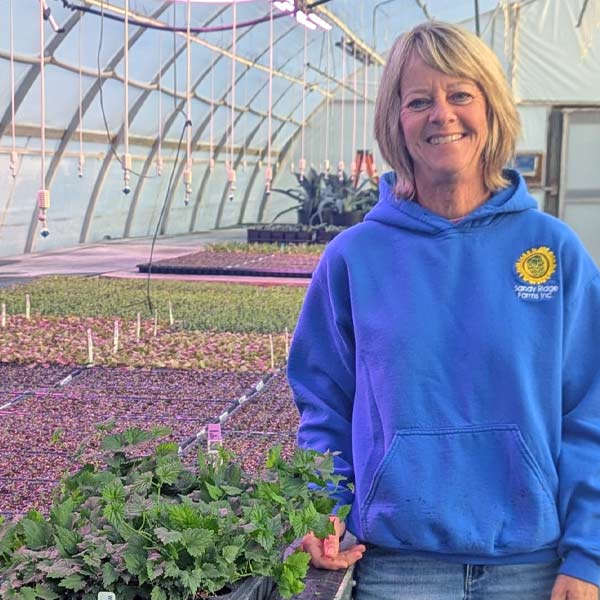
The lifecycle of a Michigan hop begins long before the bines reach the trellis, rooted in the technical precision of greenhouse propagation. Julie Kane, a specialist at Sandy Ridge Farms in Zeeland, Michigan, has spent over two decades in the horticultural industry. When interest in local hops surged in 2008, Sandy Ridge became the state’s first commercial propagator.
Kane’s methodology centers on the "Clean Plant" protocol, an industry standard designed to prevent the spread of viruses and viroids that can decimate a yard. This process begins with virus-free "mother plants" sourced from the National Clean Plant Network. Kane manages a rigorous sanitation regime, involving the sterilization of tools, preventative fungicide applications, and annual diagnostic testing in partnership with MSU.
The challenges of this work have been exacerbated by shifting climate patterns. During the summer of 2024, Michigan experienced prolonged heat waves that saw greenhouse temperatures exceed 100 degrees Fahrenheit. Managing these extremes requires constant adjustment of shade cloth, irrigation schedules, and atmospheric moisture levels. Kane’s work ensures that when a farmer invests in a new yard—an endeavor that can cost tens of thousands of dollars per acre—they are starting with genetically stable, disease-free stock.
Corporate Stewardship and the Sensory Science of Brewing
On the operational side of the industry, major players like Bell’s Brewery have integrated hop production directly into their sustainability and sourcing models. Bonnie Steinman, a veteran horticulturist, serves as the land steward at Bell’s Brewery in Comstock, where she oversees a two-and-a-half-acre hop yard alongside colleague Elizabeth Mullins.
Steinman’s approach to hop farming emphasizes the sensory transition of the crop. Under the mentorship of industry veterans like John Mallett, former vice president of operations at Bell’s, Steinman developed a rigorous daily protocol for monitoring hop maturity. This involves "rubbing and smelling" the cones to track the transition of aromatic profiles—from grassy notes to fruity esters and finally to the resinous, sticky oils that signify peak harvest readiness.
Beyond production, Steinman and Mullins have focused on the "Hideaway," a lush gathering space beneath the hop canopy inspired by the TopWire Hop Project in Oregon. This initiative serves a dual purpose: it functions as a biological waystation for pollinators like butterflies and acts as an educational hub for organizations like the Pink Boots Society, which supports women and nonbinary professionals in the beverage industry. This focus on stewardship reflects a broader trend in Michigan agriculture toward diversifying the utility of farmland.
Quality Control and Process Engineering
The influence of Michigan’s industrial heritage is evident in the operational management of farms like Top Hops. Mel Trowbridge, who spent 40 years as an automotive engineer and quality control specialist, has applied lean manufacturing principles to the agricultural sector. At Top Hops Farm, Trowbridge has implemented structured training, task rotation, and daily debriefings—a "shop floor" approach rarely seen on traditional family farms.
During the harvest, which is the most labor-intensive period of the year, Trowbridge acts as a central orchestrator. Her role involves real-time adjustments to mechanical harvesting equipment, labor allocation, and moisture monitoring during the drying process. By treating the farm as a process-driven facility, Trowbridge has been able to achieve levels of consistency and quality that meet the exacting standards of commercial craft brewers.
The "Michigan Chinook" and the Quest for Terroir
A primary goal for the state’s growers is the establishment of a unique Michigan "terroir"—the characteristic taste and flavor imparted by the specific environment in which the hops are grown. Central to this identity is the Michigan Chinook. While the Chinook variety was originally developed in the Pacific Northwest and is known there for its piney, resinous qualities, the Michigan-grown version exhibits a distinct profile characterized by notes of pineapple and citrus fruit.
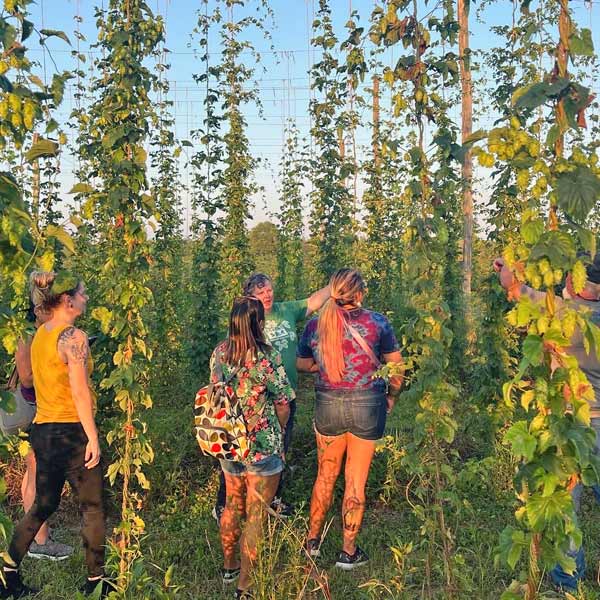
To promote this distinction, Rose Stahl of Mr. Wizard’s Hops has been a key organizer of the "Chinook Cup," an annual competition hosted by the Hop Growers of Michigan. The event, held at the Great Beer State Conference and Trade Show, uses blind sensory analysis to crown the best Chinook harvest in the state. Stahl’s entry into the industry was born of necessity; after a catastrophic flood destroyed five acres of corn on her family farm, she pivoted to hops on the suggestion of her son, an employee at Short’s Brewing. A decade later, Stahl remains a vocal advocate for the Michigan hop identity, even as she and her husband John begin to scale back their operations.
Addressing the Visibility Gap and Future Economic Impact
Despite these significant contributions, women in the hop industry often face a "visibility gap." Amy Tennis of the Michigan Hop Alliance notes that on many family-owned farms, men remain the public-facing representatives, while women handle the essential administrative and physical labor. This includes grant writing, financial management, irrigation oversight, and labor recruitment—tasks that are vital to the farm’s survival but often go unrecognized in marketing and media.
The Michigan hop industry currently faces a complex landscape. While the initial "hop gold rush" of the early 2010s has leveled off, leading to some market contraction, the focus has shifted from rapid expansion to long-term sustainability and quality. The state’s industry is now characterized by a core group of sophisticated growers who are navigating labor shortages and the increasing unpredictability of Great Lakes weather patterns.
Analysis of Implications
The growing influence of women in the Michigan hop industry has several long-term implications for the state’s economy and agricultural policy. First, the integration of scientific expertise (Lizotte) and industrial engineering (Trowbridge) has raised the baseline for crop quality, making Michigan hops a viable alternative to imported varieties. Second, the focus on "Clean Plant" protocols and IPM reduces the long-term biological risk to the state’s agricultural land.
Furthermore, the collaboration between female growers and organizations like the Pink Boots Society suggests a shift toward a more inclusive professional pipeline. As the craft beer market matures, consumers are increasingly interested in the provenance of their ingredients. The ability of Michigan growers to point to a diverse, scientifically-led workforce provides a powerful narrative for "locally sourced" branding.
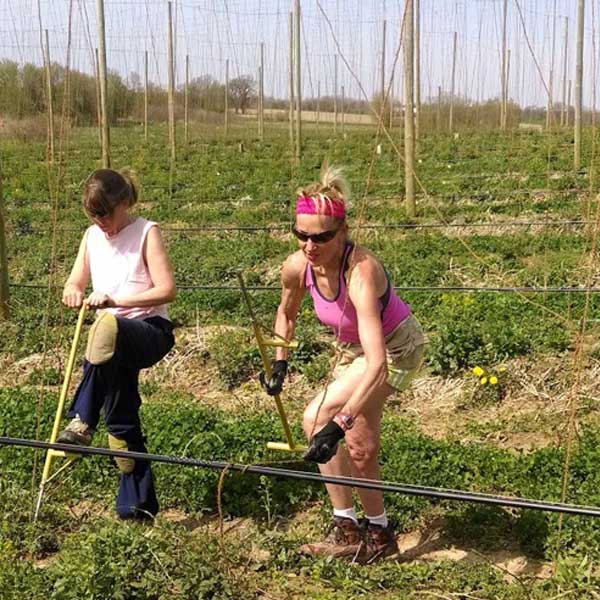
As Nicole Shriner, a hops researcher at MSU, suggests, the goal for the Michigan industry is not to replicate the Pacific Northwest, but to carve out a distinct niche. With women at the helm of research, propagation, and operation, the Michigan hop industry is positioned to define its own future, ensuring that the state’s "Great Beer State" moniker is backed by a robust and innovative agricultural foundation. The work being done behind the bines today will determine the flavor profiles and economic viability of Michigan’s brewing industry for decades to come.