admin
At 6:32 a.m. on a late August morning, the reality of mountain aviation collided with the ambitious timelines of craft brewing. Eric Serani, co-founder and president of Denver-based FlyteCo Tower, sent a succinct but heavy email: “Ugh, looks like the clouds aren’t going away.” For Serani, a seasoned pilot and aerospace engineer, the message was more than a weather update; it was the first sign that a six-year tradition of "hop flights" across the Rocky Mountains was in jeopardy. While the brewery had successfully completed this mission every year since its 2019 inception, the 2025 season would prove that even the most meticulous flight plans remain subject to the whims of nature.
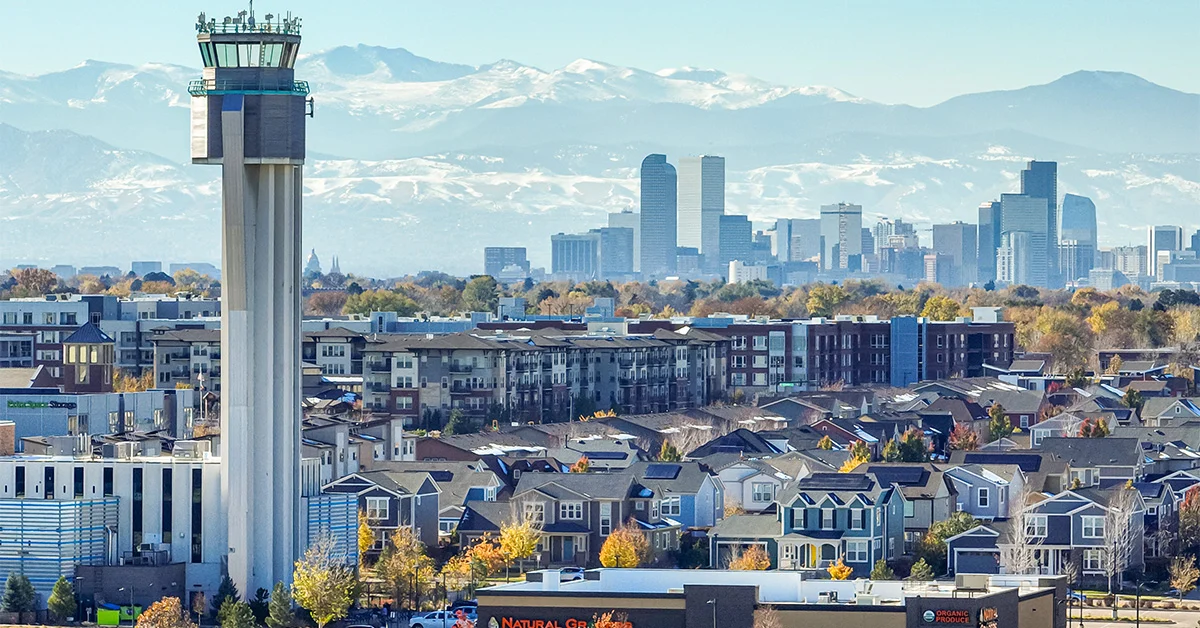
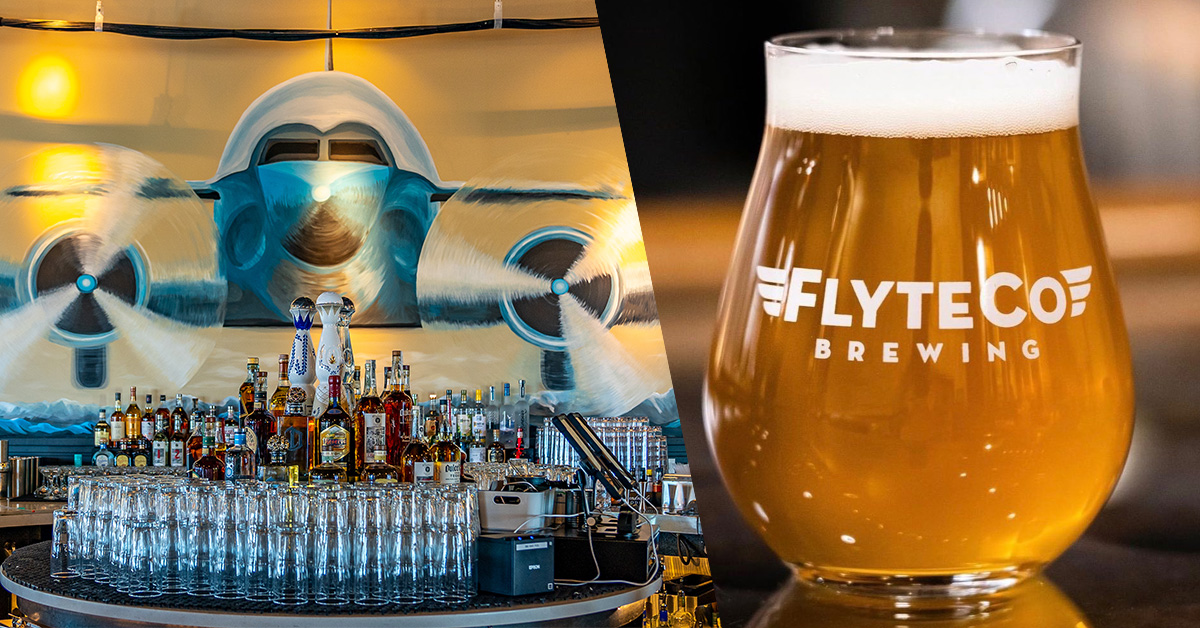
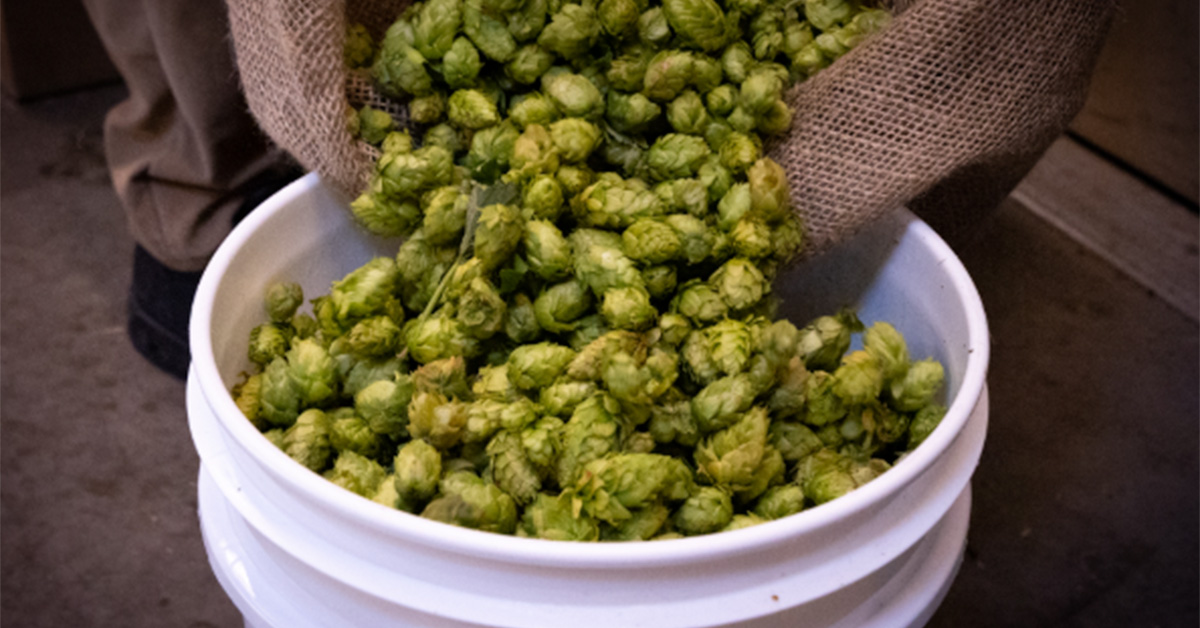
FlyteCo Tower, situated in the repurposed air traffic control tower of the former Stapleton International Airport, operates at the intersection of Colorado’s aviation history and its robust craft beer culture. The brewery’s signature "Hop Is My Co-Pilot Fresh Hop IPA" is the product of a logistical feat that involves flying a four-seater Van’s Aircraft RV-10 from Erie Municipal Airport to Billy Goat Hop Farm in Montrose, Colorado. The goal is to harvest fresh hops and return them to the brewhouse within a six-hour window, ensuring the volatile oils and aromatics of the "wet" hops are captured at their peak.
The Logistics of Fresh Hop Brewing and Aerial Transport
Fresh hop beers, also known as "wet hop" beers, represent a narrow seasonal window in the brewing industry. Unlike standard beers, which utilize dried and pelletized hops available year-round, fresh hop ales require the use of whole-cone hops within 24 to 48 hours of being picked from the vine. According to industry data from the Brewers Association, while hops are grown primarily in the Pacific Northwest, Colorado’s hop industry has carved out a niche for local, high-altitude varieties that offer unique terpene profiles.
For FlyteCo, the challenge is amplified by geography. The journey from the Front Range to the Western Slope involves navigating 175 nautical miles over the Continental Divide at altitudes ranging between 11,000 and 13,000 feet. “It’s always so last minute,” Serani noted regarding the coordination between the farm and the cockpit. “The harvest—they don’t know when that’s going to be until a few weeks ahead of time. The weather for the flight, we don’t know for sure until the day of.”
The 2025 season highlighted the fragility of this process. After the initial Monday flight was postponed to Wednesday due to low ceiling visibility and cloud cover, the window eventually closed. The combination of an early harvest at Billy Goat Hop Farm and persistent inclement weather over the Rockies meant that, for the first time in FlyteCo’s history, the fresh hops would have to be shipped via traditional overnight ground transport rather than the brewery’s own fleet.
A Legacy of Flight: The Serani Family and Aviation Education
The commitment to an aviation-themed brewery is not a mere marketing tactic for Serani; it is a multi-generational family legacy. Serani’s father, Scott Serani, remains an active participant in the brewery’s aviation community. The elder Serani recalls his son’s introduction to flight at the age of three, when Eric’s grandfather took him up in a 1946 kit plane in Chicago. By age 16, Eric was flying solo; by 17, he was a licensed pilot.
This personal history is woven into the business model of FlyteCo. Eric Serani serves as a flight instructor at Erie Municipal Airport and is a dedicated member of the Experimental Aircraft Association (EAA). A significant portion of FlyteCo’s mission involves the Young Eagles program, which provides children between the ages of eight and 17 with their first flight experiences. This philanthropic arm is central to the brewery’s identity, with 10% of all profits donated to aviation-fueled initiatives.
“The entire FlyteCo brand is about aviation, about inspiring people to push their limits and do something they don’t think they can do,” Serani explained. This ethos extends to the "Hop Is My Co-Pilot" project. While transporting 20 to 100 pounds of hops in a small aircraft is technically inefficient—fuel costs often exceed the market value of the hops—the exercise serves as a community-building event for local pilots and a way to maintain sharp technical skills in demanding high-altitude environments.
The Historical Significance of the FlyteCo Tower Location
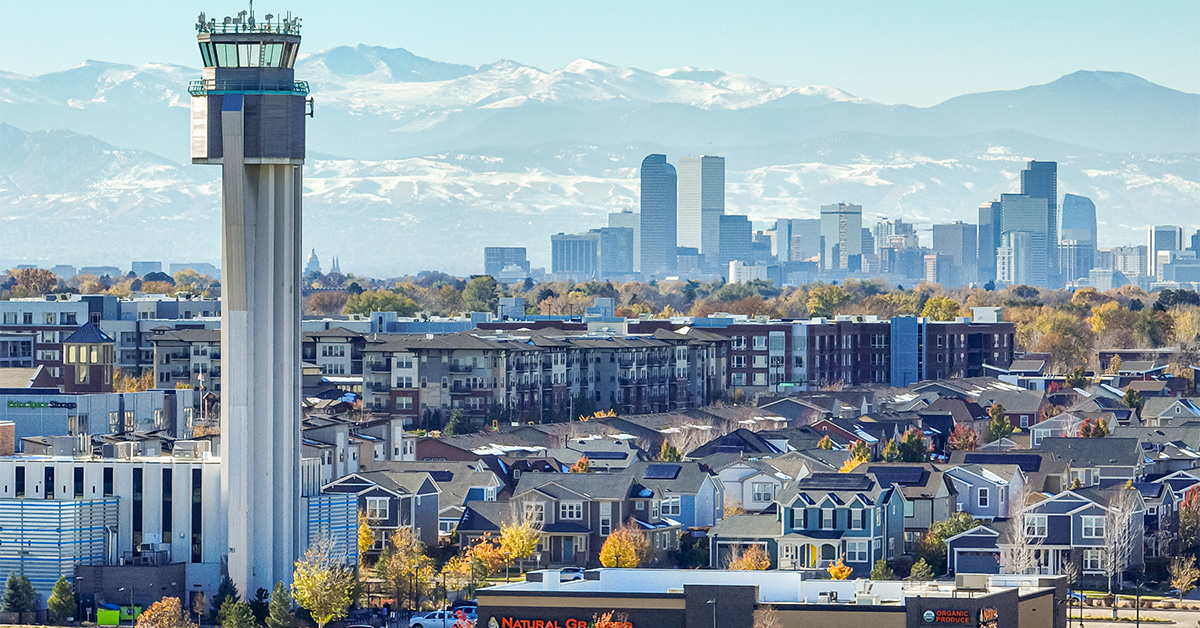
The physical location of FlyteCo Tower is a landmark in American aviation history. Before Denver International Airport (DIA) became the third busiest airport in the United States, Stapleton International Airport served as the region’s primary hub. Opened in 1929, Stapleton grew to become the sixth busiest airport in the world by 1961. When it closed in 1995, most of the infrastructure was demolished to make way for the Central Park residential development, but the iconic 11-story air traffic control tower remained.
The tower sat vacant for decades until it was partially occupied by an entertainment venue in 2017. Following that business’s closure in 2020, FlyteCo’s founders—Eric Serani, Jason Slingsby, and Morgan O’Sullivan—saw an opportunity to move their operations into the historic site. Slingsby, who holds a master’s degree in chemical engineering and an aerospace engineering background, manages the technical brewing side, while Serani focuses on the aviation integration.
Today, the facility functions as a massive "eatertainment" complex. It features bowling lanes, arcade games, mini-golf, and axe throwing, all centered around a 2.5-barrel pilot brewing system. This smaller system allows for the experimentation required for limited-run releases like the fresh hop IPA, while their flagship beers are brewed in collaboration with Copper Kettle Brewing Company to meet higher volume demands.
Chronology of a Failed Mission: The 2025 Harvest Window
The timeline of the 2025 fresh hop season illustrates the high stakes of "just-in-time" brewing:
- Early August: FlyteCo begins daily communication with Billy Goat Hop Farm to monitor the maturity of Chinook and Cascade hops.
- Mid-August: A tentative "flight window" is established for a Monday departure.
- Monday, August 19: Ground fog and low-level clouds at Erie Municipal Airport prevent the RV-10 from taking off. The flight is pushed to Wednesday.
- Wednesday, August 21: Weather patterns over the Rockies remain unstable. A small group of pilots and passengers gather at the Serani hangar, but the mission is officially scrubbed for safety reasons.
- Late August: The harvest at Billy Goat Hop Farm concludes. Without a safe flight path, the "Hop Is My Co-Pilot" tradition is officially grounded for the year.
The inability to fly the hops in 2025 serves as a case study in the risks of experiential brewing. For most commercial breweries, the supply chain is a matter of digital tracking and freight contracts. For FlyteCo, the supply chain is a matter of barometric pressure and visibility.
Educational Outreach and the "In-House Historian"
To preserve the legacy of the site, FlyteCo employs an in-house historian, Sean Henson. Henson conducts tours of the 11-story tower, which has been effectively transformed into a museum of flight. The exhibits detail the progression of aviation in the "Mile High City," beginning with French aviator Louis Paulhan, who performed the city’s first flight in 1910.
The museum and tours also highlight social milestones in aviation, such as the career of Marlon Green, the pilot whose Supreme Court case in 1963 paved the way for Black pilots in commercial airlines. It also honors Emily Howell Warner, the Denver native who became the first woman hired as a pilot by a scheduled U.S. airline. By integrating these stories into the brewery experience, FlyteCo positions itself not just as a taproom, but as a cultural steward.
Analysis of the "Eatertainment" Brewery Model
The success of FlyteCo Tower, despite the logistical setbacks of its hop flights, reflects a broader trend in the craft beer industry. As the market for standard taprooms becomes saturated, "experiential" locations—often dubbed "eatertainment"—have shown greater resilience. By offering bowling, arcade games, and historical tours alongside their beer, FlyteCo attracts a diverse demographic, from aviation enthusiasts to families.
Industry analysts suggest that this diversification is essential for modern breweries. The 2025 decision to ground the flight, while a disappointment for the brand’s narrative, was a sound business and safety decision. "Every time we’ve been able to make this beer, it’s a miracle," Serani noted. The "miracle" of previous years—where hops were flown 175 miles, shuttled to the brewery, and added to the mash tun within hours—is a testament to the founders’ technical proficiency.
Future Outlook and 2026 Projections
While the 2025 "Hop Is My Co-Pilot" IPA was brewed using hops shipped via traditional methods, the brewery remains committed to the flight-based model for 2026. The interruption of their six-year streak has only intensified the team’s focus on the intersection of pilot skills and brewing science.
For the aviation and brewing communities in Denver, FlyteCo Tower remains a symbol of the city’s ability to reinvent its industrial past. The brewery continues to serve as a hub for the Young Eagles program and a gathering place for those who view the sky not as a barrier, but as a frontier for both flight and flavor. As the 2026 season approaches, the crew at FlyteCo will once again be watching the skies, waiting for that rare alignment of clear weather and a perfect harvest.