admin
admin
The craft beer landscape of Northern California, long dominated by the historic legacies of San Francisco and the experimental fervor of the East Bay, has undergone a significant geographic expansion toward the south. A thirty-mile corridor along Highway 101 in San Mateo County has transitioned from a series of commuter suburbs into a primary destination for viticulture and zymurgy enthusiasts. This stretch, spanning from the transit-oriented developments of Burlingame through the industrial sectors of Belmont and San Carlos to the revitalized downtown of Redwood City, now hosts a sophisticated "beer trail" that mirrors the region’s broader economic and cultural evolution. As the San Francisco Peninsula continues to attract a demographic of high-income professionals and tech-sector employees, the demand for artisanal, small-batch brewing has incentivized a wave of entrepreneurs to repurpose industrial warehouses and former retail spaces into high-end taprooms and production facilities.
The Economic Context of the Peninsula Brewing Boom
The emergence of the Peninsula beer trail is not an isolated phenomenon but rather a localized manifestation of California’s robust craft brewing economy. According to data from the Brewers Association, California remains the nation’s leader in craft beer production, contributing over $9 billion annually to the state’s economy. Within San Mateo County, the growth of these breweries aligns with "transit-oriented development" strategies, as many of the most successful establishments are located within walking distance of Caltrain stations. This proximity allows for a "hop-on, hop-off" tourism model that connects the urban centers of San Francisco and San Jose to the burgeoning mid-peninsula scene.
Industry analysts note that the shift toward the Peninsula is also driven by real estate dynamics. As commercial rents in San Francisco reached historic highs over the last decade, brewers sought "flex spaces" in cities like San Carlos and Belmont, where industrial zoning allows for the heavy machinery required for fermentation tanks and canning lines. The result is a diverse ecosystem of breweries that range from plant-based culinary complexes to traditional English-style cask houses.
Twelvemonth: The Intersection of Tech, Sustainability, and Brewing
In Burlingame, the northern anchor of this trail is Twelvemonth, an establishment that exemplifies the modern Peninsula trend of "lifestyle brewing." Founded by Bob Trahan, a former technology executive who transitioned into the culinary arts, Twelvemonth occupies a expansive former brewery site just south of San Francisco International Airport (SFO). The project represents a significant capital investment in the Burlingame business district, featuring a multi-functional space that includes a plant-based restaurant, a bakery, and a sophisticated taproom.
Twelvemonth’s strategy involves a curated tap list that balances local production with regional icons. By offering sought-after labels like Russian River Brewing Company’s Pliny the Elder alongside easy-drinking lagers from Richmond’s East Brother Beer Co., Twelvemonth serves as a high-volume gateway for travelers and locals alike. The inclusion of non-alcoholic options from Fort Point Beer Company reflects a broader industry shift toward "mindful drinking," a segment that has seen a 20% year-over-year growth in the craft sector. The establishment’s commitment to a plant-based menu further aligns with the Peninsula’s sustainability-focused consumer base, proving that the modern brewpub must offer more than just beer to remain competitive in a crowded market.
Alpha Acid: Industrial Innovation in Belmont
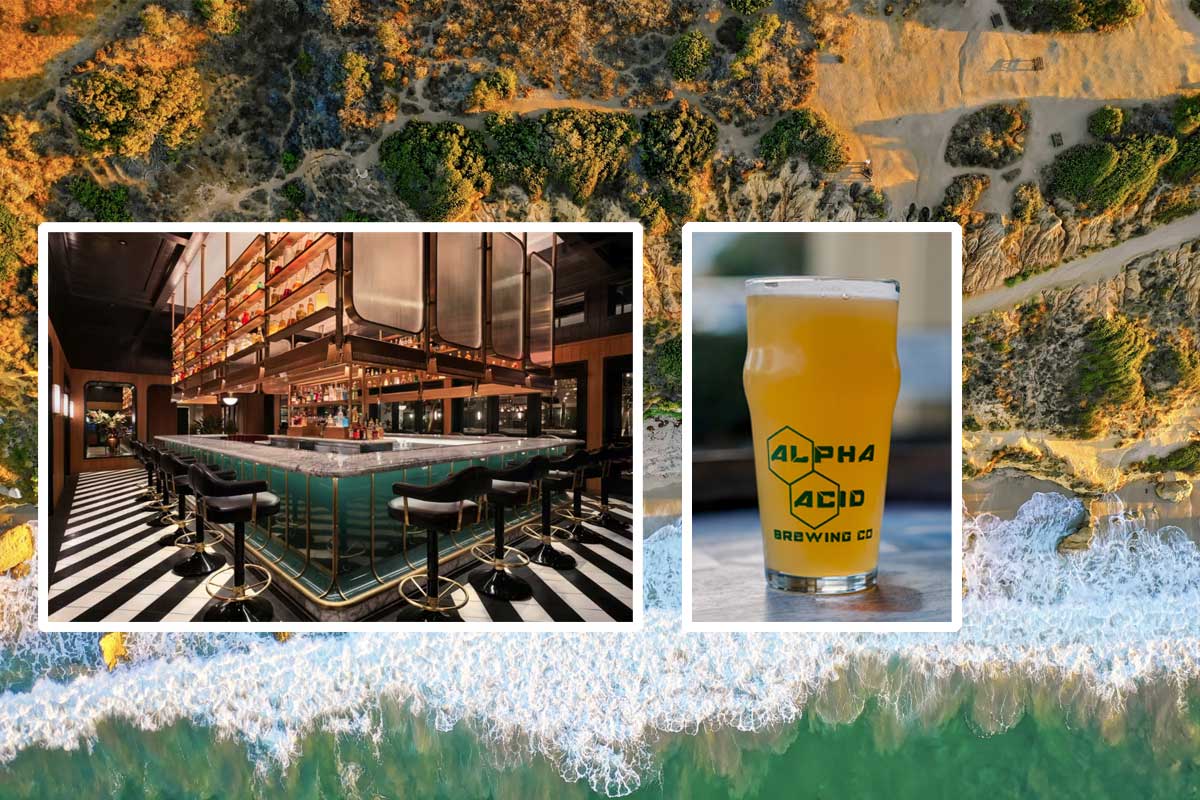
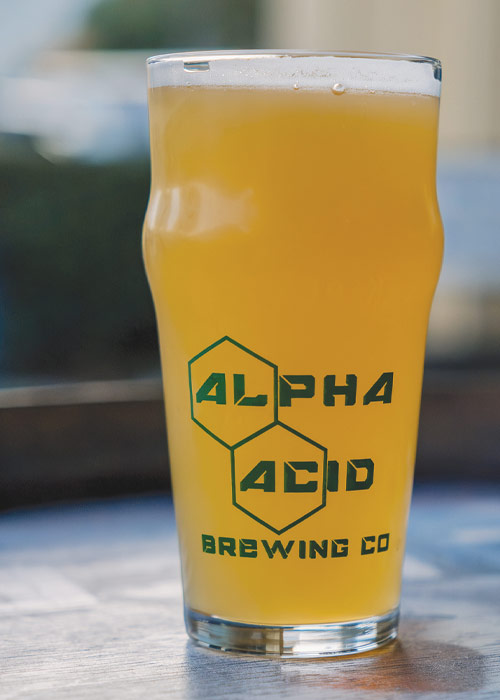
Moving south to Belmont, the trail shifts from the polished aesthetics of Burlingame to the gritty, innovation-focused environment of the Harbor Business Center. Alpha Acid Brewing Company, established in 2014, has become a cornerstone of the Peninsula’s experimental scene. Tucked into an industrial lot, Alpha Acid focuses on high-gravity ales and complex hop profiles that appeal to the "beer geek" demographic.
The brewery’s portfolio is a study in style diversity. Their "May The Haze Be With You" New England-style IPA (7% ABV) utilizes a combination of orange and pine notes to satisfy the regional craving for hazy, low-bitterness ales. However, Alpha Acid distinguishes itself through its barrel-aging program. The "Flying Dutchman," a 10.2% ABV tropical stout aged in rum barrels, demonstrates the technical proficiency required to manage long-term fermentation and wood-derived flavor profiles. The presence of rotating taco trucks and vintage pinball machines at the brewery highlights a successful "destination taproom" model, where the lack of a traditional kitchen is offset by community partnerships and a focus on specialized, high-margin beer releases.
Blue Oak Brewing: The Science of Sour and Thiolized Ales
In San Carlos, Blue Oak Brewing Co. has carved out a niche by focusing on the intersection of chemistry and flavor. The brewery is particularly noted for its mastery of fruited sours and the use of "thiolized" yeast—a recent technological advancement in brewing science. Thiols are organic compounds that, when released by specific yeast strains during fermentation, significantly amplify tropical fruit aromas (such as passionfruit and guava) without the need for excessive fruit additions.
Blue Oak’s "Hello Motueka," a hazy IPA exceeding 8% ABV, serves as a showcase for these thiolized yeasts, resulting in an exceptionally "juicy" profile that has become a benchmark for the style on the Peninsula. Furthermore, their sour program, featuring the "Cherry Bomb" and "POG is My Copilot" (Passion fruit, Orange, Guava), caters to a growing market segment that prefers tart, refreshing alternatives to traditional hop-forward beers. The brewery’s sprawling indoor/outdoor layout is indicative of the post-pandemic shift toward ventilated, communal spaces that accommodate both casual drinkers and organized events.
Redwood City: The Triple Threat of Ghostwood, Freewheel, and Gourmet Haus Staudt
Redwood City serves as the southern terminus of this 30-mile trail, offering three distinct brewing philosophies within a few square miles. This concentration has turned the city into a regional hub for "beercations."
Ghostwood and the Evolution of the Cold IPA
Ghostwood has gained national recognition for its "Extra Crispy" American lager, a style that requires immense technical precision because its light body leaves no room for brewing flaws. Beyond lagers, Ghostwood is a proponent of the "Cold IPA" movement. Their "Serial Chiller" utilizes Riwaka, Nelson, and Enigma hops, fermented at lower temperatures to produce a crisp, clean finish that mimics a lager while maintaining the aromatic intensity of an IPA. This hybrid style has become increasingly popular among West Coast drinkers who seek the complexity of hops without the heavy malt backbone of traditional IPAs.
Freewheel Brewing: Preserving the British Cask Tradition
Located in the Marsh Manor Shopping Center, Freewheel Brewing Company offers a stark contrast to the hop-heavy trends of its neighbors. Since 2012, Freewheel has specialized in English cask ales—unfiltered, unpasteurized beer that is conditioned and served from a cellar-temperature cask using a manual hand-pump. Their flagship "Big V Amber" utilizes Maris Otter malt, a premium British barley known for its bready, nutty characteristics. By focusing on nitro pours and "Real Ale," Freewheel provides a cultural touchstone for the Bay Area’s expatriate community and purists who value the smooth, low-carbonation mouthfeel of traditional British brewing.
Gourmet Haus Staudt: A Link to the Old World
Rounding out the Redwood City scene is Gourmet Haus Staudt, a Bavarian-style Bierstube that bridges the gap between domestic craft and European heritage. Known for its massive volume of Weihenstephaner—the world’s oldest continuously operating brewery—Gourmet Haus Staudt serves as both a community gathering place and a high-end bottle shop. Its hybrid model of a German market, a front-facing bar, and a rear beer garden provides a comprehensive retail and social experience that anchors the downtown Redwood City economy.
Broader Impact and Future Outlook
The development of the Peninsula beer trail has significant implications for the region’s urban planning and economic resilience. By transforming underutilized industrial zones into vibrant social hubs, these breweries have increased property values and encouraged foot traffic in areas that were previously dormant after business hours. Furthermore, the collaboration between local food vendors—such as the award-winning State of Mind Public House and Pizzeria—and the breweries creates a synergistic "micro-economy" that supports multiple small businesses simultaneously.
As the craft beer industry faces national challenges, including changing consumer preferences and rising aluminum and grain costs, the Peninsula breweries have remained resilient by focusing on "hyper-local" distribution and taproom-centric sales models. By eliminating the middleman and selling directly to the consumer, these establishments maintain higher margins and foster a sense of brand loyalty that is difficult to achieve through traditional retail channels.
The San Francisco Peninsula beer trail is more than a collection of bars; it is a sophisticated corridor of innovation, culinary excellence, and community building. From the technical hop-science in San Carlos to the centuries-old cask traditions in Redwood City, the 101 corridor has established itself as a vital organ in the body of American craft brewing. For the consumer, it offers a diverse, high-quality experience that is easily accessible via the region’s transit infrastructure, marking a new chapter in the Bay Area’s long and storied relationship with the pint glass.