admin
admin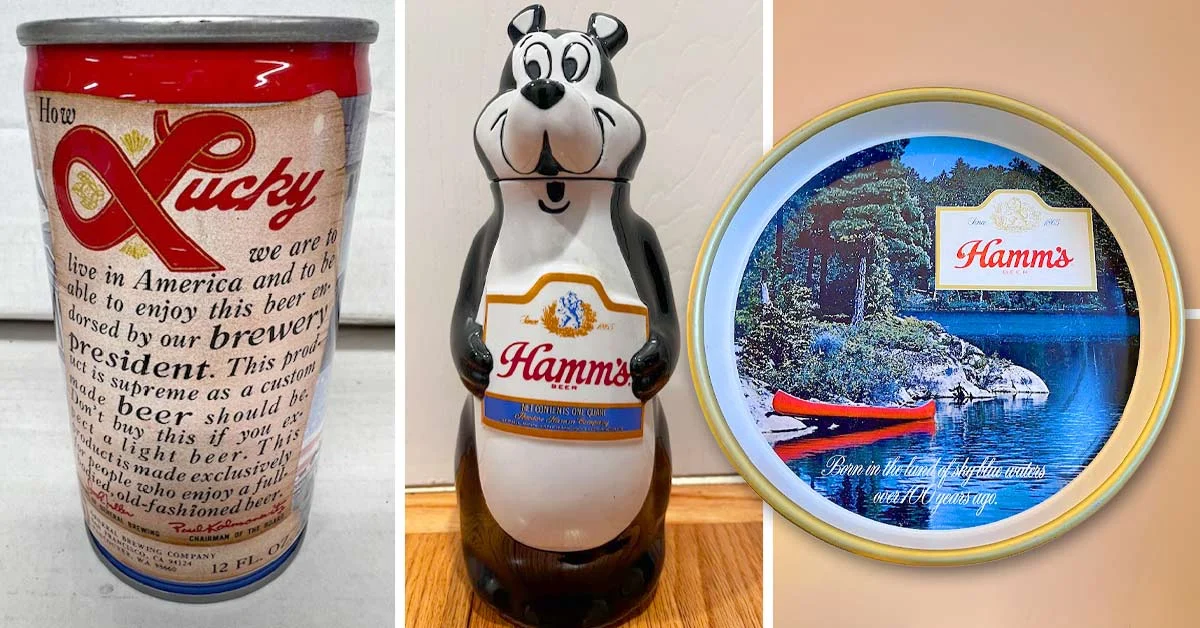
While the narrative of American immigration is often anchored to the "huddled masses" of New York’s Ellis Island, a parallel and equally transformative history unfolded on the West Coast. In San Francisco, a city built on the volatile fortunes of the 1849 Gold Rush, a different kind of "liquid gold" provided the foundation for the American Dream for thousands of Eastern European migrants. Among these, the Slovene-American community carved out a distinct middle-class existence through the grueling but stable labor found within the city’s massive beer factories. This industrial legacy, spanning from the post-Prohibition era to the rise of modern craft brewing, represents a vital chapter in the socio-economic evolution of Northern California.
The Industrial Foundations of San Francisco Brewing
The history of brewing in San Francisco is inextricably linked to its rapid urbanization. Long before it became a global technology hub, the city was a center of maritime commerce and industrial production. In 1834, Richard Henry Dana recorded the early days of the settlement in his memoir Two Years Before the Mast, describing a quiet outpost that would soon be transformed by the 1848 discovery of gold. However, as Dana noted in his 1858 follow-up, "Twenty-Four Years After," the true fortunes were not found in the mines, but in the infrastructure that supported the growing population.
Beer was a primary component of this infrastructure. In 1843, the merchant Benjamin T. Reed recorded the first major shipment of bottled beer into the city. Due to the lack of ice and traditional refrigeration in the hilly terrain, local brewers developed "steam beer," a process where the heated wort was cooled in large, shallow vats on rooftops, utilizing the city’s natural fog and cool winds to trigger fermentation. This process, famously preserved by the Anchor Brewing Company, became the city’s signature contribution to the brewing world.
By the early 20th century, the industry faced a series of existential threats: the Great Earthquake of 1906, the rise of anti-German sentiment during World War I, and the onset of Prohibition in 1920. When the 21st Amendment repealed Prohibition in 1933, a new era of industrial-scale brewing began, led by firms like Milwaukee Brewing (later San Francisco Brewing Corp and eventually Burgermeister), Lucky Lager, and Acme Brewing. These factories required a massive, disciplined labor force, a need that coincided with a new wave of European immigration.
The Slovene Migration and the Search for Stability
The Slovene-American experience in the West was initially defined by transient, high-risk labor. According to 1920 census estimates, approximately 228,000 Slovene immigrants and their children resided in the United States. Many had settled in the industrial corridors of Ohio, Pennsylvania, and Illinois, or in the mining and agricultural sectors of Idaho, Montana, and Colorado.
For many Slovene families, the path to San Francisco was circuitous. Veterans of World War I often found themselves caught between a volatile Europe—newly organized under the Kingdom of Yugoslavia—and an American economy gripped by the Great Depression. The story of Alois "Louie" Judnick, a first-generation American born to Slovene parents in Idaho, typifies this era. After a childhood spent in Yugoslavia, Judnick returned to the U.S. as a young adult, performing manual labor in Montana before enlisting in General Patton’s Third Army during World War II.
Post-war San Francisco offered these veterans and their families a promise of permanence. As the city transitioned from wartime production—where Slovenes worked in shipyards like Soule Steel—to consumer manufacturing, the brewery floor emerged as the premier destination for immigrant labor.
The "Bohunk" Barrier and the Brewery Melting Pot
The mid-20th century was a period of significant prosperity for San Francisco’s large-scale brewers. National and regional brands like Hamms, Schlitz, and Regal Pale established massive plants in the city’s Mission and Potrero Hill districts. However, the labor market was not always welcoming. In the 1950s and 60s, "No Bohunks Need Apply" signs were common in business windows, using a derogatory term for Czech, Slovene, and Slovak immigrants.
Despite this discrimination, the brewing industry became a bastion of Slovene employment. This was largely due to an internal network of "pioneer" workers. Joseph Klemens, an early employee at Burgermeister after the repeal of Prohibition, became a gateway for his community. He helped secure a position for his nephew, Anton "Tony" Klemens, in 1942. When Tony returned from military service, his job was held by the union—a testament to the growing power of organized labor in the sector.
By the 1950s, more than a dozen Slovene-American families were represented on the floor of "Burgie," as Burgermeister was known. The factory floors became ethnic melting pots where Slovene workers labored alongside Irish, Italian, French, and Scottish immigrants. By the 1970s, the workforce began to integrate further, including African American workers.
Labor Dynamics and the Path to the Middle Class
The work inside a mid-century brewery was physically demanding and divided into specialized roles. Slovene men typically performed blue-collar tasks that were essential to the high-speed production lines:
- Warehouse Operations: Moving heavy kegs with forklifts and managing large pallets of glass bottles and cans.
- Packaging Lines: Operating the fillers, labeling machines, and capping stations.
- Quality Control: Monitoring pH levels and product consistency to ensure the beer met the rigorous standards of the large-scale brands.
At the height of production, a single shift of 40 workers could process up to half a million units. This high output translated into high wages. For the Slovene community, brewery work provided the capital necessary to achieve upward mobility. Many workers used their earnings to purchase and renovate Victorian homes in San Francisco, while their sons used summer union shifts to pay for college educations.
A critical component of this stability was the International Brotherhood of Teamsters. The union provided not only competitive wages but also the security of a pension. The Slovene community’s loyalty to organized labor was famously demonstrated during the 1973 nationwide boycott of Coors Brewing, where workers stood in solidarity against union-busting and discriminatory hiring practices.
The Vietnam Era and the Cultural Reach of Beer
The breweries also served as a cultural bridge during times of national conflict. During the Vietnam War, many brewery workers had sons serving overseas. In a gesture of solidarity, workers would line the pallets of beer destined for Southeast Asia with local newspapers and magazines.
For servicemen like Dan Judnick, who taught English to Vietnamese personnel in 1971, receiving a shipment of San Francisco beer was more than a luxury; it was a tangible connection to the neighborhoods and factories that sustained their families. This period underscored the role of the brewery as a community institution rather than just a commercial enterprise.
Technological Displacement and the Craft Revolution
The decline of the industrial brewery in San Francisco was precipitated by two factors: automation and a shift in consumer preference. By the late 1970s, the manual labor of the Slovene generation was increasingly being replaced by automated systems. As large plants like Burgermeister closed—its former site eventually becoming a Costco—the workforce dispersed. Some moved to regional plants like the Anheuser-Busch facility in Fairfield, while others transitioned to soft drink production for companies like Coca-Cola and Dr Pepper.
Simultaneously, the "Craft Revolution" began to take root. In 1965, Fritz Maytag acquired a struggling Anchor Brewing Company, pivoting away from mass production toward small-batch quality. This move saved the "steam beer" tradition and set the stage for the modern craft beer movement that defines Northern California today.
Chronology of San Francisco’s Brewing Evolution
- 1843: First recorded order of bottled beer arrives in San Francisco.
- 1896: Anchor Brewing Company is founded, specializing in "steam beer."
- 1920-1933: Prohibition halts legal brewing; many breweries pivot to "near beer" or close.
- 1935: Milwaukee Brewing is renamed San Francisco Brewing Corp (later Burgermeister).
- 1942-1945: WWII veterans return and enter the industrial workforce.
- 1950s: The "Golden Age" of industrial brewing in SF; Slovene employment peaks.
- 1965: Fritz Maytag purchases Anchor Brewing, signaling the start of the craft era.
- 1973: Teamsters-led boycotts highlight labor tensions in the national brewing industry.
- 1980s: Major factory closures as production moves to automated, suburban plants.
- Present: SF Beer Week and the proliferation of microbreweries continue the legacy.
Analysis of Implications and Modern Legacy
The story of the Slovene brewery workers is a microcosm of the broader American transition from an industrial to a service-and-tech economy. While the massive smoke-stacks of the Mission District have largely vanished, their impact remains visible in the city’s social fabric. The "upward mobility" afforded by these factories allowed a generation of immigrants to educate their children and establish roots in one of the world’s most expensive cities.
Today, San Francisco remains a global hub for beer culture, though the scale has shifted from millions of barrels to artisanal pints. SF Beer Week, held annually in February, attracts hundreds of breweries and features European imports from Slovenia, such as Laško and Union. This provides a full-circle connection for the descendants of the men who once toiled on the floor of "Burgie."
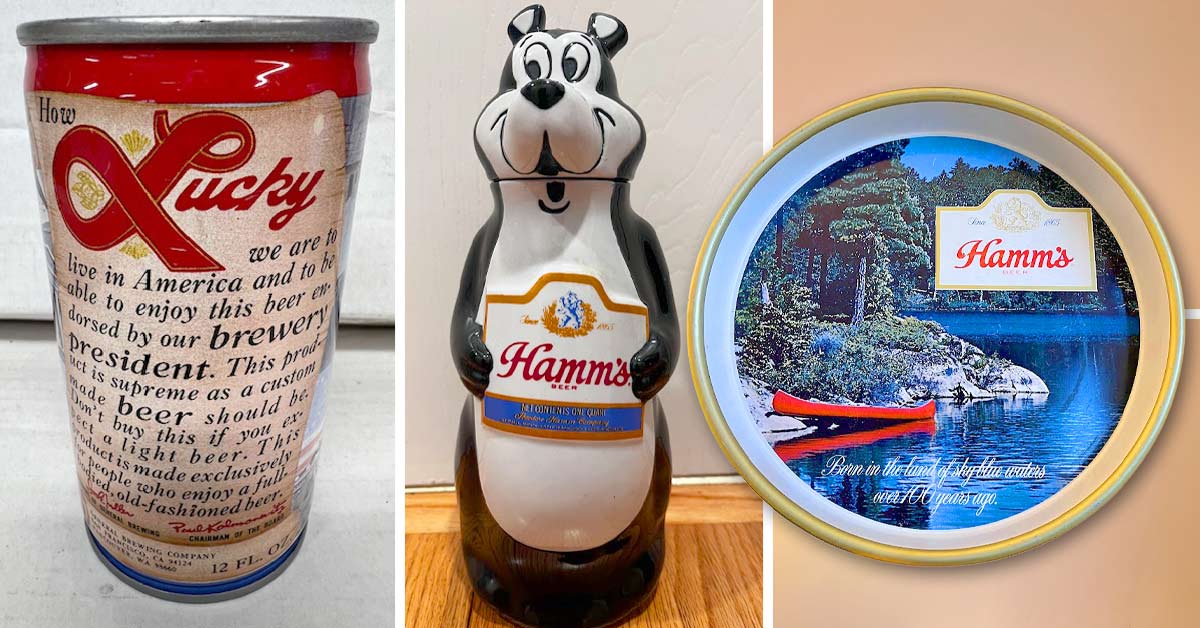
For the descendants of the Slovene-American workforce, the legacy is found in the memorabilia—the vintage trays, calendars, and promotional items—that remain in family basements. It is a reminder that the "Golden Door" of the West Coast was often opened not by gold mines, but by the steady, dignified work of the industrial brewery.