admin
The landscape of high-end publishing has undergone a significant transformation, moving beyond mere decorative appeal to embrace rigorous scholarship and archival preservation. In the 2026 editorial cycle, leading global publishing houses including Assouline, Phaidon, Taschen, and Rizzoli have released a series of monographs and surveys that redefine the "coffee table book" as a critical design object. These volumes represent a convergence of tactile craftsmanship and intellectual depth, spanning disciplines from mid-century modernism and avant-garde architecture to culinary heritage and the centennial histories of iconic media institutions. As digital fatigue continues to drive interest in physical media, these titles serve as both aesthetic anchors in residential interiors and vital records of creative culture.

The Evolution of the Monograph: Architectural and Design Perspectives
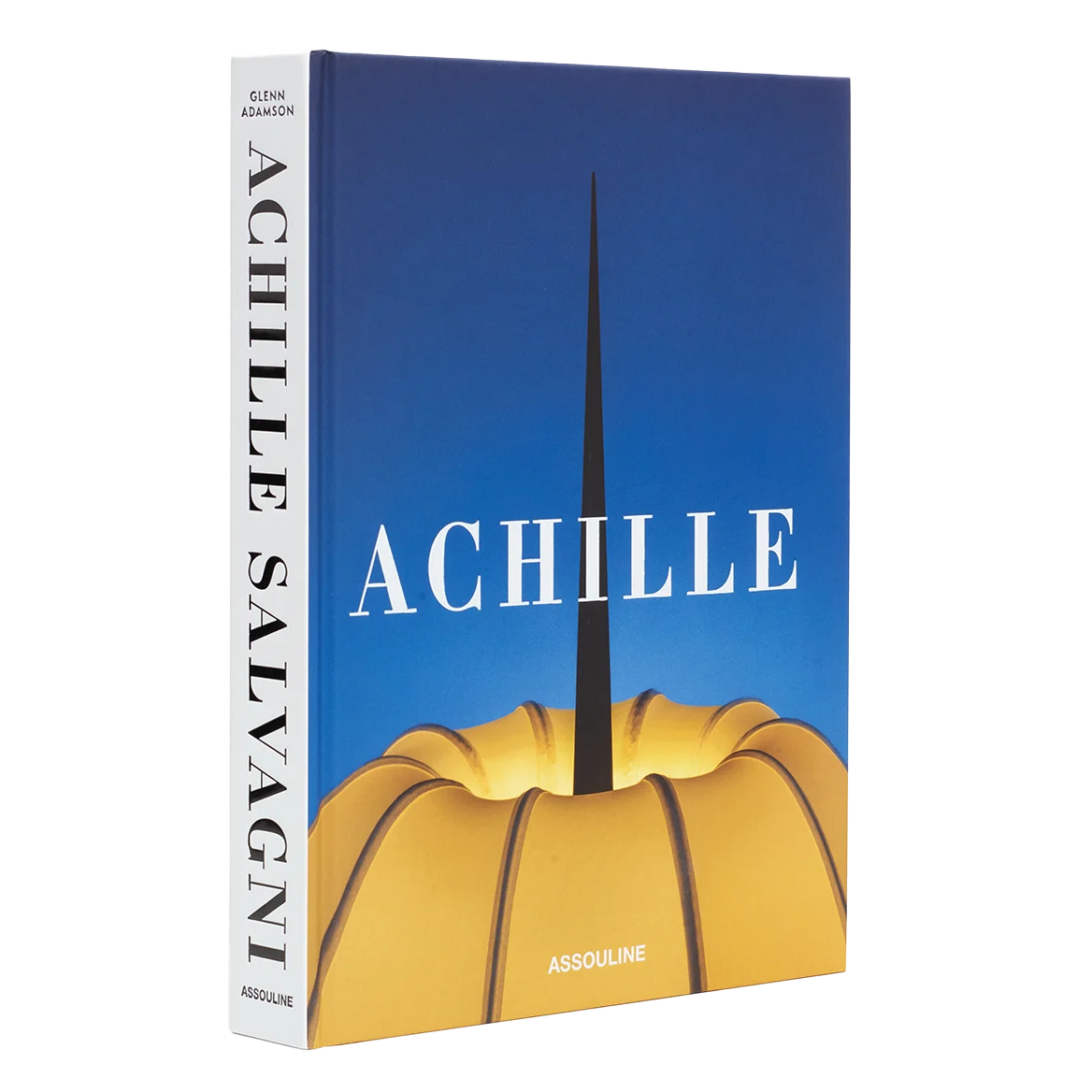
The current publishing season is highlighted by several major monographs that explore the intersection of classical tradition and contemporary innovation. A standout among these is Achille by Glenn Adamson, published by Assouline. This 336-page volume provides a definitive look at the career of Italian designer Achille Salvagni. Adamson, a renowned design historian, utilizes 246 illustrations to detail Salvagni’s mastery of materials such as bronze, onyx, and rare woods. The book serves as a case study in how furniture can transcend utility to become sculpture, documenting a creative process where classical Roman references are filtered through a modern lens.

Similarly, the architectural world has turned its attention to the career of Sou Fujimoto. Taschen’s Fujimoto: Complete Works 1994–Today, authored by Philip Jodidio, is a 464-page oversized volume that chronicles three decades of experimental practice. The book arrives ahead of the highly anticipated Expo 2025 Osaka, where Fujimoto’s "Grand Ring" is set to become a defining landmark. By documenting projects such as the Serpentine Gallery Pavilion and L’Arbre Blanc, the publication offers a comprehensive analysis of how Fujimoto blurs the boundaries between the built environment and the natural world. This release reflects a broader industry trend toward "complete works" volumes that serve as academic resources as much as visual surveys.

In the realm of interior design, Phaidon’s Defining Style: The Book of Interior Design by Joan Barzilay Freund provides an analytical framework for understanding residential aesthetics. The volume examines 25 distinct design styles through the lens of 150 global interiors. By featuring the work of contemporary figures like Studio Shamshiri and Vincenzo De Cotiis alongside 260 illustrations, Freund provides a taxonomy of modern living that aids both professionals and enthusiasts in navigating the complexities of domestic space.

Historical Legacies and Centennial Milestones
The year 2026 marks a pivotal moment for legacy media, with several publications celebrating centennial anniversaries. The New Yorker: From Cover to Cover, edited by Françoise Mouly, documents 100 years of the magazine’s visual identity. With an introduction by editor-in-chief David Remnick, the 336-page collection analyzes how cover art has functioned as a cultural barometer. Featuring artists from Saul Steinberg to David Hockney, the book provides a chronological history of American illustration and social commentary.

Parallel to this, the Parisian institution Cahiers d’Art celebrates its own century of influence. Cahiers d’Art: A Century of Modernism, by Daniel Birnbaum and Cécile Debray, explores the journal’s role in championing modern masters like Picasso, Matisse, and Duchamp. The book’s 200 illustrations and archival materials offer a rare look at the editorial decisions that helped define the 20th-century art canon. These centennial volumes suggest that the coffee table book is increasingly being utilized as a "museum in print," preserving the history of institutions that might otherwise be obscured by the ephemeral nature of digital archives.

The mid-century movement also receives a comprehensive update in Phaidon’s Mid-Century Modern Designers by Dominic Bradbury. By profiling 300 figures—ranging from household names like the Eameses to marginalized talents in textiles and ceramics—the book expands the traditional narrative of modernism. This focus on inclusivity and deep-archive research highlights a shift in design history toward more holistic and representative storytelling.

The Luxury Market and High-Value Collectibles
The upper echelon of the publishing market continues to push the boundaries of bookmaking as a craft. Assouline’s Porsche: The Impossible Collection by A.J. Baime represents the pinnacle of this trend. Priced at $1,400, the volume is handcrafted in Italy and housed in a padded clamshell case featuring a recessed metal image of the Porsche 917K. This publication is not merely a book but a collector’s item, documenting 100 defining moments in the brand’s history. The inclusion of archival photography and design sketches serves the dual purpose of brand heritage preservation and luxury positioning.

This "Impossible Collection" series underscores a significant data point in the publishing industry: the rise of the ultra-premium segment. As standard trade books face competition from e-readers, luxury publishers have pivoted toward oversized, handcrafted editions that emphasize materiality and exclusivity. These books are designed to appreciate in value, much like the automotive or horological assets they document.

Intersections of Nature, Science, and Art
The resurgence of botanical and natural history in art publishing is exemplified by Wild Flowers of North America. Published in association with the Smithsonian Institution, this volume brings together over 250 botanical studies by Mary Vaux Walcott, originally produced in 1925. The book represents a bridge between scientific documentation and fine art, showcasing the watercolor techniques used to record North American flora before the dominance of color photography.

In a more contemporary vein, Rainbow Dreams: Color and Light in Contemporary Art by Olga Rei and Valentine Uhovski explores the use of the spectrum in modern installations. Featuring over 100 artists, including Yayoi Kusama and Olafur Eliasson, the book itself functions as a color study, with a seamless gradient wrapping around its edges. These titles indicate a growing market for books that offer sensory experiences through advanced printing techniques and thoughtful curation of color theory.

Lifestyle, Culinary Heritage, and Cultural Identity
The 2026 selection also highlights the role of the coffee table book in documenting specialized lifestyles and culinary traditions. The Art of Korean Cooking by the Onjium research institute is a notable example of how food culture is being elevated to the status of high art. Pairing 80 recipes with historical essays, the book treats Korean cuisine as a craft of the same caliber as architecture or painting. This follows a broader trend of Michelin-starred institutions publishing "heritage volumes" that focus on the cultural philosophy behind the plate.

In contrast, Levain Bakery: A Story of Friendship, Community, and Cookies and Après Ski by Erin Isakov explore the social and communal aspects of design and food. While Levain focuses on the 30-year history of a New York institution, Après Ski examines the aesthetics of alpine living. Both books suggest that coffee table literature is increasingly moving into the "anthropology of joy," documenting the rituals and environments that define specific social niches.

The Digital-Physical Synthesis and Future Implications
Industry analysts note that the continued success of these high-production-value books is a direct response to the "flattening" of imagery on social media platforms. While platforms like Instagram and Pinterest offer a constant stream of visual data, they lack the narrative structure and tactile permanence of a curated volume.

The Life Photo Book by Printworks represents an interesting hybrid in this space. By providing a high-quality, minimalist framework for personal photographs, it encourages consumers to treat their own lives with the same editorial rigor as a professional monograph. This "DIY curation" reflects a desire among consumers to reclaim their personal histories from digital clouds and return them to the physical realm.

Furthermore, interactive titles like David Rosenberg’s Art Game Book indicate that publishers are experimenting with engagement. By incorporating quizzes and puzzles into a luxury format, the book challenges the "passive" nature of the coffee table book, turning it into a tool for active learning and social interaction.

As the 2026 publishing season progresses, the broader impact of these works is clear: the coffee table book has evolved into a sophisticated medium for cultural critique and heritage preservation. Whether through the $1,400 craftsmanship of a Porsche tribute or the $40 exploration of contemporary color, these volumes serve as essential artifacts. They provide a necessary counterweight to the digital age, offering a permanent, physical record of human creativity across art, design, and history. The diversity of the current selection suggests that as long as there is a desire for deep focus and aesthetic beauty, the physical book will remain a central pillar of the modern home.