admin
The Cheesecake Factory Incorporated has reported a landmark performance for the third quarter of the fiscal year, characterized by a significant surge in guest traffic and record-breaking financial metrics that defy typical seasonal industry trends. During a period traditionally regarded as the casual dining sector’s slowest quarter, the company achieved annualized average unit volumes (AUV) exceeding $13.9 million. This performance was underpinned by a 15.2 percent increase in same-store sales and a 9.5 percent growth in guest traffic, a figure that outperformed the Black Box casual-dining index by an extraordinary 940 basis points.
The results signal a robust recovery and a strategic pivot toward modern consumer engagement. The company’s ability to leverage organic social media momentum, particularly among younger demographics, has transformed temporary viral trends into a sustained "sales flywheel." With total revenue surpassing $1.033 billion for the second consecutive record-breaking quarter, the brand is positioning itself as a leader in the post-pandemic casual dining landscape, focusing on operational excellence and digital integration to maintain its upward trajectory.
The Social Media Catalyst and Demographic Evolution
A primary driver of the third-quarter success was the brand’s unexpected resonance on social media platforms like TikTok and Instagram. Unlike traditional marketing campaigns, this growth was largely organic, fueled by younger consumers discovering the brand’s extensive menu and unique dining environment. CFO Matthew Clark noted during the earnings call that a substantial percentage of new guests skew younger, a demographic shift that provides the company with a fresh opportunity to build long-term brand equity.
The "viral" nature of the brand’s recent success was epitomized by the Cajun Salmon entrée. While an existing menu staple, the dish gained immense popularity through social media customization "hacks," where users shared their specific modifications and pairing suggestions. This digital visibility did more than just sell salmon; it acted as a gateway for new diners who, once inside the restaurant, often brought companions who ordered established favorites such as Chicken Madeira and Avocado Eggrolls.
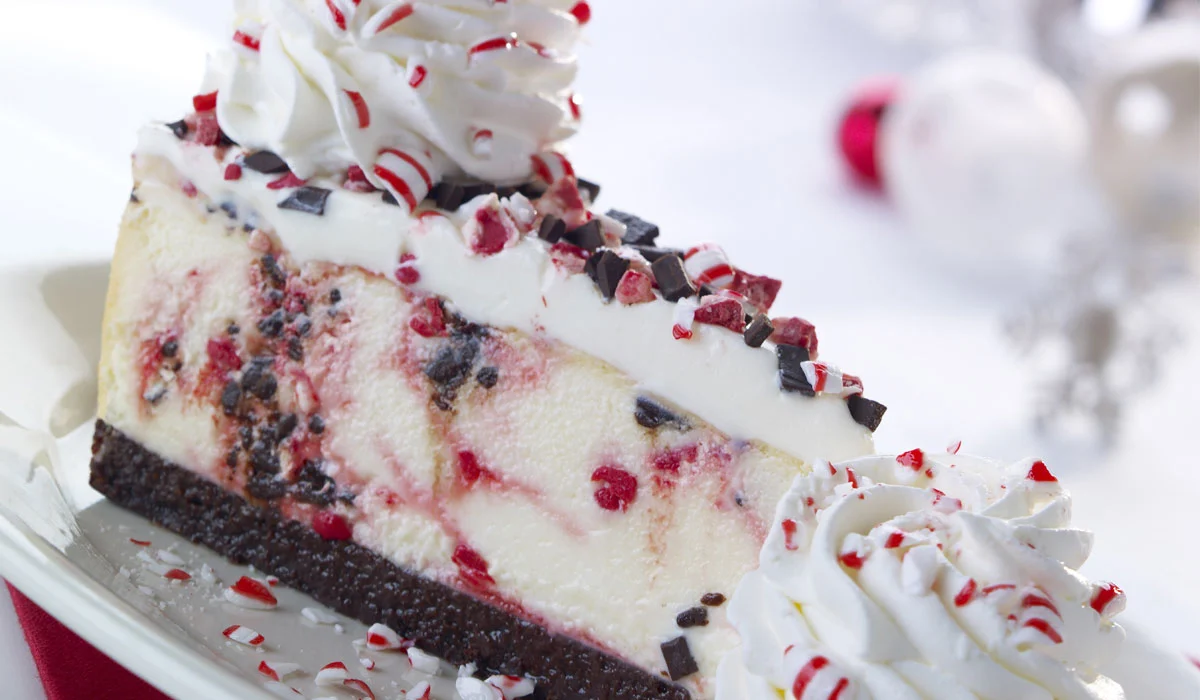
The company recorded a 3.3 percent positive sales mix during the quarter, indicating that guests are not only visiting more frequently but are also opting for higher-priced items and premium additions. While the Cajun Salmon—positioned at the upper end of the entrée price tier—contributed to this mix, the company also observed an increase in alcohol consumption and maintained an all-time high in "cheesecake incidence," meaning a record number of diners are finishing their meals with the brand’s namesake dessert.
Operational Excellence and Financial Fortification
The Cheesecake Factory’s financial health in the third quarter extended beyond top-line revenue. The company reported an adjusted EBITDA of $98.7 million, representing a 38 percent increase compared to the previous year. At the flagship concept level, restaurant profit margins expanded by 240 basis points to reach 18.7 percent. This margin expansion was achieved despite the inflationary pressures that have plagued the broader restaurant industry over the past 24 months.
Efficiency in labor management played a critical role in these gains. Labor costs as a percentage of companywide sales declined by 80 basis points. This was not achieved through staffing cuts, but rather through "sales leverage"—the ability to spread fixed and semi-variable labor costs across a much larger volume of transactions. To ensure that the increased workload did not compromise service quality, the company reinvested approximately $4 million into the business via one-time discretionary bonuses for frontline restaurant managers. This move was designed to reward performance and ensure leadership stability during a period of high-intensity growth.
President David Gordon emphasized that the company’s priority is to ensure the surge in traffic does not result in a "one-and-done" experience. By maintaining high service standards and investing in staff retention, the company aims to convert social media "triers" into loyal, repeat guests.
The Digital Flywheel: Rewards and App Integration
Central to the company’s strategy for sustained growth is the "Cheesecake Rewards" program and its accompanying mobile application, which saw a full-scale launch in the second quarter. The digital platform has become a cornerstone of the brand’s guest engagement strategy, providing a direct channel for communication and personalized offers.
Since the app’s introduction, the rate of weekly rewards member acquisition has doubled. Data analyzed by the company suggests that rewards participants visit the restaurants more frequently than non-members and have a higher lifetime value. The app also streamlines the digital ordering process, which supports the company’s off-premises business. During the third quarter, off-premises sales—including takeout and delivery—remained steady at approximately 21 percent of total sales, proving that the brand’s appeal remains strong outside the traditional dining room setting.
The company plans to use the data gathered through the rewards program to further refine its marketing efforts, moving away from broad promotions toward highly targeted, data-driven incentives that encourage visits during specific dayparts or for specific menu launches.
Portfolio Diversification: Flower Child and North Italia
While the flagship Cheesecake Factory brand remains the primary revenue driver, the company’s subsidiary brands, Flower Child and North Italia, represent significant components of its long-term growth strategy.
Flower Child, the company’s fast-casual-plus concept focusing on healthy, customizable bowls and salads, emerged as a standout performer in the third quarter. The brand posted an 11 percent increase in same-store sales and an 18 percent increase on a two-year basis. With annualized AUVs reaching $5.1 million and a restaurant-level profit margin of 20.2 percent, Flower Child has become an attractive vehicle for expansion. The company expects to open between 11 and 13 Flower Child locations next year, with construction costs estimated at $2.8 million to $3 million per unit.
Conversely, North Italia faced a more challenging quarter, with same-store sales declining by 3 percent. The brand’s profit margins also saw a contraction to 13.2 percent due to sales deleverage. In response, the company is implementing a turnaround strategy for North Italia that includes:
- Menu Engineering: Introducing more "accessible" price points to appeal to value-conscious diners.
- Happy Hour Refresh: Adding new shareable dishes and beverage options to drive mid-day and early-evening traffic.
- Technological Investment: Rolling out new kitchen technology to improve order coordination and throughput, ensuring faster service during peak periods.
- Targeted Marketing: Increasing media investment in specific markets to test whether heightened brand awareness can drive trial visits.
Future Development and Smaller Footprint Innovations
Looking ahead, The Cheesecake Factory has outlined an ambitious development pipeline. By 2027, the company projects annual revenue will reach approximately $4.425 billion. The expansion strategy involves opening as many as 27 new restaurants across the portfolio in 2027, with a heavy concentration of these openings scheduled for the second half of the year.
A notable shift in the company’s real estate strategy is the exploration of smaller restaurant footprints. Historically, Cheesecake Factory locations have been large, high-volume spaces often exceeding 10,000 square feet. However, a recent opening in Wichita, Kansas, utilized a 6,500-square-foot model. This smaller format allows the company to enter markets or specific real estate developments that were previously inaccessible due to size constraints.
David Gordon noted that while development depends on site availability, the smaller footprint provides the brand with more flexibility. This model also potentially offers higher efficiency, as it requires lower initial capital investment and can be operated with a more streamlined staff, all while maintaining the high AUVs that define the brand.
Industry Implications and Strategic Outlook
The Cheesecake Factory’s third-quarter results offer a compelling case study in how a legacy brand can successfully navigate a shifting cultural and economic landscape. By embracing organic social media trends rather than attempting to manufacture them, the company has lowered its customer acquisition costs while reaching a younger, more diverse audience.
The 940-basis-point outperformance of the casual-dining index suggests that The Cheesecake Factory is gaining market share from competitors who may be struggling with declining traffic or brand fatigue. The company’s "Everybody and Nobody" competitive philosophy—positioning itself as a unique destination that competes with all dining categories but is replicated by none—appears to be resonating more strongly than ever.
As the company moves into the fourth quarter, it has projected revenue between $1.04 billion and $1.05 billion. With a solid balance sheet, a growing loyalty base, and a diversified portfolio of brands, The Cheesecake Factory is demonstrating that even in a "slow" quarter, operational excellence and cultural relevance can drive record-breaking results. The focus now remains on execution: ensuring that the millions of guests drawn in by a viral salmon dish or a TikTok video find a level of service and quality that brings them back for years to come.