admin
admin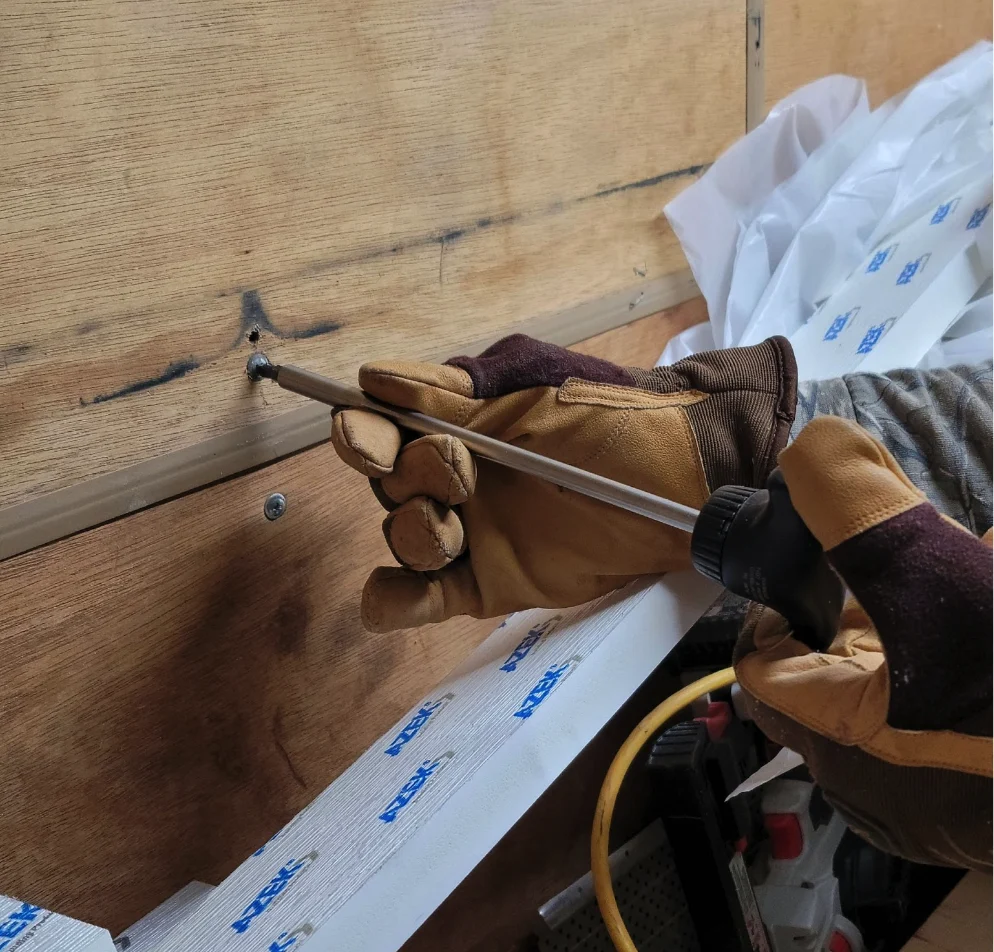
The manual hand tool industry has witnessed a significant technological shift toward ergonomic optimization and mechanical efficiency, a trend underscored by the release of the 2026 performance ratings for ratcheting screwdrivers. As precision engineering becomes increasingly accessible to the average consumer, the distinction between professional-grade equipment and DIY tools has narrowed. A comprehensive evaluation of the year’s leading models reveals that the modern ratcheting screwdriver is no longer a simple luxury but a critical component for high-torque applications in automotive repair, furniture assembly, and household maintenance. By utilizing a gear-and-pawl mechanism, these tools allow operators to maintain constant contact with fasteners, significantly reducing the physical strain associated with repetitive wrist motions.
The 2026 Evaluation Framework and Methodology
To determine the performance benchmarks for the current market, a series of rigorous controlled tests were conducted on the bestselling models of the year. The testing protocol focused on three primary metrics: torque delivery, mechanical durability, and ergonomic sustainability.
Testers subjected each tool to varying resistance levels by driving fasteners into wood of three distinct densities. Pine was utilized to represent softwoods commonly found in basic construction; ash was selected for its medium-density characteristics typical of mid-range furniture; and walnut was used to simulate the high-resistance environment of hardwoods. This hierarchy allowed for a precise assessment of the ratcheting mechanisms under extreme pressure. Furthermore, the directional collars—the components responsible for switching between tightening, loosening, and locked positions—were tested for tactile feedback and resistance to accidental shifting.
The selection process also prioritized versatility, specifically examining the integration of onboard bit storage and the compatibility with standard 1/4-inch hex bits. Tools that utilized proprietary bit designs were penalized in the rankings due to their limited utility in long-term maintenance scenarios.
Leading Performers in the 2026 Market
Wera Kraftform Kompakt 27 RA 2 SB: The Gold Standard for Ergonomics
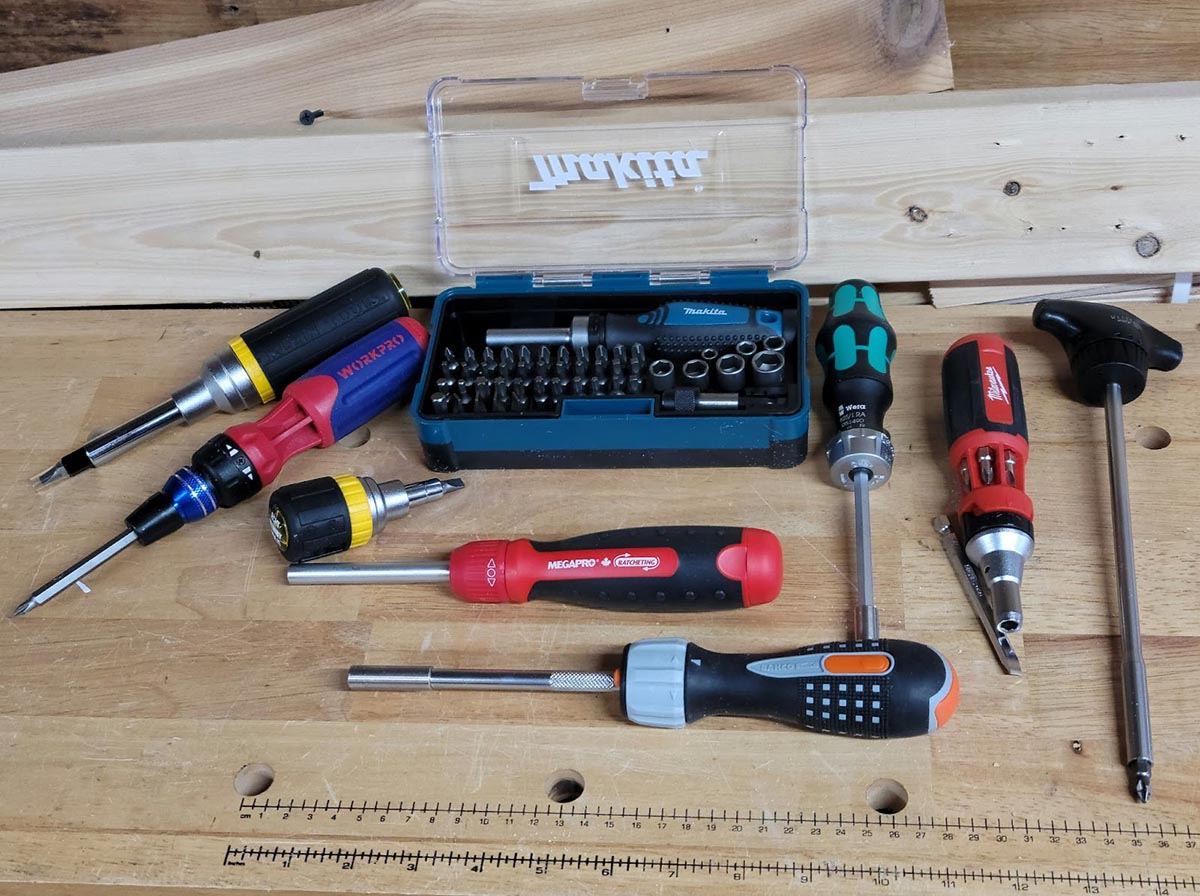
The Wera Kraftform Kompakt emerged as the premier choice for both professional contractors and serious hobbyists. The tool’s defining feature is its "Kraftform" handle, a design based on the contours of the human hand to maximize contact surface area. During testing, this resulted in superior torque transfer with minimal skin friction. The 2026 model features a refined ratcheting action with a minimized return angle, allowing for efficient use in confined spaces. The integrated bit magazine, which deploys at the press of a button, ensures that six essential bits are always within reach, while the high-strength magnetic bit holder prevents fastener loss during vertical applications.
Megapro Multi-Bit Ratcheting Driver: Industrial Torque Capacity
Ranked as the runner-up for 2026, the Megapro model distinguished itself through its heavy-duty construction. Unlike more compact models, the Megapro utilizes a larger handle diameter, which provides a mechanical advantage for users requiring maximum leverage. Its unique "palm-saver" cap rotates independently of the handle, allowing the user to apply significant downward pressure with one hand while twisting with the other. This model is particularly favored in industrial settings due to its 12-bit capacity, though testers noted that the lack of a magnetic tip in the primary shaft could be a drawback in certain precision environments.
Milwaukee 10-in-1 Square Ratcheting Driver: Multi-Trade Integration
Milwaukee continues to dominate the "multipurpose" category by integrating trade-specific features into their hand tools. The 10-in-1 model includes a built-in wire stripper and loop maker, positioning it as an essential tool for residential electricians. The 2026 iteration features chrome-plated bits for superior rust resistance and a reinforced all-metal ratcheting system. Analysts noted that Milwaukee’s decision to use 3.5-inch power groove bits allows for greater reach than standard 1-inch bits, although this increases the overall tool length.
Makita 49-Piece Ratchet and Bit Set: The Versatility Leader
For users requiring a comprehensive solution for diverse fasteners, the Makita 49-piece kit provides the highest value. While the screwdriver itself does not feature onboard storage, the inclusion of a specialized socket set and an array of Torx, Hex, and Square bits makes it a "glovebox essential" for automotive enthusiasts. The 2026 set is housed in a high-impact polymer case designed for organization and portability, addressing the common industry problem of lost bits.
Technical Evolution: From the "Yankee" to Modern Gear Systems
The chronology of the ratcheting screwdriver is rooted in late 19th-century industrialism. The first widely successful model, the "Yankee" screwdriver, was patented by North Bros. Mfg. Co. in 1895. These early spiral-drive tools relied on a push-to-rotate mechanism. However, the modern market has shifted almost entirely toward the gear-and-pawl system found in the 2026 winners.
This mechanical evolution is driven by the demand for "fine-tooth" ratchets. A higher tooth count within the internal gear allows for a smaller "swing arc." In practical terms, a tool with a 72-tooth gear requires only a 5-degree turn to engage the next tooth, making it indispensable for modern cabinetry and engine bays where space is at a premium. The 2026 testing data indicates that premium brands like Wera and Williams have successfully hardened these internal gears to withstand over 50 Newton-meters of torque, a threshold previously reserved for dedicated socket wrenches.
Material Science and Bit Durability
A critical component of the 2026 tool assessment involved the metallurgical analysis of the driver bits provided with each kit. The industry has largely moved away from basic Carbon Steel in favor of S2 Tool Steel or Chrome Vanadium (Cr-V).
| Material Type | Durability Rating | Best Use Case |
|---|---|---|
| S2 Tool Steel | High | High-torque impact and manual driving; resists shattering. |
| Chrome Vanadium | Medium-High | General purpose; excellent corrosion resistance. |
| Carbon Steel | Low | Light-duty household tasks; prone to rounding. |
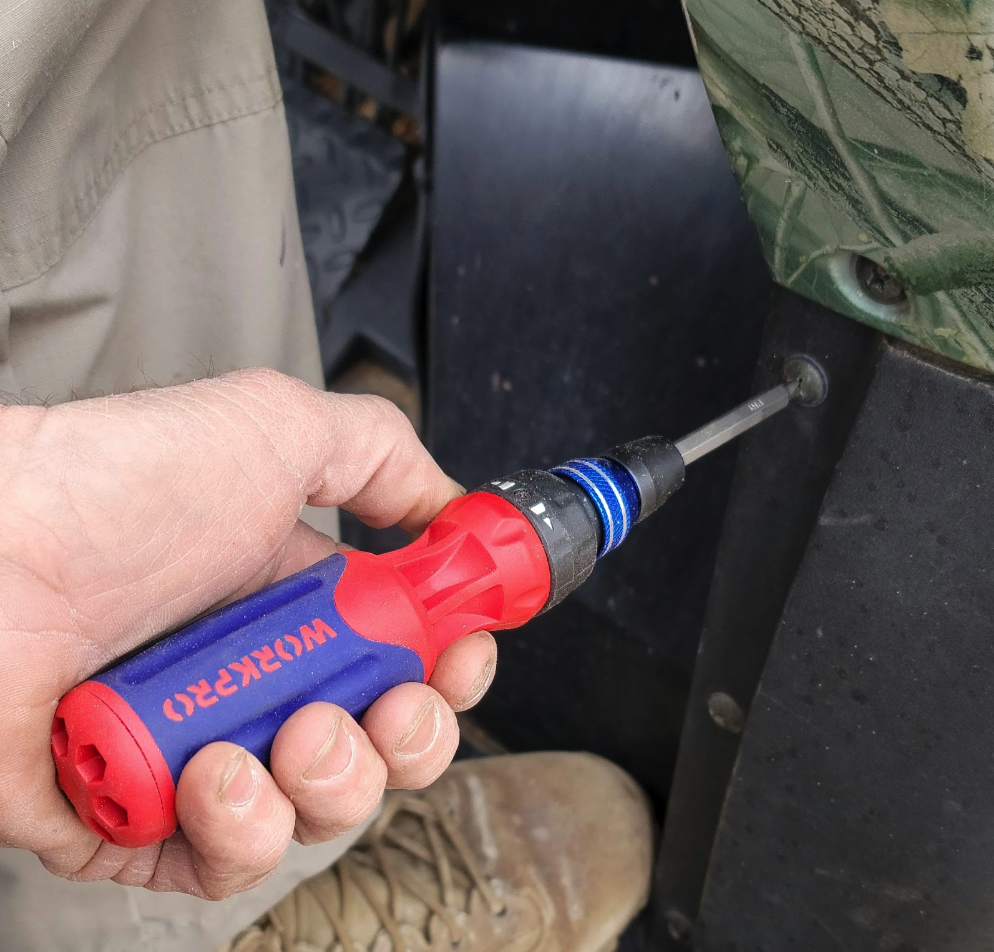
The 2026 "Top Picks" all utilized S2 or high-grade Cr-V bits. Data suggests that bits made from these materials last up to five times longer than generic alternatives under high-load conditions. The WorkPro and Milwaukee models specifically featured hardened tips that showed zero signs of deformation after being driven into walnut hardwood, a testament to the advancements in consumer-grade metallurgy.
Market Implications and Professional Sentiment
The rise of high-quality ratcheting screwdrivers reflects a broader shift in the global tool market. According to recent industry reports, the global hand tools market is projected to grow at a CAGR of 4.3% through 2030, driven largely by the "Right to Repair" movement and the increasing popularity of home renovation projects.
Professional tradespeople have expressed a growing preference for multi-bit ratcheting tools over traditional fixed-blade sets. "The efficiency gain of not having to swap tools or reset your grip is measurable over the course of a workday," noted one industrial consultant involved in the review. "When you factor in the reduction in carpal tunnel strain, the ROI on a premium ratcheting driver becomes clear."
However, the 2026 tests also issued a cautionary note regarding "budget" entries into the market. Brands that attempted to cut costs by using plastic directional collars or proprietary bit formats—such as the Klein Tools models tested—failed to meet the durability standards required for heavy-duty use. The failure of these mechanisms under high-torque loads serves as a reminder that the internal integrity of the ratcheting gear is the most vital component of the tool.
Conclusion: The Future of Manual Fastening
As we look toward the remainder of the decade, the ratcheting screwdriver is expected to incorporate even more advanced materials, such as carbon-fiber reinforced handles and titanium-coated bits. For 2026, the market is defined by a commitment to ergonomic health and mechanical precision.
The Wera Kraftform and Megapro models stand as the current pinnacle of this evolution, offering a blend of comfort and power that was once unavailable in a manual hand tool. For consumers, the message from the 2026 testing cycle is clear: investing in a tool with a robust internal mechanism and high-quality bit steel is essential for both the longevity of the tool and the success of the project. Whether navigating the tight confines of a server rack with a MulWark mini-ratchet or driving structural screws with a Williams T-handle, the modern user is now equipped with more torque and better control than ever before.