admin
admin
The evolution of outdoor gear has transitioned from simple utilitarian tools to highly specialized equipment designed to withstand the most rigorous environmental conditions. Within this landscape, the Yeti LoadOut GoBox series has emerged as a significant departure from the brand’s traditional focus on thermal insulation. While Yeti built its reputation on ice retention and high-performance coolers, the GoBox line—specifically the 15 and 30 models—represents a strategic move into the "gear case" category. These units are engineered not to keep items cold, but to keep them dry, organized, and protected from mechanical impact, dust, and moisture infiltration. Recent field evaluations of the GoBox 15 and GoBox 30 have demonstrated that these cases meet stringent international protection standards, positioning them as essential hardware for professionals and outdoor enthusiasts alike.
The Engineering Behind the GoBox Series
To understand the performance of the Yeti GoBox, one must examine the technical specifications and the materials used in its construction. Unlike standard plastic storage bins found in hardware stores, the GoBox utilizes a high-impact resistant shell designed to endure the vertical and lateral pressures associated with transport in truck beds, maritime vessels, and off-road vehicles.
The GoBox 15, the most compact in the lineup, is designed for portability and quick access. Retailing at approximately $125, it is tailored for the storage of essential electronics, first-aid kits, and high-value tools. The larger GoBox 30, priced near $250, serves as a comprehensive gear locker, featuring a removable tray and a central divider to manage a larger volume of equipment. Both models utilize Yeti’s "Defender Seal," a gasket system that ensures a hermetic-like closure, and "NeverFail" hinge systems that prevent the lid from detaching under stress.
Empirical Testing: Submersion and Durability
The efficacy of the GoBox series was recently put to the test through a series of rigorous field trials designed to simulate real-world failure points. The evaluation process was divided into three distinct phases: mechanical stress, structural integrity during inversion, and environmental exposure.
In the initial phase, the units were subjected to standard abuse, including being dropped from transport heights and rolled onto their sides and tops. In many lower-tier storage solutions, such impacts often result in "latch failure," where the internal pressure of the contents forces the lid open. The GoBox’s latches, however, remained secured, maintaining the seal’s integrity.
The second phase of testing involved a deliberate submersion test. Testers attached retrieval lines to both the GoBox 15 and 30 and threw the units into a lake. This was intended to simulate a boating accident or a flood scenario at a campsite. Upon retrieval, the interior of both cases remained completely dry. This successful resistance to water ingress is a direct result of the cases meeting IP65 and IP67 international standards.
Understanding IP65 and IP67 Ratings
A critical component of the GoBox’s value proposition is its adherence to Ingress Protection (IP) ratings. These ratings provide a standardized scale for the effectiveness of electrical enclosures against moisture and foreign objects.
The "6" in both ratings indicates that the GoBox is "dust-tight," offering complete protection against dust contact over extended periods. The "5" in IP65 signifies protection against low-pressure water jets from any direction. More impressively, the "7" in IP67 indicates that the case can withstand complete immersion in water up to one meter deep for at least 30 minutes. For photographers carrying thousands of dollars in camera bodies or anglers carrying specialized electronic tackle, these ratings represent a quantified insurance policy against gear loss.
Strategic Market Positioning: Storage vs. Insulation
A common point of confusion among consumers is the distinction between the GoBox and Yeti’s flagship Tundra or Roadie coolers. It is a vital distinction: the GoBox is not an insulated cooler. Yeti’s official documentation explicitly states that these units should not be filled with ice or used for long-term perishable food storage.
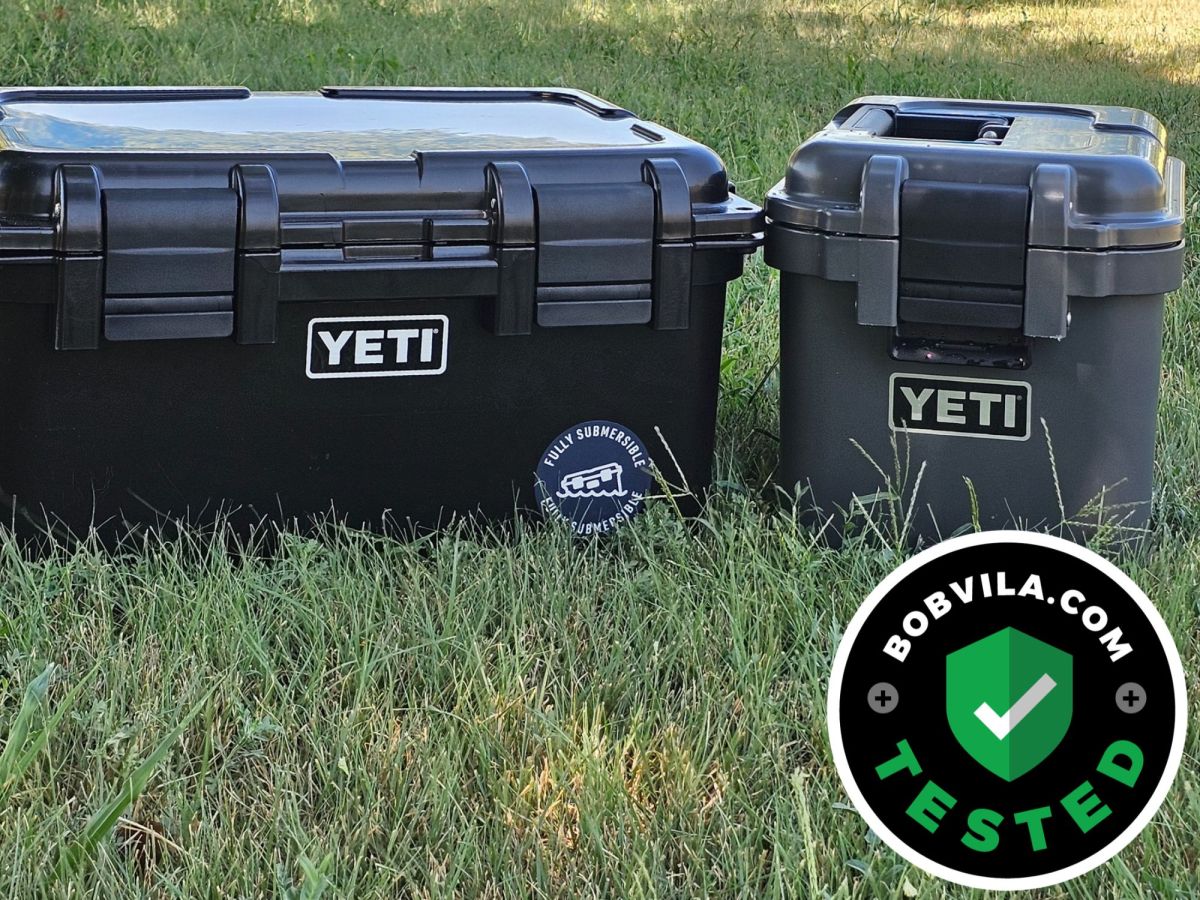
The absence of insulation is a deliberate design choice. By omitting the thick polyurethane foam walls required for ice retention, Yeti has maximized the internal volume of the GoBox, allowing for more efficient gear storage. The GoBox is intended to protect "dry goods"—ammunition, camp kitchen supplies, dry ingredients, power tools, and sensitive electronics. For users requiring both protection and refrigeration, the GoBox is designed to be used in tandem with Yeti’s soft coolers or insulated lunch boxes, which can be placed inside the GoBox for a modular storage solution.
Chronology of the Yeti Brand Expansion
The release of the LoadOut GoBox series marks a specific point in the chronology of Yeti Holdings, Inc. Founded in 2006 by Roy and Ryan Seiders, the company initially focused on the frustration of broken cooler handles and caved-in lids. After dominating the high-end cooler market, the company went public in 2018 (NYSE: YETI) and began an aggressive expansion into "adjacent categories."
The GoBox line was introduced to address the "organization gap" in the outdoor market. Before the GoBox, consumers often had to choose between flimsy, non-waterproof plastic totes or heavy, expensive military-grade flight cases. The GoBox was positioned as a middle-ground solution: more durable than a hardware store bin, but more portable and user-friendly than a specialized shipping container. This move has allowed Yeti to capture a larger share of the "overlanding" market—a rapidly growing segment of the outdoor industry focused on self-reliant long-distance travel in modified vehicles.
Organizational Utility and Internal Architecture
Beyond its protective shell, the GoBox series is designed with internal logistics in mind. The GoBox 30 includes a "Caddy" (a removable tray) and a divider system. This prevents the "bottomless pit" effect common in large storage bins, where small items like batteries, multi-tools, or lighters gravitate to the bottom under heavier gear.
The exterior of the GoBox features "AnchorPoint" tie-down slots, allowing users to secure the cases to truck beds or boat decks without blocking access to the lid. This is a critical feature for off-roaders and sailors who need to ensure their gear does not become a projectile during high-speed transit or in rough seas. Furthermore, the "Pack-and-Stack" design ensures that multiple units of varying sizes can be stacked securely, optimizing the limited vertical space in RVs and garages.
Broader Implications for the Outdoor Industry
The success of the GoBox series reflects a broader shift in consumer behavior within the outdoor and DIY sectors. There is an increasing "professionalization" of amateur gear. Modern consumers are increasingly willing to pay a premium for equipment that meets industrial or military specifications, even for recreational use.
This trend has implications for sustainability and long-term value. While a $10 plastic tote may last a single season before the lid cracks or the hinges fail, the GoBox is engineered for a multi-decade lifespan. From an environmental perspective, the "buy it once" philosophy promoted by brands like Yeti aims to reduce the volume of broken plastic equipment entering landfills.
Furthermore, the GoBox serves as a vital tool for emergency preparedness. As extreme weather events become more frequent, the demand for "bug-out" kits and waterproof emergency supplies has surged. A GoBox 15 or 30 can serve as a pre-packed emergency kit containing documents, batteries, and medical supplies that can be grabbed instantly and relied upon to remain functional even in flood conditions.
Final Analysis of Value and Performance
The Yeti LoadOut GoBox 15 and 30 are high-performance storage solutions that justify their price point through engineering rather than mere brand prestige. The lake submersion tests confirm that the Defender Seal and IP67-rated construction provide a level of security that standard storage solutions cannot match.
While the initial investment is significant—$125 for the 15-liter model and $250 for the 30-liter model—the cost-to-benefit ratio becomes clear when compared to the value of the equipment being stored. For a professional photographer, a contractor with sensitive laser levels, or an overlander in a remote environment, the GoBox is not merely a box; it is a protective barrier against the elements. As the outdoor industry continues to evolve, the GoBox series stands as a benchmark for how durability and organization can be integrated into a single, high-performance package.