admin
admin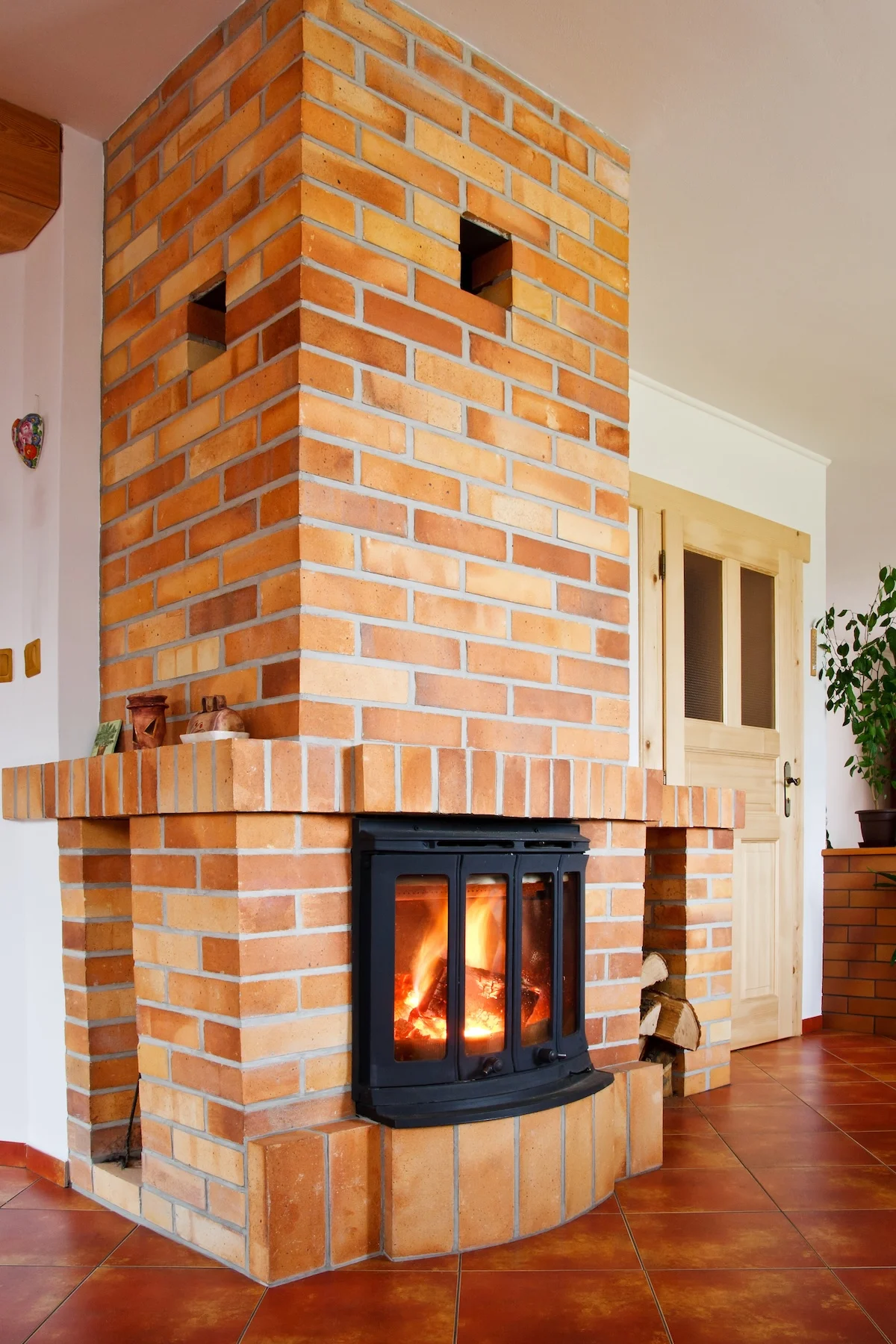
The Thermodynamics of Fireplace Inefficiency
The primary challenge of wood-burning efficiency lies in the physics of combustion and air movement. In a traditional fireplace, the fire requires oxygen to burn, which it draws from the room. As the air is heated, it rises rapidly due to buoyancy, traveling up the chimney and taking the majority of the fire’s thermal energy with it. Research indicates that traditional fireplaces operate at an efficiency rate of only 5 to 15 percent. In some cases, if the outdoor temperature is low enough, the fireplace can actually have a negative efficiency rating, meaning it cools the rest of the house faster than it warms the immediate area.
This inefficiency is exacerbated by several mechanical and behavioral factors. When a fire is not burning, a poorly sealed damper allows conditioned air to escape the home 24 hours a day. During operation, the lack of controlled airflow leads to incomplete combustion, which produces more smoke and less heat. Addressing these issues requires a multi-faceted approach involving fuel quality, mechanical upgrades, and rigorous maintenance schedules.
Identifying the Primary Culprits of Heat Loss
To improve fireplace performance, homeowners must first identify the specific factors contributing to energy waste. These range from the physical properties of the fuel used to the structural integrity of the chimney system.
The Role of Fuel Moisture Content
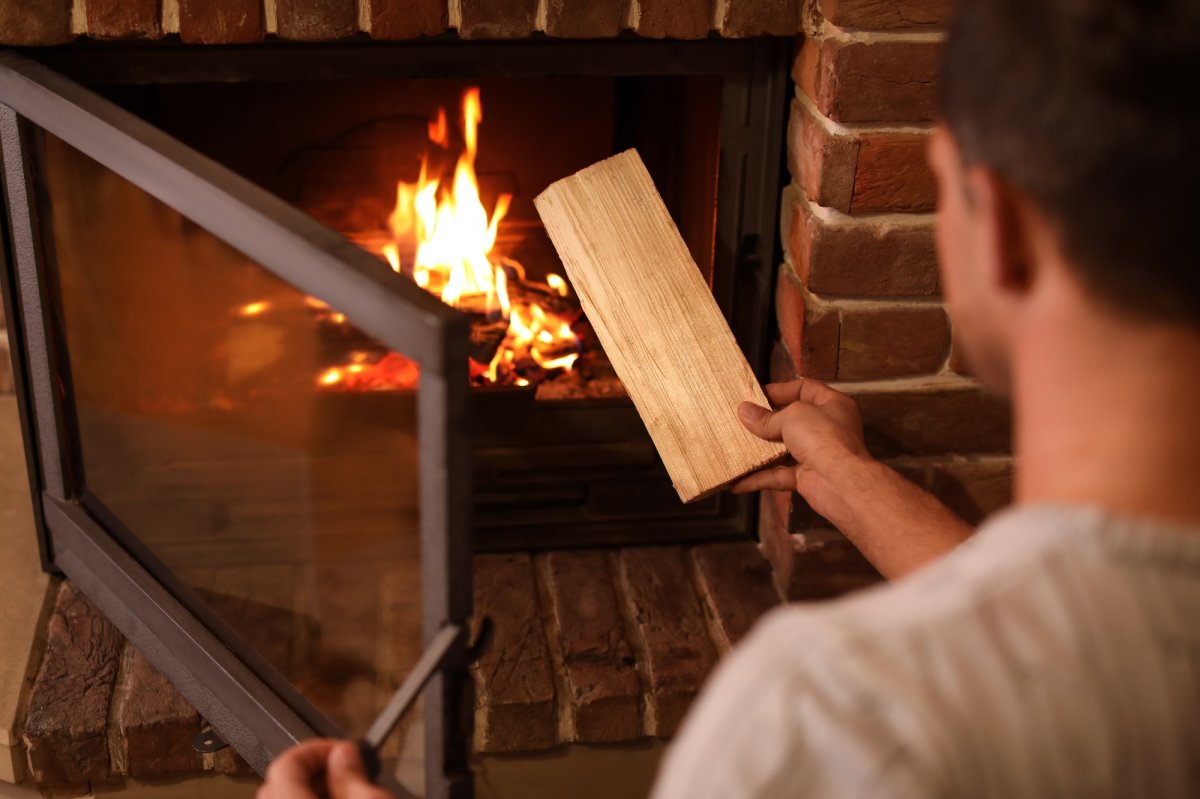
The most common cause of poor combustion is the use of "green" or unseasoned wood. Wood with a moisture content higher than 20 percent requires a significant amount of energy just to evaporate the internal water before the wood fibers can actually burn. This results in a cooler fire, excessive smoke, and the rapid accumulation of creosote. Professional energy auditors recommend the use of a digital moisture meter, such as the General Tools Pin/Pinless Moisture Meter, to ensure firewood has been properly seasoned for six to twelve months.
Wood Species and Density
The density of the wood species also dictates heat output. Hardwoods like oak, maple, and cherry have higher energy density than softwoods like pine or fir. While softwoods ignite quickly and are useful for kindling, they burn rapidly and produce less sustained heat. Hardwoods provide a longer-lasting coal bed, which is essential for maintaining consistent temperatures in the firebox.
Creosote Accumulation and Airflow Obstruction
Creosote is a highly flammable, tar-like byproduct of incomplete combustion. As smoke cools while rising through the chimney, it condenses on the flue walls. Not only does this pose a severe fire hazard, but it also narrows the flue, restricting the draft and further reducing combustion efficiency. The National Fire Protection Association (NFPA) reports that "failure to clean" is a leading factor in home heating fires, accounting for a significant percentage of chimney-related incidents annually.
Technical Upgrades to Enhance Thermal Output
For homeowners not ready to replace their entire system, several retrofitting options can significantly improve the heat-exchange capabilities of a traditional fireplace.
Fireplace Inserts: The Gold Standard for Retrofitting
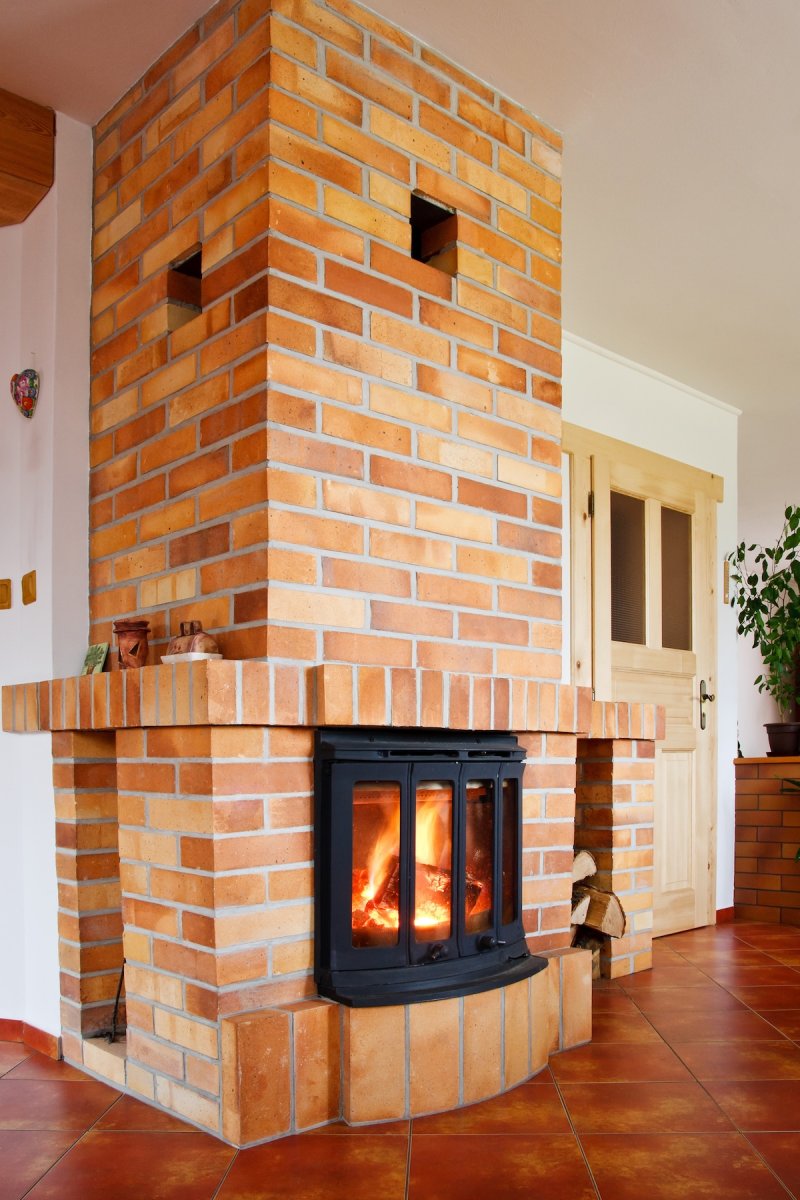
A fireplace insert is essentially a wood stove designed to fit into an existing masonry firebox. These units are sealed with heat-proof glass doors and often include blowers that circulate warm air into the room. According to the EPA’s Burn Wise program, certified wood-burning inserts can improve efficiency to approximately 65 to 80 percent. This upgrade effectively transforms a decorative feature into a functional primary or secondary heating appliance.
Heat-Reflective Firebacks and Glass Doors
A more accessible upgrade involves the installation of a fireback—a heavy plate of cast iron or stainless steel placed at the rear of the firebox. This plate absorbs heat and radiates it back into the living space rather than allowing the masonry to absorb it. Similarly, tempered glass doors can be closed when the fire is dying down to prevent the chimney from sucking warm air out of the house overnight, a common issue with open hearths.
Strategic Damper Management
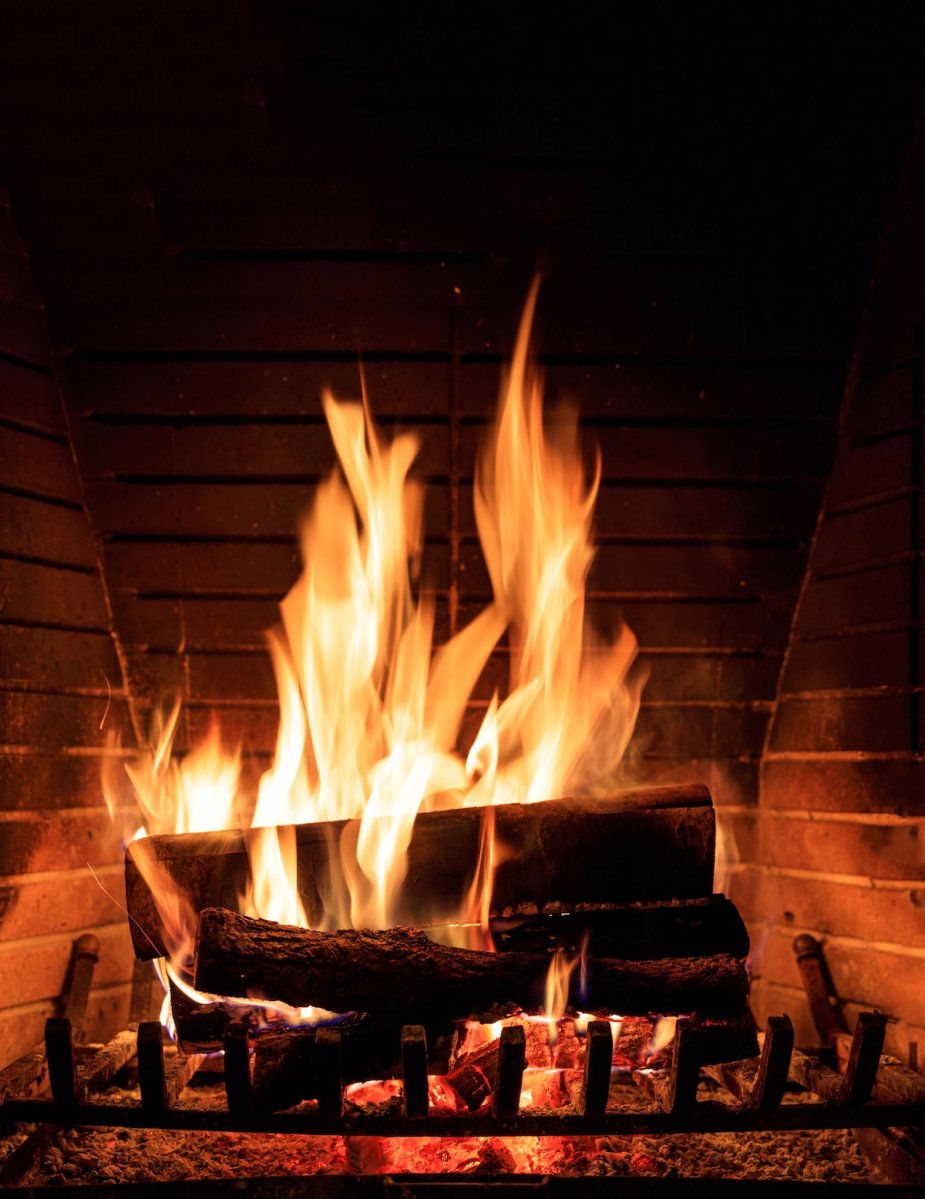
The damper is the primary valve for a chimney. Modern top-sealing dampers, which sit at the very top of the chimney stack, provide a much tighter seal than traditional throat dampers. By managing the damper strategically—opening it fully for ignition and narrowing it once a stable coal bed is established—homeowners can slow the rate of heat loss without causing smoke to back up into the room.
A Chronology of Professional Fireplace Maintenance
To ensure long-term efficiency and safety, industry experts recommend a standardized annual timeline for fireplace care.
- Spring (Post-Season Inspection): Once the heating season ends, homeowners should conduct a thorough cleaning of the firebox and schedule a professional inspection. This allows time for any necessary masonry repairs or flue relining to be completed during the warmer months.
- Summer (Wood Preparation): Firewood should be split and stacked in a covered, well-ventilated area. This period is crucial for reducing moisture content to the target sub-20 percent level.
- Autumn (Pre-Season Sweep): A certified chimney sweep should remove any soot or creosote accumulated during the previous winter and check for bird nests or debris that may have entered the flue over the summer.
- Winter (Operational Monitoring): During the burning season, homeowners should monitor ash levels (maintaining a one-inch layer for insulation) and use moisture meters to verify fuel quality.
Economic and Environmental Implications
The move toward high-efficiency wood burning is driven by both economic necessity and environmental stewardship. From a financial perspective, improving fireplace efficiency reduces the load on central HVAC systems. In regions with high electricity or natural gas prices, a well-maintained wood-burning insert can lead to a 20 to 40 percent reduction in seasonal heating costs.
Environmentally, the impact is equally significant. Older, inefficient fireplaces release high levels of fine particulate matter (PM2.5), which contributes to smog and respiratory issues. Modern EPA-certified wood heaters and inserts use secondary combustion technology to burn off smoke and gases before they exit the chimney. This results in nearly smokeless operation and a substantial reduction in the carbon footprint of home heating.
Official Responses and Regulatory Context
State and local governments have begun implementing stricter codes regarding wood-burning appliances. In parts of the Pacific Northwest and California, "no-burn days" are frequently declared when air quality reaches unhealthy levels. During these times, only EPA-certified appliances are permitted to operate. These regulations have spurred a market shift toward cleaner-burning technology.
The Hearth, Patio & Barbecue Association (HPBA) emphasizes that consumer education is as vital as technology. Their statements often highlight that even the most advanced fireplace insert will perform poorly if fed wet wood or if the chimney is not regularly swept. The consensus among industry stakeholders is that the future of wood heating lies in the combination of high-tech hardware and disciplined homeowner maintenance.
Best Practices for Daily Operation
For the average homeowner, efficiency can be improved through simple operational changes. Building a "top-down" fire—placing large logs on the bottom and kindling on top—allows the fire to burn more cleanly from the start, reducing initial smoke production. Furthermore, maintaining a steady, moderate fire is always more efficient than alternating between a massive, roaring blaze and a smoldering pile of logs.
By treating the fireplace as a sophisticated mechanical system rather than a static architectural feature, residents can enjoy the traditional ambiance of a wood fire while significantly lowering their energy bills and ensuring the safety of their households. As the industry continues to innovate with better materials and more precise airflow controls, the wood-burning fireplace remains a viable, sustainable option for the modern home, provided it is managed with the necessary technical oversight.