admin
admin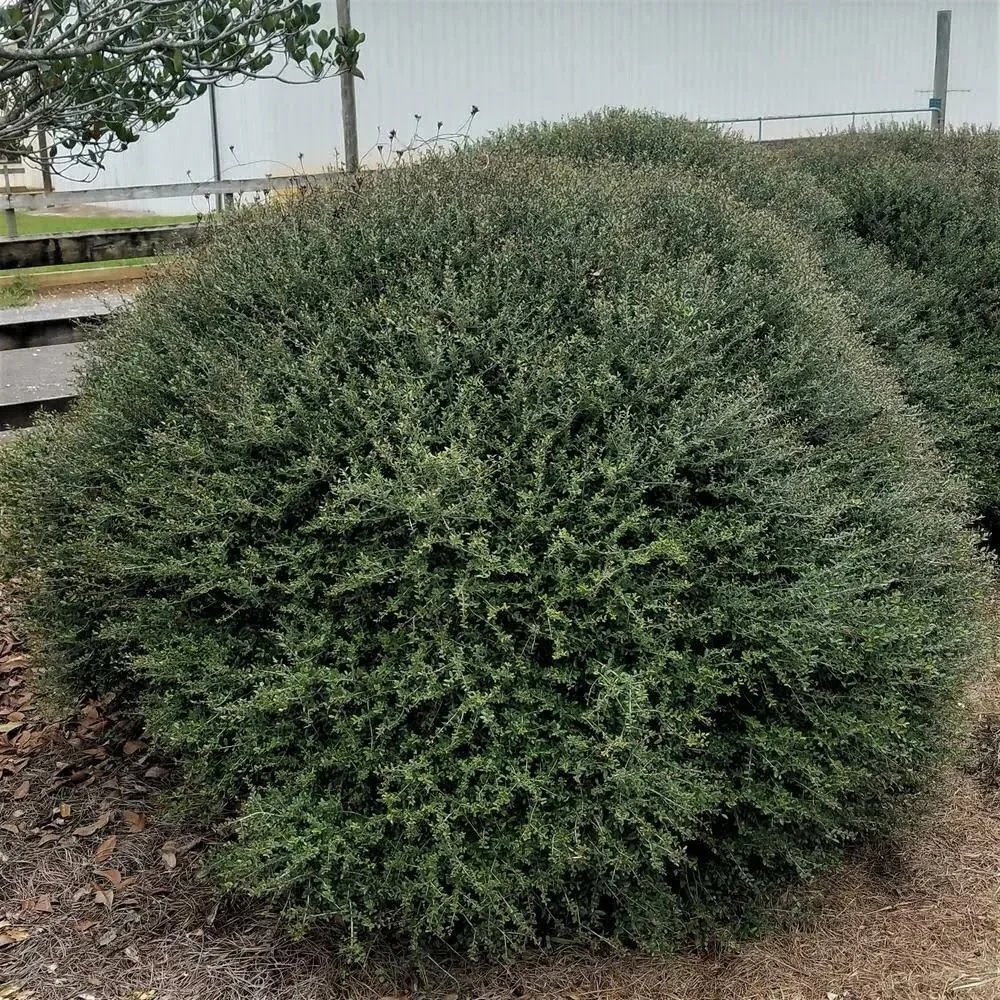
The genus Ilex, commonly known as holly, comprises over 400 species of evergreen and deciduous trees, shrubs, and climbers found throughout the world’s temperate and subtropical regions. Renowned for their architectural foliage and vibrant winter berries, these plants have become cornerstones of residential and commercial landscaping. While many associate holly exclusively with the spiked leaves and red berries of traditional Christmas decor, the diversity within the genus allows for a wide range of applications, from dense privacy screens and formal hedges to delicate specimen trees and low-maintenance foundation plantings.
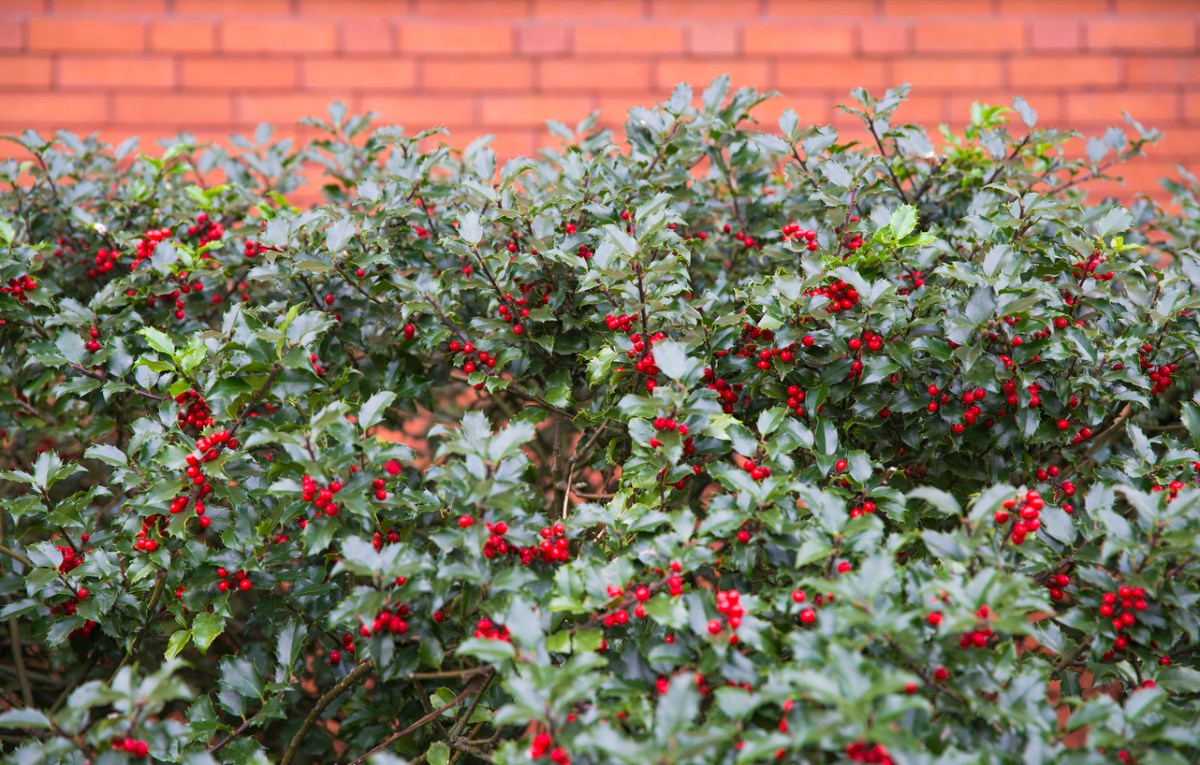
To successfully integrate holly into a landscape, homeowners and professionals must understand the botanical requirements and unique characteristics of the various cultivars. Most holly species are dioecious, meaning individual plants are either male or female. While both produce small, often fragrant white flowers in late spring, only the female plants produce the iconic berries, and they typically require a male pollinator of the same species nearby to do so. Horticultural data suggests that a single male plant can generally pollinate up to eight to ten females if situated within a 50-to-100-foot radius.
The Horticultural Evolution of the Ilex Genus
The use of holly in landscaping has evolved significantly over the last century. Historically, the English holly (Ilex aquifolium) and the American holly (Ilex opaca) dominated the market. However, the mid-20th century saw a surge in hybridizing efforts, most notably by Kathleen Meserve of Long Island, New York. Her work led to the creation of the "Blue Hollies" (Ilex x meserveae), which combined the glossy beauty of English varieties with the extreme cold hardiness of Prostrate holly (Ilex rugosa). This breakthrough expanded the geographical range where holly could thrive, pushing the boundaries into USDA Hardiness Zone 5 and even Zone 4 in protected microclimates.
Today, the selection process for holly bushes is driven by specific site conditions, including soil pH, moisture levels, and sunlight exposure. Most hollies prefer slightly acidic, well-drained soil. According to agricultural extension services, a soil pH between 5.0 and 6.0 is ideal for preventing chlorosis, a condition where leaves turn yellow due to nutrient deficiencies.
Japanese Holly Varieties: The Boxwood Alternative
Japanese hollies (Ilex crenata) are often mistaken for boxwoods due to their small, rounded, spineless leaves. They are prized for their dense growth and ability to withstand heavy pruning.

1. Drops of Gold Japanese Holly (Ilex crenata ‘Drops of Gold’)
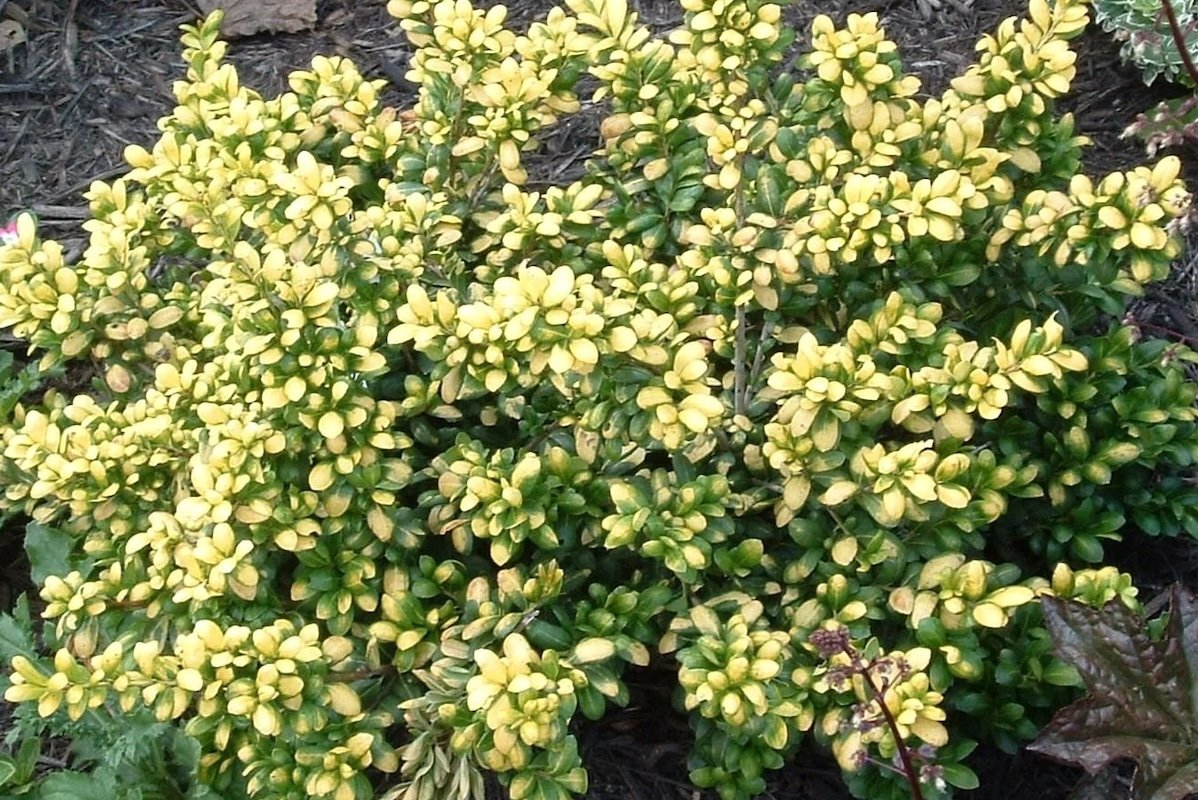
Reaching a mature height and width of roughly 4 feet, ‘Drops of Gold’ is a standout for its variegated foliage. The leaves emerge with a bright yellow hue that intensifies in full sunlight, providing a year-round "glow" to the landscape. It is a female clone, requiring a male Japanese holly for berry production, which in this species are typically black and inconspicuous. This cultivar is particularly effective in foundation plantings where a splash of color is needed against darker evergreen backgrounds.
2. Sky Pencil Japanese Holly (Ilex crenata ‘Sky Pencil’)
One of the most architecturally distinct hollies, ‘Sky Pencil’ grows in a tight, columnar fashion. It can reach heights of 8 feet while maintaining a width of only 2 to 3 feet. This verticality makes it a preferred choice for framing entryways, creating narrow privacy screens, or adding height to large containers. Because it lacks spines, it is safe for high-traffic walkways.
Chinese Holly: Heat Tolerance and Bold Texture
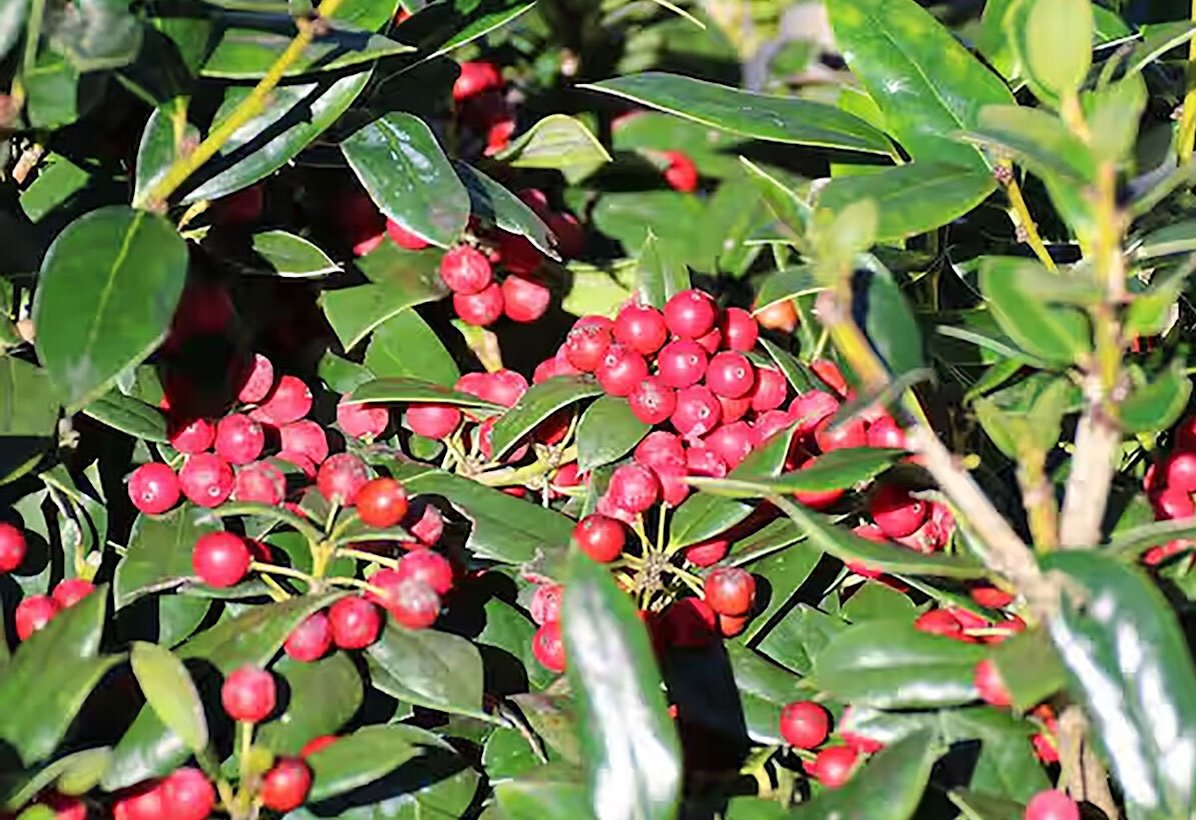
Chinese hollies (Ilex cornuta) are known for their exceptional heat and drought tolerance, making them staples in Southern landscapes (Zones 7 to 9). Their leaves are typically thick, glossy, and rectangular with prominent spines.
3. Burford Chinese Holly (Ilex cornuta ‘Burfordii’)
The ‘Burford’ holly is one of the most prolific berry producers in the genus. Notably, it is parthenocarpic, meaning it can produce red berries without a male pollinator, though cross-pollination often results in a heavier crop. While it can be maintained as a large hedge, it has the potential to reach 25 feet, functioning as a magnificent specimen tree.
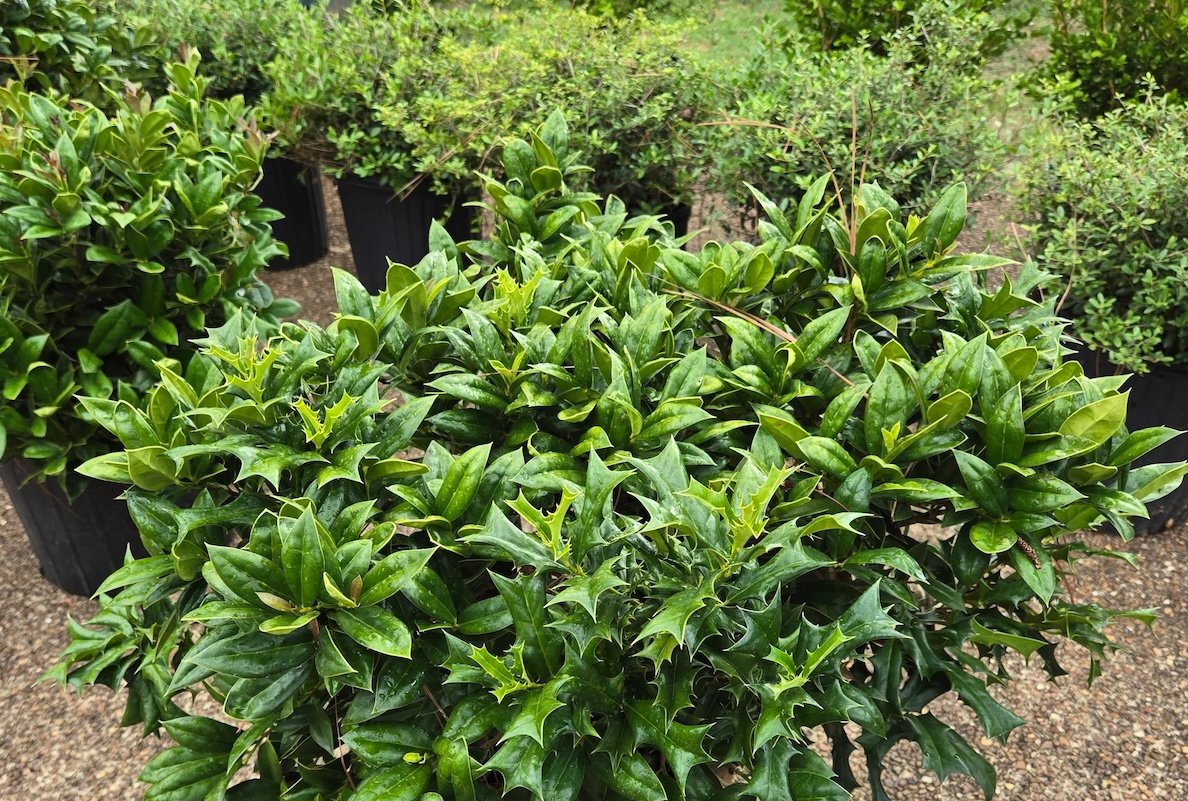
4. Carissa Chinese Holly (Ilex cornuta ‘Carissa’)
For those seeking a compact, low-maintenance shrub, ‘Carissa’ is a primary recommendation. It typically reaches only 3 to 4 feet in height and features a single terminal spine at the tip of each leaf, making it less formidable than other Chinese varieties. It is frequently used as a structural border or a mass-planted groundcover in commercial landscapes.
American Holly: The Native Giants
The American holly (Ilex opaca) is native to the Eastern United States. It is a slow-growing, long-lived tree that can reach 50 feet in height, providing essential habitat and food for native bird species.

5. Canary American Holly (Ilex opaca ‘Canary’)
‘Canary’ offers a unique aesthetic departure with its bright yellow berries. Found originally in the wild in North Carolina, this cultivar grows to about 30 feet. It requires a male American holly for pollination and is frequently used in woodland gardens or as a focal point in large residential yards.
6. Steward’s Silver Crown Holly (Ilex opaca ‘Steward’s Silver Crown’)
This variegated cultivar is distinguished by its creamy-white leaf margins. It provides a luminous effect in shaded areas and is slightly more compact than the straight species, typically topping out at 25 feet. Like other American hollies, it is highly resistant to deer and provides excellent winter cover for wildlife.

English Holly: The Classic Aesthetic
Ilex aquifolium is the quintessential holly of literature and folklore. While stunning, it is less cold-tolerant than American or Blue hollies and can be invasive in parts of the Pacific Northwest.
7. Variegated English Holly (Ilex aquifolium ‘Argentea Marginata’)
This variety features silver-edged leaves and bright red berries. It thrives in coastal climates and can reach 40 feet. Landscape architects often use it as a privacy screen due to its dense, prickly foliage, which acts as a natural deterrent to intruders.
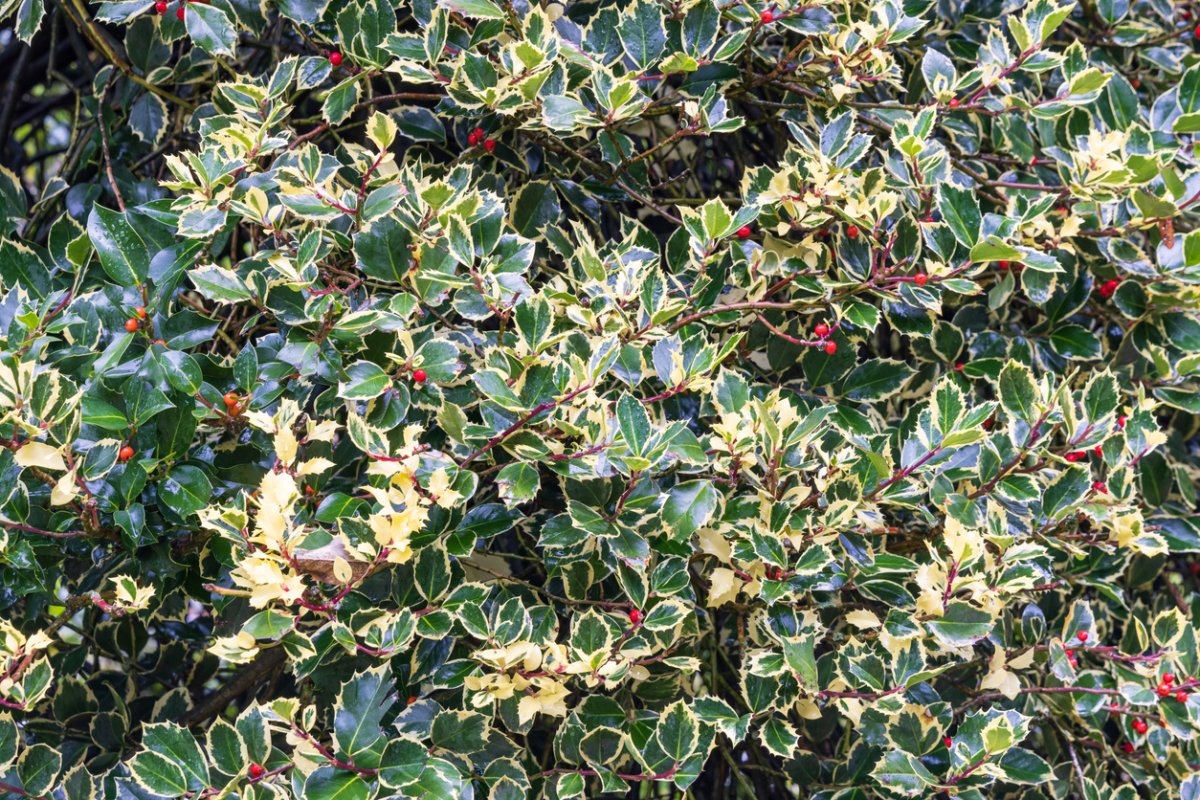
8. Gold Coast English Holly (Ilex aquifolium ‘Monvila’)
‘Gold Coast’ is a male cultivar characterized by gold-tipped foliage. Since it does not produce berries, it is an excellent option for areas where self-sowing might be a concern. It is also exceptionally hardy for an English variety, performing well down to Zone 6.
Yaupon Holly: Versatility in the South
Native to the Southeastern U.S., Yaupon holly (Ilex vomitoria) is unique for containing caffeine in its leaves, which were historically used to make "black drink" tea. These plants are incredibly adaptable, tolerating both drought and swampy conditions.

9. Bordeaux Yaupon Holly (Ilex vomitoria ‘Bordeaux’)
A dwarf variety, ‘Bordeaux’ reaches only 4 to 5 feet in height. Its standout feature is the rich burgundy color of its new growth, which matures to a deep green. It is an excellent substitute for boxwood in Southern climates where boxwood blight is a concern.
10. Folsom’s Weeping Yaupon Holly (Ilex vomitoria ‘Folsom’s Weeping’)
This tree variety features a dramatic pendulous habit. Growing up to 30 feet, its branches cascade toward the ground, often covered in small red berries during the winter. It serves as a striking specimen plant in large landscapes.
Blue Holly: The Modern Hybrid
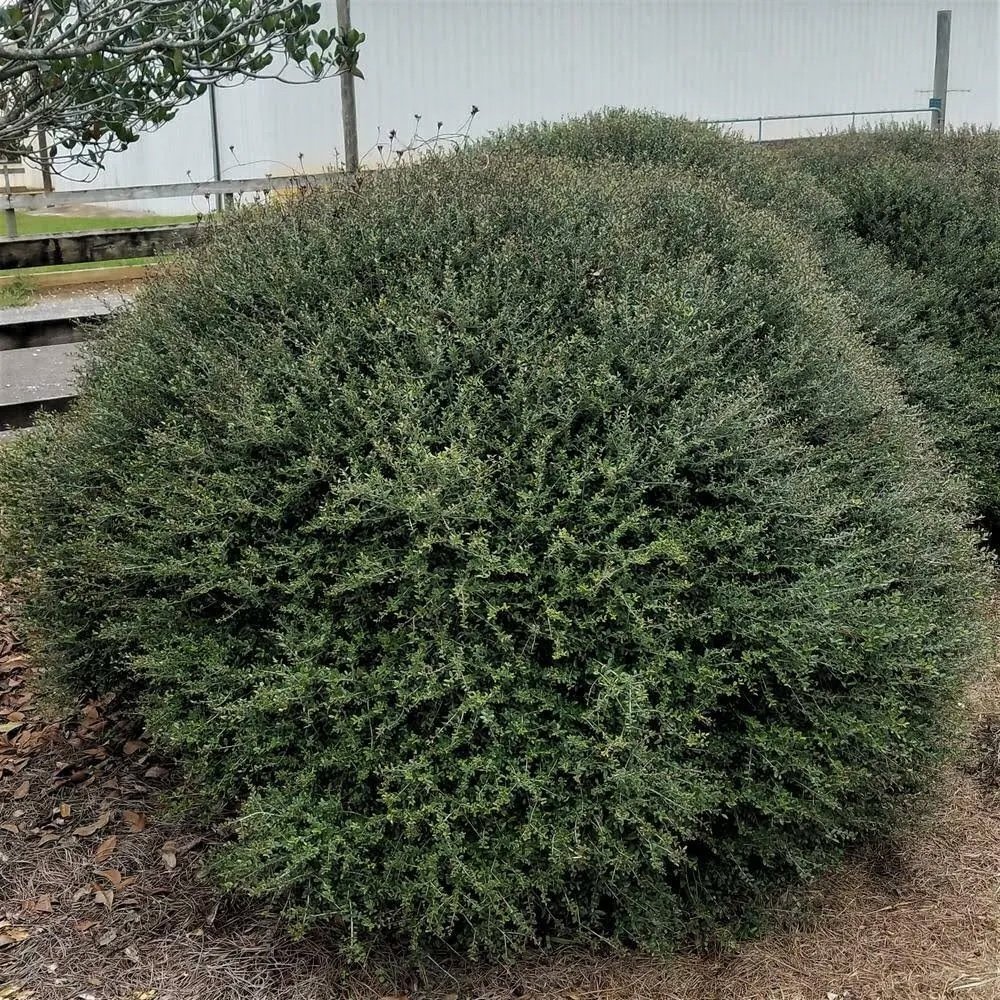
The Meserve hybrids, or Blue hollies, are recognized by their dark, blue-green foliage and purple-tinted stems.
11. China Girl Blue Holly (Ilex x meserveae ‘China Girl’)
‘China Girl’ is a rounded shrub reaching 10 feet. It is prized for its extreme cold hardiness and heavy berry set when paired with its male counterpart, ‘China Boy’. Its leaves are lustrous and have a softer texture than traditional English hollies.
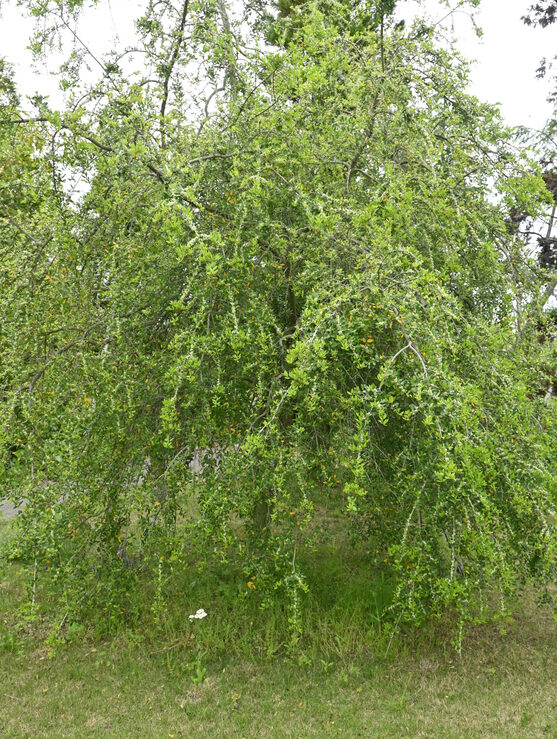
12. Blue Girl Blue Holly (Ilex x meserveae ‘Blue Girl’)
Similar to ‘China Girl’ but with a slightly more upright habit and even darker foliage, ‘Blue Girl’ is a staple in Northern landscapes. It is frequently used as a formal hedge or a foundation plant in Zones 5 through 7.
Deciduous Holly: Winter Brilliance
Not all hollies retain their leaves year-round. Deciduous hollies, or winterberries, provide a different kind of visual impact.
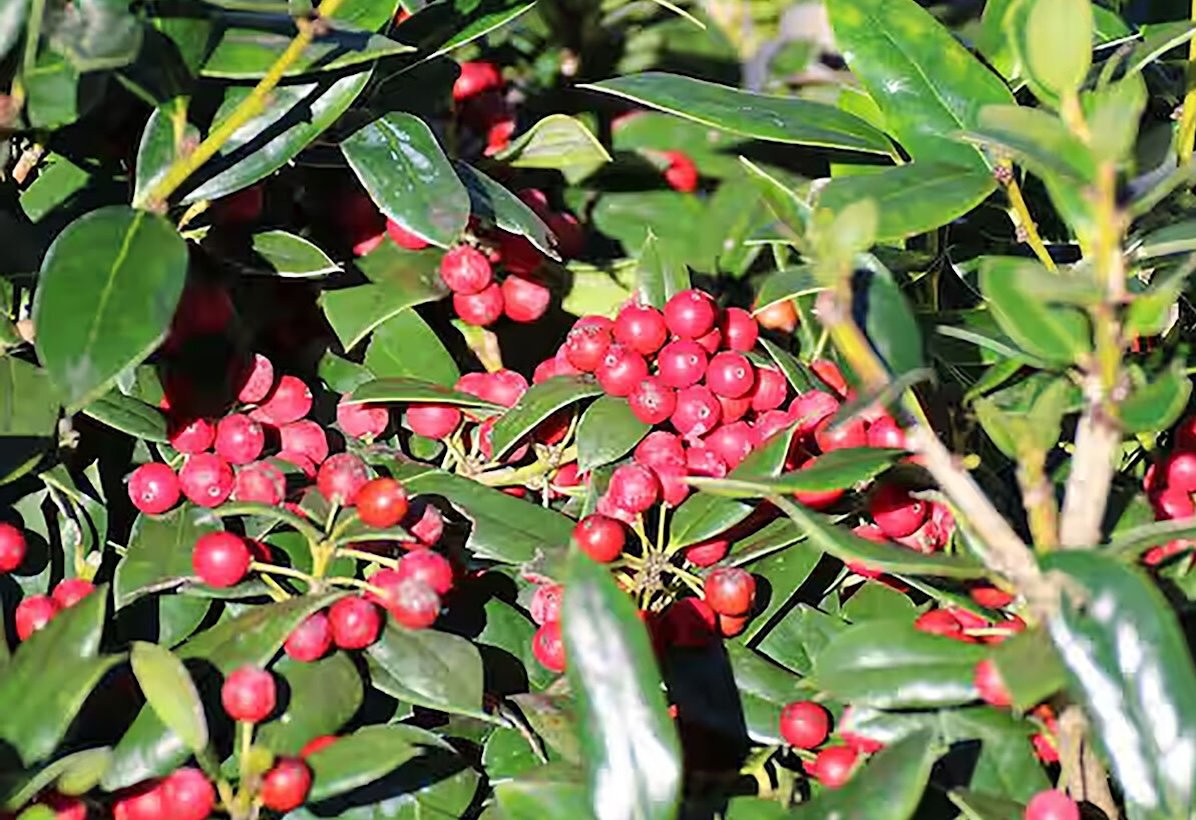
13. Winterberry Holly (Ilex verticillata ‘Winter Gold’)
The winterberry (Ilex verticillata) drops its leaves in late autumn, revealing branches smothered in berries. The ‘Winter Gold’ cultivar produces pinkish-orange to yellow fruits that glow against the snow. It is a wetland-native species, making it ideal for rain gardens or low-lying areas of the property.
Maintenance and Ecological Implications
Maintaining holly bushes requires a balance of aesthetic pruning and horticultural care. Experts recommend pruning in late winter or early spring before new growth begins. For berry-producing varieties, gardeners should be careful not to prune away the flowers in late spring, as this will eliminate the winter fruit crop.
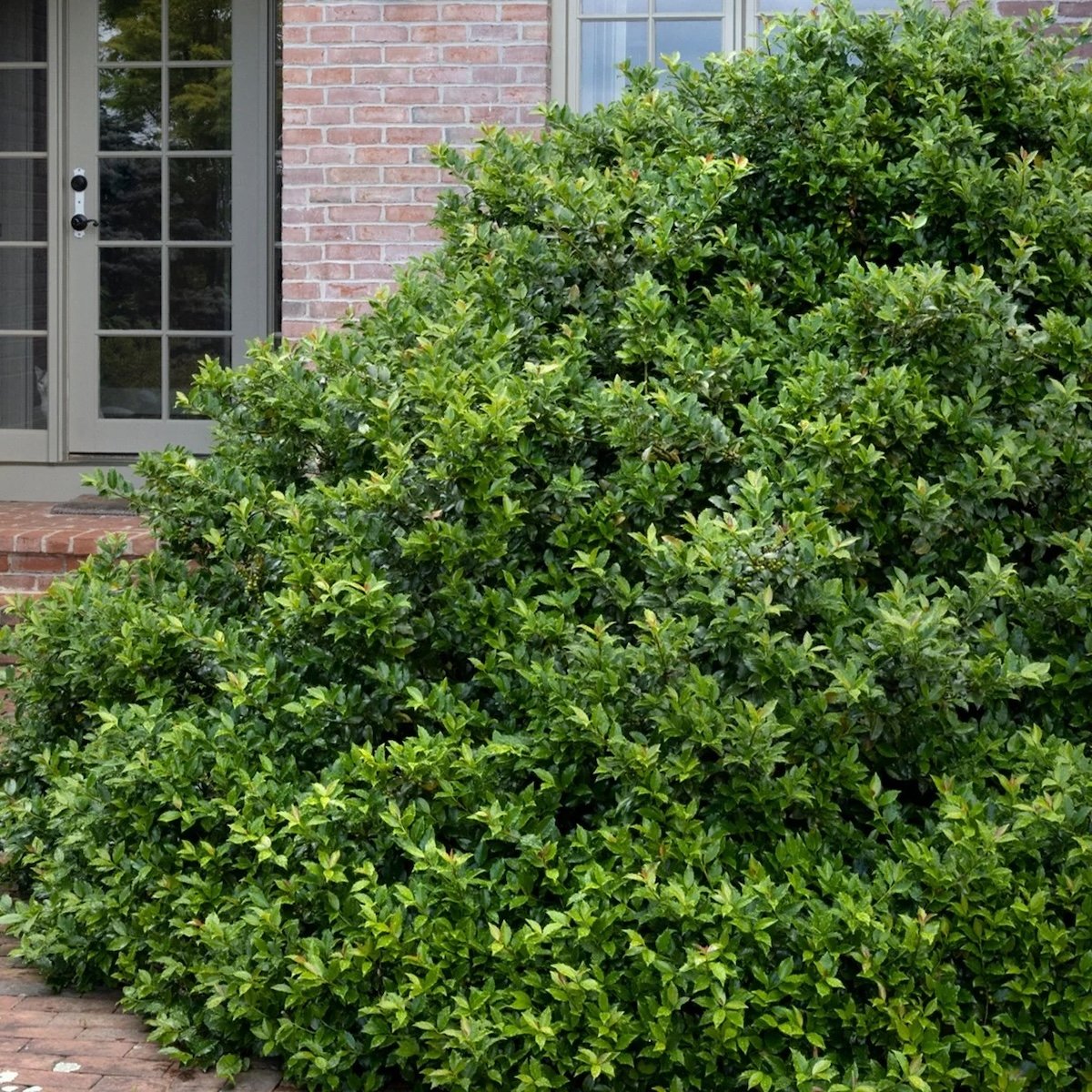
From an ecological perspective, holly bushes are invaluable. The small white flowers are a significant nectar source for bees and butterflies. In the winter, the berries—while toxic to humans and pets due to the presence of ilicin and saponins—are a vital high-energy food source for robins, cedar waxwings, and mockingbirds.
The commercial market for holly remains robust, with the nursery industry reporting steady demand for evergreen screening plants. As homeowners increasingly look for "four-season interest" in their gardens, the holly’s ability to provide structure in the summer and vibrant color in the winter ensures its continued prominence in the global landscape. Whether used as a towering privacy screen or a petite border, the diverse members of the Ilex genus offer a solution for nearly every gardening challenge.