admin
admin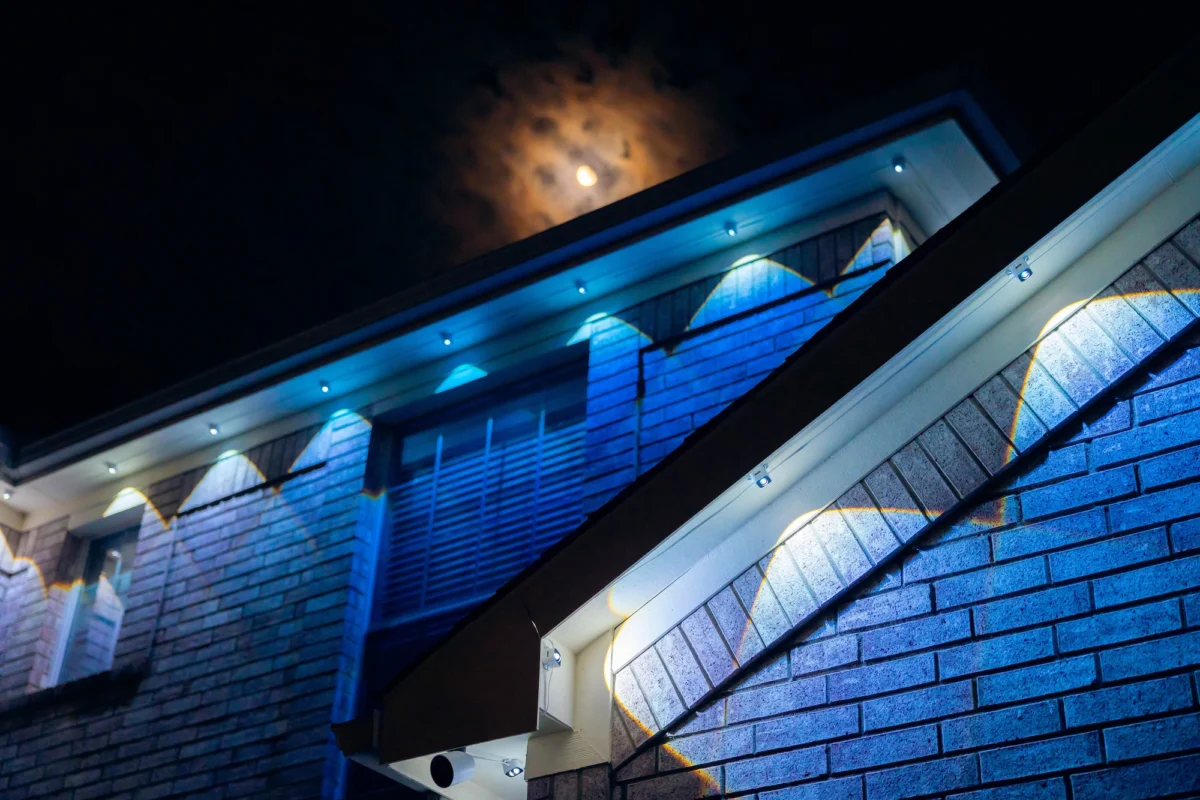
The intersection of professional cinematography and consumer-grade smart home technology has reached a new milestone as residential holiday decorating evolves into a sophisticated form of atmospheric storytelling. This shift is exemplified by a recent strategic collaboration between Govee, a prominent innovator in the smart lighting sector, and Ryan Connolly, the acclaimed filmmaker behind the educational channel Film Riot. By applying high-level production principles to domestic environments, the partnership demonstrates how the average homeowner can utilize advanced light-emitting diode (LED) systems to replicate the visual depth and emotional resonance of a horror film set.
The initiative centers on the production of a short film titled Last Light, directed by Connolly. The project serves as both a creative narrative and a technical proof-of-concept, showcasing how Govee’s suite of outdoor and indoor smart lights can be manipulated to transform standard suburban architecture into a "haunted" cinematic environment. According to Connolly, the objective is to move beyond the static, flat illumination of traditional holiday strands toward a more dynamic, layered approach that prioritizes contrast, color theory, and the strategic use of negative space.
The Economic and Cultural Shift in Halloween Decorating
The collaboration comes at a time of unprecedented growth in the seasonal decorating market. According to data from the National Retail Federation (NRF), annual spending on Halloween in the United States reached a record $12.2 billion in 2023, with a significant portion of that budget—approximately $3.9 billion—allocated specifically to decorations. This surge reflects a broader cultural trend toward "experience-based" home environments, where consumers seek to create immersive displays for their local communities and social media audiences.
Simultaneously, the smart lighting market is projected to expand at a compound annual growth rate (CAGR) of over 20% through 2030. The convergence of these two trends has birthed a new category of "prosumer" holiday lighting. Homeowners are increasingly moving away from incandescent bulbs and temporary "plug-and-play" solutions in favor of permanent, software-controlled LED systems that offer 16 million color options and integrated animation capabilities.
Chronology of the Cinematic Lighting Campaign
The development of the Last Light project followed a structured timeline designed to align with the peak consumer interest period leading into the autumn season.
- Conceptualization (Early Q3): Govee and Film Riot identified the core challenge: most residential displays lack "depth" because they rely on uniform brightness. The team decided to focus on four pillars of cinema: color contrast, shadow shaping, light diffusion, and subtle motion.
- Product Integration: The technical team selected specific hardware, including the Govee Strip Light 2 Pro for interior diffusion and the Permanent Outdoor Lights 2 Pro for architectural highlighting. These products were chosen for their RGBIC (Red, Green, Blue Independent Control) technology, which allows multiple colors to be displayed on a single line simultaneously.
- Production of Last Light: Connolly filmed the short on location, utilizing the smart lights as the primary practical light sources. This demonstrated that the hardware was powerful enough to meet the exposure requirements of professional digital cinema cameras.
- Public Release and Educational Outreach: The film was released alongside a series of "how-to" tutorials, bridging the gap between high-end filmmaking and DIY home improvement.
The Four Pillars of Atmospheric Residential Design
The technical framework provided by Connolly emphasizes that effective "spooky" lighting is less about the quantity of light and more about the quality of its application.
The Application of Color Theory and Contrast
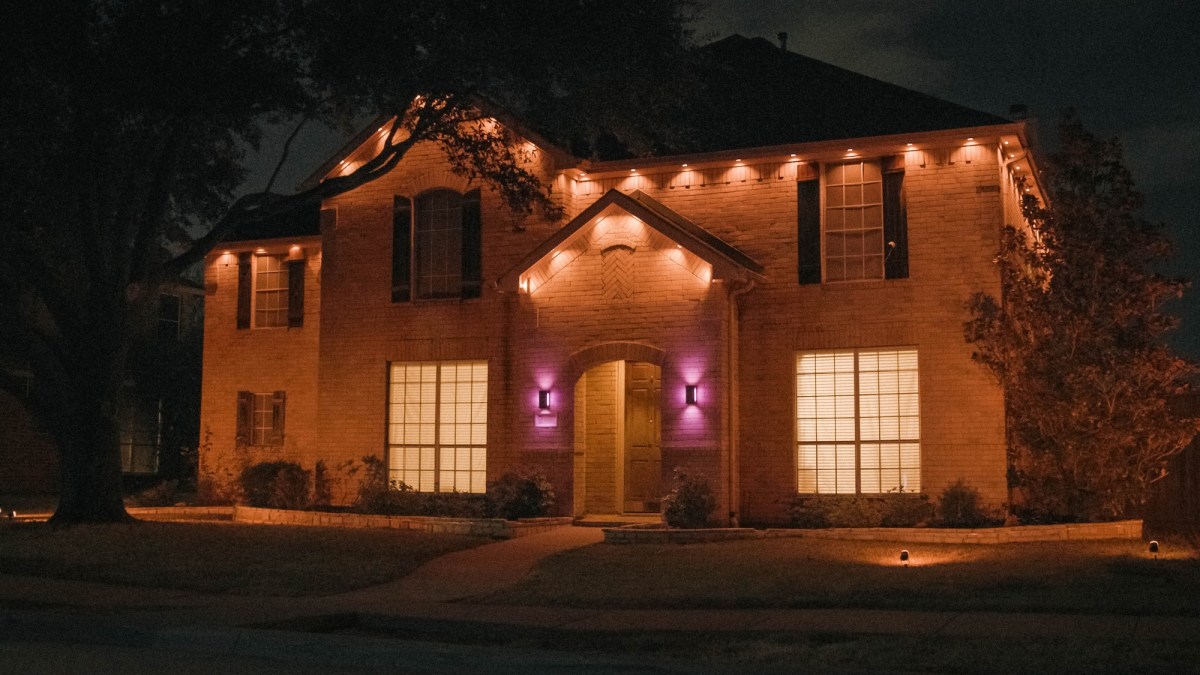
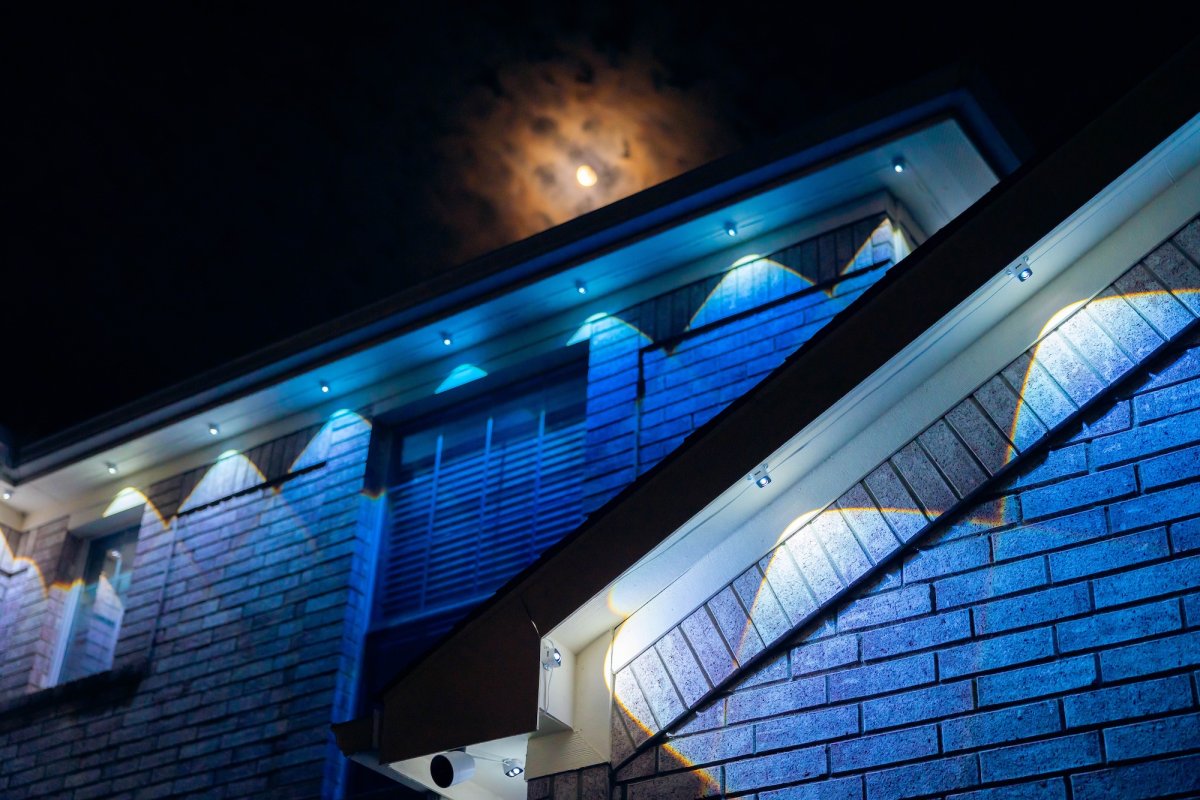
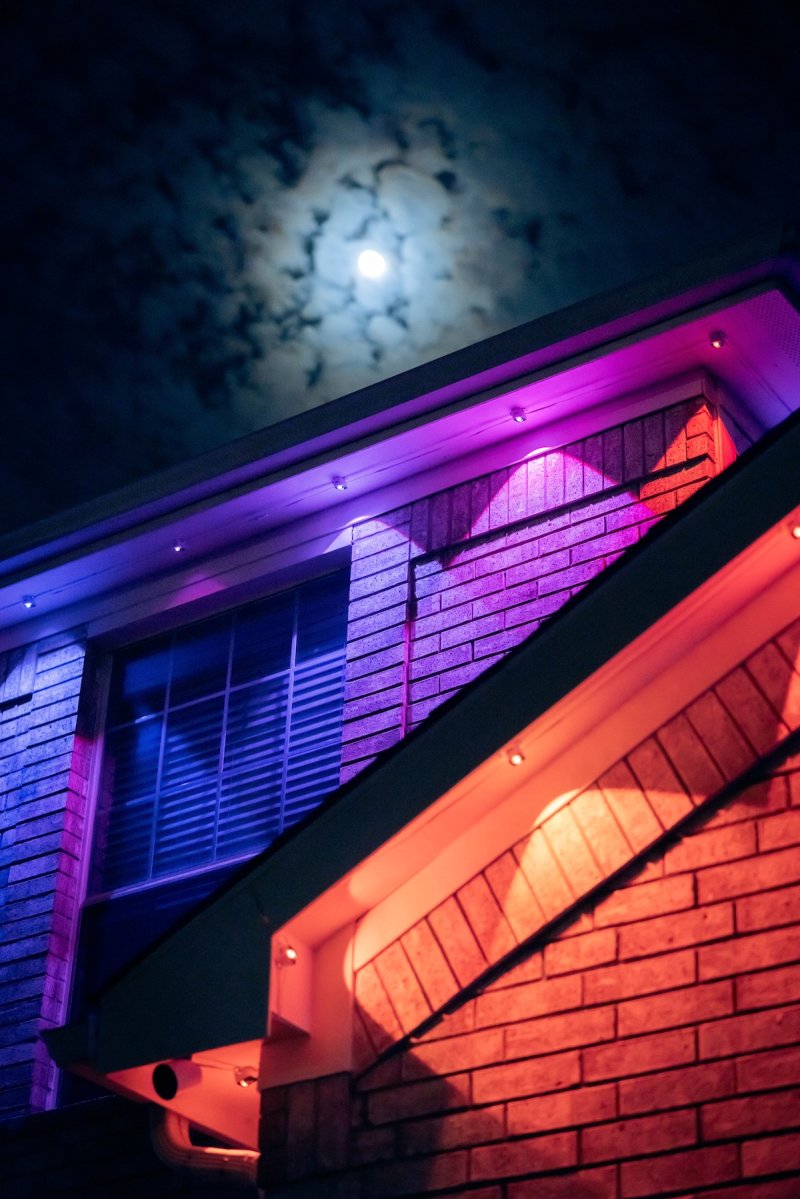
In professional color grading, filmmakers often use complementary colors to create visual pop. Connolly suggests that homeowners avoid the common mistake of "washing" their entire house in a single hue, such as solid green or purple. Instead, he recommends selecting a "lead" color for the broad areas and a contrasting "accent" color for specific architectural features like pillars, entryways, or trees.
"Even a small amount can give your main color more punch and presence," Connolly noted during the technical breakdown. By placing a warm orange light near a cool purple glow, the colors appear more vibrant to the human eye, a phenomenon known as simultaneous contrast.
Shaping Shadows and Negative Space
A fundamental tenet of the horror genre is the "unseen." Journalistic analysis of horror cinematography reveals that fear is often generated by what is hidden in the shadows rather than what is fully illuminated. Connolly advises homeowners to create "pockets of light" that highlight "hero areas"—such as a specific prop or a gnarled tree—while allowing the surrounding space to fall into deep shadow. This creates a sense of mystery and unease, as the viewer’s brain attempts to fill in the dark gaps.
Diffusion and the "Glowing Window" Effect
One of the most effective techniques highlighted in the Last Light project is the diffusion of light through windows. By hanging a neutral material, such as a white bedsheet, behind a window and backlighting it with a high-output LED strip, the window becomes a large, glowing softbox. This hides the light source from the observer, creating an eerie, ethereal effect that suggests the interior of the house is filled with supernatural energy. This method utilizes the physics of light scattering to turn a point-source light into a broad, atmospheric glow.
Dynamic Motion and Temporal Effects
Static lighting can often feel "dead" to the observer. Modern smart lighting systems allow for "subtle motion"—gradual shifts in brightness or color that mimic natural or supernatural phenomena. Govee’s software enables effects such as a "candle flicker" or a "slow pulse," which gives the impression that the house is "breathing." This temporal element adds a layer of realism to the display, making it feel like a living set rather than a stationary decoration.
Technical Specifications and Infrastructure
The shift toward cinematic home displays is supported by significant advancements in lighting hardware. The Govee Permanent Outdoor Lights 2 Pro, for instance, represents a move toward year-round utility. These units are designed with IP67-rated waterproofing and UV resistance, allowing them to remain mounted through extreme weather conditions.
From a technical standpoint, the integration of Matter-compatible protocols and Wi-Fi/Bluetooth connectivity allows these lighting systems to be synchronized with music, motion sensors, or smart home hubs. This level of control was previously only available through expensive DMX (Digital Multiplex) systems used in theaters and concert venues. The democratization of this technology means that complex lighting cues can now be programmed via a smartphone application.
Broader Market Implications and Industry Reaction
Industry analysts suggest that the Govee-Film Riot collaboration marks a shift in how smart home brands market to consumers. Rather than focusing solely on utility or energy efficiency, brands are increasingly highlighting "creativity" and "content creation" as primary selling points.
"The consumer is no longer just a buyer; they are a curator," says a retail analyst specializing in home technology. "By providing the tools and the professional ‘know-how’ from filmmakers like Ryan Connolly, companies are tapping into the desire for high-production-value personal expression."
Furthermore, the transition to permanent outdoor lighting has implications for the "all-occasion" market. By changing the software presets, a Halloween display can be instantly converted into a Thanksgiving theme (warm ambers and oranges), a winter holiday theme (festive reds and greens), or neutral architectural lighting for the remainder of the year. This versatility increases the perceived value of the initial investment, which can range from $200 to over $1,000 depending on the scale of the installation.
Conclusion: The Future of Atmospheric Design
The collaboration between Govee and Film Riot illustrates a maturing market where the boundaries between professional entertainment and residential living are becoming increasingly blurred. As smart lighting technology continues to evolve, the ability to manipulate the "mood" of a physical space will likely become a standard feature of modern home design.
By utilizing the principles of contrast, shadow, diffusion, and motion, homeowners are doing more than just decorating for a holiday; they are engaging in a form of architectural cinematography. The result is a neighborhood landscape that is more visually diverse, emotionally evocative, and technically sophisticated than ever before. As Halloween approaches, the streets of suburbia are increasingly resembling the backlots of Hollywood, one smart bulb at a time.