admin
admin
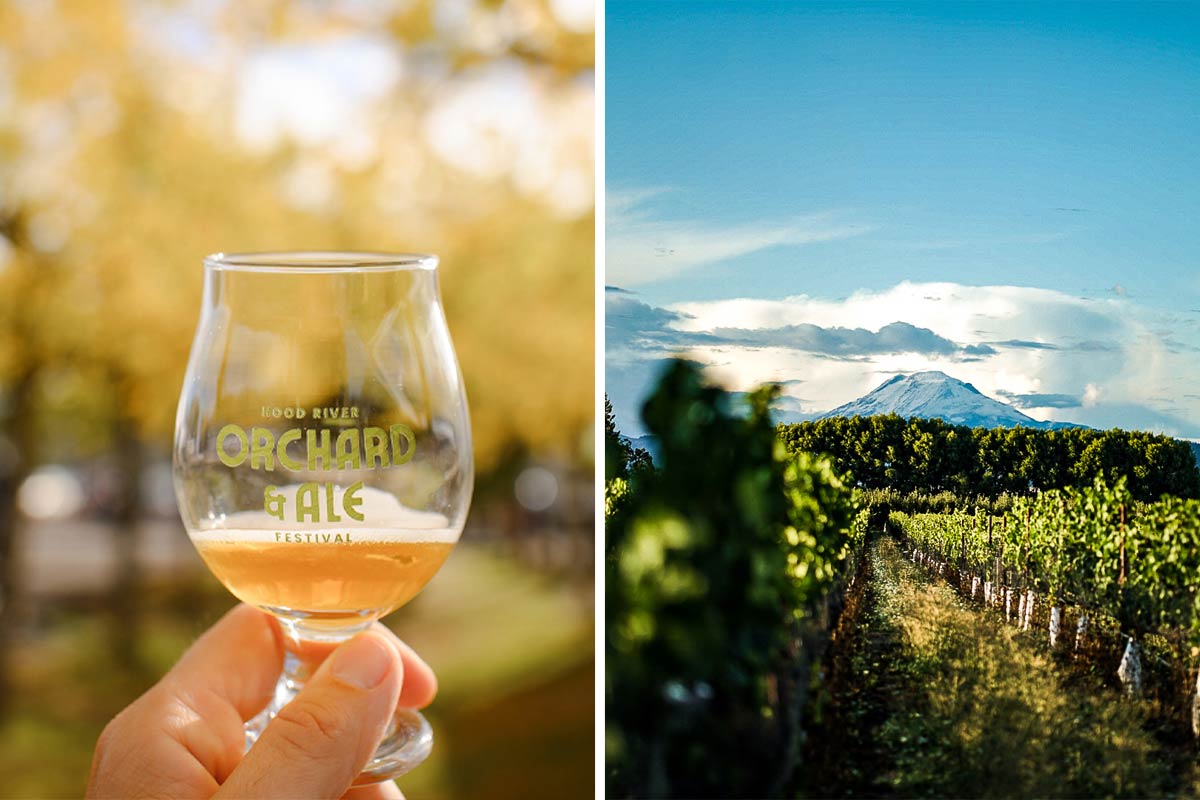
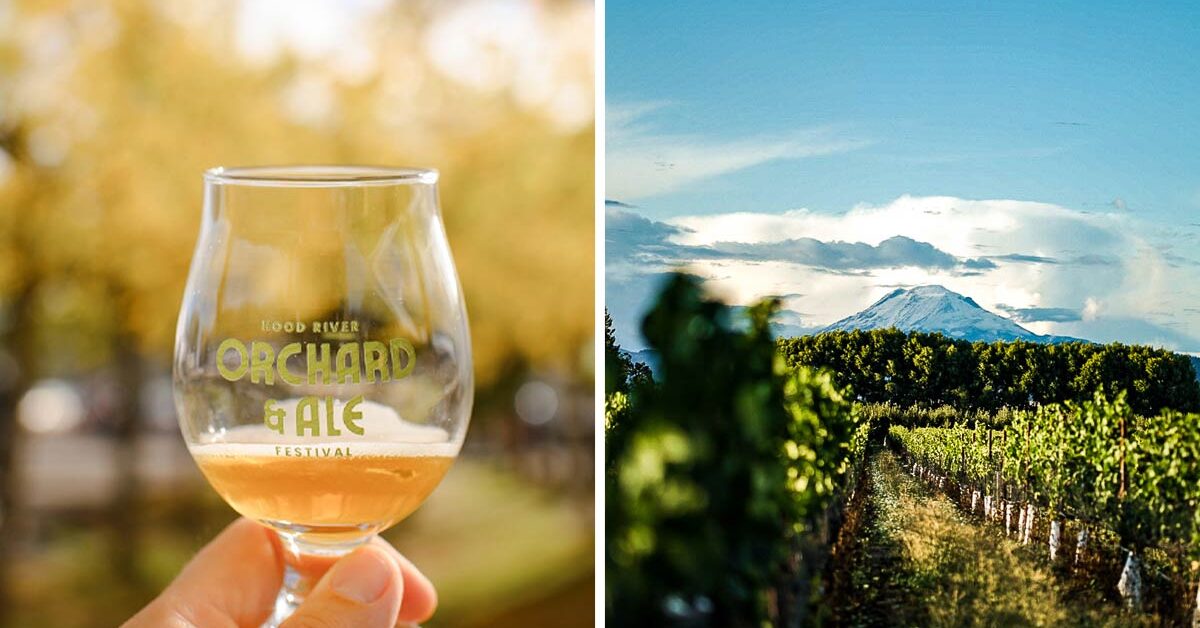
The inaugural Hood River Orchard and Ale Festival, held on the scenic waterfront of the Columbia River, has marked a significant milestone in the regional craft beverage industry, showcasing the unique intersection of Oregon’s agricultural heritage and its world-renowned brewing prowess. The event, which took place in early October, served as a formal celebration of the Hood River Valley’s "Fruit Loop" and its dense concentration of award-winning breweries. Attendees navigated a venue characterized by the powerful geographic forces of the Columbia River Gorge, a canyon known for its high-velocity winds and dramatic landscapes, which provided a rugged backdrop for the debut of what organizers hope will become an annual fixture in the Pacific Northwest’s festival calendar.
Geographic and Environmental Foundations of Hood River Brewing
The success of the brewing industry in Hood River is inextricably linked to the unique geological and hydrological features of the Columbia River Gorge. While the Columbia River itself is the most visible water feature, breweries in the region primarily draw their production water from the Hood River watershed. This water originates as snowmelt from the 14,000-foot peaks of the Cascade Mountains, specifically Mount Hood. As the water descends, it undergoes a natural filtration process through layers of volcanic basalt rock.
This geological filtration results in a water profile that is notably soft and clean, yet rich in essential minerals that enhance yeast health and flavor extraction during the brewing process. From a technical standpoint, this water chemistry is particularly well-suited for delicate styles such as Pilsners and Lagers, which require a neutral base to allow malt and hop profiles to shine without the interference of harsh mineral content.
Furthermore, Hood River’s proximity to the Willamette Valley—one of the world’s premier hop-growing regions—provides local brewers with logistical advantages. The ability to source fresh hops within hours of harvest allows for the production of "Fresh Hop" ales, a seasonal specialty that has become a hallmark of the Oregon brewing scene. The synergy between mountain-sourced water and valley-grown hops has created a "terroir" for Hood River beer that is difficult to replicate elsewhere in North America.
A Chronological Overview of the Hood River Brewing Scene
The development of Hood River into a global destination for craft beer has occurred in distinct waves over nearly four decades. Understanding the current density of the market requires a look at the timeline of establishment for the town’s key players.
The Pioneers: Full Sail Brewing Co. (1987)
The foundation of the local industry was laid in 1987 with the opening of Full Sail Brewing Co. As one of the early "OG" craft breweries in the United States, Full Sail was instrumental in proving that a small-town operation could achieve regional and national scale. Their flagship Full Sail Amber Ale remains a benchmark for the style, utilizing a malty-spicy profile that defined the first generation of American craft beer. Over the decades, the brewery has modernized its facility and expanded its portfolio to include contemporary West Coast and Hazy IPAs, maintaining its position as an anchor of the downtown district.
The Second Wave: Double Mountain and pFriem (2007–2012)
The mid-2000s saw a shift toward more specialized and experimental brewing. Double Mountain Brewery, established in 2007, introduced a focus on unfiltered beers and high-gravity offerings, alongside a popular taproom culture that integrated food and community.
In 2012, the arrival of pFriem Family Brewers significantly elevated the region’s profile. Located on the waterfront, pFriem focused on European-inspired styles, particularly Belgian ales and German lagers. Their success helped establish Hood River as a center for technical excellence, winning numerous awards at the Great American Beer Festival and the World Beer Cup. The brewery’s growth has been a primary driver of tourism to the Hood River waterfront.
The Modern Era: Ferment, Working Hands, and Beyond (2018–2025)
In recent years, the scene has diversified further. Ferment Brewing Company, which opened in 2018, utilizes farmhouse techniques and local ingredients to capture the specific "terroir" of the Gorge. Their use of local fruit, such as Oregon strawberries in their Lost in Fragaria sour ale, exemplifies the trend of bridging the gap between the orchard and the brewery.
The post-pandemic era has seen continued expansion despite economic headwinds in the broader craft beer market. Working Hands Fermentation, located at the top of the town’s bluff, has carved out a niche specializing in bottom-fermenting lagers and high-quality pub fare. In 2023, Hood River Brewing Company added to the downtown landscape with a focus on approachable, eclectic styles like Mexican Amber Lagers. Most recently, in 2025, Kings & Daughters Brewery opened "The Walled Garden," a public house that focuses on the refinement of hazy IPAs and light lagers, representing the "third wave" of craft beer aesthetics.
Economic and Demographic Impact
For a municipality with a population of approximately 8,300 residents, Hood River maintains one of the highest concentrations of breweries per capita in the world. This density is sustained by a robust tourism economy driven by outdoor recreation. The Columbia River Gorge is a premier destination for windsurfing, kiteboarding, and hiking, attracting hundreds of thousands of visitors annually.
Data from the Oregon Brewers Guild indicates that the craft beer industry contributes billions of dollars to the state’s economy. In Hood River, the brewing sector is a primary employer and a major draw for "beercation" travelers. The inaugural Orchard and Ale Festival was designed to capitalize on this demographic, merging the peak of the harvest season with the "Fresh Hop" season to maximize visitor spending.
Market analysis suggests that the success of Hood River’s breweries is also due to their ability to function as "third places"—community hubs that offer more than just a product. By integrating local food, scenic views, and family-friendly environments, these establishments have become essential to the town’s social fabric.
Technical Analysis of Regional Beer Styles
The offerings showcased at the Orchard and Ale Festival highlighted several technical trends currently dominating the Pacific Northwest market:
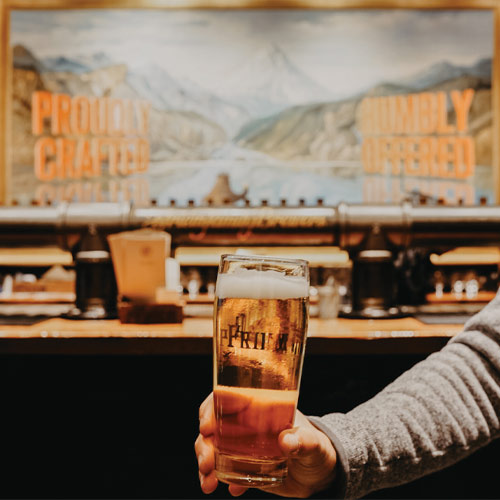
- Lager Refinement: There is a noticeable shift toward technical lagers, such as the Czech Dark Lager at pFriem and the Night Shift Schwarzbier at Working Hands Fermentation. These styles require precise temperature control and long conditioning periods, reflecting a high level of brewing expertise.
- Terroir-Driven Sours: Breweries like Ferment are increasingly using wild yeast strains and local fruit to create beers that are unique to the Hood River environment. This "farm-to-glass" approach aligns the brewing industry with the region’s established agricultural sector.
- Fresh Hop Innovation: The festival coincided with the window for fresh-hopped beers. Unlike traditional IPAs made with dried pellets, fresh-hop beers use whole cones harvested within 24 hours. This results in a "green," floral, and resinous profile that is highly prized by enthusiasts.
Logistical Challenges and the "Gorge Effect"
The inaugural festival also highlighted the logistical realities of hosting events in the Columbia River Gorge. The canyon acts as a natural wind tunnel, created by pressure gradients between the wet Pacific coast and the arid eastern deserts. On the day of the festival, steady early-October gusts presented challenges for vendors, necessitating the use of heavy glassware and reinforced structures.
However, industry observers note that these environmental conditions are part of the region’s brand identity. The same winds that challenge festival organizers are what draw the windsurfers and kiteboarders who populate the taprooms. The "ruggedness" of the Gorge is a key marketing element for the breweries, which often feature outdoor-themed branding and open-air seating designed to withstand the elements.
Future Implications and Regional Outlook
The successful execution of the Hood River Orchard and Ale Festival suggests a maturing of the local beverage industry. By formalizing the connection between the valley’s orchards and its breweries, the event creates a unified marketing front for the region.
Moving forward, the Hood River brewing scene faces the challenge of saturation and rising production costs. However, the consistent quality of the water supply and the proximity to raw materials provide a competitive advantage that few other regions can match. The continued entry of new players, such as Kings & Daughters, indicates that there is still room for growth, provided that new establishments offer a distinct value proposition or a specialized focus.
As the industry evolves, the focus is likely to remain on quality and "sense of place." The transition from the "OG" styles of the 1980s to the technical lagers and farmhouse ales of the 2020s demonstrates an industry that is responsive to consumer tastes while remaining rooted in the specific geography of the Columbia River Gorge. The Orchard and Ale Festival stands as a testament to this resilience, signaling that Hood River remains a central pillar of the American craft beer movement.