admin
As residential architecture evolves toward energy efficiency and urban density, the traditional wood-burning hearth is increasingly being replaced by sophisticated electric alternatives. Modern electric fireplaces have transcended their origins as mere space heaters, evolving into high-tech interior design features that offer supplemental warmth without the logistical burdens of chimneys, gas lines, or combustible fuels. This shift is driven by a combination of technological advancement in LED realism and a growing consumer preference for low-maintenance home improvements. Unlike gas or wood-burning units, electric fireplaces require no HVAC ventilation, allowing them to be installed in virtually any room with a standard electrical outlet.
The Evolution of the Electric Hearth
The history of the electric fireplace is a testament to the rapid advancement of consumer electronics. Early models from the mid-20th century were often criticized for their unrealistic, orange-light bulb "flames" and noisy fans. However, the industry underwent a paradigm shift with the introduction of LED technology and precision-engineered reflective surfaces. Today’s market leaders, such as PuraFlame and Real Flame, utilize multi-layered lighting effects and resin-molded logs to mimic the chaotic beauty of a natural fire.
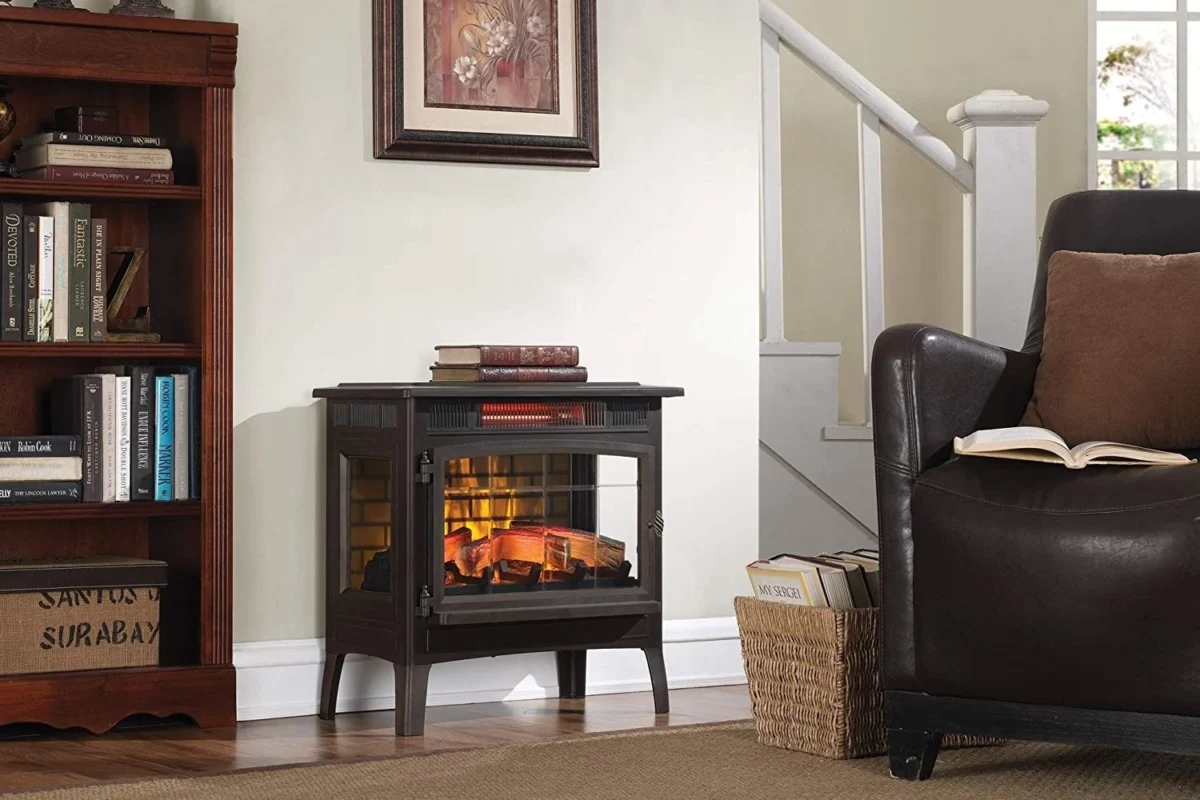
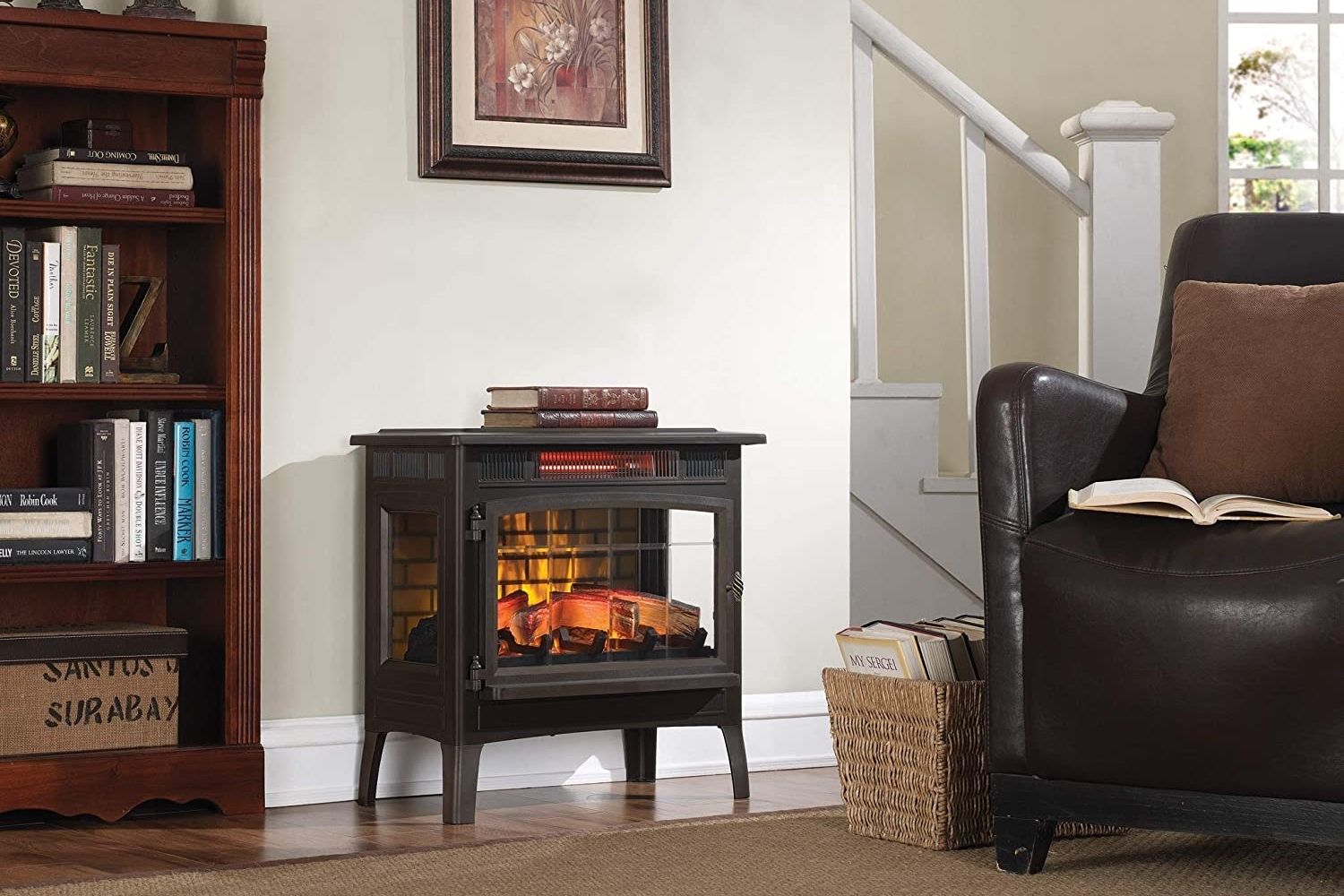
The timeline of this technology has moved from simple resistive heating coils to advanced infrared quartz elements. Infrared technology, found in high-capacity units like the Duraflame 3D Infrared Electric Fireplace Stove, represents a significant leap forward. By heating objects directly rather than just the air, these units can effectively warm spaces up to 1,000 square feet without drying out the humidity in the room—a common complaint associated with traditional forced-air heaters.
Market Trends and Consumer Data
Market research indicates that the global electric fireplace market is poised for steady growth through the end of the decade. Analysts attribute this to the rising cost of natural gas and the stringent environmental regulations in many metropolitan areas that ban wood-burning fireplaces in new constructions to combat air pollution.
Data suggests that the operational cost of an electric fireplace is remarkably efficient when compared to traditional alternatives. While a gas fireplace can cost between $0.20 and $0.50 per hour to operate, an electric unit used for ambiance (LEDs only) costs less than $0.01 per hour. Even when the heating element is engaged at a standard 1,500-watt setting, the cost typically ranges from $0.15 to $0.20 per hour, depending on local utility rates. This makes them an attractive option for "zone heating," where homeowners heat only the room they are currently occupying rather than running a central furnace for the entire house.
Technical Analysis of Top-Performing Models
A comprehensive review of the current market reveals that consumer needs are segmented into three primary categories: realism, installation flexibility, and heating capacity.

The Benchmark for Realism: PuraFlame Klaus
The PuraFlame Klaus 33-inch Electric Fireplace Insert has emerged as a top-tier choice for those seeking to retrofit existing masonry fireplaces. Its design philosophy centers on traditional aesthetics, featuring a three-sided interior brick wall and a resin log set that glows in sync with the flame effects. It operates on a standard 120-volt outlet and provides 1,500 watts of heat, sufficient for 400-square-foot areas. The inclusion of crackling sound effects further bridges the sensory gap between electric and wood-burning units.
Flexibility and Value: Maxhonor and Valuxhome
For modern renovations, recessed units like those from Maxhonor and Valuxhome offer a streamlined, "flush-to-wall" appearance. The Maxhonor model is particularly noted for its versatility, offering three installation modes: recessed, wall-mounted, or freestanding. These units often cater to a more contemporary aesthetic, replacing traditional logs with glass crystals or pebbles and offering a spectrum of flame colors ranging from traditional orange to modern blues and purples.
Furniture Integration: Real Flame and Winston Porter
The "mantel-style" electric fireplace serves a dual purpose as both a heater and a focal architectural element. The Real Flame Callaway Grand is a luxury-grade option that includes a full mantel capable of supporting 30 pounds of décor. Similarly, the Winston Porter Ceonna utilizes faux stone finishes to provide the gravitas of a permanent hearth without the five-figure cost of stone masonry.
Safety Standards and Regulatory Compliance
One of the primary drivers for the adoption of electric fireplaces is the inherent safety profile. According to the National Fire Protection Association (NFPA), heating equipment is a leading cause of home fires. Electric fireplaces mitigate many of these risks; they produce no actual flame, no smoke, and no carbon monoxide.
To ensure consumer safety, reputable manufacturers seek certification from the CSA Group (formerly the Canadian Standards Association) or Underwriters Laboratories (UL). These certifications verify that the units have undergone rigorous testing for electrical stability and fire prevention. Most modern units include "cool-to-the-touch" glass technology, making them safe for households with small children or pets. Furthermore, features such as automatic overheat protection and programmable timers are now standard in high-quality models, providing an extra layer of security that traditional wood stoves cannot offer.
Installation and Integration Considerations
The ease of installation remains a significant advantage for the electric category. While a gas fireplace requires a licensed plumber for line installation and a carpenter for venting, most electric models are "plug-and-play." However, industry experts caution that 1,500-watt heaters should ideally be placed on a dedicated circuit. Plugging a high-draw heater into a circuit shared with other major appliances can lead to tripped breakers.
For recessed installations, homeowners must consider the depth of their wall studs. Most modern "slim" fireplaces are designed to fit within a standard 2×6 or even 2×4 stud bay, but precise measurements are critical. The Valuxhome series, for example, offers ten different sizes to accommodate various architectural constraints, highlighting the industry’s move toward customization.
Broader Implications for Sustainable Housing
The transition toward electric heating is a component of the broader "electrification" movement in residential construction. As power grids transition toward renewable energy sources like wind and solar, electric fireplaces become a "greener" choice than fossil-fuel-based gas units.
Interior designers have also noted that electric fireplaces allow for greater creative freedom. Since they do not require a vertical chimney, they can be placed under windows, in basement apartments, or even in high-rise condominiums where traditional fireplaces are structurally impossible. This "democratization of the hearth" means that the psychological and aesthetic benefits of a flickering fire are no longer reserved for those with traditional single-family homes.
Analysis of Longevity and Maintenance
From a maintenance perspective, electric fireplaces represent a near-zero-effort solution. Traditional chimneys require annual inspections and cleaning to prevent creosote buildup, which can lead to chimney fires. Gas units require pilot light maintenance and glass cleaning to remove sulfur deposits. In contrast, an electric fireplace’s primary maintenance task is occasional dusting and the replacement of a remote control battery. The LED lights used in these units are typically rated for tens of thousands of hours, often outlasting the mechanical lifespan of the heater’s fan motor.
Future Outlook
Looking ahead, the next frontier for electric fireplaces is smart home integration. We are beginning to see the introduction of Wi-Fi-enabled units that can be controlled via smartphone apps or voice assistants like Amazon Alexa and Google Assistant. This allows homeowners to pre-heat a room before they arrive home or integrate their fireplace into "mood lighting" scenes.
As technology continues to blur the line between digital projection and physical reality, the electric fireplace is likely to become an even more convincing facsimile of the real thing. For now, they stand as a practical, safe, and stylish solution for the modern homeowner, providing the timeless comfort of a fire with the convenience of 21st-century technology. Whether as a primary design statement or a supplemental heat source, the electric fireplace has firmly established its place in the modern American home.