admin
admin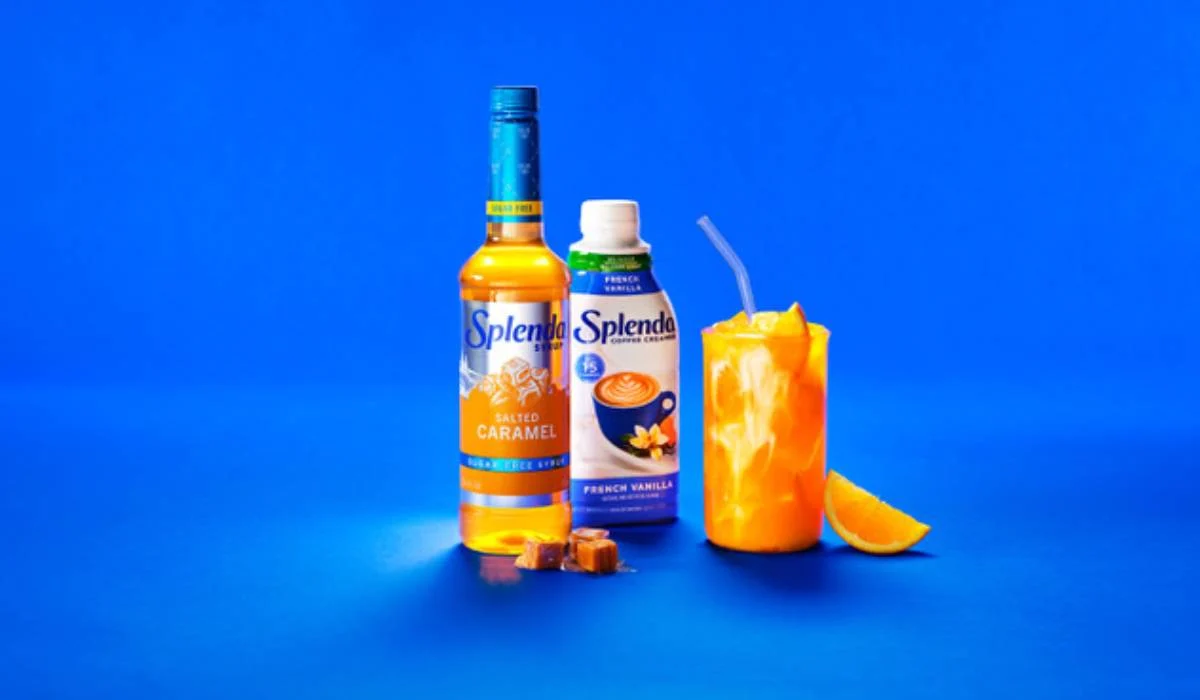
Splenda, the global leader in the zero-sugar sweetener market, has officially launched a comprehensive suite of products designed to help foodservice operators capitalize on the burgeoning "dirty soda" trend while addressing the increasing consumer demand for sugar-free alternatives. This strategic move comes at a time when the beverage industry is undergoing a significant transformation, driven by a shift in consumer preferences toward customization and health-conscious choices. By offering specialized Splenda Creamers and Syrups, the brand is providing restaurant owners, cafe operators, and beverage directors with the tools necessary to create indulgent, high-margin beverages that align with modern dietary restrictions.
The Evolution of the Dirty Soda Phenomenon
The "dirty soda" concept, which originated in the Mountain West region of the United States—specifically Utah—has rapidly transitioned from a regional specialty to a national sensation. Traditionally, a dirty soda consists of a base carbonated beverage, usually a cola or lemon-lime soda, "spiked" with cream, flavored syrups, and often a squeeze of fresh lime. While the trend was initially popularized by regional chains like Swig and Sodalicious, it gained massive international visibility through social media platforms such as TikTok, where the hashtag #DirtySoda has garnered hundreds of millions of views.
According to recent market data from Datassential, the presence of dirty sodas on restaurant menus has increased by a staggering 98 percent in just the past year. This exponential growth highlights a broader shift in the beverage sector where consumers are no longer satisfied with standard fountain drinks. Instead, they are seeking "treat-style" beverages that offer a complex flavor profile and a sense of personalization. However, the traditional dirty soda is often laden with sugar and calories, which creates a barrier for a significant portion of the population. Splenda’s intervention aims to bridge this gap by offering a zero-sugar alternative that maintains the creamy texture and sweet flavor profile of the original recipes.
Analyzing the Consumer Shift Toward Sugar Avoidance
The launch of Splenda’s zero-sugar dirty soda solutions is grounded in robust consumer behavior analytics. A 2024 IFEC Consumer Study revealed that 77 percent of consumers are actively avoiding sugar in their daily diets. This trend is not limited to a specific demographic but spans across Gen Z, Millennials, and older generations who are increasingly concerned with the long-term health implications of high glucose consumption, such as diabetes and obesity.
The rise of "Better-For-You" (BFY) products has forced the foodservice industry to re-evaluate its beverage programs. Historically, diet sodas were the primary option for those avoiding sugar, but today’s consumers demand more than just a lack of sugar; they want an elevated experience. The Splenda Brand Power Study of 2025 confirms that Splenda remains the market leader in the zero-sugar sweetener category, enjoying high brand trust and recognition. By leveraging this brand equity, foodservice operators can signal to their customers that they are using premium, recognizable ingredients to craft their sugar-free custom drinks.
Product Innovation: Creamers and Syrups
At the heart of Splenda’s new initiative are its specifically formulated creamers and syrups. Unlike standard coffee creamers, which may curdle or lose their consistency when mixed with highly acidic carbonated beverages, Splenda’s foodservice-grade creamers are designed to integrate seamlessly with sodas. These products provide the necessary "mouthfeel" and richness that define the dirty soda experience without the caloric load of traditional heavy cream or sweetened condensed milk.
The syrups accompanying this line are also engineered for versatility. Available in a variety of popular flavors—ranging from coconut and vanilla to more exotic fruit profiles—these syrups allow for endless combinations. When paired with diet soft drinks, these components enable operators to market "Zero-Sugar Dirty Sodas," a category that previously existed only as a niche DIY option for consumers.
Strategic Implications for Foodservice Operators
For restaurant and cafe operators, the introduction of zero-sugar dirty soda solutions represents a significant opportunity for margin expansion. Beverages generally carry some of the highest profit margins in the foodservice industry. By adding a "premium" layer to a standard diet soda—charging an upcharge for the addition of Splenda syrups and creamers—operators can significantly increase the average check size without substantially increasing labor costs.
Furthermore, the "dirty soda" trend provides an avenue for "all-day" traffic. While traditional soda sales often peak during lunch and dinner hours, custom flavored sodas are frequently consumed as mid-afternoon snacks or evening treats. This helps operators drive revenue during traditionally slow periods. The ease of implementation is another key factor; Heartland Food Products Group, the parent company of Splenda, has streamlined the process by offering free samples and recipe guides through their "Heartland Away From Home" portal, allowing businesses to test the concept with minimal initial investment.
Chronology of the Zero-Sugar Movement in Foodservice
The trajectory of sugar substitutes in the hospitality sector has moved through several distinct phases:
- The Early Era (1950s–1980s): The introduction of Saccharin and Aspartame provided the first diet alternatives, primarily sold in packets or pre-bottled cans.
- The Splenda Revolution (1990s–2010s): Sucralose (Splenda) entered the market, offering a more heat-stable and sugar-like taste profile, leading to its dominance in coffee stations and baking.
- The Customization Wave (2015–2022): The rise of specialized coffee chains led to a demand for sugar-free syrups. Consumers began asking for "skinny" versions of lattes and macchiatos.
- The Current "Dirty Soda" Era (2023–Present): The focus has shifted to cold, carbonated beverages. The demand is no longer just for a sugar-free coffee, but for a sugar-free "mocktail" or "treat soda" that feels indulgent.
Splenda’s 2024–2025 strategy reflects the culmination of this timeline, recognizing that the "sugar-free" label is no longer a niche diet requirement but a mainstream consumer expectation.
Technical Analysis of Market Leadership
Splenda’s position as the market leader, as cited in the 2025 Brand Power Study, is a result of consistent product evolution. Unlike some natural sweeteners that carry a bitter aftertaste or sugar alcohols that can cause digestive issues for some consumers, sucralose-based Splenda has maintained a flavor profile that closely mimics cane sugar. This taste parity is crucial in the dirty soda category, where the sweetener must compete with the strong flavors of cola, root beer, and citrus-based sodas.
From a logistics standpoint, Heartland Food Products Group has optimized its "Away From Home" division to cater specifically to the needs of high-volume operators. This includes providing shelf-stable options that do not require extensive refrigeration, thereby saving valuable back-of-house space.
Broader Economic and Health Context
The move toward zero-sugar beverage solutions is also happening against a backdrop of shifting public policy and pharmaceutical advancements. Many municipalities have implemented "sugar taxes" on sugar-sweetened beverages (SSBs) to curb consumption. By offering zero-sugar alternatives, foodservice operators can often bypass these taxes, maintaining competitive pricing for the end consumer.
Additionally, the rise of GLP-1 receptor agonists (such as Ozempic and Wegovy) has begun to influence food and beverage purchasing habits. Patients on these medications often report a decreased desire for high-sugar foods but still seek flavorful, hydrating beverages. Splenda’s zero-sugar dirty soda solutions provide a "safe" indulgence for this growing segment of the population, ensuring that restaurants do not lose these customers to home-based alternatives.
Implementation and Availability
To facilitate a rapid rollout, Splenda has initiated a sampling program. Foodservice operators are encouraged to request free samples at the Heartland Away From Home website. This initiative is designed to lower the barrier to entry, allowing chefs and beverage managers to experiment with "Zero-Sugar Dirty Soda" menus before committing to full-scale procurement.
The program includes suggested pairings, such as:
- The Zero-Sugar Island Soda: Diet lemon-lime soda, Splenda Coconut Syrup, Splenda Creamer, and a fresh lime wedge.
- The Skinny Root Beer Float: Diet root beer, Splenda Vanilla Syrup, and Splenda Creamer.
- The Low-Calorie Berry Blast: Diet cola, Splenda Raspberry Syrup, and a splash of Splenda Creamer.
Conclusion: The Future of Beverage Customization
As the foodservice industry continues to recover and evolve in a post-pandemic economy, innovation in the beverage category remains a primary driver of growth. The "dirty soda" trend is not merely a fleeting social media fad but a reflection of the modern consumer’s desire for beverages that are experiential, customizable, and compatible with a healthy lifestyle.
Splenda’s introduction of zero-sugar creamers and syrups for the dirty soda market is a calculated response to a 98 percent increase in menu presence and a 77 percent consumer avoidance of sugar. By providing high-quality, zero-sugar building blocks, Splenda is enabling operators to meet the moment, ensuring that the future of the American beverage landscape is both flavorful and functional. As the industry moves toward 2026, the integration of health-conscious ingredients into traditionally indulgent categories will likely become the standard, rather than the exception, in foodservice excellence.