admin
admin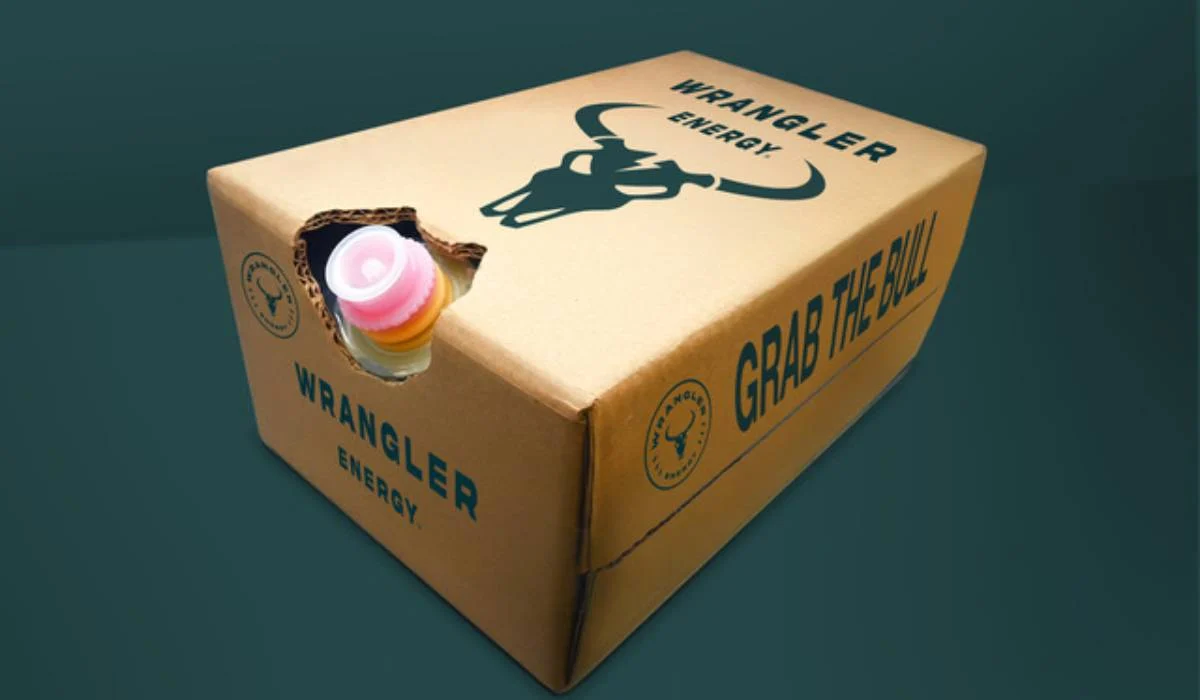
The landscape of the American beverage industry is undergoing a significant transformation as consumer preferences shift toward functional, high-energy options that offer both convenience and value. In a strategic move to capitalize on these evolving trends, Heartland Food Products Group has announced the launch of Wrangler Energy, a new fountain beverage solution designed specifically for foodservice operators. Delivered via the industry-standard Bag-In-Box (BIB) system, Wrangler Energy aims to provide a high-margin, high-efficiency alternative to traditional canned energy drinks, allowing restaurant owners, convenience store operators, and hospitality managers to integrate energy beverages directly into their existing fountain infrastructure.
The introduction of Wrangler Energy comes at a critical juncture for the foodservice sector. According to recent market data from Datassential, the energy drink category is projected to experience a robust growth rate of 33 percent over the next four years, reaching new heights by July 2026. This trajectory underscores a broader cultural shift where energy drinks are no longer viewed merely as niche products for athletes or students, but as daily staples for a diverse demographic of consumers seeking mental clarity and physical stamina throughout the day. By offering an energy solution at the fountain, Heartland is positioning Wrangler Energy as a disruptive force in a market traditionally dominated by ready-to-drink (RTD) cans and bottles.
Technical Specifications and Nutritional Profile
Wrangler Energy is formulated to compete directly with the leading premium energy brands in terms of efficacy and flavor profile. Each serving is engineered to deliver 80 mg of caffeine, a standardized amount that aligns with the industry benchmark for a functional energy boost. In addition to its caffeine content, the beverage is fortified with a comprehensive blend of B vitamins, which are essential for metabolic function and sustained energy release.
The decision to utilize the Bag-In-Box format is a central component of the product’s value proposition. For foodservice operators, the BIB system offers several logistical advantages over individual cans. It reduces the amount of storage space required in back-of-house operations, minimizes packaging waste, and streamlines the recycling process. Furthermore, the BIB system allows for consistent portion control and carbonation levels, ensuring that every pour meets the quality standards expected by the consumer. From a financial perspective, fountain-dispensed beverages typically offer significantly higher profit margins compared to pre-packaged goods, as the cost per ounce is drastically lower when purchased in concentrated syrup form.
Strategic Versatility in Menu Engineering
Beyond its role as a standalone refreshment, Wrangler Energy is being marketed as a versatile component for modern menu engineering. The beverage’s flavor profile and carbonation make it an ideal base for a wide array of drink applications, ranging from non-alcoholic mocktails to sophisticated cocktails.
The rise of the "sober-curious" movement and the increasing demand for complex non-alcoholic beverages have forced foodservice operators to rethink their drink menus. Wrangler Energy provides a functional "kick" that traditional sodas lack, making it an attractive ingredient for bartenders and mixologists looking to create signature energy-infused mocktails. In nightlife and casual dining settings, the product serves as an efficient mixer for spirits, offering a consistent and cost-effective alternative to pouring multiple cans of premium energy drinks for a single round of cocktails. This versatility allows operators to maximize the utility of a single fountain head, catering to different dayparts and consumer needs without increasing inventory complexity.
Market Context and the Growth of Functional Beverages
The 33 percent growth projection cited by Datassential is reflective of a larger trend toward functional hydration. In the post-pandemic era, consumers have become increasingly health-conscious but remain driven by the need for productivity. This has led to the "premiumization" of the beverage category, where consumers are willing to pay more for drinks that offer specific benefits beyond simple thirst quenching.
Historically, the energy drink market was built on the success of brands like Red Bull and Monster, which relied heavily on individual retail sales through convenience stores and gas stations. However, as energy drinks move into the mainstream, they are becoming integrated into the dining experience. Quick-service restaurants (QSRs) and fast-casual chains are recognizing that offering an energy option at the fountain can increase the average check size and improve customer loyalty, particularly among Gen Z and Millennial cohorts who are the primary drivers of the category’s growth.
The shift toward fountain energy drinks also addresses a gap in the market regarding customization. Modern consumers, particularly those frequenting establishments with self-service fountain machines, value the ability to mix and match flavors. By providing Wrangler Energy as a base, operators allow customers to create their own "energy fusions" by mixing the product with other fountain flavors, such as lemonade, cherry, or lime.
Operational Impact and Sustainability
For the modern foodservice operator, efficiency is the cornerstone of profitability. The labor-intensive process of stocking, chilling, and disposing of hundreds of aluminum cans can be a drain on resources. Wrangler Energy’s BIB format integrates seamlessly into existing beverage manifolds, requiring no additional equipment for most standard setups. This "plug-and-play" capability ensures that staff can focus on food preparation and customer service rather than inventory management of individual beverage units.
Sustainability is another factor driving the adoption of BIB systems. The environmental footprint of transporting concentrated syrup is significantly smaller than that of transporting finished, water-heavy beverages in cans or bottles. By reducing the volume and weight of the product during transit, Heartland Food Products Group is helping its partners reduce their carbon emissions. Additionally, the reduction in single-use plastic and aluminum waste at the site of consumption aligns with the corporate social responsibility (CSR) goals of many large-scale foodservice organizations.
Industry Reactions and Competitive Landscape
While Heartland Food Products Group has been a long-standing player in the sweetener and beverage enhancement space, the launch of Wrangler Energy through its "Heartland Away From Home" division marks a bold expansion into the functional beverage sector. Industry analysts suggest that this move could prompt other major beverage syrup manufacturers to accelerate their own energy drink offerings for the fountain.
Initial feedback from industry consultants indicates that the "first-mover advantage" in the fountain energy space is significant. Operators who adopt these systems early can differentiate themselves from competitors who only offer traditional colas and teas. By being among the first to offer a high-quality energy drink from the fountain, establishments can capture a larger share of the morning and mid-afternoon "pick-me-up" traffic, which is traditionally dominated by coffee shops and convenience stores.
Timeline for Implementation and Availability
The rollout of Wrangler Energy is currently underway, with Heartland Food Products Group actively soliciting partnerships with national and regional foodservice chains. To facilitate the transition, the company has launched a dedicated sampling program. Foodservice operators can request free samples through the Heartland Away From Home digital portal, allowing them to test the product’s flavor profile and performance within their specific equipment configurations.
As the industry moves toward the 2026 growth milestone, the presence of energy drinks on the fountain is expected to become a standard feature rather than a novelty. The period between 2024 and 2026 will likely see a surge in "energy-based" menu innovations as chefs and beverage directors experiment with the BIB format.
Conclusion: A New Era for the Beverage Fountain
The introduction of Wrangler Energy represents more than just a new product launch; it signifies the maturation of the energy drink category. By moving from the refrigerated case to the fountain, energy drinks are shedding their image as a specialized supplement and taking their place as a core component of the modern American diet.
For the operator, the benefits are clear: higher margins, reduced waste, and the ability to meet a rapidly growing consumer demand. For the consumer, the availability of Wrangler Energy at the fountain offers a more affordable and customizable way to access the functional benefits they seek. As the beverage industry continues to evolve, the integration of functional ingredients into traditional delivery systems like the Bag-In-Box will likely define the next decade of foodservice innovation. Heartland Food Products Group, through Wrangler Energy, is positioning itself at the forefront of this shift, providing the tools necessary for operators to thrive in an increasingly competitive and energy-dependent market.