admin
admin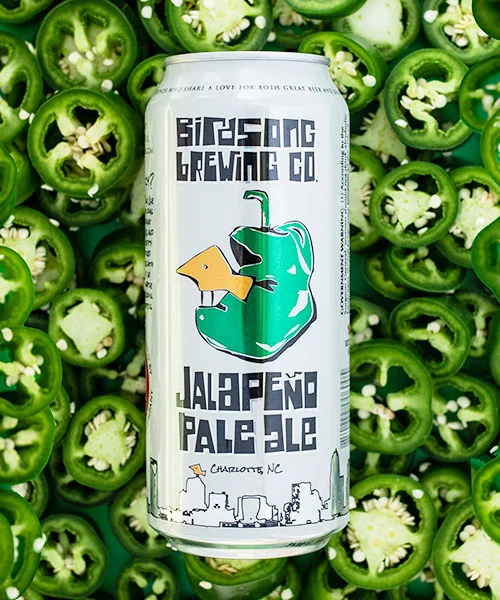
While beer has long been categorized by the bitterness of its hops or the sweetness of its malts, a growing segment of the American craft beer market is embracing the "bite" of the chili pepper. This movement represents more than a mere novelty; it is a sophisticated expansion of the "chili beer" category, which has evolved from 1990s-era gimmicks into a respected discipline requiring precise chemistry and culinary restraint. From the smoky depths of chipotle-infused sours in Brooklyn to the searing heat of habanero blondes in Kentucky, the spicy beer landscape is redefining the boundaries of the pint glass.
The Science and Chemistry of the Spicy Brew
The physiological appeal of spicy beer lies in a complex interaction between alcohol, carbonation, and capsaicin. Capsaicin, the active component of chili peppers, is an irritant for mammals, producing a sensation of burning in any tissue with which it comes into contact. In the context of brewing, this presents a unique challenge: alcohol is a solvent for capsaicin, meaning that higher ABV (alcohol by volume) beers can actually amplify the perceived heat of the pepper, while the carbonation provides a mechanical scrubbing action on the tongue that further distributes the spice.
Brewers must navigate what industry experts call the "maximalist approach"—the ability to deliver a heat that builds and lingers without overwhelming the delicate ester profiles of the base beer. Unlike milk, which contains casein that binds to capsaicin and washes it away, beer offers a different experience. The effervescence of a lager or pale ale acts as a temporary cooling agent, but the subsequent release of heat creates a rhythmic cycle of "burn and relief" that many enthusiasts find addictive.
A Chronology of the Chili Beer Movement
The integration of peppers into beer is not a modern invention, but its professionalization is relatively recent. In the late 20th century, chili beers were often viewed as "dare" drinks, frequently featuring a single serrano pepper dropped into a bottle of light lager. However, the timeline of the modern craft spicy beer movement shows a shift toward integration rather than infusion.
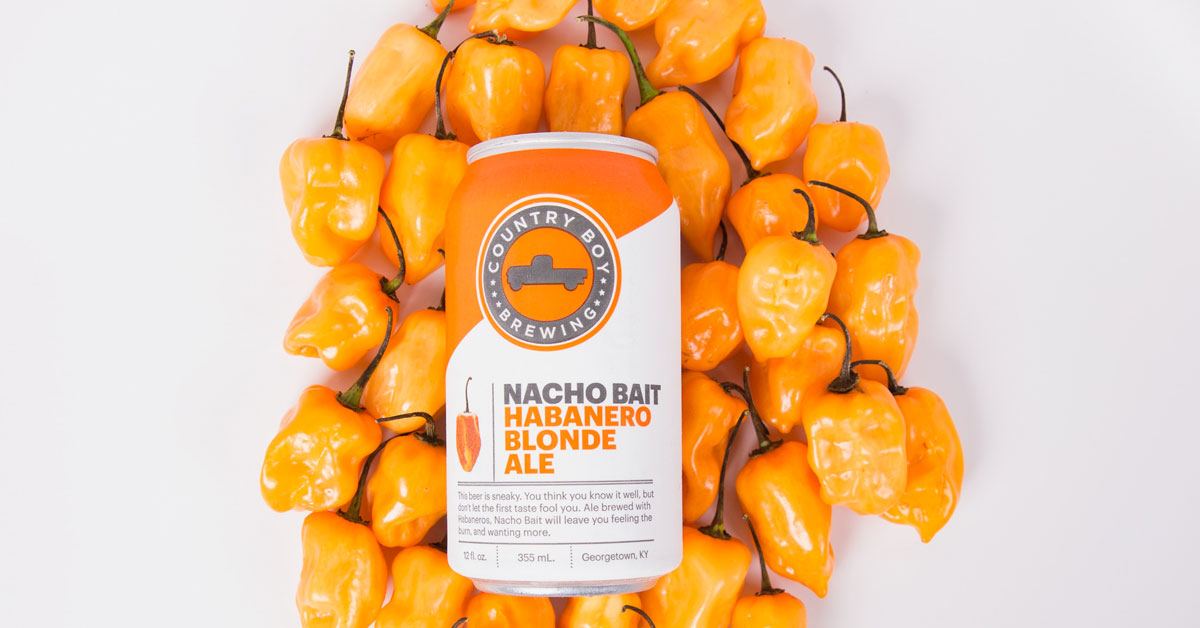
By the early 2010s, as the American palate became increasingly accustomed to global cuisines—specifically those of Southeast Asia, Mexico, and the American Southwest—brewers began experimenting with peppers as a legitimate botanical ingredient. In 2012 and 2013, foundational breweries like Country Boy Brewing in Kentucky and Birdsong Brewing in North Carolina began refining their processes, moving away from the "heat for heat’s sake" mentality.
The mid-2020s have seen the pinnacle of this evolution. In 2024, the Brewers Cup of California and the Great American Beer Festival (GABF) continued to see high engagement in the "Chili Beer" category. This category is distinct from "Herb and Spice" beers, which focus on aromatics like cinnamon or nutmeg. The chili category specifically rewards the balanced delivery of pepper flavor, aroma, and heat.
Regional Innovations and Case Studies
The geographical diversity of spicy beer production in the United States highlights how local culinary traditions influence brewing decisions.
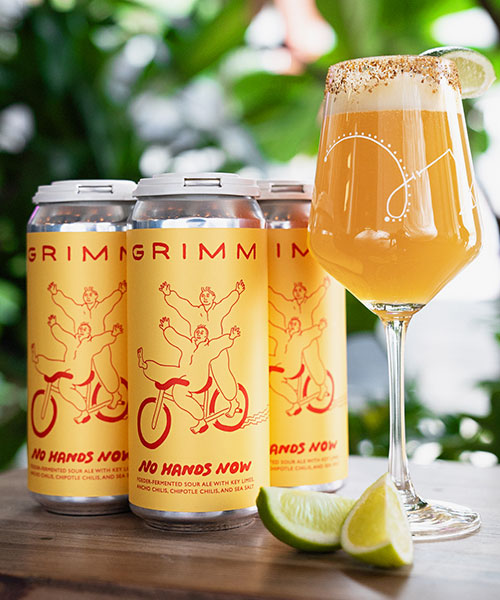
In Brooklyn, New York, Grimm Artisanal Ales has pioneered the "Michelada-inspired" ale. Their "No Hands Now" release utilizes an oak foeder fermentation process, which introduces tartness and complexity through resident microbes. By steeping the finished beer in ancho and chipotle chiles and adding lime juice and sea salt, the brewery replicates the flavor profile of a cocktail within the framework of a low-ABV sour. This approach treats the pepper as a structural component of the beer’s acidity rather than a standalone heat source.
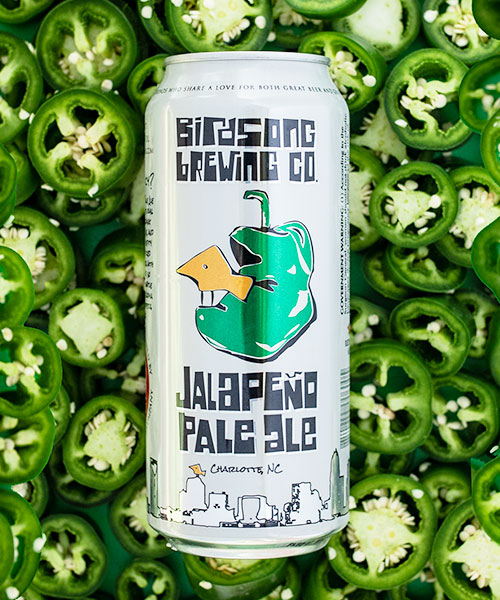
Conversely, in the South, Birdsong Brewing Co. of Charlotte, North Carolina, has scaled the production of its Jalapeño Pale Ale to meet massive consumer demand. During the peak jalapeño season from June through November, the brewery processes approximately 400 pounds of locally grown peppers. Their methodology involves removing the seeds to mitigate extreme heat, focusing instead on the vegetal, "green" aroma of the pepper. This reflects a broader industry trend where "contact time"—the duration the peppers spend in the liquid—is considered more critical than the sheer volume of peppers used.
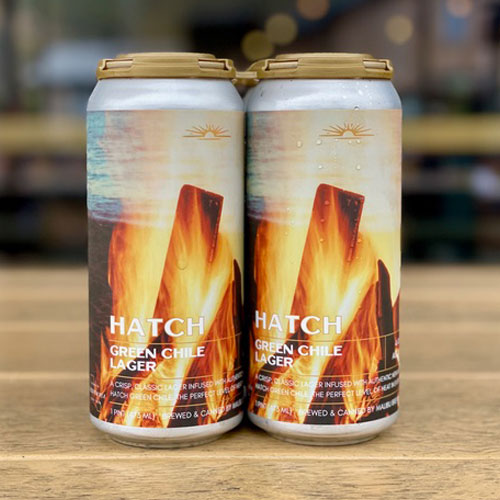
In the West, Malibu Brewing has found success with its Hatch Chile Lager, which took home gold at the Brewers Cup of California. This beer serves as a cultural bridge, utilizing the "sacred" Hatch green chiles of New Mexico. By using a crisp Mexican-style lager as the base, the brewery allows the smoky, earthy notes of the roasted peppers to take center stage, proving that spicy beers can be as refreshing as they are piquant.
Market Data and Consumer Trends
Supporting data from the craft beer sector suggests that the "spice" trend is a response to consumer "palate fatigue." After a decade dominated by Hazy IPAs and extremely high-acid sours, the introduction of savory and spicy notes offers a "rebuttal to predictability."
Industry analysts note that the spicy food market in the U.S. has seen a Compound Annual Growth Rate (CAGR) of over 5% in the last five years. Craft breweries are capitalizing on this by positioning chili beers as the ultimate food-pairing tool. Recommendations from brewers often include pairing these ales with non-spicy "fatty" foods—such as grilled cheese, smashburgers, or fried mozzarella—which allow the capsaicin to cut through the richness of the meal.
Furthermore, the "extreme heat" segment of the market continues to grow. Events like the "Deal With the Devil Challenge" at Burning Barrel Brewing Co. and the "Signal One Challenge" at Maltese Brewing Co. (which uses the Carolina Reaper, one of the world’s hottest peppers) cater to a niche but vocal demographic of "chiliheads." These beers often reach Scoville levels that require participants to sign waivers, mirroring the viral success of media properties like "Hot Ones."
Technical Analysis: Methods of Infusion
The methodology of introducing heat into a batch of beer is a point of significant technical debate among brewmasters. There are four primary stages at which peppers can be added:
- The Mash or Boil: Adding peppers early in the process provides a deep, cooked-vegetable flavor but often dissipates the more volatile aromatic compounds.
- Fermentation: Adding peppers during primary or secondary fermentation allows the yeast to interact with the pepper sugars, often resulting in a more integrated flavor profile.
- Post-Fermentation (Dry-Pepping): Similar to dry-hopping, this method involves steeping peppers in the finished beer. This is the most common method for preserving the "fresh" aroma of peppers like jalapeños or habaneros.
- Powders and Extracts: While some large-scale operations use habanero powder or pepper extracts for consistency, craft brewers generally view fresh or roasted whole peppers as the gold standard for quality.
The variation in heat can also be seasonal. As Pete Weiss of Country Boy Brewing noted, homegrown summer peppers are often significantly spicier than store-bought winter varieties, requiring brewers to adjust their recipes batch-by-batch to maintain a consistent consumer experience.
Broader Impact and Industry Implications
The rise of spicy beer signifies a broader maturation of the craft beer industry. It represents a move toward "culinary brewing," where the goal is not just to produce a beverage, but to create a liquid dish. The success of Bell’s Brewery’s Mango Habanero Oberon—which has achieved "cult status" since its 2020 debut—demonstrates that even the largest craft brands can successfully integrate heat into their flagship lineups.
However, the trend also presents challenges. The volatile nature of capsaicin makes it difficult to ensure shelf stability, and "pepper burn" can vary wildly from one consumer to the next. For the industry, the implication is clear: spicy beer is no longer a fringe experiment. It is a versatile, food-friendly, and increasingly profitable category that appeals to the modern consumer’s desire for "maximalist" sensory experiences.
As breweries continue to push the boundaries of the Scoville scale, the spicy beer movement is likely to remain a permanent fixture on taproom menus across the country. Whether as a cooling antidote to a summer heatwave or a fiery companion to a winter meal, these brews have proven that for many beer drinkers, the best pints are the ones that bite back.