admin
admin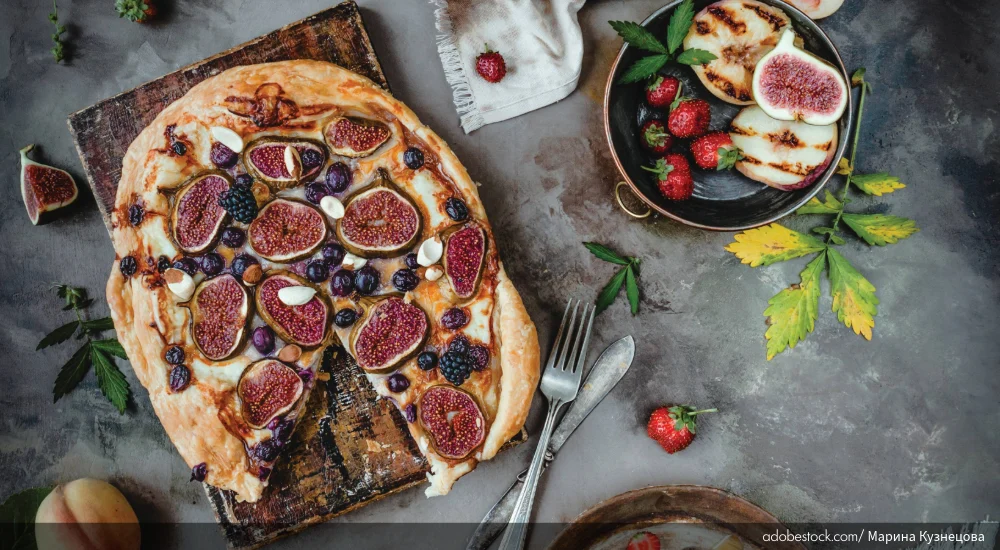
The Evolving Landscape of Pizzeria Offerings and Consumer Demand
The modern culinary landscape demands continuous innovation, and pizzerias are no exception. While traditional savory pizzas remain core offerings, consumer preferences are shifting towards diversified menus that offer unique experiences. Industry reports indicate a growing demand for specialized dessert options in casual dining establishments. A recent market analysis, for instance, suggests that dessert sales can account for an additional 10-15% of a restaurant’s total revenue, with unique and visually appealing items often commanding higher price points and generating significant social media engagement. For pizzerias, integrating dessert pizzas leverages existing infrastructure—namely, the oven and dough production—with minimal additional investment in specialized equipment, offering a high-margin product that differentiates them in a competitive market. This trend is not merely about adding a sweet item; it’s about reimagining the very essence of pizza dough as a canvas for a complete culinary journey, from appetizer to main course to a memorable finale.
The Rise of Dessert Pizza in Competitive Arenas
The increasing sophistication of dessert pizzas is evident not only on restaurant menus but also in high-stakes culinary competitions. Events like The Great American Pizza Challenge, hosted at Pizza Expo Columbus, and the International Pizza Challenge at the flagship Pizza Expo, serve as critical platforms for showcasing innovation and setting industry standards. These competitions, which attract pizzaiolos from across the globe, feature various categories designed to push creative boundaries. The "nontraditional" category, in particular, has seen a remarkable resurgence of dessert pizza entries over the past two decades.
Scott Anthony, owner of Punxsy Pizza in Punxsutawney, Pennsylvania, and a seasoned judge at the International Pizza Challenge for 20 years, has observed this evolution firsthand. "These have been getting very creative and upscale," Anthony notes, highlighting a significant shift from simpler dessert concepts like "Cinna-Stix" to elaborate creations utilizing gourmet ingredients. Competitors are now incorporating sophisticated elements such as premium Nutella variants, exotic fruits, high-quality Dubai chocolate, and artisanal pistachios. Anthony emphasizes that judging these intricate sweet entries against their savory counterparts is not as challenging as one might assume, given the clear criteria for balance, creativity, and execution that apply across all categories. This competitive environment fosters a culture of innovation, driving pizzaiolos to experiment with new flavor profiles, textures, and presentation techniques, ultimately benefiting the wider industry.
Pizza Expo Columbus, a significant event for the Midwest pizza industry, is scheduled to return to the Greater Columbus Convention Center on October 11-12, 2026. This gathering provides a comprehensive platform for industry professionals to learn, network, shop for new equipment and ingredients, and participate in or observe competitions like The Great American Pizza Challenge. Registration for the 2026 event is already open, inviting participants to showcase their skills, including their mastery of dessert pizza, to a panel of expert judges and a broad audience of peers and potential customers.
Defining Types of Dessert Pizza
While the possibilities for dessert pizza are virtually endless, they can broadly be categorized into several archetypes based on their preparation and presentation. Understanding these foundational types can help operators conceptualize their own unique offerings:
-
The "Sweetened Dough" Pizza: This category often involves the pizza dough itself being a primary sweet component, either through the incorporation of sugar into the dough recipe or by frying/baking and then coating it in sweet toppings. A classic example is the Italian Zeppole, which can be adapted from pizza dough. Small balls of dough are fried until golden, then filled with luscious creams, rich chocolate, or fruit jams, and finally dusted with a generous amount of powdered sugar. Similarly, dough cut into small squares, deep-fried, and tossed in cinnamon-sugar or powdered sugar offers a simpler, yet equally satisfying, sweet treat. For a more sophisticated presentation, dough can be molded into a cone shape, fried, sugared, and then filled with a scoop of premium ice cream or whipped cream, creating an elegant, handheld dessert.
-
The "Topped Crust" Pizza: This is perhaps the most direct adaptation, where a baked pizza crust serves as a base for an array of sweet toppings, mimicking the structure of a savory pizza. This type allows for immense creativity, leveraging a wide variety of sauces, fruits, chocolates, and confections. Examples range from simple Nutella and banana pizzas to more elaborate creations featuring caramel apple compotes, berry crumbles, or even sophisticated combinations of cheeses and fruit drizzles. The key here is the interplay between the crispness of the crust and the richness of the toppings.
-
The "Deconstructed/Innovative" Pizza: This category pushes the boundaries, often using pizza dough as a component in a dessert that doesn’t necessarily resemble a traditional pizza slice. Think of dessert calzones filled with sweet ricotta and chocolate, or "pizza rolls" stuffed with fruit and cream cheese. Scott Anthony’s own restaurant, Punxsy Pizza, exemplifies this innovation with offerings like baked pizza dough topped with delicate cannoli cream and a fig drizzle, or dough squares stuffed with a Milky Way candy bar and deep-fried. These items demonstrate how the versatility of pizza dough can be harnessed to create entirely new dessert experiences, moving beyond the flat, round form factor.
Eight Crucial Considerations for Crafting Competition-Level Dessert Pizzas
Developing a truly exceptional dessert pizza requires careful attention to detail, balancing textures, moisture levels, and sweetness to ensure structural integrity and a harmonious flavor profile. Here are eight critical considerations for pizzaiolos venturing into this sweet domain:
-
Pick Your Base Wisely: The foundation is paramount. While traditional pizza dough is an excellent starting point due to its familiarity and versatility, other bases can offer unique characteristics. Consider laminated dough for a flaky, pastry-like crust, or a brownie, cookie, or even a thin cake layer for a denser, richer foundation. The choice of base will dictate the overall texture and sweetness profile of the final product. For instance, a denser brownie base might pair well with lighter, tart fruit toppings, while a traditional pizza dough could support richer, creamy sauces.

-
Create a Moisture Barrier: One of the most common challenges with fruit-heavy dessert pizzas is preventing the crust from becoming soggy due to the release of fruit juices. A strategic moisture barrier is essential. A thin layer of neutral-flavored cheese, such as low-moisture mozzarella, applied directly to the dough before baking can effectively seal the crust, preventing moisture migration. This barrier also serves a dual purpose by inhibiting the crust from "ballooning" excessively in the oven, especially if the majority of toppings are added post-bake. Other techniques include par-baking the crust until crisp, straining cooked fruits to remove excess liquid, or incorporating thickening agents like tapioca starch, cornstarch, or a small amount of flour into fruit fillings.
-
Master Your Sauces: Sauces are a critical element, adding depth, flavor, and visual appeal. The options are vast: rich chocolate ganaches, vibrant homemade fruit jams and chutneys, tangy citrus curds, luscious caramel, and even sweet whipped or flavored ricottas and cream cheeses. The consistency and flavor of the sauce must complement the other components without overwhelming them. For instance, a tart berry coulis can cut through the richness of a cream-based topping, while a robust chocolate sauce might demand a plainer crust.
-
Cool it Down Strategically: While serving pizza warm is often desired, for dessert pizzas featuring richer, more delicate sauces like caramel, chocolate, or flavored ricotta, allowing the crust to cool slightly after baking is crucial. This cooling period permits the crust to release excess heat and steam, preventing post-bake toppings from melting into a messy, soggy pool. Though challenging on a busy service night, this small step can significantly enhance the final presentation and texture, ensuring toppings maintain their integrity and visual appeal.
-
Layer Your Toppings Thoughtfully: The timing of topping application can dramatically affect the final product. Some toppings, like certain fruits or sturdy chocolates, can be added before baking. Others, such as fresh berries, delicate herbs, or marshmallows, benefit from being added in stages. Pulling the pizza out of the oven halfway or three-quarters through the bake allows for the addition of heat-sensitive ingredients, ensuring they are warmed and slightly toasted without becoming burnt or overcooked. This multi-stage approach creates layers of texture and flavor, adding complexity to the dessert.
-
Embrace the Sprinkle and Crunch: Texture is key to an engaging dessert. Incorporating crunchy elements adds a delightful contrast to softer components. Nuts (pecans, walnuts, almonds, pistachios), seeds (sunflower, pumpkin, black sesame for visual contrast), chocolate chips, maple candy, crushed cookies, brittle, and graham crackers are all excellent choices. Sprinkles, while seemingly simple, can add a pop of color and a playful element. Black sesame seeds, in particular, offer a sophisticated touch with their unique color and subtle nutty flavor, moving beyond conventional sweet toppings.
-
Don’t Forget the Salt and Herbs: Even in a dessert, balance is paramount. A pinch of finishing salt can enhance and deepen sweet flavors, preventing the dessert from becoming cloyingly sweet. Similarly, fresh herbs like mint, basil, thyme, or rosemary can introduce unexpected aromatic notes that elevate the overall profile. A delicate sprig of sugared thyme, for instance, can add both visual appeal and a refreshing herbal counterpoint to a rich fruit and cheese pizza. These elements transform a simple sweet treat into a more sophisticated culinary experience.
-
The Art of the Drizzle: A final drizzle adds another layer of flavor, moisture, and visual appeal. Beyond traditional chocolate or caramel, consider infused honeys (e.g., lavender or chili-infused), specialty syrups, or even a high-quality olive oil, which can add a subtle fruitiness and richness. For a truly sophisticated finish, don’t shy away from acidic elements like fresh citrus juices (lemon, lime, orange) or a well-aged balsamic glaze. A touch of acidity can cut through richness, brighten flavors, and create a more balanced and intriguing dessert.
Operationalizing Dessert Pizzas for Your Menu
Once a perfect dessert pizza recipe has been developed, the next crucial step is seamless integration into the restaurant’s operational flow. Efficient prep is paramount, especially since dessert pizzas might not sell in the same volume as savory pies. Pre-slicing fruits, preparing finishing sauces or creams in easily accessible squeeze bottles, and having crunchy toppings readily at hand on the line ensures quick assembly and consistent quality during service.
For operators hesitant to commit to a permanent menu addition, daily or weekly specials offer a low-risk, high-reward strategy. These limited-time offerings generate excitement and allow for experimentation without overhauling the main menu. Anna Crucitt, the acclaimed gelato maker behind Mercurio’s in Pittsburgh, exemplifies this strategy with her "Gelato for Breakfast" event held one day each February. This unique annual special features custom gelato flavors, generating immense buzz and anticipation throughout the year. As Crucitt notes, Mercurio’s will "put gelato on any pizza—either with berries, bananas and chocolate sauce or Nutella," but the exclusivity of the February event transforms it into a highly anticipated culinary experience, driving customer engagement and loyalty. This approach demonstrates how carefully curated specials can become signature events that build brand identity and drive traffic.
Inspiring Dessert Pizza Examples
The journey into dessert pizza can begin with a few tried-and-true concepts, offering a blend of familiarity and innovation:
-
Blackberry Jam, Triple-Cream Cheese, Sugared Thyme: A thin layer of shredded mozzarella is baked onto pizza dough. Halfway through, a generous spread of blackberry jam is added. Upon removal from the oven, thin slices of a favorite triple-cream cheese (such as Brie or Saint-André) are laid over the jam, allowing the residual heat to melt them slightly. A final topping of crumbled and sugared fresh thyme adds an aromatic, slightly herbaceous counterpoint to the sweet and creamy components.

-
Caramel Apple Pie Pizza: Thinly sliced apples are cooked down with cinnamon and sugar until tender. These are then layered over a thin base of cheese on the pizza dough, creating a barrier against moisture. Strips of pizza dough are artfully woven across the apples to mimic a traditional pie crust. After baking, a rich caramel sauce is drizzled generously over the top. For an ultimate indulgence, a giant scoop of vanilla bean gelato or ice cream can be placed in the center just before serving.
-
Strawberry Rhubarb Crumble Pizza: Fresh strawberries and rhubarb can be either cooked down into a pie-like filling or scattered directly onto the pizza crust. Halfway through the bake, a classic crumble topping (made from oats, flour, brown sugar, and butter) is sprinkled over the fruit. The pizza finishes baking, resulting in a warm, fruity, and crunchy dessert reminiscent of a classic crumble.
-
Sicilian Stuffed Almond Croissant: This innovative creation begins with a Sicilian dough, cut in half. The first half is gently pressed out, then generously sprinkled with almond paste, roasted and crushed almonds, sugar, and cinnamon. The second half of the dough is then layered on top, sealed, and allowed to rise before baking. Once out of the oven, it’s brushed with melted butter and dusted with powdered sugar, offering a rich, flaky, and intensely almond-flavored pastry-pizza hybrid.
-
Chocolate Hazelnut & Berry Dream: A par-baked pizza crust is spread with a generous layer of high-quality chocolate-hazelnut spread (like Nutella). It’s then topped with a mix of fresh raspberries, blueberries, and sliced strawberries. A final dusting of powdered sugar and perhaps a drizzle of white chocolate sauce adds visual appeal and an extra layer of sweetness.
-
S’mores Pizza: This nostalgic treat starts with a pizza crust lightly brushed with melted butter and sprinkled with cinnamon sugar. Marshmallows are scattered generously over the crust, along with chocolate chips and crushed graham crackers. Baked until the marshmallows are golden and gooey, it evokes the classic campfire dessert.
-
Lemon Ricotta & Candied Citrus: A thin layer of sweetened ricotta cheese (mixed with lemon zest and a touch of sugar) is spread on a par-baked crust. This is topped with thinly sliced candied lemon and orange peel. A light drizzle of honey and a scattering of fresh mint leaves after baking complete this bright and refreshing dessert.
-
Tropical Delight Pizza: A coconut cream base (sweetened coconut milk thickened slightly) is spread on a crust. This is topped with fresh pineapple chunks, mango slices, and toasted coconut flakes. A hint of lime zest can be grated over the top for a vibrant finish.
Whether the aim is to diversify a restaurant’s menu or to compete at the highest level, the philosophy remains consistent: build the dessert pizza with components that complement each other, ensuring a harmonious balance of tastes and textures. Just as with any savory pizza, the interplay of contrasting flavors and mouthfeels is what elevates a simple dish into an unforgettable culinary experience. The journey into dessert pizza is an invitation to explore the boundless potential of dough, transforming it into a sweet symphony that delights and satisfies.
Audrey Kelly, owner of Audrey Jane’s Pizza Garage in Boulder, Colorado, underscores the importance of this thoughtful approach, reminding pizzaiolos that creativity, balance, and quality are the pillars upon which decadent dessert pizzas are built. The evolution of dessert pizza is not just a trend; it’s a testament to the enduring adaptability of pizza and the innovative spirit of those who craft it.