admin
admin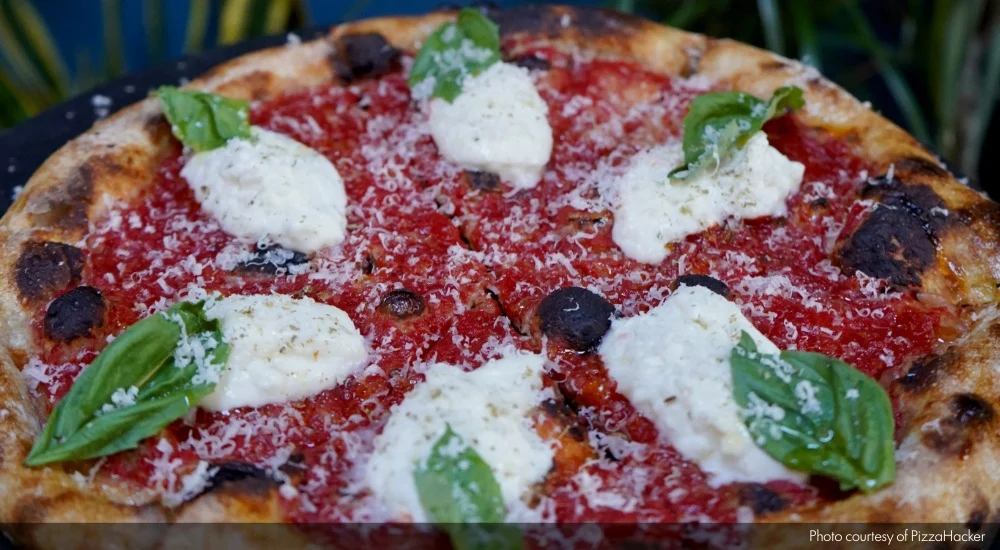
PizzaHacker’s origin story is a quintessential San Francisco tale, embodying the city’s spirit of innovation, entrepreneurship, and culinary artistry. What began as a backyard experiment with a jury-rigged grill has blossomed into a beloved Bay Area institution, recently embarking on a new chapter under dynamic leadership. This narrative is not merely about pizza; it’s a testament to the power of passion, community, and the relentless pursuit of culinary excellence within one of the world’s most vibrant food cities.
The Genesis of a Cult Classic: From FrankenWeber to Phenomenon
The story of PizzaHacker begins around 2010 with founder Jeffrey Krupman, a visionary pizzaiolo who eschewed traditional methods in favor of audacious experimentation. In the bustling streets near Mission Dolores, Krupman cultivated a loyal following by crafting pies from a sidewalk grill he affectionately dubbed the "FrankenWeber." This improvised kettle grill, a marvel of backyard engineering, was capable of reaching searing temperatures upwards of 1,000 degrees Fahrenheit, mimicking the intense heat of a professional wood-fired oven. This high-temperature environment is crucial for achieving the characteristic blistered crust, rapid cooking, and distinct flavor profile synonymous with Neapolitan-style pizza, which Krupman aimed to emulate and evolve.
Krupman’s initial foray into the San Francisco food scene tapped directly into the city’s burgeoning pop-up and street food culture. This informal yet highly influential movement allowed chefs to test concepts, build a brand, and connect directly with consumers without the prohibitive overheads of a traditional brick-and-mortar establishment. The FrankenWeber became a symbol of this DIY ethos, attracting curious foodies and quickly cementing PizzaHacker’s reputation as a purveyor of exceptional, unconventional pizza. His innovative approach earned him local celebrity status, transforming a simple street food stall into a culinary phenomenon.
Following the immense success and growing demand from his street vending days, Krupman transitioned PizzaHacker from its nomadic origins to a permanent residence. The first brick-and-mortar shop opened its doors in the Bernal Heights neighborhood, a vibrant, hilly enclave known for its strong community feel and independent businesses, perfectly aligning with PizzaHacker’s grassroots beginnings. This move allowed Krupman to expand operations, refine his techniques, and offer a more consistent dining experience. The success of the Bernal Heights location subsequently led to the opening of a second pizzeria in the North Bay, further solidifying PizzaHacker’s footprint in the wider Bay Area culinary landscape.
A New Chapter: Legacy, Leadership, and Evolution

In a significant development for the brand, Jeffrey Krupman initiated a strategic transition in 2023, entrusting the helm of the original PizzaHacker location at the foot of Bernal Heights to a new generation of leadership. He approached Juan Tomas, a former employee and the brand’s executive chef, and Shimei Burgueno, Tomas’s business partner from another successful pizzeria in the Mission District. This transition was not merely a change of ownership but a thoughtful passing of the torch, reflecting Krupman’s long-standing mentorship of both Tomas and Burgueno.
The handover was remarkably seamless, a testament to the strong professional relationship and shared vision between Krupman and the new proprietors. Burgueno recounted the efficiency of the transition to Pizza Today, stating, “We took all of our equipment, our team, our systems, and we essentially plugged and played here — and we’ve been here since.” This strategic move ensured continuity in both operations and culinary philosophy, allowing PizzaHacker to maintain its signature quality and beloved customer experience without disruption. A poignant reminder of the brand’s unconventional beginnings, the original FrankenWeber grill now holds a place of honor, mounted high on a shelf overlooking the dining room, a silent sentinel to PizzaHacker’s unique history.
The decision to bring Tomas and Burgueno on board was a natural progression. Tomas, as the executive chef, had been instrumental in developing several of the pies that contributed to PizzaHacker’s initial cult following. His intimate knowledge of the menu, combined with Burgueno’s business acumen and shared passion for artisan pizza, made them ideal successors. Burgueno emphasized this continuity: “When we came back, he just kept the same menu that they had built together and added a few more that we had been using in the other pizzeria as well.” This blend of established favorites and thoughtful additions ensures that while the spirit of PizzaHacker remains, its culinary offerings continue to evolve.
The Art of the Pie: Craftsmanship and Premium Ingredients
At the heart of PizzaHacker’s enduring appeal is its unwavering commitment to craftsmanship and the use of premium ingredients, a philosophy that distinguishes it in the competitive San Francisco food scene. The foundation of every PizzaHacker pie is its meticulously prepared dough, which begins with a levain – a natural sourdough starter. This levain undergoes a slow fermentation process overnight, a crucial step that develops complex flavors and a superior texture. After being incorporated into the mixer, the dough is then chilled in a walk-in cooler for a full day, allowing for further flavor development and improved handling properties. Finally, it is meticulously balled, ready for the intense heat of the ovens. Burgueno eloquently describes this laborious process: “It’s a long process. It always needs love and attention. There are no days off for the levain and the dough.” This dedication to a time-honored, slow-fermentation method stands in stark contrast to industrial pizza production, embodying the artisan approach.
Beyond the dough, PizzaHacker takes pride in making its own fresh mozzarella in-house, two to three times per week. This decision, while seemingly minor, represents a significant investment in quality and authenticity. Tomas acknowledges the financial implications, explaining that between labor costs and supplies, producing mozzarella in-house is slightly more expensive than purchasing it pre-made. However, he firmly believes that this commitment to freshness is a critical differentiator, elevating PizzaHacker to what he describes as "gourmet status." He underscores the importance for any restaurateur to have a precise understanding of ingredient costs, not just for raw inputs but also factoring in the valuable time and potential waste involved in in-house production. This meticulous attention to detail ensures a product that is unparalleled in freshness, texture, and flavor, directly impacting the final taste and experience of each pizza.
One notable creation that exemplifies PizzaHacker’s innovative spirit is "The Sunburn." While specific ingredients for this pie are not detailed in the original text, its evocative name suggests a bold, possibly spicy or intensely flavored profile, indicative of the pizzeria’s willingness to push culinary boundaries while respecting traditional pizza elements. Such signature dishes are vital for building a unique brand identity and capturing the imagination of a discerning clientele.

Defining the Future of Pizza: Authenticity, Innovation, and Cultural Blending
Juan Tomas and Shimei Burgueno share a clear vision for the future of pizza, one that resonates deeply with contemporary consumer trends. Both observe an increasing appetite among customers for authenticity and unique culinary experiences – a desire for food they simply "can’t get anywhere else." This sentiment fuels their commitment to the artisan and gourmet approach that PizzaHacker champions.
Tomas articulates this vision succinctly: “I think the future of pizza is more artisan, more gourmet. It’s something in between the different cultures in America, while keeping that respect from Italian pizza.” This statement encapsulates a nuanced understanding of modern gastronomy. It acknowledges the foundational reverence for Italian pizza traditions – particularly Neapolitan and Roman styles – which emphasize quality ingredients, simple preparations, and high-temperature cooking. However, it also embraces the dynamic, multicultural culinary landscape of America, particularly in a melting pot city like San Francisco. This "in between" space allows for creative interpretations, incorporating local ingredients, diverse flavor profiles, and innovative techniques that might diverge from strict Italian orthodoxy but remain true to the spirit of excellent pizza.
The evolution of PizzaHacker’s menu under Tomas and Burgueno reflects this philosophy. While honoring the established favorites that built the brand’s reputation, they have also infused the offerings with new items developed in their previous pizzeria. This strategic expansion ensures that PizzaHacker remains fresh and exciting, continually offering new reasons for customers to return, while simultaneously reinforcing its core values of quality and innovation. This blend of tradition and thoughtful evolution is crucial for maintaining relevance in a rapidly changing food market.
San Francisco’s Culinary Tapestry: A Broader Context
PizzaHacker’s journey is inextricably linked to San Francisco’s reputation as a global culinary beacon. The city is renowned for its diverse food scene, pioneering movements like California cuisine, farm-to-table dining, and the artisan food revolution. Bernal Heights, where PizzaHacker’s original shop is located, and the adjacent Mission District, are particularly vibrant hubs of culinary creativity. The article notably mentions PizzaHacker’s proximity to "some of the top burrito shops in the country," highlighting the rich tapestry of ethnic and independent eateries that define these neighborhoods. This environment fosters a discerning customer base that values quality, origin stories, and unique flavors, making it an ideal setting for an establishment like PizzaHacker.
The "California pizza" movement, characterized by its innovative toppings and emphasis on fresh, often local, ingredients, provides a broader context for PizzaHacker’s approach. While PizzaHacker retains a strong influence from traditional Italian methods, its willingness to experiment with flavors and its artisan focus align with the spirit of California’s culinary innovation. The city is a crucible for pizzaioli who are both "going back to the basics" and "pushing the boundaries of America’s favorite food," as noted in the linked Pizza Today article, "Pizza by the Bay." PizzaHacker exemplifies this duality, leveraging traditional sourdough techniques and in-house mozzarella production while embracing a modern, gourmet interpretation.

Business Acumen in the Gourmet Sector
Operating a successful independent restaurant in a high-cost urban environment like San Francisco presents unique challenges. PizzaHacker’s longevity and continued success, particularly through an ownership transition, speak to strong business acumen underpinning its culinary excellence. The emphasis Tomas places on understanding the true cost of ingredients – factoring in not just purchase price but also labor and potential waste for items like in-house mozzarella – is a prime example of this. This meticulous approach to cost management is vital for maintaining profitability while refusing to compromise on quality, a common tightrope walk for artisan food businesses.
The "plug and play" efficiency of the ownership transition also highlights effective operational planning and the value of robust systems. This smooth handover minimized disruption, allowing the business to continue thriving without losing momentum. Furthermore, the strategic decision to retain the core menu while introducing new, complementary items demonstrates a keen understanding of brand loyalty and market demand. It balances the comfort of familiarity with the excitement of novelty, a critical factor in customer retention and growth. The mentorship provided by Krupman to Tomas and Burgueno also underscores the importance of knowledge transfer and succession planning in the independent restaurant sector, ensuring that valuable expertise and brand ethos are carried forward.
Conclusion: An Enduring Legacy of Innovation and Quality
PizzaHacker’s journey, from a backyard experiment with the FrankenWeber to a celebrated Bay Area pizzeria, is a compelling narrative of passion, innovation, and community. Under the leadership of Juan Tomas and Shimei Burgueno, the restaurant continues to honor its unique legacy while forging a path toward an artisan, gourmet future for pizza. Their commitment to meticulous craftsmanship, premium ingredients like house-made mozzarella and levain-based dough, and a vision that blends traditional respect with cultural innovation, positions PizzaHacker at the forefront of the evolving American pizza landscape.
As San Francisco continues to be a crucible for culinary trends, PizzaHacker stands as a testament to the enduring appeal of authenticity and quality. Its story reflects the dynamic spirit of the city itself: a place where unconventional beginnings can lead to widespread acclaim, and where the pursuit of culinary excellence is an ongoing journey, constantly refined and celebrated. With the original FrankenWeber proudly overlooking its dining room, PizzaHacker in Bernal Heights, and its sister location in Mill Valley, remain vibrant pillars of the Bay Area’s rich and diverse food scene, promising continued deliciousness for years to come.