admin
admin
The Flour + Water Hospitality Group, a cornerstone of San Francisco’s esteemed culinary scene, is orchestrating a significant expansion and operational refinement, epitomized by its North Beach flagship location. This establishment, opened three years ago, has emerged as the central nexus for pizza dough production, propelling the group’s innovative "hub-and-spoke" model and fueling an ambitious growth trajectory that includes a burgeoning frozen pizza line. This strategic centralization is a testament to the group’s unwavering commitment to quality, consistency, and scalability, allowing it to serve multiple restaurant locations and expand into the competitive retail market.
A Legacy of Innovation: Flour + Water’s Journey
Flour + Water’s story began almost 18 years ago with its original "OG" shop on Valencia Street, quickly establishing itself as a pioneer in artisanal Italian-inspired cuisine within San Francisco’s Mission District. From its inception, the restaurant garnered critical acclaim for its handcrafted pasta and pizzas, emphasizing seasonal ingredients and meticulous preparation. The founding ethos was rooted in a dedication to traditional techniques married with a contemporary, California-centric approach to flavor. This early success laid the groundwork for what would become a hospitality group known for pushing culinary boundaries while maintaining a deep respect for foundational ingredients and processes. The Valencia Street location, with its initial wood-fired oven, became a proving ground for recipes and techniques, fostering a culture of continuous improvement that remains central to the group’s philosophy today. Its reputation for quality and innovation quickly spread, attracting a loyal following and cementing its status as a must-visit destination in a city renowned for its diverse gastronomic offerings. This foundation of excellence and a relentless pursuit of perfection set the stage for the strategic evolution now unfolding across San Francisco.
The North Beach Transformation: A Dough Production Powerhouse
Three years ago, the opening of Flour + Water’s flagship location in North Beach marked a pivotal moment in the group’s operational evolution. This expansive new facility was designed not merely as another dining establishment but as a sophisticated production hub. A standout feature, immediately drawing the attention of diners and industry observers alike, was the glassed-in dough room. This transparent space allows patrons to witness firsthand the intricate craft of dough production, where staff daily produce up to 1,500 dough balls. This theatrical element not only enhances the dining experience but also underscores the group’s commitment to transparency and the artisanal nature of their product.
The transition to the North Beach space also prompted a comprehensive re-evaluation of the entire operation. Co-chef and Flour + Water CEO Thomas McNaughton highlights this period of introspection: "We wanted a longer bake time. We still wanted to incorporate a little bit of char to the finished product." This objective necessitated a shift from the wood-fired oven used at the original Valencia Street location to electric deck models in North Beach. This change, far from being a compromise, presented an opportunity for innovation. McNaughton explains, "When we moved here, even our flour sources changed. We started to blend our own flours; we had means of doing preferment. The constant iteration and tinkering around in this space allowed us to do that." This iterative process of experimentation and refinement, enabled by the new facility’s capabilities, allowed Flour + Water to optimize its dough recipes and baking techniques, achieving a superior product characterized by a distinct texture and flavor profile. The ability to control environmental factors more precisely with electric ovens, combined with the dedicated dough room, created an ideal environment for consistent, high-volume production while maintaining artisanal quality.
Mastering the Dough: The Four-Day Fermentation Process
At the heart of Flour + Water’s celebrated pizzas is a meticulously crafted four-day dough process, a testament to their commitment to flavor development and optimal texture. This extended fermentation schedule is not merely a procedural step but a scientific and artistic endeavor designed to unlock the full potential of the flour. The process begins each night with the creation of a poolish, a type of preferment that constitutes 20% of the overall pizza dough recipe. In this initial stage, water and a small amount of dry active yeast are introduced into four separate tubs of flour. Each tub represents a distinct batch destined for the mixer, ensuring precise control over ingredients and consistency. This overnight activation allows the yeast to begin breaking down starches, developing complex flavors and aromas that will permeate the final dough.
Day two sees the integration of the activated poolish with additional flour and water, a further touch of yeast, and salt. This mixture then undergoes initial mixing before entering a bulk fermentation phase at ambient temperature. This room-temperature fermentation is crucial for allowing the gluten structure to develop naturally and for the yeast and bacteria to continue their metabolic work, contributing to the dough’s extensibility and the formation of those coveted air pockets. The ambient temperature allows for a slower, more controlled fermentation compared to a cold fermentation, yielding a more nuanced flavor.

On day three, the bulk-fermented dough is meticulously portioned and balled. These individual dough balls then undergo a second, shorter room-temperature bulk fermentation for approximately six hours. This stage, often referred to as proofing, allows the individual dough balls to relax and develop further, preparing them for optimal stretching and baking. Following this, the dough balls are returned to refrigeration, where their activity is slowed, allowing for further flavor maturation without over-proofing. This cold retardation extends the dough’s usability and enhances its structural integrity.
Pizza makers at Flour + Water begin utilizing this carefully prepared dough on day four. However, the dough remains active and viable through days five and six, offering flexibility in production and ensuring a consistent, high-quality product over several days. This multi-day process not only contributes to the dough’s distinctive texture—a crisp exterior yielding to a tender, airy crumb—but also imparts a depth of flavor that is both complex and subtly tangy, a hallmark of expertly fermented dough. The precision and dedication invested in this four-day cycle underscore Flour + Water’s artisanal approach, allowing them to achieve a superior product that consistently delights diners. The efficacy of this system was recently underscored when the North Beach location achieved a new company record, selling 900 pizzas in a single day, a testament to both the operational efficiency and the enduring popularity of their pizza.
The Hub-and-Spoke Model: Scaling Quality and Efficiency
The operational strategy at Flour + Water Hospitality Group has evolved into a sophisticated "hub-and-spoke" model, designed to maximize efficiency, maintain product consistency, and support ambitious expansion. This model strategically centralizes key production processes while decentralizing distribution. The North Beach facility serves as the primary "hub" for pizza dough production, a decision driven by the need for specialized equipment, controlled environments, and a dedicated team focused solely on this crucial component. Ryan Pollnow, co-chef and vice president of the Flour + Water Hospitality Group, elaborates on the daily rhythm: "Seven days a week, from 7 a.m. until about noon, there’s a team of four in here that is making dough, portioning, balling." This dedicated team ensures that every dough ball meets the rigorous quality standards established by the group.
Concurrently, fresh pasta production is centralized at the Mission Rock kitchen, another specialized hub, allowing for distinct expertise and equipment dedicated to each core product. Once produced, the finished goods are dispatched via a carefully orchestrated logistics network. A refrigerated truck ensures timely delivery of fresh pizza dough to various "spokes," including the Mission Rock and Oakland locations. This internal distribution system guarantees that all Flour + Water restaurants receive fresh, perfectly proofed dough daily, eliminating the need for individual kitchens to manage complex dough production themselves and ensuring uniformity across all dining experiences.
Beyond internal distribution, the hub-and-spoke model extends to external markets. A separate frozen truck is responsible for distributing Flour + Water’s self-distributed frozen pizza product to grocery stores. This dual distribution strategy allows the group to leverage its centralized production capabilities to tap into both the restaurant and retail sectors, significantly broadening its market reach. The strategic advantages of this model are manifold. It allows for economies of scale in ingredient procurement and equipment utilization, reducing overheads associated with redundant production facilities. More importantly, it ensures unparalleled consistency in product quality across all outlets, as the core components—dough and pasta—are produced under tightly controlled conditions by specialized teams. This hub-and-spoke approach is a sophisticated solution to the challenge of scaling an artisanal food business without compromising on the handcrafted quality that defines the Flour + Water brand.
Venturing into Retail: The Frozen Pizza Frontier
The strategic evolution of Flour + Water Hospitality Group has seen them confidently step into the burgeoning premium frozen food market with their self-distributed frozen pizza line. This expansion represents a significant pivot, leveraging their established brand equity and refined production processes to reach consumers beyond their restaurant walls. The decision to enter the frozen sector reflects a broader industry trend of consumers seeking high-quality, convenient meal solutions that mirror restaurant experiences at home, a trend significantly accelerated by recent global events.
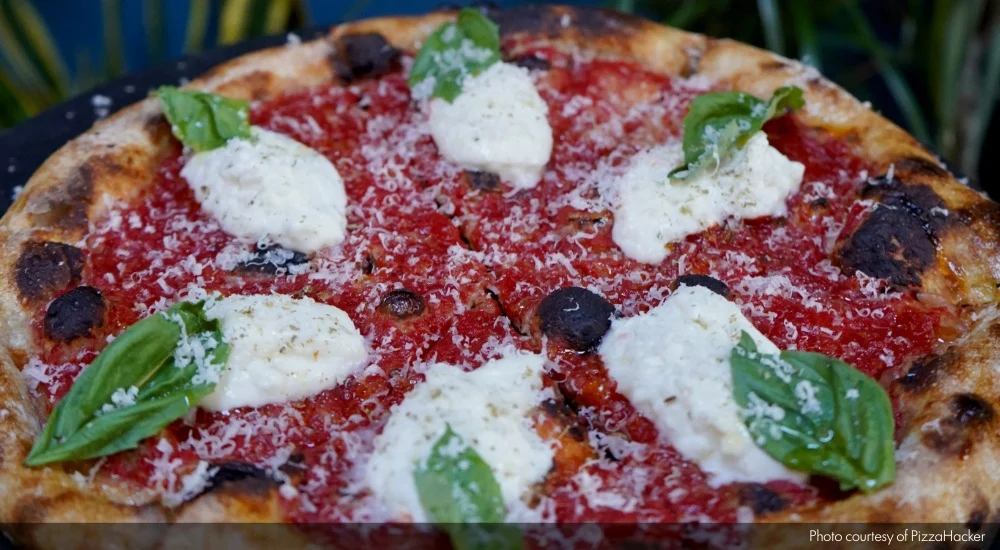
Flour + Water launched its frozen product line with two distinct pizza offerings: the classic Margherita and the innovative Cacio e Pepe. The Margherita, a timeless favorite, showcases the quality of their dough and simple, high-grade ingredients, while the Cacio e Pepe demonstrates their ability to translate sophisticated culinary concepts into an accessible frozen format. This initial selection strategically appeals to both traditionalists and those seeking more adventurous flavors.

The move into frozen products necessitated a re-evaluation of their existing infrastructure and a plan for future growth. While the North Beach facility initially seemed large enough to accommodate all operations, the continuous growth, particularly in the frozen pizza line, has pushed its capacity to the limit. This success has prompted ownership to sign a deal on a new property, signaling a significant investment in expanding their production capabilities. This upcoming facility is designed to be a "bigger offsite commissary facility that will be equipped to take on hundreds of grocery stores," according to Ryan Pollnow. This substantial expansion is crucial for supporting the anticipated increase in demand from the retail sector.
The choice of self-distribution for their frozen product highlights a deliberate strategy to maintain control over the entire supply chain, from production to shelf. While challenging, self-distribution allows Flour + Water to ensure product integrity, manage inventory effectively, and cultivate direct relationships with retailers. It also offers greater flexibility in market penetration and brand messaging. This venture into retail not only diversified their revenue streams but also solidified their position as an innovative culinary enterprise capable of adapting to evolving consumer demands while upholding their core values of quality and craftsmanship. The focus, as Pollnow reiterates, remains firmly on pizza as the primary vehicle for the restaurant group’s expansion, indicating a clear strategic direction for the brand’s future growth.
Ambitious Growth: A New Commissary and Future Vision
The Flour + Water Hospitality Group is on the cusp of a transformative expansion, having recently secured a deal for a new, larger property. This strategic acquisition is a direct response to the immense success and growth experienced across its various operations, particularly the burgeoning frozen pizza line, which has maxed out the capacity of the current North Beach facility. This new, dedicated commissary facility is central to the group’s future vision, designed to significantly enhance production capabilities and support an ambitious expansion plan across the Bay Area and beyond.
The new property is envisioned as a state-of-the-art production hub, explicitly engineered to accommodate up to "eight spokes" in the Bay Area. This signifies a dramatic scaling up of the existing hub-and-spoke model, allowing Flour + Water to significantly increase its footprint, potentially adding new restaurant locations, expanding its presence in existing markets like Oakland, and reaching previously untapped neighborhoods. This centralized, larger commissary will serve as the engine for all dough and potentially other core component production, ensuring consistent quality and supply across a much wider network of outlets.
Ryan Pollnow underscores the scale of this ambition, stating that the new facility "will be equipped to take on hundreds of grocery stores." This indicates a clear strategic intent to deepen their penetration into the retail market, transitioning from a limited, self-distributed frozen pizza line to a product available to a much broader consumer base. This expansion into mass retail distribution will necessitate robust logistics, increased automation for certain processes, and stringent quality control measures to ensure that the artisanal integrity of their products is maintained at scale. The current offerings, Margherita and Cacio e Pepe frozen pizzas, are likely just the beginning, with the new facility providing the capacity to diversify and expand their retail product portfolio.
The decision to focus primarily on pizza for the restaurant group’s expansion is a strategic one. Pizza, with its broad appeal and relatively scalable production processes (especially with a centralized dough hub), offers a clear path for growth. This focus allows the group to refine its expertise, optimize its supply chain, and concentrate its marketing efforts, building on its already strong reputation in the pizza segment. This expansion represents not just an increase in physical size but a strategic leap forward in establishing Flour + Water as a dominant force in the artisanal food landscape, setting new benchmarks for quality and operational excellence in both the restaurant and retail sectors. The future vision is clear: to leverage their proven model and expanded infrastructure to bring their distinctive pizza to a significantly larger audience, solidifying their legacy as innovators in the culinary world.
San Francisco’s Culinary Identity: The Rise of West Coast Pizza
San Francisco has long been revered as a global culinary capital, renowned for its pioneering farm-to-table movement, diverse ethnic cuisines, and a pervasive culture of innovation. Within this vibrant landscape, the city has cemented its status as arguably the United States’ No. 1 city for sourdough, a tradition deeply embedded in its gastronomic identity. This rich heritage of fermentation and bread-making naturally extends to the pizza industry, where a growing adoption of preferments has been observed in recent years. Ryan Pollnow highlights this connection: "San Francisco has such an iconic preferment. Using that as a way to add complexity, nuance and flavor to their dough is part of the locavore mentality." This emphasis on local ingredients and traditional techniques, adapted for modern palates, is a defining characteristic of the city’s food scene.

Beyond dough, Thomas McNaughton posits that a distinctive "West Coast-style pizza" is actively developing, challenging conventional pizza norms. This emerging style is characterized by a less strict adherence to established regional traditions (like Neapolitan, New York, or Chicago), instead embracing experimentation and local influences. The defining features of this West Coast approach include:
- Innovation in Toppings: The style encourages a departure from classic combinations, incorporating a wider array of high-quality, often locally sourced, and seasonally driven ingredients. McNaughton cites examples such as "duck confit to cured salmon," showcasing a willingness to experiment with proteins and flavor profiles rarely seen on traditional pizzas. Other examples often include ingredients like seasonal vegetables, artisanal cheeses from California creameries, house-cured meats, and unexpected flavor pairings that reflect the diverse culinary influences of the region.
- Emphasis on Dough Quality: While not strictly sourdough, the West Coast style often features highly fermented, flavorful doughs that prioritize texture and a slight tang, a nod to San Francisco’s sourdough legacy. The multi-day fermentation processes, like Flour + Water’s, are indicative of this commitment to dough as a foundational flavor component.
- California Ethos: The "locavore mentality" extends beyond just using local ingredients; it influences the entire approach to food – sustainability, seasonality, and a lighter, fresher sensibility often associated with California cuisine. This means pizzas that might feel less heavy or greasy than some traditional styles, with a focus on vibrant, distinct flavors.
- Artisanal Craftsmanship: There’s a strong emphasis on handcrafted elements, from house-made sauces and cheeses to carefully selected flours and unique cooking methods. This dedication to craft elevates pizza from simple fast food to a gourmet experience.
- Diverse Baking Methods: While many West Coast pizzerias utilize high-temperature ovens (wood-fired, electric, or gas), the focus is less on adhering to specific oven types and more on achieving the desired crust characteristics—often a balance of chewiness, crispness, and char.
This evolving "West Coast-style pizza" reflects San Francisco’s broader culinary identity: a blend of innovation, respect for quality ingredients, and a willingness to transcend established boundaries. Flour + Water, with its meticulous dough process, innovative topping combinations, and strategic use of preferments, stands as a prime example of a restaurant group at the forefront of defining this exciting new chapter in American pizza. Their approach not only satisfies local palates but also influences the national pizza landscape, demonstrating how regional culinary philosophies can shape a global favorite.
Industry Impact and Broader Implications
The strategic evolution of Flour + Water Hospitality Group, particularly its pioneering hub-and-spoke model and expansion into the premium frozen pizza market, carries significant implications for the broader culinary industry. Their approach sets a new benchmark for how artisanal food producers can scale operations without compromising the handcrafted quality that defines their brand.
Firstly, the centralized dough production hub in North Beach, coupled with the detailed four-day fermentation process, serves as a masterclass in operational efficiency and quality control for high-volume artisanal production. In an industry where consistency is paramount, Flour + Water demonstrates that it is possible to produce thousands of meticulously crafted dough balls daily and distribute them across multiple locations while maintaining a superior product. This model could inspire other multi-unit restaurant groups, particularly those specializing in baked goods or fresh pasta, to explore similar centralization strategies to optimize their supply chains, reduce labor costs at individual outlets, and ensure product uniformity.
Secondly, Flour + Water’s successful foray into the self-distributed frozen pizza market highlights a growing trend and opportunity for premium restaurant brands. As consumer demand for high-quality, convenient at-home dining experiences continues to rise, especially post-pandemic, more restaurants may consider leveraging their brand equity and culinary expertise to enter the retail sector. The challenges of self-distribution, as embraced by Flour + Water, also offer a blueprint for maintaining control over brand messaging, product quality, and direct relationships with retailers, a critical factor for artisanal brands entering mass markets. Their success could catalyze other fine dining establishments to diversify revenue streams by developing high-quality, retail-ready versions of their signature dishes.
Thirdly, the group’s contribution to the evolving "West Coast-style pizza" further solidifies San Francisco’s role as a hotbed of culinary innovation. By embracing less strict adherence to traditional pizza norms and championing local, seasonal, and often unconventional toppings alongside expertly crafted doughs, Flour + Water is helping to define a distinct regional pizza identity. This influence extends beyond taste; it reinforces the "locavore mentality" and encourages a broader conversation about sustainable sourcing and creative culinary expression within the pizza world. This trend challenges established regional styles and fosters greater creativity among pizzaioli nationwide, encouraging them to look to their local environments for inspiration.
Finally, the ambitious plan for a new, larger commissary capable of accommodating "eight spokes" and "hundreds of grocery stores" signals a confident vision for scalable growth. This expansion strategy, focusing heavily on pizza, indicates a belief in the enduring popularity and versatility of America’s favorite food. It showcases how careful planning, investment in infrastructure, and a relentless pursuit of quality can transform a beloved local restaurant into a regional, and potentially national, culinary force. Flour + Water’s journey provides valuable lessons for the entire food industry on how to navigate growth, maintain authenticity, and adapt to changing market dynamics while staying true to a core culinary philosophy.
In conclusion, Flour + Water Hospitality Group’s strategic moves, from refining its dough production in North Beach to expanding into the frozen retail market and planning a massive new commissary, underscore its position as a leader in artisanal pizza and culinary innovation. Under the guidance of Thomas McNaughton and Ryan Pollnow, the group is not merely growing but actively shaping the future of high-quality, scalable food production. Their commitment to a meticulous, multi-day dough process, coupled with a visionary hub-and-spoke model, ensures unparalleled consistency and quality across their expanding empire. By embracing San Francisco’s "locavore mentality" and championing a distinctive "West Coast-style pizza," Flour + Water is setting new benchmarks for creativity and craftsmanship in the industry. As they prepare to onboard a significantly larger commissary, their trajectory points towards continued influence, bringing their celebrated pizzas to an ever-wider audience and solidifying their legacy as innovators who successfully blend artisanal tradition with modern operational excellence.