admin
admin
The culinary landscape of Los Angeles is a vibrant tapestry, constantly evolving with new trends and gastronomic innovations. Amidst this dynamic environment, Apollonia’s Pizzeria, under the guidance of founder Justin De Leon, has carved out a distinctive niche, transforming from a modest neighborhood eatery into a revered culinary institution with two thriving locations. De Leon’s journey reflects a strategic blend of culinary craftsmanship, astute business acumen, and a deep commitment to community engagement, demonstrating how a singular vision can propel a local business to broader acclaim.
The Genesis of a Neighborhood Gem: Apollonia’s Humble Beginnings
Apollonia’s Pizzeria first opened its doors in 2012, conceived with the straightforward ambition of becoming a quintessential neighborhood "mom-and-pop" pizza spot. Situated in the very community where Justin De Leon resided and grew up, the venture was imbued with a personal significance that transcended mere commerce. The initial concept embraced versatility, offering patrons the convenience of grabbing a quick slice, picking up a whole pie, dining in, or opting for delivery. In its formative years, Apollonia’s distinguished itself with a menu that showcased a degree of culinary experimentation, featuring toppings such as "exotic sausages and fresh organic produce." This early approach, while indicative of a burgeoning food scene that valued artisanal ingredients, would eventually give way to a more streamlined philosophy.
The early 2010s in Los Angeles marked a period of significant growth in the artisanal food movement. Consumers were increasingly seeking out establishments that prioritized quality ingredients, unique preparation methods, and a story behind their offerings. Against this backdrop, Apollonia’s entered a competitive market, yet its local roots and commitment to quality quickly resonated. Over the past several years, De Leon’s focus has strategically shifted towards "simplifying and refining our menu, our process and our execution." This evolution speaks to a mature understanding of market demands and operational efficiency, ensuring consistency and excellence as the brand grew.
Crafting Culinary Identity: The Distinctive Pizza Styles of Apollonia’s
At the heart of Apollonia’s success lies its distinctive approach to pizza making, characterized by a meticulous dedication to dough development and a nuanced interpretation of regional styles. Both the round and square pizzas, which have garnered a loyal following, originate from the same foundational dough recipe. This recipe is a testament to traditional baking principles, incorporating a starter, maintaining a mid-70% hydration level, undergoing bulk fermentation, and benefiting from a prolonged 24- to 48-hour proofing period. This extended fermentation process is critical, contributing significantly to the dough’s complex flavor profile, superior digestibility, and the desirable open, airy texture of the final crust.
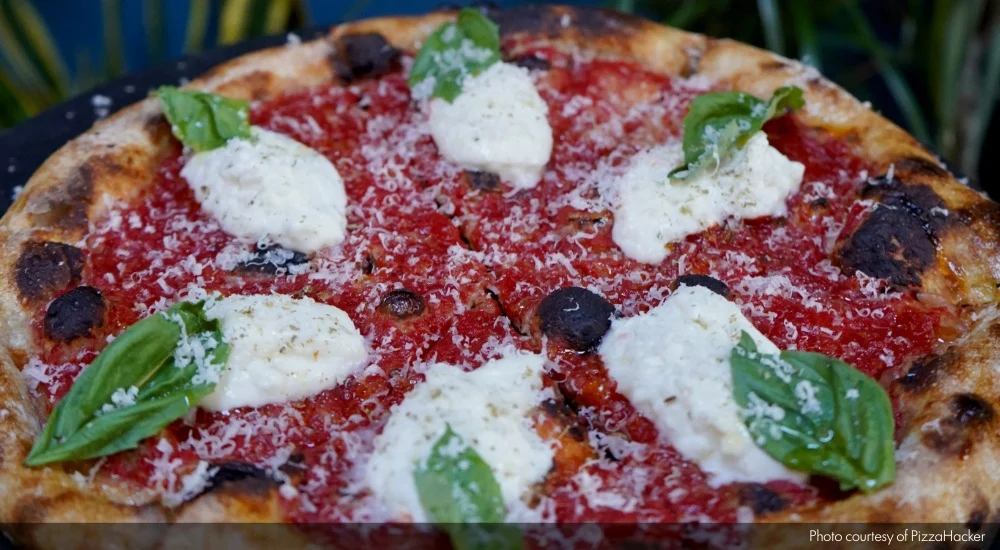
The round pizzas at Apollonia’s are a homage to East Coast traditions, specifically drawing inspiration from the iconic thin-crust styles prevalent in New York and other Northeastern cities. These pies are celebrated for their "thin, crispy and foldable" characteristics, embodying the quintessential East Coast experience that allows for a quick, satisfying bite. This style appeals to purists and those seeking a classic, unadulterated pizza experience.
In contrast, the square pizzas offer a creative reinterpretation of the Detroit-style pie. While retaining the beloved "frico crust"—a crispy, caramelized cheese edge that is a hallmark of Detroit pizza—Apollonia’s version introduces a significant departure in crumb structure. De Leon notes that their squares are "much airier, with a crumb that’s closer to Roman-style or focaccia." This innovative fusion elevates the square pizza beyond a mere deep-dish variant, imparting a lighter, more complex texture that distinguishes it from many of its counterparts. The Roman-style influence, known for its high hydration and irregular, open crumb, provides a sophisticated counterpoint to the robust Detroit aesthetic, offering a unique textural experience that has captivated critics and customers alike. This blending of styles reflects a broader trend in contemporary pizza making, where chefs are increasingly drawing inspiration from diverse regional traditions to create novel and exciting culinary offerings. Industry data suggests that consumer interest in regional pizza styles, particularly Detroit and Roman, has seen a steady uptick in recent years, aligning perfectly with Apollonia’s innovative menu.
Beyond the Oven: Strategic Partnerships and Brand Amplification
Apollonia’s Pizzeria’s ascent to a "beloved institution" extends beyond its exceptional food, significantly propelled by Justin De Leon’s strategic approach to partnerships and collaborations. These alliances, ranging from community initiatives to high-profile brand affiliations, have been instrumental in expanding the pizzeria’s reach and enhancing its brand narrative. De Leon acknowledges the fortune of being able to "share our story throughout our community and beyond, building bridges and relationships we never thought possible."
Notable among these collaborations are partnerships with global entities like Airbnb and appearances on acclaimed culinary programs such as "Chef’s Table." These engagements are not merely opportunistic but are carefully vetted to ensure alignment with Apollonia’s core values, brand identity, and the authentic experience it aims to provide. De Leon emphasizes, "The best collaborations are the ones that align with our values, our brand and the experience we want to create." This discerning approach ensures that each partnership genuinely enriches the brand rather than diluting it.
The implications of such partnerships are multifaceted. For Apollonia’s, they offer unparalleled exposure to new and diverse audiences, transforming a local favorite into a recognized name within broader culinary circles. For instance, being featured on a platform like "Chef’s Table" elevates the pizzeria to a global stage, associating it with culinary excellence and innovation. Collaborations with brands like Airbnb might involve unique dining experiences or curated local guides, further embedding Apollonia’s within the fabric of Los Angeles’s cultural offerings for visitors.
Furthermore, these opportunities provide invaluable professional development for Apollonia’s staff, allowing them to "cook for different audiences and outside the four walls of our restaurant." This exposure to varied culinary environments and high-profile events not only broadens their skills but also instills a sense of pride and ownership in the brand’s growing prestige. "Every collaboration has introduced our pizza to new people and opened doors we never expected," De Leon observes, underscoring the organic growth spurred by these strategic alliances. Culinary analysts often point to such brand synergy as a critical factor for local businesses looking to scale and gain national recognition without sacrificing their authentic appeal. These partnerships demonstrate a sophisticated understanding of modern marketing, leveraging storytelling and experiential engagement to build a robust brand identity.

The Visual Feast: Photography as a Business Imperative
Justin De Leon’s background in photography has proven to be an unexpected yet powerful asset in the success of Apollonia’s Pizzeria. In an age dominated by visual media, particularly social platforms, the ability to capture and convey the appeal of food through stunning imagery is paramount. De Leon’s philosophy on food photography is refreshingly pragmatic: "Don’t think, just shoot!" He advocates for spontaneity, believing that "a lot of great photos are lost by overthinking them." His approach emphasizes capturing the genuine essence of a moment, arguing that excessive deliberation can lead to contrived or missed opportunities.
This intuitive method is grounded in practical techniques. De Leon advises utilizing natural light, specifically "window light," as one of the most effective ways to "simplify the scene" and enhance the visual appeal of food. Natural light provides soft, even illumination that highlights textures and colors without harsh shadows, making the food appear more appetizing. Beyond lighting, he encourages photographers to "get in close and intimate," focusing on the intricate details that make a dish unique. He finds beauty in the mundane, stating, "Some of my favorite photos have been taken against something as ordinary as the scratches on a well-used hotel pan." This attention to detail, he asserts, is not merely an aesthetic preference but a fundamental principle that applies equally to the art of pizza making.
The strategic importance of high-quality food photography cannot be overstated in today’s digital marketplace. Data consistently shows that visuals significantly influence consumer behavior, with studies indicating that visually appealing food photos can increase engagement rates by over 70% on social media and directly impact purchasing decisions for online food orders. For a business like Apollonia’s, compelling imagery serves multiple purposes: it draws customers to the physical locations, enhances the online ordering experience, strengthens brand perception, and tells a compelling story about the quality and craftsmanship behind each pizza. De Leon’s integration of his photography skills into his business operations exemplifies a modern entrepreneurial mindset, leveraging diverse talents to achieve comprehensive brand excellence.
The Second Act: Expanding to Crenshaw Boulevard
The decision to open a second location on Crenshaw Boulevard was, surprisingly, not the result of a long-term strategic plan but rather an opportunistic confluence of circumstances. After 13 years of dedicated involvement in the original Apollonia’s, Justin De Leon found himself in a unique position of having "a little freedom," as the first location had matured into a self-sufficient operation no longer requiring his constant day-to-day oversight. While the idea of expansion had "always been on the back burner," previous opportunities had never quite felt right.
The turning point came through a persistent friend who urged De Leon to consider a recently vacated commercial space on Crenshaw. This particular location held a unique history, having previously housed two pizzerias that ultimately did not succeed. Despite initial skepticism, De Leon agreed to visit the site and was "surprised by how immaculate and truly turnkey it was." This meant the space required minimal renovation, significantly reducing the financial and logistical hurdles typically associated with opening a new establishment.
A crucial factor in the decision was the enthusiastic reception from the landlord, who "seemed more eager to have us than we were to open a second location." This mutual eagerness indicated a strong belief in Apollonia’s brand strength and its potential to thrive where others had faltered. More importantly, the Crenshaw location represented an opportunity to serve a community that De Leon identified as a "pizza desert"—an area with a significant demand for high-quality pizza that was largely unmet. This resonated deeply with Apollonia’s foundational ethos of being a neighborhood pizzeria.
The opening of Apollonia’s Crenshaw brought De Leon’s journey "full circle," returning to the core mission of establishing a beloved local spot in a community that genuinely needed it. This expansion was not merely about increasing revenue but about extending the brand’s community impact. Local residents and community leaders have expressed considerable enthusiasm for the new establishment, highlighting the positive social and economic benefits that a thriving local business can bring to an underserved area. The challenges of opening a second location, such as maintaining quality control, managing logistics, and replicating the unique culture of the original, are substantial. However, by selecting a turnkey space and focusing on a genuine community need, Apollonia’s mitigated many of these risks, positioning itself for continued success and further solidifying its reputation as a vital part of Los Angeles’s culinary landscape.
Broader Impact and Future Outlook
Apollonia’s Pizzeria’s journey from a single neighborhood shop to a two-location institution, celebrated for its unique pizza styles and strategic partnerships, offers a compelling case study in modern culinary entrepreneurship. Justin De Leon’s vision has not only created a successful business but has also contributed significantly to the evolving identity of Los Angeles’s food scene. By blending traditional techniques with innovative approaches, and by prioritizing both product quality and community engagement, Apollonia’s has demonstrated a sustainable model for growth in a highly competitive market.
The pizzeria’s success underscores several key trends in the food industry: the increasing consumer demand for authentic, high-quality artisanal products; the power of strategic brand partnerships to expand reach and enhance reputation; and the critical role of strong visual storytelling in the digital age. De Leon’s ability to identify and respond to community needs, as evidenced by the Crenshaw expansion, further highlights a business philosophy rooted in genuine connection rather than pure commercial ambition.
Looking ahead, Apollonia’s Pizzeria is poised for continued influence. The ongoing refinement of its menu and processes, coupled with a judicious approach to future collaborations, suggests a trajectory of sustained excellence. The brand’s narrative, deeply intertwined with its local roots and commitment to craftsmanship, resonates widely, proving that even in a sprawling metropolis, a genuinely beloved neighborhood spot can achieve far-reaching impact and solidify its place as a cherished culinary landmark.