admin
admin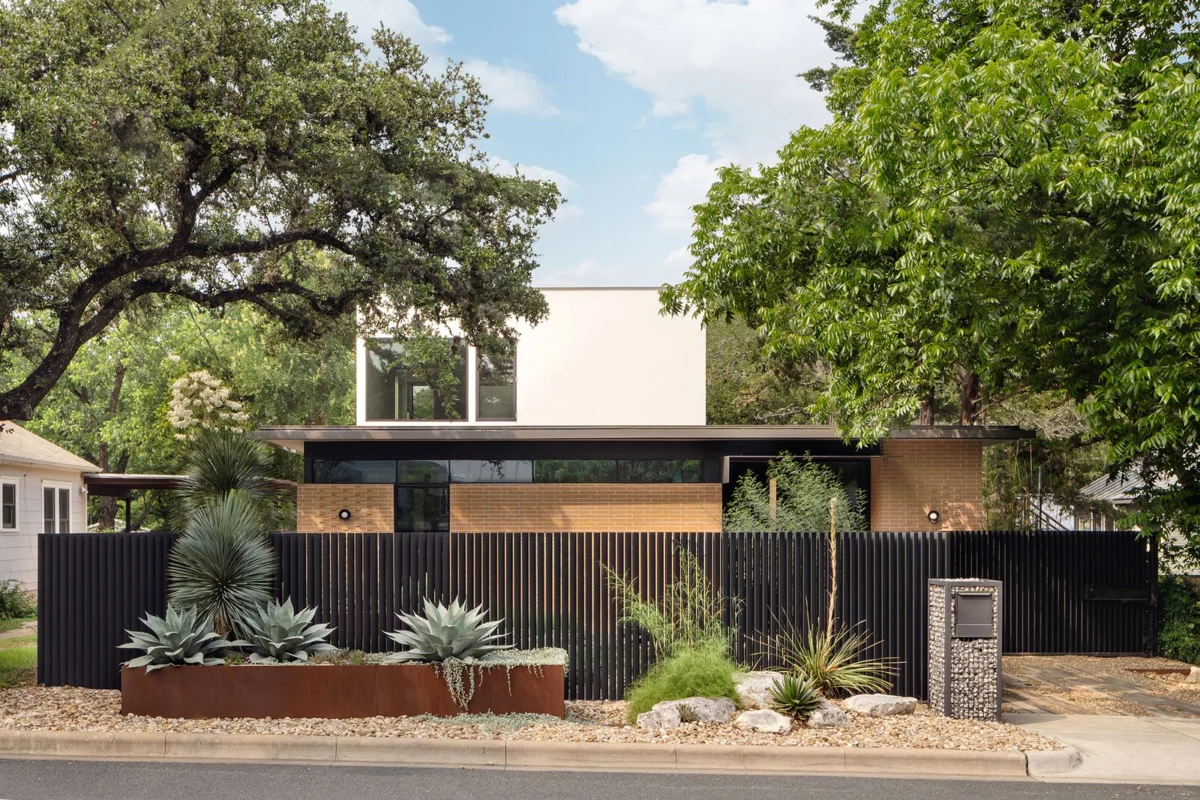
Artist and designer Laurie Chapman, known for her discerning eye and transformative residential projects, has made a significant move into the burgeoning Austin, Texas, real estate market, acquiring a spec house currently under construction. This swift decision, made within three days of her initial visit to the Texas capital, underscores both Chapman’s proactive pursuit of new creative challenges and Austin’s undeniable ascent as a focal point for architectural innovation and design. Her latest endeavor follows a series of successful home remodels across the country, including a recently completed project with her husband in San Francisco, demonstrating a consistent drive to engage with dynamic architectural landscapes.
A Career Defined by Transformation and Vision
Laurie Chapman’s career trajectory is characterized by a persistent quest for new design frontiers. As an accomplished artist and designer, her work consistently reflects a deep understanding of space, light, and material, translating into residential environments that are both aesthetically compelling and highly functional. Her reputation precedes her in the design community, where she is recognized for her ability to envision and execute comprehensive transformations of existing properties. Each project undertaken by Chapman is not merely a renovation but a reinvention, imbuing homes with a renewed sense of purpose and contemporary elegance. This iterative process of seeking out and revitalizing properties has cultivated a keen awareness of market trends and architectural potential in diverse geographical locations.
Prior to her Austin venture, Chapman and her husband successfully completed several significant remodeling projects, each serving as a testament to her versatile design philosophy. One of their most recent and notable achievements was the comprehensive update of a residence in San Francisco. This project, situated within one of the nation’s most competitive and architecturally diverse markets, required a nuanced approach to blend modern sensibilities with the existing structural integrity and neighborhood context. The successful culmination of the San Francisco project not only solidified her expertise in high-stakes urban renovations but also served as a natural springboard, fueling her desire for the next substantial design challenge. It was in the aftermath of this accomplishment that Chapman began to cast her gaze wider, seeking a new epicenter of architectural dynamism.
The Allure of Austin: A Magnet for Architectural Innovation
Chapman’s decision to explore Austin was not impulsive but rather a strategic response to observable trends within the architectural and design industries. As she recounted, "We started to notice there was a lot happening in Austin with great architects, so we decided to go see what was happening there." This observation points to a broader narrative of Austin’s transformation from a regional hub to a national, and increasingly international, destination for design and technology. The city has, over the past decade, experienced an unprecedented surge in population, economic activity, and cultural influence, directly impacting its built environment.
Austin’s economic boom, largely propelled by its thriving technology sector, has attracted a significant influx of high-net-worth individuals and corporations. Major tech giants such as Apple, Google, Meta, Tesla, and Oracle have either established or significantly expanded their presence in the city, creating a robust job market and driving substantial demand for both commercial and residential real estate. This economic vitality has, in turn, fostered a fertile ground for architectural experimentation and high-quality construction. The demand for bespoke homes, architecturally significant properties, and innovative urban developments has escalated dramatically, drawing in top-tier architectural firms and design talent from across the globe.
The city’s unique cultural identity, often characterized by a blend of laid-back Texan charm and progressive, entrepreneurial spirit, also contributes to its appeal. This environment encourages a diverse range of architectural styles, from sleek modernism and minimalist designs to sustainable, eco-conscious structures that integrate with the natural Texas landscape. The presence of renowned architectural schools and a vibrant arts scene further enriches this ecosystem, cultivating a community that appreciates and supports cutting-edge design. For a designer like Laurie Chapman, who thrives on innovation and challenging projects, Austin presented itself as an irresistible opportunity to engage with a rapidly evolving architectural dialogue.
Rapid Acquisition: A Testament to Market Dynamics
The speed of Chapman’s Austin acquisition — going under contract on a spec house within three days of arrival — is a powerful indicator of several converging factors: her decisive nature, the compelling opportunities within Austin’s real estate market, and the particular advantages offered by a "spec house" for a designer of her caliber. A spec house, short for "speculative house," is a residence built by a developer or builder without a specific buyer in mind, typically on the speculation that a buyer will be found during or after construction. These homes often represent a balance between high-quality construction and a design framework that allows for personalization, making them particularly attractive to discerning buyers or designers seeking a foundational canvas.
For Chapman, a spec house under construction likely offered an ideal scenario. It provided the structural integrity and foundational planning already underway, eliminating some of the initial complexities and delays associated with starting a custom build from scratch or undertaking a full-scale renovation of an older property. Concurrently, being "under construction" meant there was still significant scope for her artistic and design input. This stage allows for critical modifications to finishes, material selections, spatial configurations, and aesthetic details, enabling her to infuse her signature style and vision into the property before its completion. It effectively offered the best of both worlds: a streamlined development process coupled with substantial creative control.
The swiftness of the transaction also speaks to the competitive nature of Austin’s real estate market. Properties, especially those with inherent design potential in desirable locations, are often snapped up quickly. A designer of Chapman’s experience would recognize an opportune moment and act decisively to secure a property that aligns with her creative ambitions and market insights. This agility is a hallmark of successful professionals navigating dynamic markets.
Inferred Perspectives: Vision and Market Validation
While direct statements from all parties are not available, logical inferences can be drawn regarding Laurie Chapman’s vision for her Austin project and the broader market’s validation of her move.
Laurie Chapman’s Vision: It can be inferred that Chapman envisions transforming the spec house into a showcase of contemporary Austin design, perhaps blending modern aesthetics with regional influences. Her past projects suggest a meticulous attention to detail, a sophisticated material palette, and an emphasis on creating spaces that are both luxurious and livable. For the Austin project, she is likely to leverage the city’s unique architectural context, potentially incorporating sustainable design principles, smart home technologies, and bespoke artistic elements that reflect her background as an artist. Her aim would be to elevate the standard of spec housing, demonstrating how a well-conceived foundation can be refined into a truly exceptional residence. "The potential here is immense," one might imagine Chapman saying. "Austin’s energy is palpable, and I’m excited to translate that into a home that resonates with the city’s forward-thinking spirit while offering a sanctuary of refined design."
Market Analyst Commentary: Real estate and design experts would likely view Chapman’s acquisition as a significant endorsement of Austin’s enduring appeal. "Laurie Chapman’s entry into the Austin market is not just another property transaction; it’s a testament to the city’s growing stature as a design powerhouse," noted a hypothetical real estate analyst. "Her decision to invest in a spec house under construction highlights the strong fundamentals of Austin’s luxury housing market, where demand for high-quality, design-led homes continues to outpace supply. It also signals a trend where top creative talent is actively seeking opportunities in growth markets beyond traditional coastal hubs." Such an acquisition by a respected figure like Chapman could also inspire other designers and investors to consider Austin, further solidifying its position on the national design map.
Architectural Community Response: The local architectural community would likely welcome Chapman’s involvement. Her project could serve as a high-profile example of innovative residential design, fostering dialogue and potentially raising the bar for future developments. A local architect might comment, "Chapman’s reputation for transformative design makes her a valuable addition to Austin’s creative landscape. Her project will undoubtedly contribute to the city’s evolving architectural identity, demonstrating the potential for sophisticated design within the speculative housing market."
Broader Impact and Implications
Laurie Chapman’s strategic acquisition in Austin carries several broader implications for the design industry, the city of Austin, and the evolving landscape of luxury residential development.
Elevating Austin’s Design Profile: Chapman’s presence and subsequent project are poised to further elevate Austin’s profile as a significant design destination. When renowned designers choose a location for their next major undertaking, it attracts attention from national and international design media, fellow professionals, and discerning buyers. Her project, once completed and likely featured in prominent design publications such as Dwell (where this initial report originated), will serve as a showcase, drawing more eyes to the quality and innovation emerging from the Texas capital. This contributes to a virtuous cycle, attracting more talent and investment, and solidifying Austin’s reputation beyond technology and music.
Redefining Spec Housing: Chapman’s involvement in a spec house could set a new precedent for this category of construction. Historically, spec homes have sometimes been perceived as lacking the bespoke character of custom builds. However, with designers of Chapman’s caliber taking on these projects, the expectation for design excellence in speculative development could significantly increase. She has the opportunity to demonstrate that a spec house can be a canvas for sophisticated, individualized design, blurring the lines between developer-led construction and custom-tailored residences. This could lead to a broader trend of integrating high-level design expertise earlier in the speculative development process, ultimately benefiting the end consumer with more thoughtfully designed homes.
The Migration of Creative Capital: Chapman’s move exemplifies a broader trend of creative professionals and entrepreneurs migrating to cities that offer a potent combination of economic opportunity, quality of life, and a vibrant cultural scene. As traditional design hubs become increasingly saturated or unaffordable, cities like Austin, Nashville, and Miami are emerging as new centers of innovation. This migration of creative capital enriches the local talent pool, fosters cross-disciplinary collaboration, and drives new forms of artistic and architectural expression in these burgeoning urban centers. Chapman’s decision is a clear indicator of Austin’s success in attracting and retaining such valuable creative talent.
Influence on Future Developments: The success of Chapman’s Austin project could influence future residential developments in the city. Developers might be encouraged to invest more in design-forward spec homes, recognizing the market demand for properties with a strong aesthetic identity and the potential for higher returns. This could lead to a more visually appealing and architecturally diverse housing stock across Austin, moving beyond generic designs to embrace more distinctive and contextually appropriate architecture.
In conclusion, Laurie Chapman’s swift and strategic entry into the Austin, Texas, design market is more than just a personal venture; it is a resonant affirmation of Austin’s dynamic growth and its emergence as a premier destination for architectural innovation. Her decision to acquire and transform a spec house underscores her relentless pursuit of creative challenges and her keen ability to identify opportunities within evolving urban landscapes. As she embarks on this new chapter, her project is poised not only to become a significant addition to her impressive portfolio but also to contribute meaningfully to Austin’s burgeoning identity as a nexus of cutting-edge design and architectural excellence. The unfolding of this project will undoubtedly be watched closely by the design community, eager to witness the next iteration of Chapman’s transformative vision within one of America’s most exciting urban environments.