admin
The Evolution of the Dirty Soda Phenomenon
To understand the significance of Red Robin’s latest menu addition, one must look at the trajectory of the "dirty soda" itself. Originating in Utah’s unique beverage culture—where a high concentration of members of The Church of Jesus Christ of Latter-day Saints led to a demand for creative, non-alcoholic "mocktails"—dirty sodas traditionally consist of a carbonated base mixed with cream, flavored syrups, and lime. The trend exploded globally via TikTok and Instagram between 2021 and 2023, with hashtags like #DirtySoda garnering billions of views and spawning dedicated franchises across the United States.
Red Robin’s decision to "spike" these beverages represents a significant pivot in the lifecycle of the trend. While brands like Swig and Sodalicious have dominated the non-alcoholic space, Red Robin is leveraging its liquor license to offer an "adults-only" version that bridges the gap between a classic cocktail and a nostalgic soda fountain treat. This move reflects a broader industry shift where casual dining chains are increasingly forced to innovate within their beverage programs to drive high-margin sales and increase evening foot traffic.
A Detailed Look at the Spiked Dirty Soda Lineup
The new menu features seven customizable options, each utilizing familiar soda bases enhanced with premium spirits and creamy additions. The "Spiked Dirty" category is designed to be approachable, catering to a palate that favors sweetness and complexity over the bitterness of traditional craft cocktails.
The Coconut Cola serves as a flagship offering, combining the classic profile of Coca-Cola with Malibu Rum and coconut syrup, topped with a signature cold foam and a lime wedge. This iteration mimics the "original" dirty soda recipe but adds a tropical, boozy layer. For fans of more robust flavors, the Vanilla Dr Pepper pairs the 23-flavor complexity of Dr Pepper with Jack Daniel’s Tennessee Whiskey and vanilla, finished with cold foam and a cherry.
The Fruity Fizz offers the highest level of customization, allowing guests to pair Sprite and Tito’s Handmade Vodka with a choice of four distinct fruit profiles: candied orange, wild raspberry, desert pear, or dragon fruit. This selection targets the "Instagrammable" aesthetic, featuring vibrant colors and a clean, refreshing finish. Finally, the Island Breeze utilizes Sprite, Malibu Rum, pineapple, and coconut to create a cream-topped beverage reminiscent of a carbonated piña colada.
For families and those opting for non-alcoholic options, Red Robin has maintained its brand promise of "bottomless" value. The non-spiked versions of these dirty sodas are available with unlimited refills, a core component of the company’s "Bottomless" loyalty strategy that has defined its market position for decades.
Seasonal Innovation: The Holiday Beverage Program
In tandem with the launch of the dirty soda line, Red Robin has introduced a limited-time holiday beverage menu. This seasonal push is intended to capture the "festive spend" of consumers during the November and December months, a period characterized by increased social gatherings and family outings.
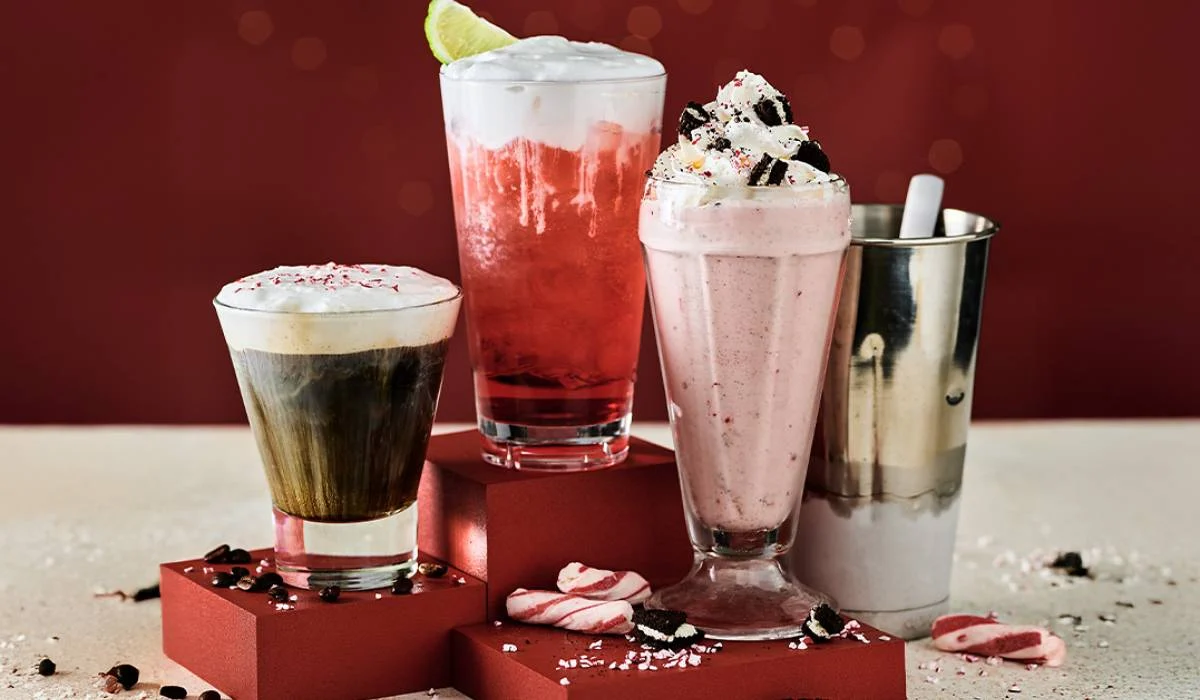
The Peppermint Espresso Martini is perhaps the most sophisticated addition to the lineup. Utilizing Grey Goose Vodka, espresso, and peppermint syrup, the drink is topped with cold foam and crushed peppermint. This follows the massive resurgence of the Espresso Martini in American bars, adding a seasonal twist to the nation’s current favorite cocktail.
The Santa’s Little Helper Dirty Soda offers a caffeinated kick, featuring a choice of Original or Sugarfree Red Bull mixed with raspberry, vanilla, and club soda. While it is served with cold foam and a lime wedge as a non-alcoholic treat, guests have the option to "spike" it with Grey Goose Vodka for an additional charge.
Rounding out the seasonal sweets is the OREO Candy Cane Milkshake. A returning fan favorite, this dessert-beverage hybrid blends vanilla soft serve with peppermint and OREO cookie pieces. To cater to the adult demographic, Red Robin is offering a "boozy shake" option, allowing guests to add Baileys Irish Cream to the mix.
Strategic Context: Why Beverage Innovation Matters in 2024
The introduction of these beverages comes at a critical time for the casual dining sector. According to industry data from 2023 and early 2024, restaurant chains have faced headwinds due to fluctuating consumer spending and rising food costs. In response, many brands have turned to "beverage architecture" to boost check averages. Drinks often carry significantly higher profit margins than food items, and unique, proprietary beverages—like the Spiked Dirty Soda—create a "destination" draw that cannot be easily replicated at home.
Brian Sullivan, Red Robin’s Executive Chef and Vice President of Culinary & Beverage Innovation, emphasized this shift in a recent statement. "When people think of Red Robin, they think of our burgers. With our new Spiked Dirty Sodas and holiday beverage innovation, we’re bringing that same creativity and passion for flavor to our beverage menu," Sullivan noted. He further explained that the goal is to take inspiration from emerging trends and create drinks that are both "approachable and unexpected."
This strategy also aligns with the "premiumization" trend in the alcohol industry. By naming specific brands like Grey Goose, Jack Daniel’s, and Tito’s, Red Robin signals quality to the consumer, justifying a higher price point than a standard well-drink while maintaining the fun, casual atmosphere the brand is known for.
Addressing Value: The "Big Yummm Deals"
While the beverage menu aims for premiumization, Red Robin is simultaneously addressing the consumer demand for affordability through its "Big Yummm Deals." This value-oriented menu offers several signature burgers for under $10, including the Red’s Double, the Haystack Double, and the Bacon Ranch Double.
This dual-track strategy—offering high-innovation, premium beverages alongside aggressive food value—is a calculated move to capture two different types of diners: the budget-conscious family and the trend-seeking millennial or Gen Z adult. By providing a "spiked" experience that feels modern and social media-friendly, Red Robin is attempting to shed its image as a purely family-oriented burger joint and evolve into a versatile "third place" for social drinking and dining.
Chronology of Red Robin’s Brand Transformation
The launch of the Spiked Dirty Soda line is part of a multi-year brand "North Star" plan initiated by the company’s leadership.
- Late 2022: Red Robin began a menu overhaul, returning to flat-top grilling for its burgers to improve juice retention and flavor.
- 2023: The company focused on operational efficiencies and elevating the "Bottomless" experience.
- Early 2024: The brand began experimenting with more adventurous flavor profiles in its limited-time offerings (LTOs).
- Late 2024: The official national rollout of the Spiked Dirty Soda line, marking a definitive move into the "cocktail-culture" space.
Broader Impact on the Casual Dining Landscape
Red Robin’s entry into the dirty soda market is likely to trigger a response from competitors like Chili’s, Applebee’s, and BJ’s Restaurants. These "Big Three" casual dining chains have long competed on the basis of their bar programs (such as Chili’s "Marg of the Month"). However, Red Robin’s focus on the soda-cocktail hybrid targets a specific niche of consumers who may find traditional cocktails too strong or "old-fashioned."
Furthermore, the integration of Red Bull into the "Santa’s Little Helper" drink highlights the growing importance of functional beverages in the restaurant space. As consumers increasingly look for energy-boosting options, even during evening social hours, the "spiked energy drink" category is expected to see further growth.
Conclusion
Red Robin’s Spiked Dirty Sodas and holiday beverage lineup represent more than just a seasonal promotion; they are a data-driven response to current consumer behavior. By capturing a viral trend and adding a sophisticated, adult-friendly twist, the chain is successfully diversifying its revenue streams. As the holiday season progresses, the success of these offerings will likely be measured not just by sales volume, but by Red Robin’s ability to attract a broader demographic of diners who view the restaurant as a destination for innovative drinks as much as for gourmet burgers. With a mix of nostalgia, premium spirits, and value-pricing on the food menu, Red Robin is positioning itself for a competitive end to the fiscal year.