admin
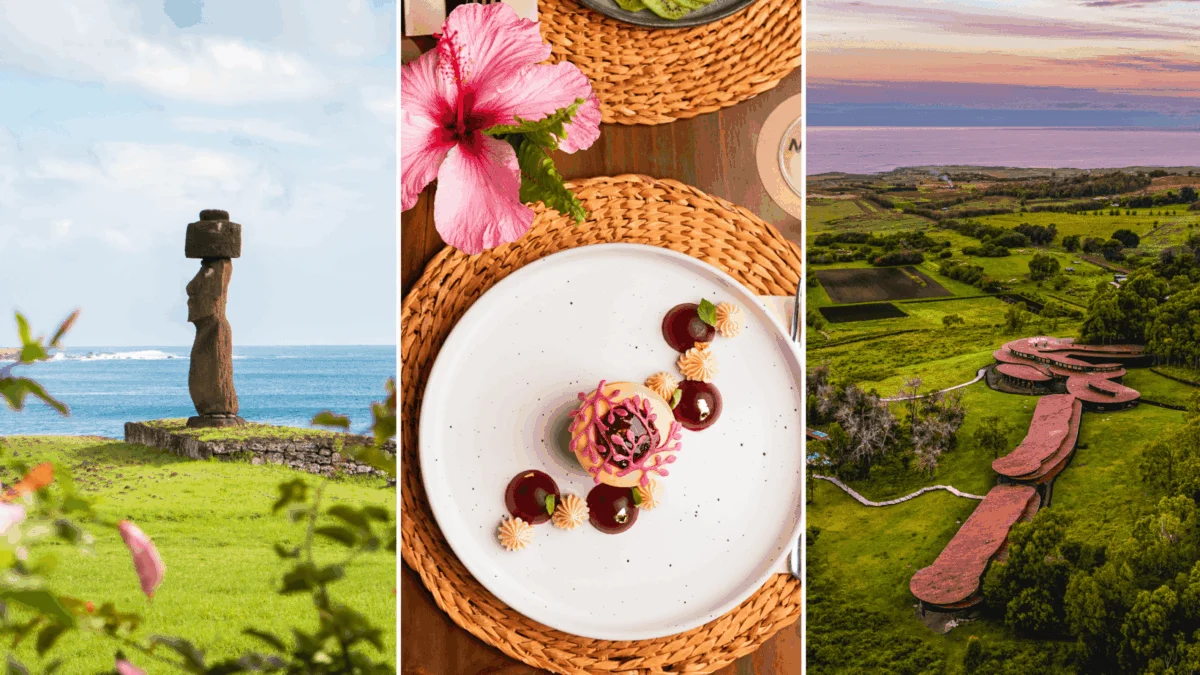
At 1,292 miles from its closest inhabited neighbor, Pitcairn Island, and 2,200 miles from continental Chile, Rapa Nui, commonly known as Easter Island, embodies an extreme of geographical isolation. Situated at the remote eastern periphery of Polynesia, its vast, empty horizons evoke the curvature of the Earth itself. This dramatic setting serves as the stage for one of archaeology’s most profound and enduring mysteries: the genesis and eventual demise of the nearly 1,000 monolithic human figures, known as moai, carved and transported across the island to ceremonial platforms over centuries, only to be systematically toppled. While numerous theories abound, definitive answers remain elusive, adding an aura of profound mystery to this already captivating landscape.
Today, this Chilean overseas territory functions as an expansive open-air archaeological museum. A significant portion of its enigmatic moai, representations of Polynesian ancestors, have been meticulously restored to their upright positions following seven decades of dedicated preservation efforts. However, to perceive Rapa Nui solely through its monumental past would be to overlook the vibrant tapestry of its present. The island’s distinct Polynesian culture remains a palpable and vital force, particularly within Hanga Roa, its sole town, where evenings resonate with the cheerful melodies of ukuleles and the rhythmic sway of traditional dances. Beyond its cultural heartbeat, Rapa Nui offers windswept volcanic plains, a breathtakingly vast and active marine environment, and a culinary landscape deeply rooted in its rich heritage and maritime surroundings. This guide offers an in-depth exploration for those seeking to understand and experience this extraordinary island.
Navigating to and Around Rapa Nui
Reaching Rapa Nui presents a logistical challenge, underscoring its remote nature. Aside from the approximately a dozen annual cruise ship calls, which include vessels like the National Geographic Resolution and Silversea’s Silver Cloud, the primary gateway is Mataveri International Airport. This airport holds the distinction of being one of the world’s most isolated commercial aviation hubs. Currently, LATAM Airlines is the sole carrier servicing Rapa Nui, operating at least one daily flight from Santiago, Chile, a journey spanning 5.5 hours and crossing two time zones.
Upon arrival, most visitors establish their base in Hanga Roa, the island’s main settlement. From here, day trips are organized to explore the island’s numerous archaeological sites, which are conveniently located within a half-hour’s drive of each other. This accessibility, coupled with the concentrated nature of the historical attractions, allows for efficient exploration.

A significant development in the island’s governance and tourism management occurred in 2017 when the Chilean Government officially transferred the administration of Rapa Nui National Park to the Ma’u Henua Indigenous Community. This organization, comprised of elected members of the Rapa Nui community, is now responsible for the park’s stewardship. In recent times, to address the growing pressures of overtourism and to enhance conservation efforts, entrance fees have been adjusted. The current fee stands at CH$95,000 (approximately $100 USD), a measure intended to encourage longer stays, foster deeper cultural engagement, and bolster the protection of the fragile moai. A key directive stemming from this new management approach is the mandatory requirement for visitors to engage a certified guide for excursions to all archaeological sites beyond Hanga Roa. Consequently, the practice of independent exploration via rental cars or bicycles has become less prevalent.
Culinary Delights of Rapa Nui
The culinary scene on Rapa Nui is a testament to its unique geographical position and cultural heritage, with a strong emphasis on incredibly fresh seafood. The local tuna, renowned for its quality, is frequently prepared raw in various forms, including ceviche, carpaccio, and tiradito—a Peruvian-influenced dish of thinly sliced fish in a zesty, spicy citrus sauce.
For an idyllic dining experience, Te Moai Sunset offers a particularly artistic rendition of tiradito, best enjoyed with a pisco sour while overlooking the modern Moai de la Paz, or "Peace Moai." This location provides a serene backdrop for enjoying the island’s natural beauty, especially as the sun begins to set.
Another highly recommended establishment is Te Moana, a tiki-style restaurant that excels in serving succulent mahi-mahi, often accompanied by roasted Rapa Nui sweet potatoes. The experience here is enhanced by the restaurant’s distinctive ambiance. For a more casual yet equally authentic experience, La Kaleta, situated dockside, offers delightful ceviche lunches. Dining here provides the unique opportunity to observe local fisherfolk as they bring in their daily catch, adding a layer of real-time authenticity to the meal.
Kotaro, a small and somewhat quirky Japanese restaurant in Hanga Roa, has long been regarded as a hidden gem. It is celebrated for its impeccable tasting menus, though it adheres to a set of strict dining guidelines, such as restrictions on children and interactions with the chef, which are clearly outlined on its website.

For those seeking a slightly more secluded dining spot, Neptuno Sunset is a noteworthy option. Located by the sea near the end of the airstrip, it offers a peaceful retreat from the main tourist thoroughfares. The restaurant specializes in abundant seafood pastas. No culinary exploration of Rapa Nui would be complete without indulging in po’e, a traditional dessert. This sweet, dense sponge cake, made from mashed ripe bananas, is a comforting and flavorful end to any meal.
Exploring the Island’s Rich Heritage and Natural Wonders
The perception of Rapa Nui often conjures images of lush, jungle-clad hills, characteristic of other Polynesian destinations like Hawaii or Tahiti. However, the island’s landscape is predominantly comprised of rolling grassy plains, bearing a striking resemblance to the Irish countryside. While the northern coast boasts two beautiful beaches, Ovahe and Anakena, the latter being ideal for swimming, Rapa Nui is not a typical resort island. Sunbathing takes a secondary role to the profound allure of the moai and the island’s ancient mysteries.
The Rapa Nui National Park is home to two primary archaeological sites from the era of moai construction: Rano Raraku and Ahu Tongariki. Ahu Tongariki stands as the island’s largest ahu (moai platform), adorned with 15 imposing statues that are often captured in silhouette against the dramatic backdrop of sunrise. Rano Raraku, a volcanic crater and ancient quarry, is where the Rapa Nui people engineered approximately 95% of the island’s sculptures. Around 400 of these unfinished or abandoned statues remain in situ, offering a remarkable glimpse into the carving process. Beyond these two major sites, dozens of other ahu locations, many featuring restored moai, are scattered across the island, each holding its own historical significance.
Another paramount historical attraction is Orongo, a remarkably preserved stone village situated on the rim of the Rano Kau volcano. This site served as the spiritual and ceremonial center for religious festivals dedicated to Makemake, the paramount creator god in Rapa Nui mythology.
Just off the coast from Orongo lie the Los Motu islets. These small islands played a pivotal role in the annual Tangata Manu, or "Birdman," competition, which was practiced from the 17th to the 19th centuries. This perilous ritual involved a challenging descent down Rano Kau, a swim across the treacherous Pacific waters, and a climb up sea cliffs to retrieve an unbroken sooty tern egg, symbolizing the victor’s authority for the year.

Today, Los Motu is a popular snorkeling destination. The remarkably clear waters teem with vibrant coral reefs and an astonishing array of marine life, including 142 species endemic to the region. Among these unique inhabitants is the rare Easter Island butterflyfish. For those interested in exploring the underwater world, Mike Rapu Diving Center is one of Rapa Nui’s longest-established and most respected operators for both snorkeling and scuba diving.
On land, Rapa Nui offers excellent hiking opportunities. Ascending Terevaka, the island’s highest point at 1,675 feet, provides panoramic views of the entire island and the vast Pacific Ocean. The barren Poike Peninsula also presents compelling trekking routes, leading to several less-explored archaeological sites, including ancient petroglyphs and a colossal rock formation carved into the shape of a human face.
Contemporary Polynesian Culture and Artistic Expression
The vibrant spirit of modern Polynesian culture thrives on Rapa Nui, home to a population of approximately 7,750 individuals. While numerous souvenir shops offer a range of moai replicas and colorful shell necklaces, discerning visitors seeking authentic local craftsmanship should visit Mana Gallery on the northern edge of Hanga Roa. This establishment showcases exquisite paintings, intricate woodcarvings, and unique jewelry created by local artisans.
The Toki Rapa Nui music school, co-founded by the internationally acclaimed classical pianist Mahani Teave, provides an opportunity to experience occasional concerts and guided tours of its innovative sustainable building, an "Earthship" designed in the shape of an eight-petal flower.
For a more immersive cultural experience, evening Polynesian dance shows are a popular attraction. Groups such as Kari Kari and Te Ra’ai offer captivating performances. Te Ra’ai‘s shows often include a traditional umu feast, a theatrical presentation of food cooked in an underground earth oven using hot stones. For those seeking contemporary Polynesian music in a less overtly tourist-oriented setting, Iti Lafken is a recommended venue.

Accommodation Options on Rapa Nui
Rapa Nui offers a range of accommodation options, catering to various preferences and budgets, though prices generally reflect the island’s remoteness and limited local resources, being higher than on mainland Chile.
For an all-inclusive experience that seamlessly integrates accommodation with daily guided adventures, Explora Rapa Nui is an outstanding choice. This architecturally distinctive hotel, located about 15 minutes outside Hanga Roa, is renowned for its exceptional cuisine and knowledgeable guides, often considered among the best in the Explora collection.
Nayara Hangaroa, a Leading Hotels of the World property situated on the edge of Hanga Roa, offers greater flexibility for a la carte planning. This luxurious hotel features an oceanfront swimming pool, three distinct dining venues, and uniquely designed oval-shaped rooms inspired by the traditional dwellings of the nearby Orongo ceremonial village.
More budget-friendly options are available in Hanga Roa. The Hare Nua Hotel Boutique, centrally located, boasts a playful design and offers opportunities for island exploration, including horseback riding. The Pikera Uri Eco Lodge, nestled amidst lush gardens, also provides a tranquil environment and opportunities for horseback excursions across the island.
The enduring mystery of the moai, the island’s stark beauty, and the resilience of its Polynesian culture combine to create an unparalleled travel experience on Rapa Nui, a destination that continues to captivate and inspire visitors from across the globe.