admin
admin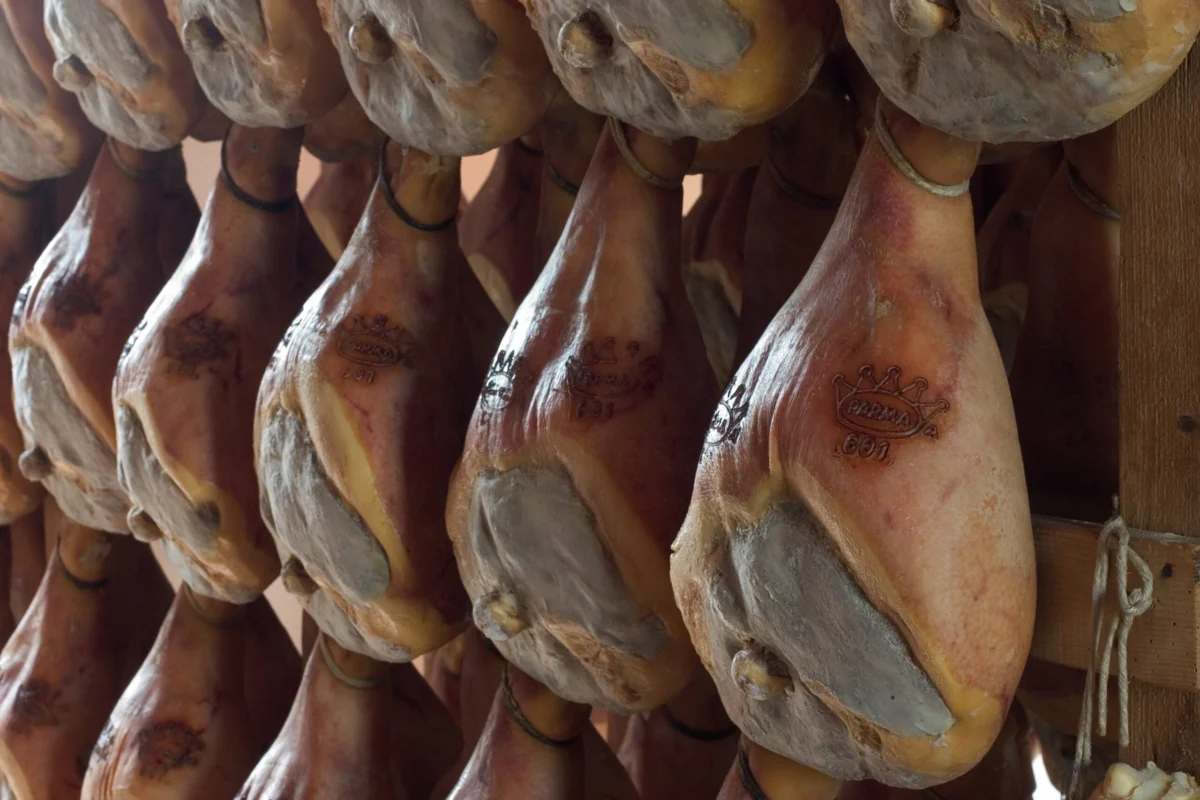
The story of Prosciutto di Parma is not merely a culinary tale; it is a profound narrative woven through millennia of human history, a testament to the enduring power of tradition, meticulous craftsmanship, and the unique gifts of a specific Italian landscape. Revered globally as the "King of Hams," its unparalleled silky texture and exquisite sweet-savory, buttery flavor are the direct result of a production process steeped in centuries of dedication to quality and an unwavering adherence to time-honored methods. This artisanal marvel represents a significant portion of Italy’s rich gastronomic heritage, embodying a cultural and economic cornerstone for the Emilia-Romagna region and beyond.
Ancient Roots and the Birth of a Delicacy
The origins of Prosciutto di Parma trace back over two thousand years, to the Roman era, when the art of preserving pork through salting and natural drying was already a sophisticated practice in the fertile Po Valley. Historical records attest to this enduring legacy; as early as the 3rd century BC, Cato the Elder, a prominent Roman statesman, meticulously documented methods for curing pork legs with salt, followed by a period of natural drying and maturation. This foundational knowledge, passed down through generations, laid the groundwork for the distinct production techniques that define Prosciutto di Parma today.
The geographical specificity of its production is not an arbitrary constraint but a crucial element in its creation. Prosciutto di Parma is exclusively produced within a precisely defined area of northern Italy, nestled within the province of Parma in the Emilia-Romagna region. This zone is characterized by a unique microclimate, a synergy of natural forces that are indispensable to the ham’s development. Humid breezes originating from the Tyrrhenian Sea embark on a journey inland, gradually becoming drier as they traverse the majestic Apennine Mountains. Upon descending onto the hills surrounding Parma, this air, now imbued with a specific humidity and temperature, creates an idyllic environment for the dry-aging process. Early prosciutto producers astutely recognized this natural advantage, constructing their maturation cellars with strategically placed tall windows. These windows could be opened and closed with precision, allowing for the controlled circulation of air, facilitating the gradual, gentle drying of the hams that hang in meticulous rows. This intimate relationship between the product and its environment is a cornerstone of its Protected Designation of Origin (PDO) status.

The Consorzio del Prosciutto di Parma: Guardians of Authenticity
The integrity and authenticity of Prosciutto di Parma are meticulously safeguarded by the Consorzio del Prosciutto di Parma, an organization founded in 1963. This consortium plays a pivotal role in ensuring that every step of the production process adheres to stringent regulations, preserving the product’s heritage and exceptional quality. The establishment of the Consorzio was a proactive measure to protect this centuries-old tradition from imitations and to guarantee consumers a genuine taste of Parma.
This commitment to authenticity was further solidified in 1996 when Prosciutto di Parma achieved the European Union’s Protected Designation of Origin (PDO) status. This prestigious designation is visually represented by a red and yellow seal, a clear indicator that a product originates from a specific geographical area and is manufactured using time-honored, traditional methods. The recognition of Prosciutto di Parma’s PDO status aligns it with other iconic Italian food products that share this esteemed certification. Notably, Grana Padano, a robust, nutty, and aged hard cheese also hailing from Northern Italy, which is frequently paired with Prosciutto di Parma on charcuterie boards, received its PDO status in the same year. This shared recognition underscores the high standards and regional significance of these culinary treasures.
The Ducal Crown: A Mark of Excellence
A further testament to the rigor of Prosciutto di Parma’s production standards is the practice of fire-branding. Both Grana Padano PDO and Prosciutto di Parma PDO are fire-branded, a definitive mark for consumers, signifying that they are purchasing the authentic product. For Prosciutto di Parma, only those hams that unequivocally meet the strict specifications set forth by the PDO can receive the coveted five-pronged Ducal Crown. This intricate branding is not merely decorative; it is a guarantee of the quality, origin, and adherence to tradition that have defined Prosciutto di Parma for centuries. The presence of the Ducal Crown signifies that the ham has passed rigorous inspections and embodies the pinnacle of artisanal cured ham production.
From Pig to Plate: A Rigorous Production Journey
The journey of Prosciutto di Parma begins long before the ham reaches the curing room, with the selection and raising of the pigs. The breeds of pigs are precisely defined, as are the regions in which they can be bred and raised – a total of 11 Italian regions are permitted. The diet of these pigs is equally scrutinized; it includes a specific blend of feed that notably incorporates whey from local cheesemakers, such as Grana Padano. This symbiotic relationship between cheese production and prosciutto making further emphasizes the interconnectedness of regional culinary traditions.

Within the first 28 days of their birth, piglets receive a breeder’s tattoo, a unique identifier that will ultimately appear on the final Prosciutto di Parma product, alongside the Ducal Crown brand. This meticulous traceability ensures accountability and authenticity from the very beginning of the animal’s life.
The fresh pork, consisting exclusively of hind legs, destined for prosciutto producers must meet specific weight criteria, ranging between 26 and 40 pounds, with a predetermined amount of fat coverage. Upon arrival at the production facility, the legs undergo a transformation. They are carefully trimmed to achieve the characteristic rounded shape that is synonymous with Prosciutto di Parma. Following this, they are chilled to a precise temperature before the crucial step of salting. This salting is performed by hand, using only sea salt, a simple yet critical ingredient. In fact, pork and sea salt are the only two ingredients permitted in the creation of Prosciutto di Parma PDO, a testament to the purity and focus on the natural qualities of the meat.
The Art of Curing and Maturation
Following the salting process, the hams enter a resting period of at least 90 days. This crucial phase allows the salt to penetrate the meat evenly, initiating the complex biochemical changes that will transform the raw leg into a flavorful delicacy. After this resting period, the hams are washed to remove any residual salt.
The next critical phase involves the slow drying process, conducted in the aforementioned windowed storerooms. This is where the unique microclimate of the region plays its most significant role. The controlled circulation of air facilitates the gradual evaporation of moisture, a vital step in developing the ham’s characteristic texture and flavor.

A unique technique known as sugnatura follows. In this process, the parts of the ham not covered by the natural rind are meticulously rubbed with sugna, a mixture primarily composed of pork fat, salt, and pepper. This protective layer serves a vital purpose: it prevents the exposed meat from drying out too rapidly, ensuring a slow and even maturation.
The final stage of aging takes place in cool, dimly lit cellars. The duration of this aging process is strictly regulated and cannot be less than 14 months from the initial salting. However, many producers choose to extend this aging period significantly, with hams often maturing for 24, 30, or even 36 months and beyond. This extended maturation allows for a more profound development of complex flavors and a richer, more nuanced texture.
The culmination of this lengthy and meticulous process involves a final, almost mystical, inspection. Experts utilize a needle crafted from horse bone, chosen for its ability to absorb and then readily release aromas. By inserting this specialized needle into various points of the cured ham leg and carefully smelling the retrieved sample, these seasoned professionals can discern whether the ham possesses the ideal aromatic profile and structural integrity to be designated as Prosciutto di Parma PDO. This sensory evaluation, a tradition honed over centuries, is the ultimate arbiter of quality, ensuring that only the finest hams bear the esteemed crown.
Economic and Cultural Significance
The Consorzio del Prosciutto di Parma has grown substantially since its inception. Originally comprising 23 producers, it now numbers 125. This growth reflects the increasing global demand for this exceptional product. In 2025, the consortium oversaw the production of an impressive 6.75 million Prosciutto di Parma PDO hams, highlighting its significant economic contribution to the region.

Beyond its considerable economic impact, Prosciutto di Parma has transcended its status as a mere food product to become a cultural icon and a powerful tourism magnet. The annual Parma Ham Festival, typically held in September, draws enthusiasts from around the globe, celebrating the region’s culinary heritage. Furthermore, the existence of an entire museum dedicated to this signature product, complete with a tasting room, underscores its profound cultural significance and its role in shaping the identity of the Emilia-Romagna region.
A Taste of History
Whether experienced during a pilgrimage to the dedicated museum or savored from a local specialty store, encountering Prosciutto di Parma offers a profound connection to history. The distinctive silky texture and the harmonious balance of sweet and savory notes are not just a culinary delight but a tangible link to over two millennia of tradition, innovation, and unwavering dedication to quality. When one unwraps a slice of Prosciutto di Parma, it is essential to seek out the identifying Ducal Crown and the PDO seal. These symbols are not merely marks of origin; they are promises of an authentic experience, a chance to taste a distinctly delicious and unparalleled slice of history, a testament to the enduring legacy of Italian gastronomy.
This article was funded by the European Union. The views and opinions expressed are those of the author(s) only and do not necessarily reflect those of the European Union or the granting authority. Neither the European Union nor the granting authority can be held responsible for them.