admin
admin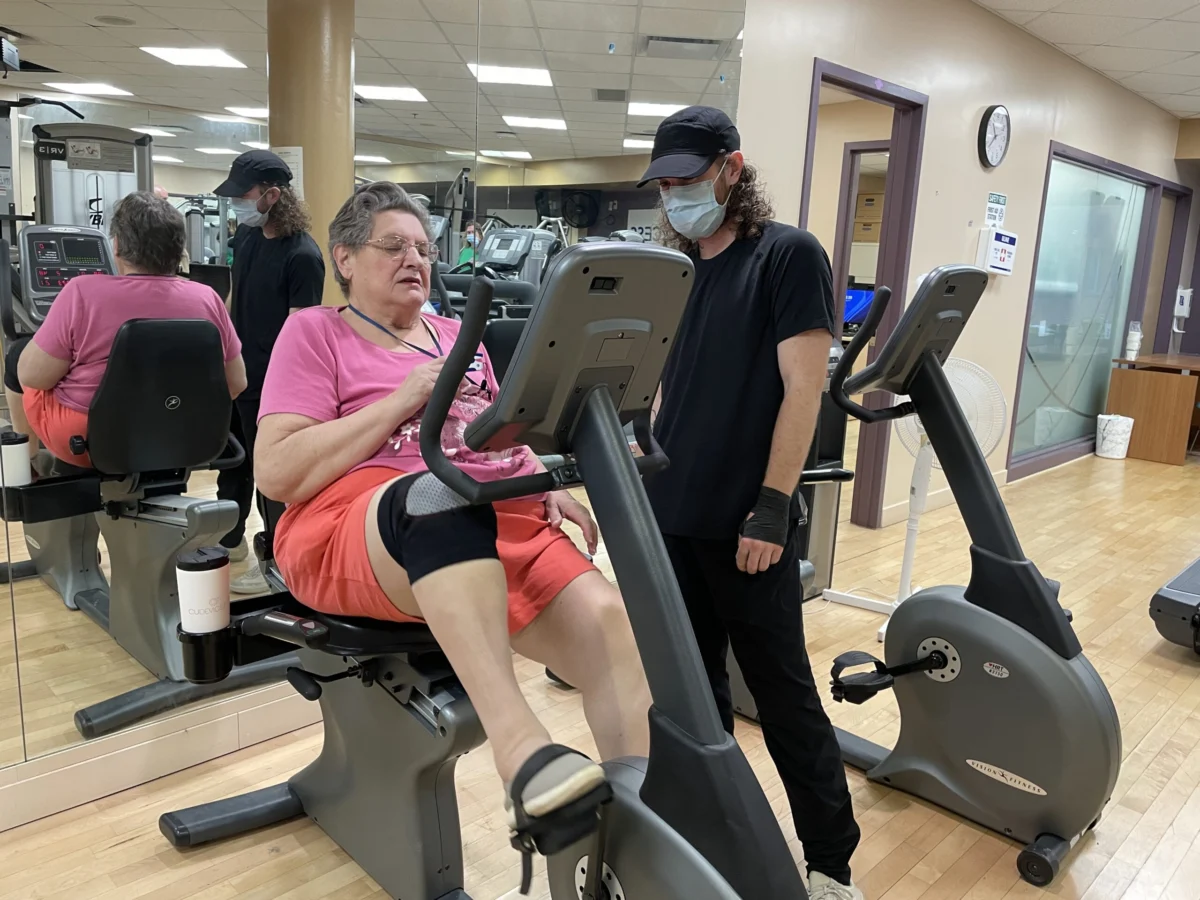
HALIFAX, NS – An innovative exercise research program, designed specifically for individuals navigating the complexities of a cancer diagnosis, has proven to be a profound catalyst for change, exemplified by the remarkable journey of Roberta Whiting, an 80-year-old Nova Scotian resident. Diagnosed with stage three breast cancer, Whiting initially found herself grappling with overwhelming fatigue and a profound lack of motivation, a common debilitating side effect for many cancer patients. Her physical limitations progressed to the point where daily mobility necessitated the use of a wheelchair, marking a significant decline in her independence and quality of life.
A Journey from Wheelchair to Wellness
Whiting’s struggle represented a common narrative among cancer patients: the physical and psychological toll of treatment often leaves individuals feeling depleted and disengaged from activities they once cherished. However, a pivotal recommendation from her physician introduced her to the Activating Cancer Communities through Exercise Strategy for Survivors (ACCESS) program. This groundbreaking initiative, spearheaded by Dalhousie University and operating out of the QEII Health Sciences Centre in Halifax, offered a structured pathway to reclaiming strength and vitality.
Recalling her initial apprehension, Whiting shared, "When you first start, it’s like, oh, I’m so tired." This sentiment underscores the significant hurdle many patients face in initiating physical activity amidst profound fatigue. Yet, the program’s consistent and supportive environment fostered a gradual shift. "But as you keep going, your body says, you’re doing good, keep it up, keep going. And when you walk out of here, you feel good. You’re achy, but you feel good." This nuanced reflection highlights the delicate balance between the physical exertion required and the immense psychological and physiological rewards reaped.
Since commencing the 12-week ACCESS program in December, Whiting’s transformation has been nothing short of extraordinary. The wheelchair, once an indispensable aid, has been rendered obsolete. Her physical strength has seen a marked improvement, evidenced by her progression from lifting five-pound weights to confidently handling ten-pound weights. Beyond these tangible gains, the program has reconnected her with a deeply cherished passion: baking. "I like baking, and I used to make bread, that was out," she explained, detailing the physical limitations that had previously prevented her from kneading dough or performing other strenuous kitchen tasks. "But since I’ve been here, I’ve made one batch of bread, I made one bunch of tea biscuits and I also made a lemon pie." This return to a beloved hobby symbolizes a restoration of normalcy and a profound enhancement of her daily life, moving beyond mere physical recovery to a more holistic sense of well-being.

The Genesis and Mechanics of ACCESS
The ACCESS program, which has partnered with the Nova Scotia Cancer Care Program since its inception in 2018, represents a concerted effort to integrate exercise into the broader spectrum of cancer care. It provides tailored exercise interventions, typically conducted twice weekly, under the expert guidance of professionals like Aidan Nolan, an exercise physiologist and kinesiologist. The program’s design emphasizes not just immediate physical improvement but also the cultivation of long-term self-efficacy in exercise.
Nolan expressed immense pride in Whiting’s dedication and progress, noting her proactive approach. "She’s always pushing herself. She’s always asking me for more things to do, even when she comes early and I can’t maybe work with her in that moment. She’s just over in the chair doing her warmup exercises, tells me exercises that she’s doing at home between classes," he observed. This level of intrinsic motivation, nurtured by the program, is a key indicator of its success. Nolan further highlighted Whiting’s initial, deeply personal goal: to be able to bake bread again. Achieving this objective so early in her participation underscores the program’s ability to align with individual patient aspirations, transforming broad health goals into concrete, achievable milestones that resonate deeply with participants.
Ultimately, Nolan articulates a powerful philosophy behind the program: "It sounds bad, but your goal as an exercise professional is people don’t need you anymore. They feel confident that they can exercise by themselves. They’re not afraid of hurting themselves. They feel strong and capable." This objective speaks to the program’s overarching aim: to empower patients with the knowledge, skills, and confidence to independently maintain physical activity long after the 12-week structured phase concludes, fostering sustainable healthy habits.
Since 2018, the ACCESS program has welcomed over 500 participants, demonstrating its growing reach and impact within the Nova Scotia cancer community. The program’s core mission is to unequivocally demonstrate the profound benefits that regular exercise can confer upon individuals recovering from, undergoing treatment for, or preparing for various types of cancers.
The Scientific Imperative: Exercise as Medicine

The integration of exercise into cancer care is a paradigm shift supported by a robust and expanding body of scientific evidence. Dr. Scott Grandy, one of the co-directors of the Physical Activity and Cancer Lab at Dalhousie University, articulated the ultimate vision: "The ultimate goal is to give everyone access to this form of treatment that they can use to treat long-term side effects or the long-term effects of their cancer or to help them as they’re going through treatment or to even get ready for their treatment." This statement positions exercise not merely as a complementary therapy but as a fundamental component of cancer treatment, akin to medication or surgery.
Research consistently shows that physical activity can significantly mitigate many of the debilitating side effects of cancer and its treatments, including chronic fatigue, muscle wasting (cachexia), neuropathy, lymphedema, and bone density loss. Furthermore, studies have indicated that exercise can improve treatment efficacy, reduce the risk of cancer recurrence for certain types, and enhance overall survival rates. For instance, according to the Canadian Cancer Society, regular physical activity can reduce the risk of certain cancers, and for those living with cancer, it can improve prognosis and quality of life. Guidelines from leading oncology organizations worldwide now recommend specific levels of physical activity for cancer patients, moving away from previous advice for complete rest.
Dr. Melanie Keats, another co-director for the program and an affiliate scientist with medical oncology, underscored the multifaceted importance of physical activity for cancer patients. "For some, it’s potentially a cure. But again, it’s about… the empowerment and the hope and feeling as though that you’re doing everything that you can to care for yourself," she stated. Dr. Keats emphasized that beyond the physiological benefits, exercise plays a critical role in improving mental health, reducing anxiety and depression often associated with a cancer diagnosis, and fostering a sense of control during a time when patients frequently feel disempowered.
The psychological impact of exercise, particularly in the context of a life-altering illness, cannot be overstated. It provides a tangible means for patients to actively participate in their recovery, shifting their role from passive recipients of care to active agents in their own healing journey. "I think one of the biggest things for me is empowerment for a lot of patients," Dr. Keats continued. "Where this can be very empowering, it can give you an ability to be part of your care, not just a recipient of your care." This shift in perspective is crucial for mental resilience and overall well-being.
A Model for Future Cancer Care
Currently, the ACCESS program supports 30 participants, reflecting a steady engagement and demand for its services. The program’s success with individuals like Roberta Whiting provides compelling evidence for its broader applicability and the imperative to expand such initiatives. The vision shared by Dr. Grandy and Dr. Keats — to have exercise included as a standard of care for cancer patients across the board — represents a significant policy objective. Achieving this would entail systemic changes, including enhanced physician education on exercise oncology, streamlined referral pathways, adequate funding for specialized exercise programs, and the integration of exercise physiologists into multidisciplinary cancer care teams.

The Nova Scotia Cancer Care Program’s partnership with ACCESS serves as a commendable model for provincial health authorities seeking to improve patient outcomes and quality of life. By providing accessible, evidence-based exercise interventions, such programs can reduce healthcare costs associated with managing long-term side effects, decrease hospital readmissions, and ultimately, foster healthier, more resilient cancer survivor populations. The economic implications of such preventative and rehabilitative care are substantial, highlighting the program’s value beyond individual patient benefits.
Challenges and the Path Forward
Despite the clear benefits and growing evidence, challenges remain in universalizing access to exercise oncology programs. These include securing consistent funding, training a sufficient number of specialized exercise professionals, and overcoming logistical barriers for patients, particularly those in rural areas. Educational initiatives are also crucial to inform both patients and healthcare providers about the safety and efficacy of exercise during and after cancer treatment, dispelling outdated myths about rest and inactivity.
The ACCESS program, rooted in rigorous research and clinical application at Dalhousie University, is at the forefront of addressing these challenges. By continuously evaluating its impact and disseminating its findings, it contributes to the global body of knowledge supporting exercise as a vital component of comprehensive cancer care. Its commitment to personalized care, as demonstrated by Aidan Nolan’s approach with Roberta Whiting, ensures that interventions are tailored to individual needs and goals, maximizing effectiveness and patient adherence.
As Roberta Whiting approaches the culmination of her 12 weeks in the program, her advocacy for ACCESS is fervent. "I’m 80 years old, and I think it’s good for no matter what age you are, if you can get into it. And I’m glad I was referred to it." Her personal testimony underscores the universal applicability of the program’s benefits, irrespective of age, and highlights the critical role of physician referrals in connecting patients with these life-changing opportunities. Whiting’s journey from a state of debilitating fatigue and wheelchair reliance to renewed independence and the joy of baking serves as a powerful testament to the transformative potential of integrating exercise into cancer recovery, offering not just physical healing but a profound restoration of hope and purpose. The ACCESS program stands as a beacon for the future of cancer care, championing a holistic approach that empowers patients to actively participate in their journey towards vitality and well-being.