admin
admin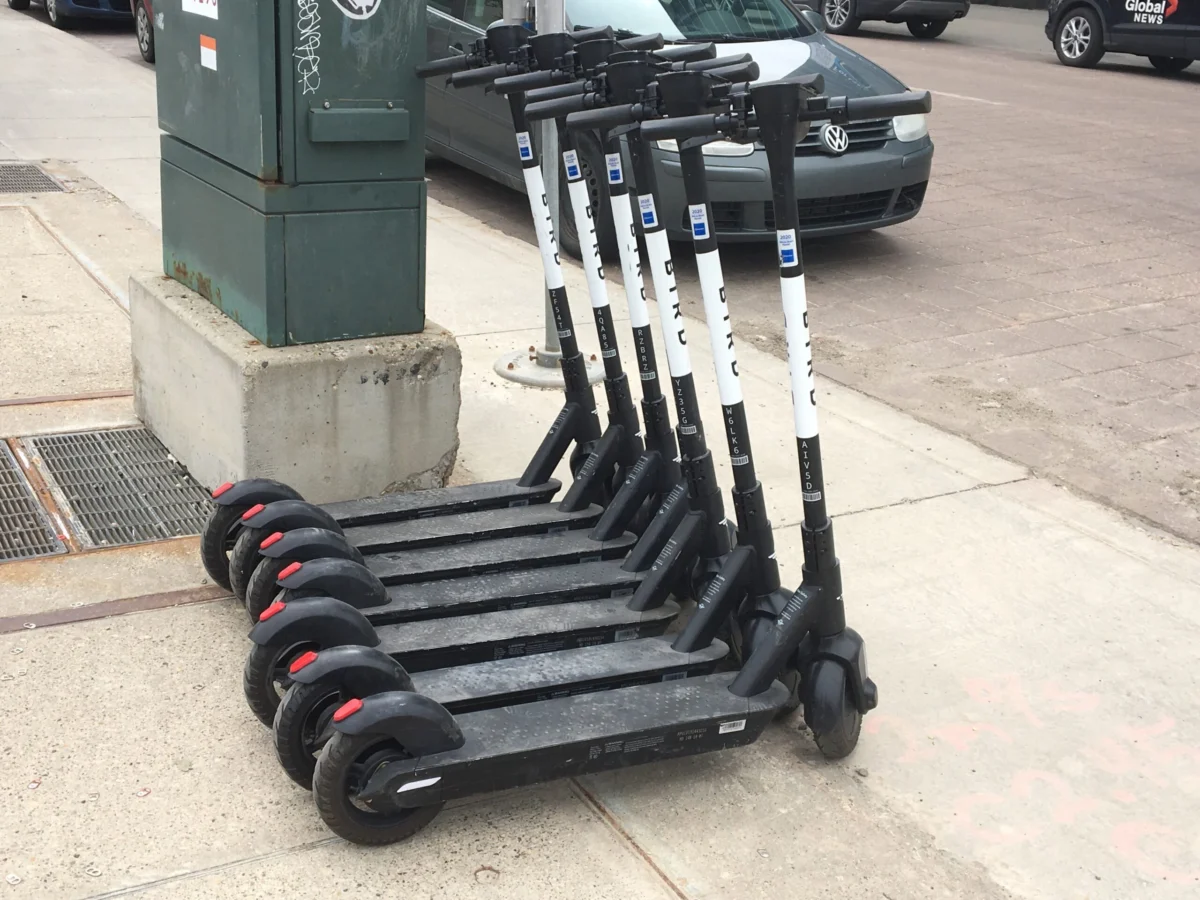
The bustling streets of Halifax have once again welcomed the sight and sound of electric scooters and bicycles, as Bird Canada, the sole operator for the city’s micromobility pilot program, relaunched its services on Monday, March 17, 2026. This eagerly anticipated return signals a shift from the colder, snow-laden months, during which the program was temporarily suspended to accommodate winter maintenance and snow-clearing operations. The Halifax Regional Municipality (HRM) confirmed the reactivation of the fleet, emphasizing its commitment to providing diverse transportation options while ensuring public safety and operational feasibility.
The Genesis and Evolution of Halifax’s Micromobility Pilot Program
The journey of e-scooters and e-bikes in Halifax began in May 2025, when the HRM launched its ambitious micromobility pilot program. This initiative was designed to explore the potential benefits and challenges of integrating shared electric mobility devices into the city’s existing transportation network. The primary objectives set forth by the municipality included reducing traffic congestion, promoting sustainable modes of transport, addressing "last-mile" connectivity issues for residents and visitors, and enhancing the overall accessibility and vibrancy of urban spaces.
Following a competitive selection process, Bird Canada was chosen as the exclusive partner for the pilot. The company, known for its extensive experience in operating micromobility fleets across various North American cities, was tasked with deploying and managing a network of e-scooters and e-bikes strategically placed throughout the urban core. The initial rollout was met with considerable public interest, as residents and tourists alike embraced the novelty and convenience of these agile electric vehicles.
From its inception, the HRM established a clear regulatory framework to govern the program. This included strict guidelines regarding designated parking zones, adherence to all applicable traffic laws, the "one rider per device" rule, and specified areas of use—primarily roads, bike lanes, and multi-use pathways, unless otherwise indicated by signage. These regulations were put in place to mitigate potential conflicts with pedestrians, ensure road safety, and prevent the cluttering of public spaces.
Operational Details and User Experience in the Spring 2026 Relaunch
With the spring 2026 relaunch, the operational mechanics remain consistent with the successful model established during the initial phase. Users can locate, unlock, and pay for the e-scooters and e-bikes through Bird Canada’s dedicated mobile application, available on both iOS and Android platforms. The app provides real-time information on device availability, battery levels, and designated parking areas, streamlining the user experience.

A critical component of the program’s success hinges on user compliance with parking regulations. The HRM has reiterated the importance of parking devices solely within the designated zones, which are clearly marked within the app and on the ground. This measure is crucial to prevent obstruction of sidewalks, transit stops, building access points, and private properties, thereby maintaining pedestrian flow and accessibility for all residents, particularly those with mobility challenges. The municipality’s ongoing educational campaigns and in-app reminders aim to reinforce these responsible parking practices.
Safety continues to be a paramount concern. Riders are reminded to adhere to all provincial traffic laws and municipal bylaws, treating e-scooters and e-bikes as vehicles operating on public roadways. This includes obeying traffic signals, yielding to pedestrians, and being mindful of other road users. While not legally mandated in Nova Scotia for e-scooters, the HRM and Bird Canada strongly recommend the use of helmets for all riders to enhance personal safety. The restriction of one rider per device is also a key safety directive, designed to prevent accidents and ensure stable operation.
The Winter Pause: A Logistical Necessity and Future Considerations
The decision to pause the micromobility pilot program during the winter months of 2025-2026 was a practical necessity, rooted in the unique challenges posed by the Canadian climate. As the HRM elaborated in its news release, heavy snowfall and subsequent plowing operations often lead to snow being deposited onto surfaces typically used for parking e-scooters and e-bikes. This renders designated parking zones inaccessible and creates logistical hurdles for both users and operators.
"As a result, if the municipality receives a heavy snowfall, shared devices may be temporarily unavailable to allow space for snow-clearing operations along municipal streets, bike lanes and sidewalks," the municipality stated. This proactive measure ensures that critical snow-clearing efforts can proceed unimpeded, maintaining essential infrastructure and public safety during adverse weather conditions. The HRM also noted that should further snow events occur during the remaining colder periods, devices would again be temporarily pulled from service, resuming availability as soon as conditions permit.
This seasonal operational model highlights a key challenge for micromobility programs in colder climates. Unlike cities with milder winters, Canadian municipalities must contend with the realities of snow, ice, and lower temperatures, which impact both rider safety and the longevity of electric vehicle components. The pause allowed Bird Canada to perform essential maintenance, battery optimization, and storage of its fleet, preparing the devices for optimal performance in warmer weather. This approach also prevents devices from becoming obstacles during winter maintenance or being damaged by harsh conditions, contributing to the overall sustainability of the program.
Impact and Performance: A Glimpse into the Pilot’s Success
Despite the winter hiatus, the Halifax micromobility pilot program has demonstrated significant engagement since its launch. As of the program’s initial pause, more than 122,000 rides had been taken on Bird Canada’s e-scooters and e-bikes since May 2025. This impressive figure underscores the strong demand for convenient, flexible, and eco-friendly transportation alternatives within the city. The high ridership suggests that the devices are effectively serving as a viable option for daily commutes, recreational rides, and tourism exploration.

Broader Implications and Analysis:
-
Environmental Impact: The widespread adoption of e-scooters and e-bikes directly contributes to Halifax’s environmental goals. By offering an alternative to personal automobiles for short to medium-distance trips, these devices help reduce carbon emissions, improve air quality, and lessen reliance on fossil fuels. Each ride taken represents a potential car trip avoided, aligning with global efforts towards sustainable urban development.
-
Economic Impact: The micromobility program also generates economic benefits. It creates local job opportunities in fleet maintenance, battery swapping, and logistics. Furthermore, by making it easier for people to navigate the city, particularly in downtown and commercial districts, e-scooters and e-bikes can potentially boost local businesses. Riders may be more inclined to stop at cafes, shops, or attractions that are conveniently accessible via these devices, thereby stimulating local commerce. Tourism Halifax might also view these services as an added amenity for visitors, enhancing the city’s appeal.
-
Urban Planning and Infrastructure: The success and challenges of the pilot program provide valuable data for urban planners. The high ridership highlights the need for continued investment in dedicated cycling infrastructure, such as bike lanes and multi-use pathways, to safely accommodate the growing number of micromobility users. The issues around parking compliance also underscore the necessity for well-defined, accessible, and sufficient designated parking zones that integrate seamlessly with the urban landscape without creating new obstacles. The data collected from the pilot will be instrumental in informing future infrastructure development and regulatory adjustments.
-
Social Equity and Accessibility: While offering convenience, the program also raises questions about social equity and accessibility. Efforts must be made to ensure that micromobility services are accessible to all demographics, not just those with smartphones or credit cards. Furthermore, the placement of devices and parking zones must consider the needs of individuals with disabilities, ensuring that sidewalks and public spaces remain clear and navigable.
Statements and Reactions from Stakeholders (Inferred):
-
Halifax Regional Municipality (HRM) Spokesperson: "We are extremely pleased to see the return of our micromobility fleet to the streets of Halifax. The impressive ridership figures from the first phase of the pilot program demonstrate a clear demand for these sustainable transportation options. We remain committed to fostering a diverse and accessible urban mobility network and will continue to evaluate the program’s effectiveness, ensuring it aligns with our city’s strategic goals for sustainability and community well-being. We urge all users to continue practicing responsible riding and parking habits to ensure the safety and enjoyment of public spaces for everyone."
-
Bird Canada Representative: "Bird Canada is thrilled to reactivate our e-scooters and e-bikes in Halifax for the spring and summer season. We are grateful for the strong partnership with the Halifax Regional Municipality and the enthusiastic adoption by the community. We are dedicated to providing a safe, convenient, and eco-friendly way to explore the city, and we look forward to another successful season of helping residents and visitors navigate Halifax with ease. Our team is working diligently to ensure all devices are well-maintained and readily available across the designated service area."
-
Local Business Owners: "The return of the e-scooters and e-bikes is definitely a positive for our business," commented a cafe owner in downtown Halifax. "We’ve noticed that people using them tend to explore more, stop spontaneously, and often grab a coffee or a quick bite. It adds a vibrant energy to the street and helps bring foot traffic to areas they might not otherwise reach."
-
Urban Planning Advocacy Groups: "Micromobility solutions like e-scooters and e-bikes are crucial components of a modern, sustainable urban transportation strategy," stated a representative from a local urban planning advocacy group. "The pilot program in Halifax provides invaluable data on how these services can integrate into our city. Moving forward, it’s vital that the HRM continues to invest in and expand dedicated infrastructure—like protected bike lanes—to ensure these options are not just convenient, but also safe for all users, including pedestrians and cyclists."

Looking Ahead: The Future of Micromobility in Halifax
As the micromobility pilot program enters its next phase, the HRM will continue to monitor its performance, gather feedback from the public, and assess its overall impact on urban mobility, safety, and infrastructure. The data collected from ridership patterns, incident reports, and public comments will be critical in determining the long-term viability and potential expansion or modification of the program.
The success of e-scooters and e-bikes in Halifax reflects a broader national and global trend towards diversified urban transport solutions. Cities worldwide are grappling with congestion and environmental concerns, making micromobility an increasingly attractive option for "last-mile" travel and short-distance commutes. As Halifax evolves, these electric devices are poised to play an integral role in shaping a more sustainable, accessible, and connected urban landscape. The ongoing evaluation will help the city make informed decisions about the future of shared electric mobility, ensuring it serves the best interests of its residents and contributes positively to the urban environment for years to come.