admin
admin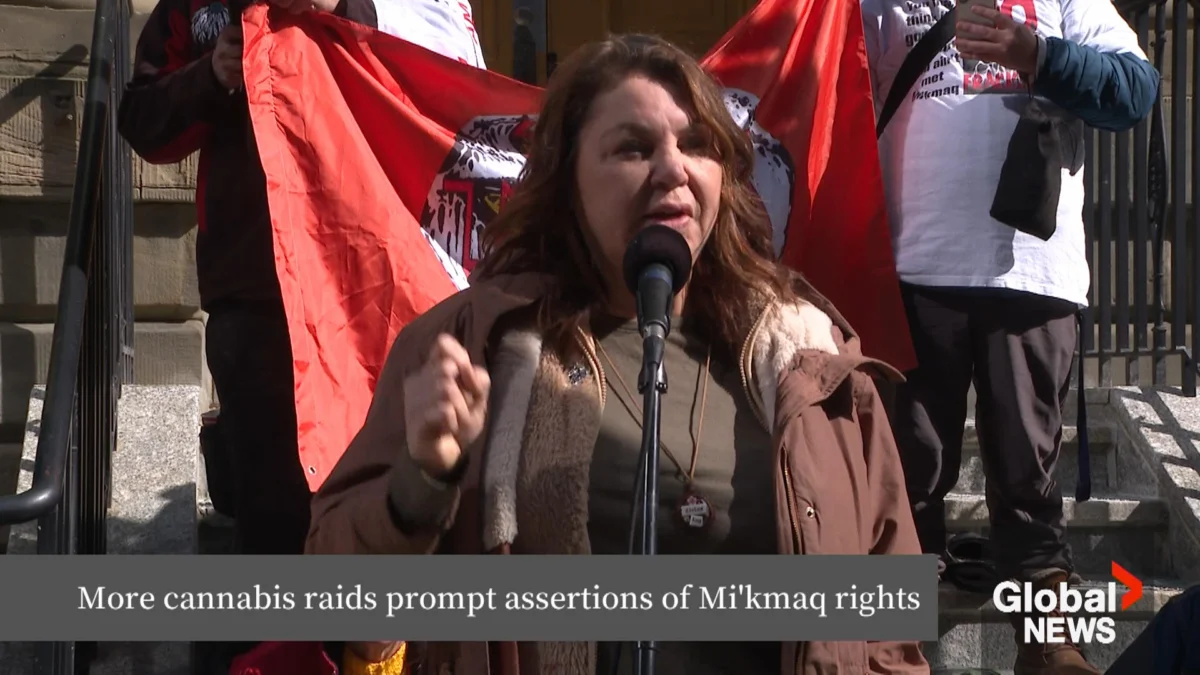
In a move that has intensified the long-standing debate over Indigenous sovereignty and provincial jurisdiction, Nova Scotia RCMP announced that they issued two summary offence tickets following inspections at what they described as illegal cannabis storefronts in First Nations communities within the province. These actions, conducted on March 12 and 13, 2026, in Whycocomagh and Eskasoni, have been met with swift condemnation from Mi’kmaw leaders, who assert their inherent right to self-governance and economic self-determination, rooted in constitutionally recognized treaty rights. The recent enforcement efforts underscore a growing tension between the provincial government’s mandate to regulate cannabis sales and First Nations’ claims of autonomy over commerce on their lands.
Details of the Recent RCMP Operations
The Nova Scotia RCMP confirmed that their inspections targeted two retail locations in the Cape Breton communities of Whycocomagh and Eskasoni. The operations, which took place over two days, resulted in the seizure of a significant quantity and variety of cannabis products. Among the items confiscated were numerous cannabis goods allegedly packaged to mimic common consumer items such as candy, potato chips, cookies, chocolate bars, and cereal. This particular finding prompted the RCMP to issue a public statement highlighting what they described as an "illegal practice that increases the chance of accidental consumption by children."
Supt. Jason Popik of the Nova Scotia RCMP articulated the force’s commitment to curbing illicit cannabis operations, stating, "We’re committed to reducing the impact of illegal cannabis storefronts in our communities. We’re now seeing more storefronts that are closed as we continue our inspection efforts. This is an early indication that police efforts to have these storefronts cease operations is working." Beyond the seizures, two individuals, one from each storefront, were charged under the Cannabis Control Act for operating a cannabis retail outlet without provincial authorization. Additionally, appearance notices were issued for offences under Nova Scotia’s Revenue Act, pertaining to the sale of illegal tobacco. The exact monetary value of the summary offence tickets is pending determination in court. RCMP officials also noted that investigations remain ongoing, suggesting further actions could follow.
Further reports from the RCMP indicated a broader pattern of compliance or pre-emptive closure, with officers finding four storefronts in Potlotek, one in Pictou Landing, and one in Paqtnek already closed upon their attendance. This suggests a varied response from First Nations communities to the increased enforcement pressure, with some choosing to cease operations while others maintain their businesses, setting the stage for direct confrontation with provincial law enforcement.

Mi’kmaw Nations Assert Treaty Rights and Self-Governance
The RCMP’s enforcement actions have been met with robust resistance and a unified stance from Mi’kmaw leadership. Just days prior to these inspections, the council of Cape Breton’s Membertou First Nation issued a powerful resolution affirming its inherent right to self-governance and its jurisdiction over economic activities, including cannabis and tobacco sales, on its traditional lands. The resolution unequivocally stated that the provincial government and the RCMP have no legitimate authority to conduct enforcement operations within Membertou territory, asserting that such actions constitute an unlawful assertion of provincial power. This declaration from Membertou echoes a broader sentiment among Mi’kmaw communities that provincial laws cannot unilaterally override their constitutionally protected treaty rights.
The foundation of these assertions lies in the Peace and Friendship Treaties of the 1760s, signed between the British Crown and the Mi’kmaq, Wolastoqiyik, and Passamaquoddy peoples. These treaties, recognized and affirmed by the Supreme Court of Canada in landmark decisions such such as the 1999 R. v. Marshall case concerning fishing rights, establish a framework for the Indigenous right to pursue a moderate livelihood through traditional means. While the Marshall decision primarily addressed fishing, its broader implications for economic treaty rights have been consistently invoked by First Nations communities in various commercial sectors, including cannabis and tobacco. Mi’kmaw leaders argue that the right to self-regulate and benefit from these industries is an extension of their inherent sovereignty and a pathway to economic self-sufficiency, essential for community development and addressing socio-economic disparities.
The collective response from Mi’kmaw chiefs has been one of condemnation and defiance. Many leaders view the provincial government’s directive and the subsequent RCMP actions as a direct assault on their inherent rights and an impediment to reconciliation efforts. The sentiment is that while the federal government legalized cannabis in 2018, it did so without adequately consulting or accommodating First Nations’ pre-existing rights and jurisdiction, leaving a regulatory vacuum that communities are now seeking to fill on their own terms. The Membertou resolution reflects a growing resolve among Mi’kmaw communities to assert their jurisdiction and manage their economies in ways that align with their cultural values and community needs, rather than adhering solely to provincial mandates.
Nova Scotia Government’s Stance and Enforcement Directive
The provincial government of Nova Scotia, led by Premier Tim Houston, has taken a firm stance on the issue, maintaining that all retail cannabis sales outside of the Crown-owned Nova Scotia Liquor Corporation (NSLC) are illegal. This position forms the basis for Attorney General Scott Armstrong’s directive, issued in December 2025, which called for increased enforcement against illegal cannabis operations across the province by all police agencies. The provincial government argues that this crackdown is necessary to ensure public safety, maintain regulatory control over a Schedule I drug, and combat organized crime.

A key justification presented by government officials for the intensified enforcement has been the alleged link between illegal cannabis operations and more serious criminal activities, including human trafficking. However, the province has yet to provide concrete evidence or specific details substantiating these claims. This lack of transparency regarding the alleged nexus between unregulated cannabis sales and human trafficking has been a point of contention and skepticism for Mi’kmaw leaders, who have publicly questioned the validity and motive behind such assertions without supporting data. Critics argue that framing the issue primarily through the lens of organized crime and human trafficking without offering specific evidence could be seen as a tactic to delegitimize Indigenous economic initiatives and justify provincial overreach.
The Nova Scotia Liquor Corporation holds the exclusive right to sell recreational cannabis in Nova Scotia, a model that generates significant revenue for the province. From the provincial perspective, any deviation from this centralized retail model undermines the integrity of the regulated market, poses health and safety risks due to unregulated products, and deprives the province of tax revenues intended for public services. Premier Houston himself has faced direct political fallout from this policy, with at least one Mi’kmaw community banning him and several of his ministers from their land in protest of the enforcement directive, signaling a profound breakdown in trust and relations.
A Chronology of Escalating Tensions
The current friction between the Nova Scotia government and Mi’kmaw communities represents an escalation of long-simmering disagreements over jurisdiction.
- October 2018: Canada legalizes recreational cannabis. Provinces are given the authority to regulate retail sales. Nova Scotia establishes the NSLC as the sole legal retailer.
- Post-2018: First Nations communities across Canada begin opening their own cannabis dispensaries, asserting inherent and treaty rights to economic self-determination, often citing the lack of consultation during federal legalization and provincial regulation.
- Throughout 2023-2025: Sporadic enforcement actions by RCMP occur, often met with community protests and legal challenges. Mi’kmaw leaders consistently reiterate their position on treaty rights and self-governance.
- December 2025: Nova Scotia Attorney General Scott Armstrong issues a directive to police agencies, urging increased enforcement against illegal cannabis operations across the province. This marks a significant shift towards more aggressive provincial intervention.
- Early 2026: Mi’kmaw leaders, including several chiefs, publicly condemn the Attorney General’s directive, interpreting it as an infringement on their sovereignty.
- March 5, 2026 (approximate): The council of Membertou First Nation passes a resolution asserting its treaty right to self-governance, including the regulation of cannabis and tobacco sales, and declaring that provincial authorities and RCMP have no right to enforce laws on its lands.
- March 12 & 13, 2026: Nova Scotia RCMP conduct inspections and raids in Whycocomagh and Eskasoni First Nations, leading to seizures and charges, as outlined in the initial report.
- March 17, 2026: RCMP publicly announce the results of the inspections, further solidifying the provincial government’s enforcement stance and intensifying the dispute.
Economic and Social Dimensions of the Conflict
For many First Nations communities, the establishment of cannabis and tobacco retail operations represents a critical pathway to economic self-sufficiency. These businesses generate local employment, provide revenue for community programs and services, and offer a means for Indigenous peoples to exercise economic control over their own lands. Leaders argue that restricting these ventures to provincial monopolies undermines their efforts to build sustainable economies and address historical underdevelopment. The ability to regulate and profit from these industries is seen as a tangible expression of inherent rights and a practical step towards reducing reliance on external funding.

Conversely, the provincial government’s emphasis on public safety and the dangers of unregulated products raises legitimate concerns. Unlicensed products may not undergo the rigorous testing and quality control mandated for NSLC products, potentially exposing consumers to health risks. The issue of cannabis-infused edibles packaged to resemble children’s snacks is particularly alarming from a public health perspective, highlighting a genuine safety concern that resonates with the broader public. The province also stands to lose significant tax revenue if a substantial portion of the cannabis market operates outside its regulatory and taxation framework. Data from the NSLC consistently shows year-over-year growth in cannabis sales, contributing millions to provincial coffers. Any erosion of this monopoly could impact provincial budgets and services.
Broader Implications for Indigenous-Crown Relations
The ongoing dispute in Nova Scotia has far-reaching implications for Indigenous-Crown relations across Canada. It highlights the persistent challenges in reconciling Indigenous inherent and treaty rights with provincial and federal jurisdictions. The conflict underscores the need for genuine nation-to-nation dialogue and co-development of regulatory frameworks that respect Indigenous sovereignty while addressing legitimate public safety concerns.
The current situation risks further eroding trust between First Nations and the provincial government, potentially setting back reconciliation efforts. The refusal by some Mi’kmaw communities to allow the Premier on their lands is a stark indicator of the strained relationship. This kind of jurisdictional standoff often leads to protracted legal battles, which are costly, time-consuming, and can further entrench adversarial positions, rather than fostering cooperative solutions.
The Path Forward: Dialogue or Litigation?
As investigations continue and the legal implications of the summary offence tickets are determined in court, the immediate future appears uncertain. Mi’kmaw leaders have consistently called for a negotiated solution, emphasizing the need for a respectful dialogue that acknowledges and accommodates their treaty rights. They advocate for a co-management approach or the recognition of their distinct regulatory systems, rather than unilateral provincial enforcement.

The Nova Scotia government, while stressing its commitment to the rule of law and public safety, faces increasing pressure to engage meaningfully with First Nations on these complex issues. The lack of detailed evidence linking Indigenous-run cannabis operations to human trafficking has also placed the onus on the province to provide clearer justifications for its assertive enforcement strategy. Without a shift towards collaborative discussions, the dispute risks escalating into protracted legal challenges, potentially leading to constitutional arguments that could redefine the boundaries of Indigenous and provincial jurisdiction over commerce. The outcome of this conflict will undoubtedly set precedents for similar disputes across Canada, making a resolution that respects all parties’ rights and responsibilities paramount for the future of Indigenous-Crown relations.
— With files from The Canadian Press