admin
admin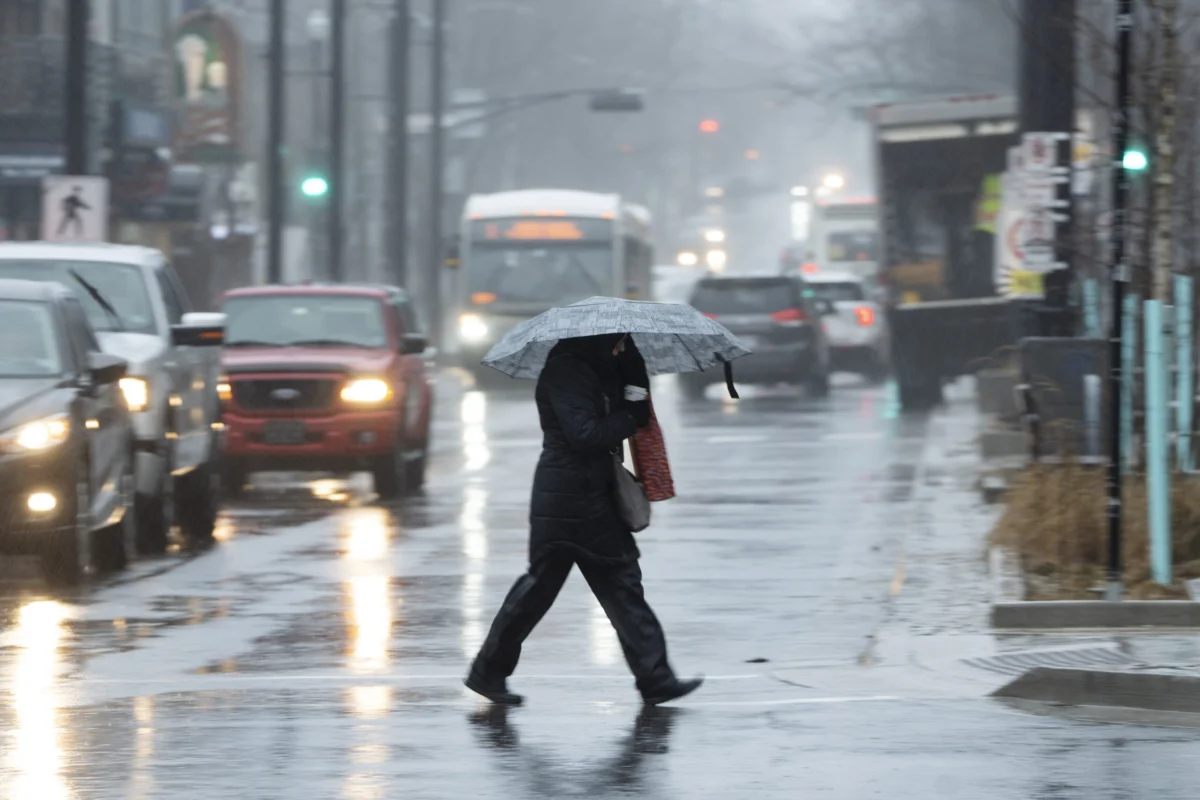
Environment Canada has issued comprehensive severe weather warnings across much of Nova Scotia and New Brunswick, advising residents to brace for a potent weather system expected to bring significant rainfall, powerful wind gusts, and rapid snowmelt starting Monday afternoon, March 16, 2026. This extensive warning, categorized under the recently introduced colour-coded alert system, signifies a heightened risk level for various weather-related hazards, prompting emergency management officials and utility providers to prepare for potential widespread impacts. The federal weather agency’s latest forecast indicates that the system will begin impacting New Brunswick in the afternoon before sweeping across Nova Scotia later in the day, persisting through Tuesday afternoon and evening.
Understanding the New Colour-Coded Warning System
This widespread alert marks one of the significant tests for Environment Canada’s new colour-coded weather warning system, officially launched in November 2025. Designed to enhance public understanding and improve response coordination, the system categorizes weather events into four distinct levels: Green (Advisory), Yellow (Watch), Orange (Warning), and Red (Emergency Alert). The current alerts for heavy rain and strong winds fall primarily under the ‘Orange Warning’ category, indicating that severe weather is either occurring or is highly probable. This system aims to provide clearer, more actionable information, allowing individuals and emergency services to tailor their preparedness and response efforts to the specific level of threat. A ‘Green Advisory’ typically denotes minor weather concerns, while a ‘Yellow Watch’ suggests conditions are favourable for severe weather development. An ‘Orange Warning,’ as seen in the current situation, indicates that severe weather is imminent or occurring and poses a significant threat. A ‘Red Emergency Alert’ is reserved for extremely rare and dangerous events, such as catastrophic hurricanes or widespread tornadoes, requiring immediate life-saving action. The current situation, with its combination of heavy rain, strong winds, and rapid snowmelt, warrants the Orange Warning due to the potential for property damage, travel disruptions, and localized flooding.
Meteorological Overview and System Progression

The weather system driving these conditions is identified as a robust low-pressure system tracking northward along the eastern seaboard of North America. This system is drawing significant moisture from the Atlantic Ocean, which, combined with strong atmospheric dynamics, is expected to generate intense precipitation and powerful winds. The current trajectory suggests the system will cross the Maritimes over approximately 24 to 36 hours.
For New Brunswick, the initial onset of heavy rain and strong winds is anticipated in the southern and central regions by Monday afternoon. Forecasts indicate rainfall totals ranging from 20 to 40 millimetres across most affected areas. However, coastal communities, particularly those along the Fundy coast, are expected to bear the brunt of the precipitation, with localized amounts potentially reaching 40 to 60 millimetres. Wind gusts in these areas are predicted to reach up to 70 kilometres per hour, posing a risk of downed branches and power interruptions. The system’s progression suggests two distinct pulses of heavier rain, with a potential lull in precipitation during the overnight hours early Tuesday morning, offering a brief respite before conditions intensify again. Dissipation for New Brunswick is expected by Tuesday afternoon.
Nova Scotia will experience similar, if not slightly more intense, conditions. Western Nova Scotia is projected to see the onset of heavy rain and strong winds by Monday afternoon, with the system gradually spreading eastward to the province’s Atlantic coast by the evening. Rainfall accumulations are expected to be between 30 and 50 millimetres across the province. However, wind gusts could be more severe, reaching up to 80 kilometres per hour, particularly in exposed coastal areas and higher elevations. Similar to New Brunswick, Nova Scotia will likely experience two heavier pulses of rain, interspersed with a possible break overnight into early Tuesday. The system is forecast to clear western areas of Nova Scotia by Tuesday afternoon and eastern sections by Tuesday evening.
The Dual Threat: Rain and Rapid Snowmelt
A critical aspect of this weather event is the unusually mild temperatures accompanying the system. These warm air masses will trigger a rapid melting of the existing snowpack across both provinces. While a significant snowpack has accumulated in various areas over the winter months, the combination of heavy rainfall and rapid melt presents a heightened risk of localized flooding. This hydrological threat can manifest in several ways:

- Urban Flooding: Storm drains and culverts, already potentially blocked by ice or compacted snow, may become overwhelmed by the sudden influx of water, leading to street flooding and basement inundation in urban and suburban areas.
- Riverine Flooding: Rivers and streams, swollen by both rainfall and snowmelt runoff, could exceed their banks, particularly in low-lying areas adjacent to waterways. The speed of the melt and the intensity of the rain will dictate the severity of this risk.
- Flash Flooding: In areas with steep terrain or where drainage systems are poor, localized flash flooding could occur rapidly, posing immediate dangers to property and individuals.
- Infrastructure Strain: Bridges, culverts, and road infrastructure may be stressed by increased water flow, potentially leading to washouts or damage.
Officials are particularly concerned about areas that have experienced recent heavy snowfall, where the ground may still be frozen, limiting water absorption and increasing surface runoff. The Fundy coast, known for its dynamic tidal range, will need to monitor potential storm surge, although the primary concerns remain rainfall and wind.
Potential Impacts and Preparedness Actions
The confluence of heavy rain, strong winds, and rapid snowmelt carries several significant potential impacts:
- Power Outages: Strong wind gusts are a primary cause of power outages, as they can bring down trees, branches, and power lines. Utility companies in both provinces, including Nova Scotia Power and NB Power, have indicated they are closely monitoring the situation and have crews on standby to respond to potential outages. Residents are advised to have alternative light sources, fully charged mobile devices, and an emergency kit ready.
- Travel Disruptions: Reduced visibility due to heavy rain and spray, combined with strong crosswinds, will make driving conditions hazardous. Roads may become slick or flooded. Drivers of high-profile vehicles are particularly vulnerable to strong gusts. Public transportation, including ferry services and regional flights, could face delays or cancellations. Residents are encouraged to postpone non-essential travel during the peak of the storm.
- Property Damage: Beyond power outages, strong winds can damage unsecured outdoor objects, roofing, and siding. Heavy rain can lead to basement flooding, especially if eavestroughs and downspouts are not cleared of debris.
- Safety Risks: Flooded roads pose a significant danger; motorists are reminded to "turn around, don’t drown" and never attempt to drive through flooded areas. Pedestrians should exercise extreme caution, especially near waterways or where visibility is poor.
Official Responses and Public Advisories
Emergency management organizations (EMOs) in both Nova Scotia and New Brunswick are actively engaged in monitoring the evolving situation and coordinating preparedness efforts. Provincial EMOs are in communication with municipal authorities, first responders, and utility companies to ensure a coordinated response should severe impacts materialize.

"We urge all residents in the affected areas to take these warnings seriously," stated a hypothetical spokesperson from Nova Scotia’s Emergency Management Office. "Now is the time to secure loose items outdoors, clear storm drains and eavestroughs, and ensure your emergency kit is well-stocked with essentials like water, non-perishable food, flashlights, and a battery-powered radio. Charge your cell phones and be prepared for potential power outages."
Similarly, a hypothetical representative from New Brunswick’s Emergency Measures Organization emphasized proactive measures: "Our teams are working diligently with Environment Canada and local partners. The public’s cooperation is vital. Please monitor local news outlets, Environment Canada’s official channels, and our social media for the latest updates. Avoid unnecessary travel, especially during peak rainfall and wind periods, and report any hazardous conditions to the appropriate authorities."
Local municipalities are also taking steps, with public works departments checking and clearing critical storm drains and preparing equipment for potential flooding. Residents are encouraged to report blocked drains in their neighbourhoods to help mitigate local flooding risks.
Historical Context and Climate Projections
The Maritimes are no strangers to powerful weather systems, having experienced numerous impactful storms, including post-tropical cyclones and intense winter storms, that have brought heavy precipitation and damaging winds. Events like Hurricane Juan in 2003, which caused widespread power outages and significant property damage, or the intense rainfall events of recent years that led to severe localized flooding, serve as reminders of the region’s vulnerability to extreme weather. While attributing any single event solely to climate change is complex, scientific projections indicate that climate change is likely to increase the frequency and intensity of extreme weather events, including heavy rainfall and stronger winds, in many parts of the world, including Atlantic Canada. Warmer ocean temperatures can provide more energy and moisture to developing storm systems, potentially leading to heavier precipitation totals. The new colour-coded warning system by Environment Canada is, in part, a response to the need for more effective communication in an era of increasingly volatile weather patterns.

Post-Event Outlook and Recovery
Once the system begins to dissipate on Tuesday afternoon and evening, residents can expect improving conditions, with winds gradually subsiding and rainfall tapering off. However, the immediate aftermath will require continued vigilance. Roads may still be flooded or damaged, and power outages could persist in some areas as crews work to restore service.
The focus will then shift to damage assessment and recovery. Emergency services will evaluate the extent of flooding, wind damage, and infrastructure impacts. Property owners will begin the process of cleanup and repairs. It is crucial for residents to continue exercising caution, especially when dealing with potentially damaged property or in areas where power lines may be down. Reporting damage to municipal authorities and insurance providers will be a priority for many.
Environment Canada reiterates its advice for residents to remain vigilant, continuously monitor official weather alerts and forecasts through Tuesday, and be prepared to take immediate action if conditions worsen or new warnings are issued for their specific area. The successful navigation of this significant weather event will rely heavily on public awareness, preparedness, and cooperation with emergency services.