admin
admin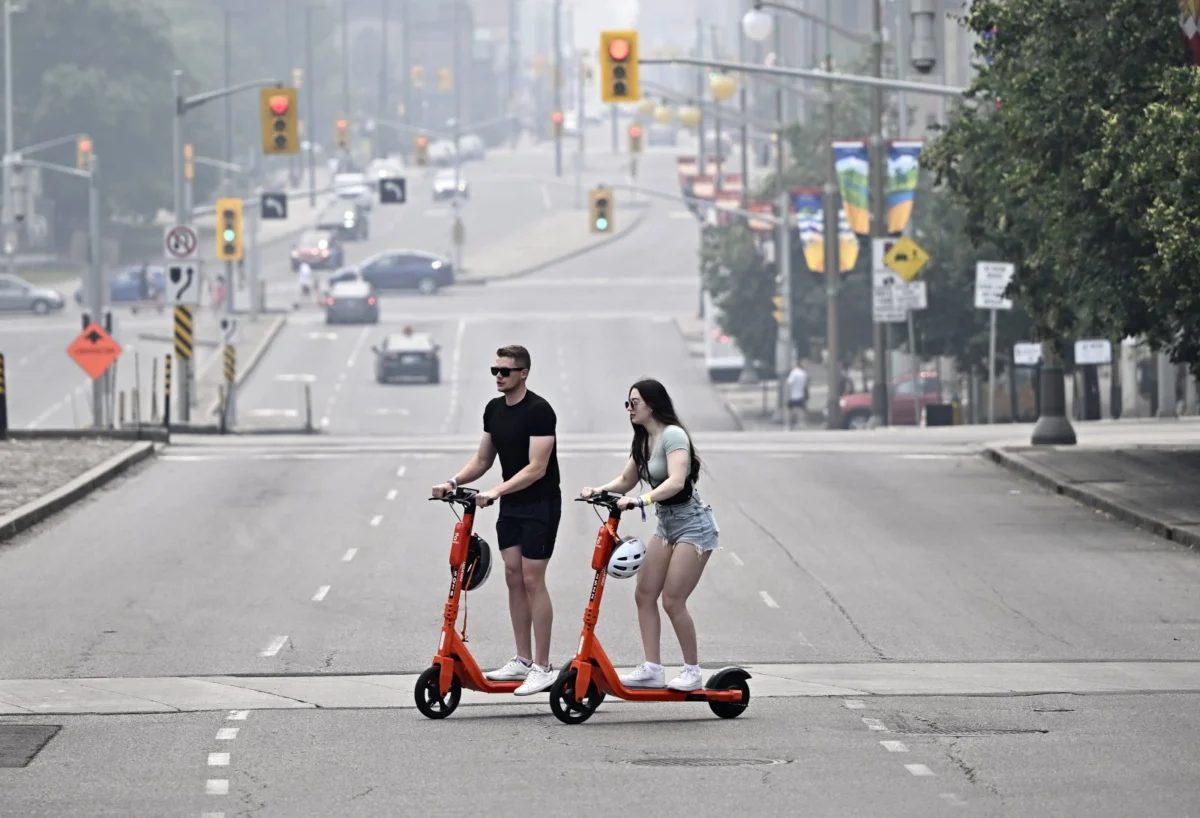
Nova Scotia is poised to implement a significant policy change this autumn, prohibiting children under the age of 14 from operating e-bikes and e-scooters within the province. This legislative move, announced by Public Works Minister Fred Tilley on Thursday, is part of a broader series of amendments slated for the province’s Traffic Safety Act, signaling a proactive approach to evolving transportation technologies and the associated public safety challenges. The decision underscores a growing national concern regarding the safety implications of these increasingly popular micro-mobility devices, particularly among younger users.
The rapid proliferation of electronic scooters and e-bikes in recent years has transformed urban and suburban landscapes, offering convenient and often eco-friendly alternatives for commuting and leisure. However, this surge in usage has been accompanied by a discernible rise in incidents and injuries, prompting governments across Canada to re-evaluate existing traffic safety frameworks. Minister Tilley emphasized the dynamic nature of these devices, stating, “The technology on bicycles and cars is changing on the daily, which allows these conveyances to move faster. You start to get into a different level of conveyance than a traditional bicycle or cycle.” This technological advancement, while offering efficiency and speed, also introduces inherent risks not typically associated with traditional pedal-powered bicycles.
The Growing Impetus: Rising Injury Statistics
The primary driver behind Nova Scotia’s impending age restriction is a compelling body of data illustrating a sharp increase in e-scooter related injuries across Canada. The Canadian Institute for Health Information (CIHI) reported a concerning trend last year, revealing that there were 498 e-scooter hospitalizations nationwide during the 2023-2024 fiscal year. This figure represents a substantial 32 percent increase from the previous year, highlighting a rapidly escalating public health issue.
Further analysis of this data, as presented by Stephanie Cowle, Director of Knowledge and Transition at Parachute Canada, an organization dedicated to injury prevention, indicates an even more pronounced rise in injuries among specific demographic groups. Cowle noted that the increase was significantly greater for children aged five to 17, underscoring the particular vulnerability of minors to the inherent risks of these devices. "There are particular risks for children, but we also want to think about the safety of adults using these devices," she cautioned, pointing to a broader need for comprehensive safety measures.
The nature of these injuries often ranges from abrasions and lacerations to more severe outcomes such as fractures, concussions, and head trauma, frequently requiring emergency medical intervention and, in many cases, hospitalization. The speeds at which some of these devices can travel – with certain models capable of reaching up to 70 km/h – starkly contrast with the average speeds of traditional bicycles, which typically hover below 20 km/h. This significant speed differential, combined with the often less stable design of e-scooters and the lack of protective gear, amplifies the risk of serious injury, especially for inexperienced or younger riders who may have underdeveloped motor skills and risk assessment capabilities.
A Chronology of Concern and Legislative Response
The journey towards this regulatory change in Nova Scotia reflects a national trend of governments playing "catch-up" with disruptive technologies. While e-bikes and e-scooters began to gain traction in the mid-2010s, their widespread adoption accelerated dramatically in the early 2020s, fueled by innovations in battery technology and increased demand for personal, short-distance transportation options. Initially, many jurisdictions lacked specific regulations for these devices, often classifying them ambiguously or not at all within existing traffic laws.

The absence of clear guidelines led to a period of experimentation and, unfortunately, a rise in incidents. Cities began to grapple with issues ranging from sidewalk clutter and pedestrian safety conflicts to serious accidents. Over the past three to four years, as injury data accumulated and public safety advocates raised alarms, provinces and municipalities started to explore various regulatory approaches. The CIHI data from 2023-2024 served as a critical inflection point, providing concrete evidence of the escalating problem and reinforcing the urgency for legislative action. Nova Scotia’s announcement this week solidifies its position among a growing number of provinces moving to establish clearer boundaries for the use of these devices, particularly by young people. The amendments to the Traffic Safety Act this fall mark the formal legislative response to these accumulating concerns.
The Patchwork of Canadian Regulations
Nova Scotia’s proposed age restriction is not an isolated initiative but rather aligns with a broader trend across Canada where provinces are attempting to standardize the use of e-bikes and e-scooters. P.E.I., Quebec, Ontario, Saskatchewan, Alberta, and British Columbia have already implemented various age restrictions for these devices, reflecting a shared understanding of the associated risks.
However, the specific regulations differ significantly from one jurisdiction to another, creating a complex and often confusing landscape for users and law enforcement alike. For instance, while many provinces mandate helmet use, restrict where devices can be ridden (e.g., prohibiting sidewalks), and impose speed limits, the exact thresholds and enforcement mechanisms vary. Stephanie Cowle of Parachute Canada highlighted this inconsistency, noting that while rental and rideshare companies often incorporate speed limiters into their devices, privately purchased e-bikes and e-scooters frequently lack such inherent restrictions, allowing users to reach high speeds with little oversight. "Right now in Canada, there are not any regulations that I am aware of that limit the speed of an e-bike or an e-scooter that you can purchase," she pointed out, indicating a significant loophole in current safety protocols.
Some provinces are actively considering creating new classifications for higher-speed devices, which would necessitate licensing requirements similar to those for mopeds or motorcycles. Quebec, for example, already mandates a unique class of license for riders aged 14 to 17 operating certain types of e-bikes, demonstrating a more stringent approach to youth operators. Internationally, parts of Europe classify devices traveling faster than 25 km/h as mopeds, requiring specific licenses and adherence to stricter road safety rules. This divergence in regulatory frameworks underscores the challenge of balancing technological innovation with public safety, and the ongoing need for a more harmonized approach across Canadian provinces.
Official Responses and Broader Stakeholder Reactions
The announcement from Public Works Minister Fred Tilley has garnered a largely supportive, albeit cautiously so, response from opposition parties within Nova Scotia’s legislature. Derek Mombourquette, Liberal MLA for Sydney-Membertou, welcomed the regulations, stating, "This is something that is really emerging in communities across the province. So we want to make sure that as anything new comes online that people are safe, that all of the restrictions are looked at." His sentiment reflects a general agreement on the necessity of addressing the safety concerns posed by these new transportation modalities.
Similarly, NDP leader Claudia Chender acknowledged the government’s role in adapting to technological advancements. "We know that whenever there is a disruptive technology or transportation or anything like that, the government has to play catch-up to regulate, and that is the case here," she commented. However, Chender also expressed a desire for transparency, indicating that she would seek to review the data supporting this particular initiative before offering her full endorsement. This highlights the importance of evidence-based policymaking in navigating complex public safety issues.
Beyond the political arena, the proposed ban is likely to elicit a range of reactions from various stakeholders. Parents’ advocacy groups, particularly those focused on child safety, are expected to broadly welcome the measure, viewing it as a crucial step in protecting young people from preventable injuries. Emergency room physicians and healthcare professionals, who witness firsthand the impact of e-bike and e-scooter accidents, are also likely to support stricter regulations, potentially advocating for broader measures such as mandatory helmet laws for all ages and clearer classifications based on speed and power.

Conversely, retailers specializing in e-bikes and e-scooters might express concerns about the potential impact on sales, particularly during peak seasons or in demographics where younger riders represent a significant market segment. However, many retailers also recognize the importance of responsible sales and usage, and some may adapt by focusing on educational campaigns for adult riders or promoting lower-speed, age-appropriate alternatives. Cycling advocacy groups, while generally supportive of sustainable transportation, might also weigh in on the importance of dedicated infrastructure (bike lanes, safe paths) to ensure the safe integration of all micro-mobility devices, emphasizing that regulation alone is only one part of a comprehensive safety strategy.
Enforcement Challenges and Future Implications
The implementation of Nova Scotia’s age restriction will undoubtedly present practical challenges for enforcement. Policing the use of e-bikes and e-scooters, particularly in diverse urban and rural settings, will require clear guidelines and adequate resources. Law enforcement agencies will need to distinguish between traditional bicycles, e-bikes, and e-scooters, and verify the age of riders, which can be difficult in dynamic traffic situations. Public awareness campaigns will be crucial to inform both parents and children about the new rules, fostering compliance through education rather than solely through punitive measures.
Looking ahead, this age restriction may be just the initial step in a broader evolution of micro-mobility regulation in Nova Scotia and across Canada. The discussions around licensing requirements for higher-speed devices, the standardization of speed limits for purchased units, and potential power output restrictions (measured in watts) for different classes of e-bikes are likely to intensify. The increasing sophistication of these devices, coupled with a growing understanding of their safety implications, suggests that further legislative adjustments will be necessary to ensure public safety keeps pace with technological innovation.
The debate also touches on broader urban planning and transportation policy. As e-bikes and e-scooters become integral to personal mobility, there is an ongoing need to invest in infrastructure that can safely accommodate them, such as dedicated cycling paths and clear zoning for their operation. The balance between promoting environmentally friendly transportation options and ensuring the safety of all road users remains a complex challenge for policymakers.
In conclusion, Nova Scotia’s decision to prohibit children under 14 from riding e-bikes and e-scooters is a direct response to a mounting body of evidence indicating a significant rise in injuries, particularly among young people. This move positions the province alongside others in Canada that are actively seeking to regulate this rapidly evolving sector of personal transportation. While the immediate focus is on protecting minors, the broader implications of this policy extend to the future of urban mobility, the development of comprehensive safety standards, and the ongoing dialogue between technological advancement and public welfare.