admin
admin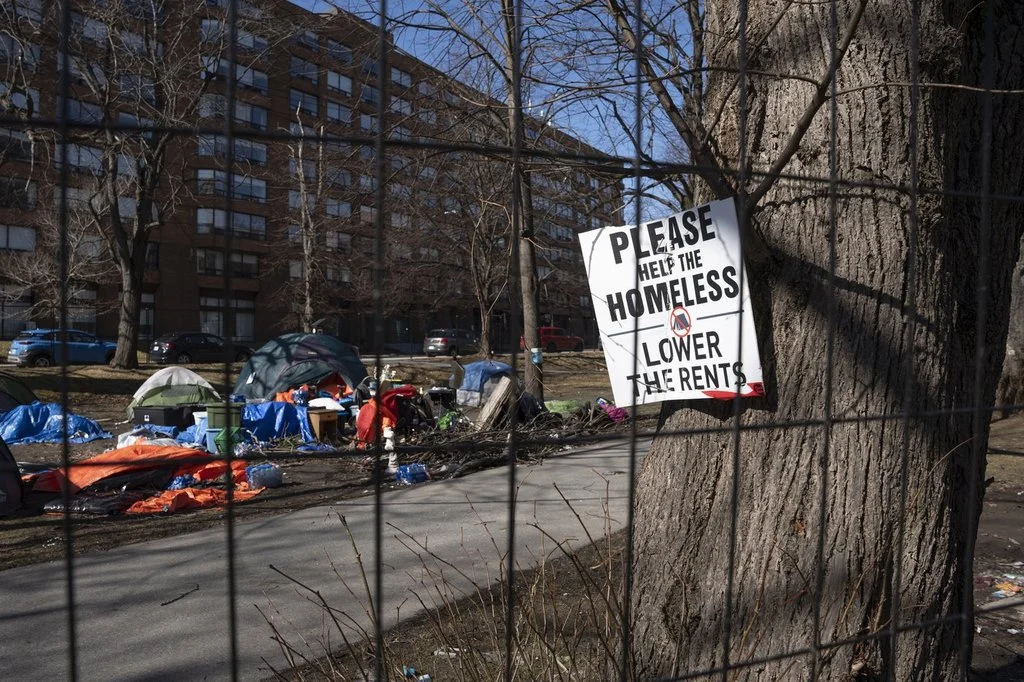
The Nova Scotia Court of Appeal has delivered a landmark ruling, unequivocally stating that tents legally constitute "accommodation" under provincial legislation, thereby preventing the province from denying enhanced income support to unhoused individuals who reside in them. This pivotal decision, handed down on Wednesday, August 6, 2026, overturns a previous Nova Scotia Supreme Court judgment and an earlier assistance appeal board decision, marking a significant victory for human rights advocates and vulnerable populations across the province and potentially beyond. The ruling underscores a critical re-evaluation of what constitutes suitable living arrangements for those in precarious housing situations, particularly in the context of accessing essential social assistance.
A Crucial Overturn and Its Immediate Impact
The unanimous decision by a panel of three Appeal Court judges directly addressed the case of Bradley Lowe, an individual with a disability who was denied enhanced income assistance because his primary residence was a tent. Lowe had applied for assistance in 2023, qualifying for a basic rate of $380 per month. However, due to his disability, he sought the enhanced rate of $974 per month, a request that was initially refused. This refusal was upheld by the Nova Scotia Supreme Court last year, which found that Lowe did not meet the eligibility requirements based on his accommodation status. The Appeal Court’s ruling dismantles this interpretation, affirming that living in a tent does not disqualify an individual from receiving the full benefits to which they are otherwise entitled.
Tragically, Bradley Lowe passed away in December 2023, never witnessing the ultimate triumph of his legal battle. However, his family courageously continued the fight, ensuring his case proceeded through the judicial system. Their perseverance led to the crucial intervention of the Elizabeth Fry Society of Mainland Nova Scotia, a non-profit organization dedicated to advocating for and supporting marginalized women and gender-diverse individuals, particularly those affected by the justice system and homelessness. The society’s involvement proved instrumental in highlighting the broader human rights implications of the case, particularly concerning the unique vulnerabilities faced by women experiencing homelessness.
The Broader Context of Homelessness in Nova Scotia
The ruling arrives amidst a deepening housing crisis in Nova Scotia, mirroring trends observed across Canada. Halifax, the provincial capital, has seen a dramatic increase in its unhoused population in recent years. Data from local organizations and the city’s Point-in-Time counts reveal a consistent upward trajectory in the number of individuals experiencing homelessness, with a significant proportion living in unsheltered conditions, including encampments in public parks like Victoria Park, as depicted in the March 2024 image. These encampments have become stark visual reminders of the systemic failures in housing and social support, prompting public outcry and increased advocacy.
The reasons for this surge are multifaceted, including rising rental costs, a severe shortage of affordable housing units, stagnant income assistance rates that fail to keep pace with the cost of living, and a lack of adequate support services for individuals with mental health challenges, addictions, and disabilities. For many, living in a tent is not a choice but a grim necessity, a last resort when shelters are full, unsafe, or inaccessible, and conventional housing is financially out of reach. The province’s social assistance framework, designed to provide a safety net, has increasingly struggled to adapt to these evolving realities, leading to situations like Lowe’s where individuals are caught in bureaucratic loopholes.

Chronology of a Landmark Legal Battle
The journey to this Appeal Court decision has been protracted, spanning several key dates:
- Early 2023: Bradley Lowe applies for income assistance in Nova Scotia, qualifying for the basic rate of $380 per month.
- Mid-2023: Lowe, citing a disability, requests the enhanced rate of $974 per month. His request is denied by the assistance appeal board, which rules that his residence in a tent does not qualify as "accommodation" under the provincial Social Assistance Act.
- Late 2023: Lowe appeals the board’s decision to the Nova Scotia Supreme Court. The Supreme Court upholds the initial denial, affirming that a tent does not meet the legal definition of accommodation for enhanced support eligibility.
- December 2023: Bradley Lowe passes away. Despite his death, his family makes the courageous decision to continue his legal fight, recognizing the broader implications for others in similar situations.
- Early 2024: The Elizabeth Fry Society of Mainland Nova Scotia formally intervenes in the case, bringing their expertise in advocating for vulnerable populations and adding a crucial human rights perspective, particularly concerning women experiencing homelessness.
- August 6, 2026: The Nova Scotia Court of Appeal delivers its ruling, overturning both the Supreme Court’s decision and the assistance appeal board’s original denial, declaring that tents do count as accommodation for the purpose of enhanced income support.
Legal Reasoning and the Definition of "Accommodation"
The Appeal Court’s ruling meticulously dissected the provincial government’s interpretation of "accommodation" within the context of income assistance legislation. The province had argued that for enhanced disability support, an applicant must reside in a "fixed or conventional" dwelling. The Appeal Court judges, however, adopted a broader, more humanitarian interpretation, asserting that the intent of the Social Assistance Act is to provide support to those in need, regardless of the precise nature of their shelter, especially when conventional housing is unavailable.
The court emphasized that denying enhanced support based solely on the type of dwelling, particularly when that dwelling is the only available option for survival, undermines the fundamental purpose of social assistance. The judges likely considered the principle of statutory interpretation, which often dictates that legislation intended to benefit vulnerable populations should be interpreted broadly and purposively to achieve its objectives. By recognizing a tent as a legitimate form of accommodation, the court acknowledged the lived realities of unhoused individuals and prevented a narrow, technical definition from obstructing access to vital support. This interpretation aligns with evolving legal standards that increasingly recognize the right to adequate housing, even if that housing is unconventional due to systemic failures.
The Elizabeth Fry Society’s Powerful Intervention
Emma Halpern, executive director of the Elizabeth Fry Society of Mainland Nova Scotia, lauded Wednesday’s ruling as a profound victory for the humanity and dignity of society’s most vulnerable members. "I feel like this is a win for all Canadians in that I really, deeply believe that we are only as healthy as our most vulnerable people," Halpern stated in an interview, expressing hope for "ripple effects into other provinces."
The society’s intervention focused heavily on the disproportionate challenges faced by women experiencing homelessness, particularly those residing in tents. Halpern highlighted that without a locking door, women in encampments are significantly more vulnerable to physical and sexual violence, a stark reality often overlooked in policy discussions. Furthermore, she pointed out that many women are primary caregivers and are often required to maintain a certain physical appearance for employment or family responsibilities, which is incredibly difficult without stable housing and basic amenities.

Crucially, the Elizabeth Fry Society successfully challenged the province’s contentious argument that offering more money to women at risk of violence might "incentivize" them to live in a tent rather than seeking shelter. Halpern unequivocally dismissed this notion as absurd. "I’ve never heard of anyone deciding they want to live permanently in a tent so they can get an extra couple hundred bucks a month," she asserted. "The reason women are ending up in tents is because there are no beds in transition houses or women’s shelters." This testimony underscored the critical shortage of safe and accessible emergency shelters and transitional housing, forcing individuals into precarious living situations. Halpern added, "You can get back on your feet so much quicker if you’ve not lost your funding and your housing at the same time," emphasizing the compounding negative effects of financial insecurity coupled with homelessness.
Supporting Data: The Financial Gap and Living Realities
The disparity between the basic ($380) and enhanced ($974) rates of income assistance is significant. For an individual living in a tent, the basic rate provides barely enough for food and essential hygiene products, leaving virtually nothing for transportation, clothing, or any semblance of personal stability. The enhanced rate, while still modest given the high cost of living, offers a crucial lifeline. It can mean the difference between being able to afford a bus pass to access services, purchasing warmer clothing, or even saving a small amount towards a security deposit if a housing opportunity arises.
According to the Canadian Centre for Policy Alternatives, the cost of living in Halifax has steadily increased, with the living wage estimated to be significantly higher than current income assistance rates. In 2023, the living wage for Halifax was calculated at over $23 per hour, highlighting the vast gap between what is needed to survive and what income assistance provides. For someone with a disability, who often faces additional expenses related to their condition, this gap is even more pronounced. Denying the enhanced rate to someone in a tent effectively condemns them to deeper poverty and exacerbates their struggle to exit homelessness.
Implications and Broader Impact
This Nova Scotia Appeal Court ruling carries profound implications, both provincially and potentially nationally:
- Legal Precedent: The decision sets a powerful legal precedent. Other provinces and territories in Canada, grappling with similar issues of homelessness and social assistance eligibility, will likely look to this ruling. It could inform future legal challenges and encourage a re-evaluation of how "accommodation" is defined within their respective social assistance frameworks.
- Policy Review in Nova Scotia: The Nova Scotia Department of Community Services will be compelled to review and revise its policies regarding income assistance eligibility for unhoused individuals. This could lead to a more inclusive definition of accommodation and a reassessment of past denials, potentially resulting in retroactive payments for some applicants.
- Improved Support for Unhoused Individuals: For individuals living in tents or other non-traditional shelters, the ruling means access to significantly more financial support. This additional income can be critical for purchasing necessities, accessing health services, and working towards more stable housing solutions. It recognizes their dignity and acknowledges their struggle to survive in dire circumstances.
- Human Rights Affirmation: The decision reinforces the principle that fundamental human rights, including the right to an adequate standard of living, should not be conditional on the type of dwelling one can afford or access. It sends a strong message about upholding the dignity of all individuals, regardless of their housing status.
- Addressing Systemic Issues: While the ruling provides immediate financial relief, it also indirectly highlights the urgent need for broader systemic changes. Governments must invest more in affordable housing, mental health support, addiction services, and safe shelters to prevent people from ending up in tents in the first place. The court’s decision forces policymakers to confront the realities of homelessness rather than allowing bureaucratic definitions to perpetuate it.
- Potential for Increased Advocacy: The success of Lowe’s case, championed by his family and the Elizabeth Fry Society, may galvanize other advocacy groups to pursue similar legal challenges and policy reforms in other jurisdictions, pushing for a more compassionate and equitable approach to social assistance across Canada.
While the Nova Scotia government has yet to issue an official response to the Appeal Court’s ruling, it is expected that the Department of Community Services will need to publicly address the decision and outline its plans for implementation. This landmark judgment, born from the tragic circumstances of one individual, is poised to reshape the landscape of social support for the unhoused, asserting that even the most basic forms of shelter warrant recognition and respect within the framework of provincial assistance. It is a powerful reminder that legal definitions must evolve to meet the pressing humanitarian needs of a society facing a deepening crisis of homelessness.