admin
admin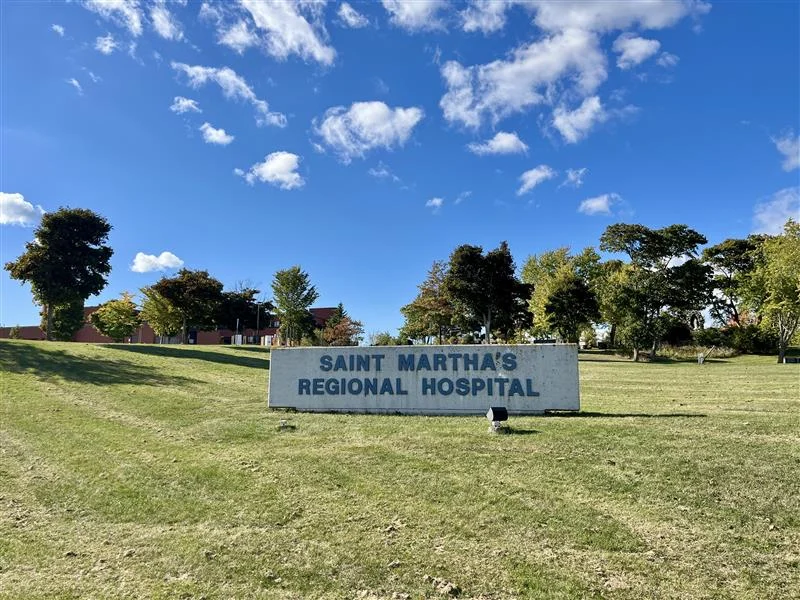
A 36-year-old Nova Scotia man is facing a litany of charges following a remarkable incident involving the theft of an unoccupied ambulance from St. Martha’s Regional Hospital in Antigonish County, which subsequently led to a multi-county police pursuit and its eventual immobilization by a spike belt in a neighbouring jurisdiction. The dramatic events unfolded on Thursday, September 10, 2026, captivating local communities and raising questions about emergency vehicle security and the rapid response capabilities of regional law enforcement. The suspect, identified as a resident of Deerfield, N.S., was safely apprehended after the approximately 45-minute ordeal, which traversed significant stretches of Highway 104 and involved collaborative efforts from multiple Royal Canadian Mounted Police (RCMP) detachments.
The Unfolding Drama: A Detailed Chronology of the Pursuit
The incident commenced at approximately 4:15 p.m. on Thursday when RCMP officers received a report of a stolen ambulance from the premises of St. Martha’s Regional Hospital in Antigonish. The theft of an emergency vehicle, particularly one equipped with critical medical supplies and designed for rapid patient transport, immediately escalated the situation to a high-priority concern for law enforcement. Ambulances are not merely vehicles; they represent a vital link in the chain of emergency medical response, and their unauthorized absence can have severe public safety implications.
Within minutes of the initial report, RCMP units in Antigonish County were deployed to locate the stolen vehicle. Their efforts quickly bore fruit when officers spotted the ambulance on Beech Hill Road in Antigonish. A critical juncture in the pursuit then emerged as officers attempted to initiate a traffic stop. However, the driver of the stolen ambulance disregarded police signals and failed to pull over, prompting a controlled response from the RCMP. Faced with a potentially dangerous situation involving a large vehicle being driven by an unauthorized individual, police made a strategic decision. As articulated in a subsequent police news release, "In the interest of public safety, officers didn’t pursue the ambulance but continued to track its movements." This tactical choice underscored the RCMP’s commitment to mitigating risks to the general public, prioritizing community safety over a high-speed chase that could endanger innocent motorists and pedestrians.
The ambulance, continuing its unauthorized journey, made its way onto Highway 104, a major thoroughfare connecting various communities across Nova Scotia. A second attempt to stop the vehicle was made near James River, but this too proved unsuccessful. The sheer size and distinct markings of the ambulance, while aiding in its tracking, also presented unique challenges for law enforcement seeking to bring it to a safe halt. The pursuit evolved into a coordinated effort across county lines, highlighting the seamless communication and operational protocols between different RCMP detachments in Nova Scotia. As the ambulance continued westward on Highway 104, it crossed into Pictou County, bringing a new set of law enforcement resources into play.
Recognizing the ongoing risk, Pictou County RCMP took decisive action. Near Sullivans River, officers strategically deployed a spike belt across Highway 104. This specialized device, designed to deflate tires without causing a sudden loss of control, is a standard tool in law enforcement for safely ending vehicle pursuits. The spike belt successfully impacted the ambulance’s tires, causing them to deflate. However, despite the significant damage to its tires, the ambulance continued to travel along the highway. This demonstrated a persistent defiance from the driver, further complicating the situation and prolonging the pursuit.

The final moments of the pursuit unfolded approximately 5 p.m. As the ambulance, now running on deflated tires, progressed towards New Glasgow, its speed and maneuverability were significantly impaired. It eventually came to a stop on the shoulder of Highway 104 near New Glasgow. At this point, RCMP officers moved in swiftly and safely arrested the driver. The apprehension marked the end of an approximately 45-minute, multi-county incident that tested the coordination and tactical acumen of Nova Scotia’s law enforcement agencies.
The Suspect and Legal Ramifications
The individual taken into custody following the dramatic events has been identified as a 36-year-old man from Deerfield, Nova Scotia. He is now facing a serious array of criminal charges stemming from the incident. These include:
- Theft of a motor vehicle: This is the primary charge, reflecting the unauthorized taking of the ambulance. Given that an emergency vehicle is a critical public asset, this charge carries significant weight.
- Driving while licence is suspended or revoked: This charge indicates a prior history of driving infractions or legal restrictions, exacerbating the severity of his actions. Driving without a valid licence, especially when already suspended or revoked, is a serious offence that underscores a disregard for traffic laws and public safety.
- Failure to comply with release conditions: This charge suggests that the suspect was already subject to specific legal conditions from a previous court appearance or release. Violating such conditions is a serious matter, as it demonstrates a failure to adhere to judicial directives and can lead to stricter penalties.
These charges collectively paint a picture of a suspect who not only engaged in a high-stakes theft but also demonstrated a pattern of non-compliance with legal requirements. The accused is expected to appear in court to face these charges, where the legal system will determine the appropriate consequences for his actions. The penalties for such offences can range from substantial fines and driving prohibitions to significant terms of imprisonment, depending on the specific circumstances, the extent of any damage, and the individual’s criminal history.
Background Context: Emergency Vehicle Security and Public Safety
The theft of an ambulance is a relatively rare but profoundly disruptive event. Ambulances are not merely vehicles; they are mobile emergency rooms, equipped with life-saving apparatus, medications, and sensitive patient data. Their operational status is critical to the functionality of the Emergency Health Services (EHS) system in Nova Scotia, particularly in rural areas where a single ambulance unit can be the sole immediate resource for a large geographic region.
Hospitals and emergency medical services typically maintain strict protocols for vehicle security. While ambulances are designed for rapid deployment and are often kept ready for immediate departure, access is generally restricted to authorized personnel. The circumstances surrounding how this particular ambulance became accessible to an unauthorized individual will likely be a subject of internal review by both the hospital administration and EHS Nova Scotia. Such incidents highlight vulnerabilities that emergency service providers constantly work to address, balancing the need for rapid response with robust security measures.
In rural communities like Antigonish, the temporary loss of an ambulance can have disproportionate impacts. While St. Martha’s Regional Hospital serves as a crucial hub for healthcare in northeastern Nova Scotia, the region’s EHS system relies on a network of units to ensure timely response across broad areas. An ambulance being out of service, even for a short period, could theoretically delay critical patient transport or divert other units, placing additional strain on an already stretched system. Thankfully, in this instance, the vehicle was recovered relatively quickly, minimizing any potential direct impact on emergency medical response times.

Law Enforcement Tactics and Inter-Agency Cooperation
The RCMP’s handling of the pursuit provides a clear example of modern policing strategies aimed at ensuring public safety during high-risk incidents. The initial decision not to engage in a direct, high-speed chase after the ambulance failed to stop was a deliberate and calculated one. This tactic, often referred to as a "no-pursuit policy" or a "containment strategy," is increasingly adopted by law enforcement agencies. It is based on extensive research indicating that high-speed pursuits, particularly through populated areas, carry significant risks of accidents, injuries, or fatalities to innocent bystanders, police officers, and suspects.
Instead of a direct pursuit, officers opted to track the ambulance’s movements, utilizing a combination of visual observation, radio communication, and potentially advanced tracking technologies. This approach allowed law enforcement to maintain situational awareness while coordinating a safer intervention strategy. The deployment of a spike belt in Pictou County was a testament to this strategic planning. Spike belts are a preferred method for ending pursuits because they deflate tires gradually, reducing the likelihood of a sudden crash that could result from a more abrupt stop. The fact that the ambulance continued to travel for some distance after hitting the spike belt further underscores the controlled nature of this tactic, allowing the vehicle to slow down naturally before coming to a complete stop.
The successful resolution of this incident also highlights the critical importance of inter-agency and inter-county cooperation. The seamless transition of the pursuit from Antigonish County RCMP to Pictou County RCMP, with coordinated communication and tactical deployment, was instrumental in bringing the situation to a safe conclusion. This level of collaboration is a cornerstone of effective law enforcement in geographically diverse regions like Nova Scotia, where incidents can quickly cross jurisdictional boundaries.
Broader Impact and Implications
The incident, while resolved without reported injuries, carries several implications for the community and various service sectors:
Public Safety: The primary concern during the incident was the potential risk posed by an unauthorized driver operating a large emergency vehicle erratically on public highways. The RCMP’s measured response prevented a potentially catastrophic outcome, reinforcing public trust in their ability to manage such crises responsibly.
Healthcare System Resilience: The temporary unavailability of an ambulance, even for a short duration, serves as a stark reminder of the delicate balance within the emergency healthcare system. While EHS Nova Scotia maintains contingency plans, any disruption to critical assets necessitates a review of protocols and resource allocation. This incident may prompt further discussions on enhanced security measures for emergency vehicles at hospitals and other EHS stations.

Economic Cost: Beyond the immediate operational costs of the police response, there are potential economic ramifications. Damage to the ambulance, even from a spike belt, requires repair and maintenance, incurring costs. The legal process for the accused will also involve significant public resources, from police investigation to court proceedings.
Community Awareness: Incidents like these often spark community dialogue about crime, public safety, and the challenges faced by emergency services. Residents in Antigonish, Pictou County, and surrounding areas will likely reflect on the unusual nature of the event and the implications for their own safety and access to emergency care. It may also serve as a reminder of the professionalism and dedication of law enforcement and emergency medical personnel.
Legal Precedent: The specific charges and the eventual outcome of the court proceedings will contribute to the broader legal landscape concerning theft of public property and evasion of law enforcement. The sentences handed down will send a clear message regarding the severity with which such actions are viewed by the justice system.
In conclusion, the theft of an ambulance from St. Martha’s Regional Hospital and the subsequent multi-county pursuit on September 10, 2026, was a rare and alarming event. The swift, strategic, and coordinated response by the RCMP, culminating in the safe arrest of the suspect, prevented a potentially dangerous situation from escalating further. While the immediate crisis was averted, the incident provides valuable lessons and prompts ongoing discussions about emergency vehicle security, law enforcement tactics, and the resilience of Nova Scotia’s vital emergency services. The 36-year-old suspect now faces a significant legal battle, underscoring the serious consequences for actions that endanger public safety and disrupt essential community services.