admin
admin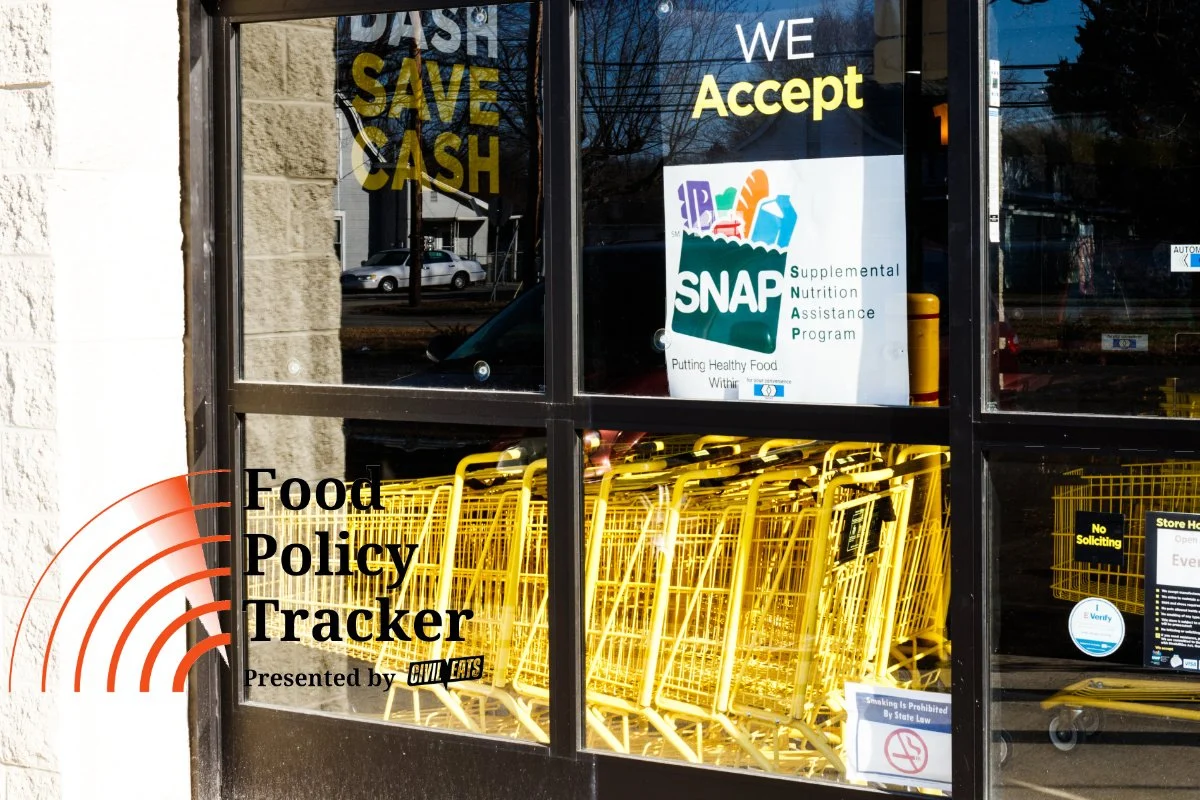
The Trump administration last week finalized a significant immigration rule that food access advocates and immigrant rights organizations contend will have a profound chilling effect on immigrant households seeking essential federal benefits. Published on Monday, July 20, 2026, in the Federal Register, the Department of Homeland Security (DHS) and U.S. Citizenship and Immigration Services (USCIS) formally rescinded a Biden-era directive that had previously narrowed the scope of "public charge" evaluations for green card applicants. This latest regulatory change reintroduces a more expansive interpretation of the public charge doctrine, mirroring a policy first implemented during the initial Trump administration.
The Resurgence of Broad Public Charge Scrutiny
Under the newly finalized Trump rule, immigration officers are once again empowered to consider an applicant’s receipt of a wider array of federal benefits when determining their admissibility for a green card. Specifically, this includes benefits from the Supplemental Nutrition Assistance Program (SNAP), commonly known as food stamps, along with housing vouchers, and Medicaid. This marks a significant departure from the Biden administration’s approach, which had restricted public charge considerations primarily to cash assistance programs such as Temporary Assistance for Needy Families (TANF) or Supplemental Security Income (SSI) from Social Security. The re-expansion of this policy means that receiving crucial support for food, housing, or healthcare could now negatively impact an individual’s chances of obtaining lawful permanent residency in the United States.
The rule is set to take effect on September 18, 2026, and will apply to all future applications for adjustment of status or visas. Its implementation marks a pivotal shift in U.S. immigration policy, drawing immediate criticism from a broad coalition of advocacy groups concerned about the potential for increased hardship among vulnerable populations.
A History of the Public Charge Doctrine: From Self-Sufficiency to Stigmatization
The concept of "public charge" has a long and complex history in U.S. immigration law, dating back to the late 19th century. Initially codified in the Immigration Act of 1882, the doctrine was designed to prevent individuals deemed likely to become a financial burden on the state from entering or remaining in the country. The underlying principle has always been one of self-sufficiency, ensuring that immigrants are able to support themselves and their families without relying excessively on public funds.

For decades, the interpretation of "public charge" was relatively narrow, primarily focusing on individuals who were institutionalized for long-term care at public expense or who relied on direct cash assistance for their primary means of support. The criteria largely considered an individual a public charge if they were "primarily dependent" on the government for subsistence. This traditional interpretation generally excluded non-cash benefits like SNAP, Medicaid, or housing assistance, recognizing them as essential supports rather than indicators of long-term dependency.
The Trump Administration’s Initial Expansion (2020) and Subsequent Reversal
The first major reinterpretation of the public charge rule occurred in 2019 under the initial Trump administration, with a final rule taking effect in February 2020. This earlier iteration dramatically expanded the list of benefits considered, to include not only SNAP, Medicaid, and housing assistance but also other forms of non-cash aid. The stated goal was to encourage self-sufficiency and protect taxpayer resources. However, this rule was met with widespread condemnation from immigrant rights groups, public health advocates, and food security organizations, who argued that it created fear and confusion, discouraging eligible immigrants and their families (including U.S. citizens) from accessing vital assistance.
The 2020 rule faced numerous legal challenges and injunctions from federal courts across the country. While some injunctions were lifted, allowing the rule to be enforced in various jurisdictions, its implementation was inconsistent and fraught with legal uncertainty. The policy’s critics highlighted the potential for severe public health consequences, increased food insecurity, and detrimental impacts on children’s development, particularly within mixed-status families where some members might be U.S. citizens while others are applying for green cards.
Upon taking office, the Biden administration moved swiftly to reverse the 2020 public charge rule. In March 2021, DHS announced that it would no longer defend the 2019 rule in court and subsequently issued a new regulation in September 2022. This Biden-era rule largely restored the historical interpretation of public charge, limiting considerations to direct cash assistance for income maintenance and long-term institutionalization at government expense. The stated rationale for the reversal was to reduce barriers to accessing critical health and food assistance, promoting public health, and ensuring clarity and fairness in the immigration system. This period offered a brief reprieve for immigrant families, allowing them to access benefits without fear of jeopardizing their immigration status.
The Latest Reversal: Details of the 2026 Trump Rule
The new rule, finalized on July 20, 2026, explicitly rolls back the Biden administration’s more lenient stance, resurrecting the broader framework. Under this latest policy, immigration officers assessing green card applications will consider an applicant’s past or current receipt of a range of federal, state, or local public benefits. Crucially, this includes:

- Supplemental Nutrition Assistance Program (SNAP) benefits.
- Most forms of Medicaid (with some exceptions for emergency medical care, school-based services, and services for individuals under 21 or pregnant women).
- Section 8 housing assistance (housing vouchers and project-based rental assistance).
- Public housing.
- Temporary Assistance for Needy Families (TANF).
- Supplemental Security Income (SSI).
The rule specifies that the determination will be based on a "totality of the circumstances," taking into account factors such as age, health, family status, assets, resources, financial status, education, and skills. However, the inclusion of non-cash benefits like SNAP and Medicaid fundamentally alters the risk assessment for many families.
It is important to note that undocumented immigrants are already ineligible for most federal benefits, including SNAP. Even after receiving a green card, individuals typically face a five-year waiting period before becoming eligible for SNAP benefits. The primary concern with the public charge rule is not about undocumented individuals directly accessing benefits, but rather its indirect impact on eligible legal residents and U.S. citizens living in mixed-status households.
Anticipated "Chilling Effect" and Disenrollment Estimates
The DHS’s own estimates highlight the severe anticipated impact of the new rule. In the November 2025 proposed rule, the agency projected that approximately 588,000 applicants per year would be subject to the public charge review. More alarmingly, the agency estimated that about 950,000 individuals would disenroll from federal benefits as a direct consequence of the new rule. This significant disparity between those directly reviewed and those projected to disenroll underscores the concept of the "chilling effect."
A chilling effect occurs when individuals, fearing negative immigration consequences for themselves or their family members, voluntarily withdraw from or avoid applying for public benefits for which they are otherwise legally eligible. This phenomenon was widely observed during the implementation of the 2020 public charge rule. A 2023 study by the Urban Institute, for example, found that one in six adults in immigrant families with children avoided applying for federal benefits in 2022 because of green-card concerns, even after the Biden administration had begun to reverse the prior policy. The study further revealed that many of these immigrant families subsequently reported experiencing significant hardships, including food insecurity and inability to access necessary healthcare, directly demonstrating the lingering need for assistance despite their avoidance of programs.
Statements and Reactions from Advocacy Groups
The re-finalization of this rule has drawn strong condemnation from food security and immigrant rights advocates. Crystal FitzSimons, president of the Food Research and Action Center (FRAC), articulated these concerns in a statement, saying, "We have seen this chilling effect before, and we know it leads to more food insecurity, which negatively impacts educational outcomes for children and increases economic hardship for families and local communities." Her statement encapsulates the widespread fear that this policy will exacerbate existing vulnerabilities among immigrant communities.

Other organizations, such as the National Immigration Law Center (NILC) and the Center on Budget and Policy Priorities (CBPP), are expected to voice similar concerns, emphasizing the potential for increased poverty, worsened health outcomes, and a broader erosion of trust between immigrant communities and public service providers. These groups often highlight that discouraging eligible individuals from accessing benefits undermines public health efforts, burdens emergency services, and can lead to long-term societal costs far outweighing any perceived savings from reduced benefit utilization. They argue that the policy effectively penalizes families for seeking essential support, creating a dilemma between securing basic needs and pursuing legal immigration status.
Broader Implications: Food Insecurity, Health, and Economic Hardship
The implications of this rule extend far beyond individual immigration applications. The anticipated disenrollment from SNAP, Medicaid, and housing assistance programs will have cascading effects on public health, food security, and local economies.
- Food Insecurity: The withdrawal from SNAP will inevitably lead to increased food insecurity, particularly for children in mixed-status households. Studies consistently show that food insecurity in childhood is linked to a range of negative outcomes, including poorer academic performance, higher rates of chronic health conditions like anemia and asthma, and increased behavioral problems. When children lack consistent access to nutritious food, their cognitive development and overall well-being suffer, creating long-term societal costs.
- Health Outcomes: Avoiding Medicaid can lead to deferred medical care, untreated chronic conditions, and a greater reliance on emergency rooms for basic healthcare needs, which is far more expensive and less effective. This can result in poorer health outcomes for individuals and place additional strain on public health systems. Pregnant women and young children are particularly vulnerable to the health consequences of not accessing regular medical care.
- Economic Hardship: Families forced to forgo benefits will face greater economic hardship. Without SNAP, families must spend more of their limited income on food, diverting funds from other necessities like rent, utilities, or transportation. The loss of housing assistance can increase the risk of homelessness and housing instability. This intensified financial pressure can affect families’ ability to contribute to the local economy and can lead to increased demand for local charitable services.
- Community Impact: The chilling effect can also erode trust within immigrant communities, making individuals less likely to interact with government agencies, even for non-immigration-related services. This can hinder public health initiatives, disaster relief efforts, and other community support programs.
Context of Broader Federal Benefit Trends
The reintroduction of this expansive public charge rule also occurs within a broader context of declining federal benefit access. As noted in the original reporting, more than 4 million fewer people are currently on SNAP since the passage of the Republicans’ "One Big Beautiful Bill," which refers to significant legislative changes impacting social programs. This decline is attributed to a combination of direct policy changes, increased administrative burdens, and a similar chilling effect on immigrant families observed even before the latest public charge rule. The cumulative impact of these various policies creates a landscape where access to vital safety net programs is increasingly restricted, particularly for vulnerable populations.
Conclusion: A Policy with Far-Reaching Consequences
The Trump administration’s finalized public charge rule represents a significant policy reversal with potentially far-reaching and detrimental consequences. By expanding the definition of public charge to include essential non-cash benefits like SNAP, Medicaid, and housing assistance, the rule is expected to deter hundreds of thousands of eligible individuals, particularly those in mixed-status immigrant families, from accessing critical support. As the rule prepares to take effect on September 18, 2026, advocacy groups anticipate renewed challenges and increased hardship for communities already grappling with food insecurity, health disparities, and economic instability. The debate over this policy highlights fundamental disagreements about the role of public assistance, the definition of self-sufficiency, and the integration of immigrant communities into American society. Its implementation will undoubtedly be closely monitored for its real-world impact on the well-being of millions across the nation.