admin
admin
Not all Prosecco is created equal. While often perceived as a singular, uniform category of inexpensive, easy-drinking fizz, the reality is a rich tapestry of styles, terroirs, and complexities that challenge this simplistic view. From light, fruit-forward expressions designed for casual enjoyment to sophisticated, terroir-driven wines offering profound individuality and a distinct sense of place, the Prosecco landscape is far more diverse than many consumers realize. This inherent variety, while a testament to the region’s dynamic winemaking, also presents a significant challenge for consumers seeking to navigate the various DOCs (Denominazione di Origine Controllata), DOCGs (Denominazione di Origine Controllata e Garantita), specific sub-zones like Rive and Cartizze, and a spectrum of sweetness levels and production styles. Understanding these distinctions is key to unlocking the full potential and enjoyment of Italy’s most popular sparkling wine.

The Evolution of a Global Phenomenon: A Brief History of Prosecco
Prosecco’s journey from a regional Italian specialty to a global sparkling wine powerhouse is a compelling story of tradition, innovation, and strategic appellation management. The wine, primarily made from the Glera grape (known simply as ‘Prosecco’ until 2009), traces its roots back to the Roman era in the Veneto and Friuli Venezia Giulia regions of northeastern Italy. For centuries, it was a still or lightly sparkling wine, consumed locally. The late 19th and early 20th centuries saw the gradual adoption of the Charmat-Martinotti method (tank method) for secondary fermentation, which allows for efficient production of sparkling wine, preserving the fresh, aromatic qualities of the Glera grape. This method, less costly and time-consuming than the traditional method used for Champagne, proved instrumental in making Prosecco widely accessible.

The real boom for Prosecco began in the late 20th and early 21st centuries. Its approachable price point, vibrant fruit character, and versatile nature made it an instant hit, particularly as an alternative to Champagne and Cava. However, this rapid expansion also brought challenges, including the potential for dilution of quality and origin claims. Recognizing the need to protect its heritage and elevate its premium offerings, Italy’s wine authorities undertook a significant restructuring of the appellation system.
A Landmark Shift: The Appellation System of 2009
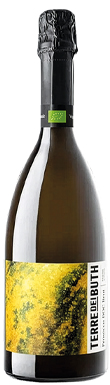
The year 2009 marked a pivotal moment for Prosecco. To safeguard its identity and delineate quality tiers, the Italian government officially established the Prosecco DOC (Denominazione di Origine Controllata) and two Prosecco Superiore DOCGs (Denominazione di Origine Controllata e Garantita): Conegliano Valdobbiadene Prosecco Superiore DOCG and Asolo Prosecco Superiore DOCG. This legislative act was crucial for several reasons. Firstly, it restricted the use of the name "Prosecco" to wines produced from Glera grapes grown exclusively within the designated areas of Veneto and Friuli Venezia Giulia. Secondly, it elevated the historic heartland of Prosecco production to the prestigious DOCG status, signaling a commitment to higher quality standards, stricter production rules, and a clearer connection to specific terroirs.
The move also saw the grape formerly known as ‘Prosecco’ officially renamed ‘Glera’ to prevent non-Italian producers from using the geographical name for wines made outside the designated region. This strategic decision solidified Prosecco’s unique Italian identity and protected its market position globally.
Decoding the Labels: DOC vs. DOCG and Beyond
For consumers, understanding the distinctions between DOC and DOCG is paramount to making informed choices:
- Prosecco DOC: This is the broadest appellation, covering nine provinces across the Veneto and Friuli Venezia Giulia regions. Wines from the Prosecco DOC represent the vast majority of Prosecco produced, known for their lively, easy-drinking character. They typically exhibit fresh aromas and flavors of green apple, pear, white peach, and sometimes floral notes, with a generally softer acidity. Production volumes are substantial, making these wines widely available and often excellent value for everyday enjoyment or as a base for cocktails like the Aperol Spritz. Examples within this category might include a classic Brut or Extra Dry from the Treviso area, often highlighting consistent fruit purity and approachable effervescence.
- Prosecco Superiore DOCG (Conegliano Valdobbiadene): Located in the hilly terrain between the towns of Conegliano and Valdobbiadene in Veneto, this is the historic heartland of Prosecco. The steep, often terraced vineyards here are painstakingly cultivated, with most harvesting done by hand due to the challenging topography. Wines from this DOCG are generally considered to be of higher quality and offer greater complexity, minerality, and a more pronounced sense of terroir. They are known for their finer perlage, longer finish, and more nuanced aromatic profiles that can include notes of citrus, white flowers, and often a distinctive almond or mineral undertone.
- Rive: Within Conegliano Valdobbiadene, "Rive" designates wines from 43 specific micro-zones, each representing a single vineyard or a particularly steep slope. These wines emphasize the unique characteristics of their specific origin, with stricter regulations on yields and hand-harvesting. Rive wines are often produced in limited quantities and aim to express the ultimate terroir of the region.
- Cartizze: The pinnacle of Conegliano Valdobbiadene Prosecco Superiore is Cartizze, a small, highly prized sub-zone of just 107 hectares. Often referred to as the "Grand Cru" of Prosecco, Cartizze benefits from a unique microclimate and ancient morainic soils, producing wines of exceptional richness, aromatic intensity, and complexity, typically in a Dry or Extra Dry style.
- Asolo Prosecco Superiore DOCG: A smaller, distinct DOCG located west of Conegliano Valdobbiadene, around the town of Asolo. This region is gaining recognition for its high-quality Prosecco, often characterized by a drier profile and a notable minerality, reflecting its specific geological formations. Asolo DOCG wines tend to have a crispness and elegance that appeals to those seeking a more austere sparkling experience.
Stylistic Diversity: Sweetness Levels and Traditional Methods
Beyond geographical distinctions, Prosecco offers a range of styles determined by residual sugar levels and production methods:
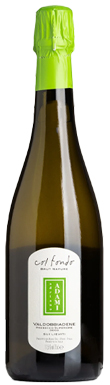
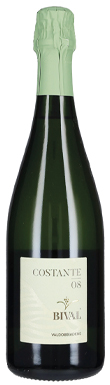
- Brut Nature (0-3 g/L residual sugar): The driest style, with virtually no perceptible sweetness. These wines highlight the purity of the Glera fruit and the minerality of the terroir. An example like Bival’s Costante 08 Brut Nature from Conegliano-Valdobbiadene Superiore showcases this austere elegance.
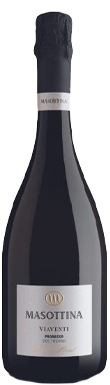
- Extra Brut (0-6 g/L): Very dry, offering a crisp, refreshing profile. Masottina’s ViaVenti Extra Brut from Treviso is an excellent illustration of this style, catering to drier palates.
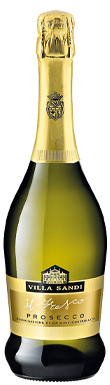
- Brut (0-12 g/L): The most common dry style, offering a balance of freshness and subtle fruit sweetness. This versatile style is popular as an aperitif and with food. Villa Sandi’s Il Fresco Brut from Treviso embodies this classic expression.
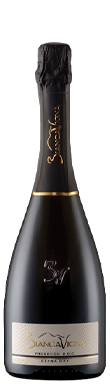
- Extra Dry (12-17 g/L): Despite its name, Extra Dry is slightly sweeter than Brut, making it widely popular. It presents a softer fruitiness and is often favored by those new to sparkling wines. Biancavigna’s Extra Dry from Friuli Venezia Giulia offers a good example of this approachable sweetness.
- Dry (17-32 g/L): Noticeably sweet, often showcasing ripe fruit flavors.
- Demi-Sec (32-50 g/L): The sweetest style, typically reserved for dessert pairings.
‘Col Fondo’ (Sui Lieviti): A Nod to Tradition
A lesser-known but increasingly appreciated style is "Col Fondo" (meaning "with the sediment" or "on the lees"), also known as "Sui Lieviti." This represents Prosecco made using the ancestral method (or refermentation in bottle), where the secondary fermentation finishes in the bottle, leaving the yeast sediment (lees) undisturbed. Unlike modern Prosecco, which is filtered and disgorged, Col Fondo wines are cloudy, often drier, and offer a distinct profile of yeasty, bready notes alongside the characteristic fruit, sometimes with a slight savory edge. Adami’s Col Fondo Brut Nature from Conegliano-Valdobbiadene Superiore is a benchmark for this traditional, complex, and thought-provoking style, demonstrating the historical roots of Prosecco winemaking.
The Rise of Prosecco Rosé DOC
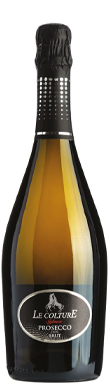
In 2020, the Prosecco category expanded further with the official approval of Prosecco Rosé DOC. This new designation allows for the production of sparkling rosé wines using a blend of Glera (minimum 85%) and Pinot Noir (10-15%), which must be vinified as a still red wine. The Pinot Noir imparts a delicate pink hue and contributes notes of red berries, adding another layer of complexity and consumer appeal to the Prosecco portfolio. Producers like Torresella and Bortolomiol are already crafting compelling Prosecco Rosé Brut expressions, offering a refreshing take on the classic.
Market Dynamics and Economic Impact
Prosecco’s ascent has had a profound economic impact on its producing regions. Global sales figures underscore its immense popularity: in 2022, overall Prosecco production exceeded 600 million bottles, with exports accounting for a significant portion. Key markets include the UK, the United States, and Germany, where Prosecco has become a staple for celebrations and everyday enjoyment.
The Consorzio Tutela Prosecco DOC and the Consorzi for the DOCG regions (Conegliano Valdobbiadene and Asolo) play vital roles in regulating production, promoting the brand, and ensuring quality standards. These consortiums have been instrumental in educating consumers and combating counterfeits, thereby protecting the integrity and value of the Prosecco name. The premiumization trend is evident, with DOCG Prosecco Superiore commanding higher prices and gaining recognition among connoisseurs, demonstrating that consumers are willing to invest in wines that offer a more distinguished experience.
Statements from the Industry and Expert Commentary (Inferred)
Industry experts consistently emphasize the importance of label literacy. "The Prosecco category offers incredible diversity, but consumers need guidance to unlock its full potential," notes a leading wine educator. "Looking for ‘Superiore DOCG’ on the label, or understanding the sweetness levels, can transform a casual drink into a memorable wine experience."
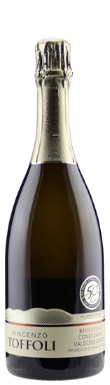
Winemakers in the DOCG regions often highlight their dedication to terroir. Paolo Biasiotto, a third-generation winemaker from Bival, whose family vineyards are in the Valdobbiadene hills, represents this commitment, stating, "Our focus is on expressing the unique character of our land. The steep slopes demand painstaking work, but they yield grapes of exceptional quality that truly speak of their origin." Similarly, representatives from the Consorzio Conegliano Valdobbiadene Prosecco Superiore DOCG frequently reiterate their mission to promote the unique heritage and artisanal quality of their wines, contrasting them with the higher-volume DOC production.
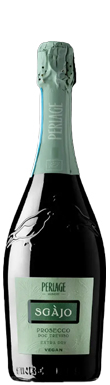
Wine critics also observe the increasing sophistication. "We’re seeing a clear trend towards drier styles and a greater emphasis on terroir expression, especially within the DOCG categories," comments a renowned wine journalist. "The introduction of Prosecco Rosé has also broadened its appeal, offering a vibrant option for those seeking something new yet familiar." The growth of organic and vegan options, such as Perlage’s Sgàjo Extra Dry, also reflects evolving consumer preferences and producer responses to sustainable practices.
Implications for Consumers and Producers
For consumers, the enriched Prosecco landscape means a greater spectrum of choices than ever before. No longer limited to a single style, drinkers can now select a Prosecco perfectly suited for any occasion: a crisp Brut Nature for oysters, a vibrant Extra Dry for an aperitif, a complex Col Fondo for adventurous palates, or a fruity Rosé for a summer picnic. However, this choice demands a more discerning eye and a willingness to explore labels beyond just the word "Prosecco." Understanding DOC vs. DOCG, sweetness levels, and specific sub-zones like Rive or Cartizze empowers consumers to make truly informed decisions and discover wines that offer exceptional value and pleasure at every price point.
For producers, the evolving categorization presents both opportunities and challenges. The ability to differentiate their products through specific appellations and styles allows premium producers to command higher prices and gain recognition for quality. This fosters innovation and encourages sustainable viticultural practices, particularly in the more challenging DOCG terrains. However, it also necessitates ongoing efforts in consumer education and brand differentiation to avoid being overshadowed by the sheer volume of entry-level Prosecco DOC. The industry continues to balance its global appeal as an accessible sparkling wine with its commitment to showcasing the nuanced, terroir-driven expressions that represent the pinnacle of Italian sparkling winemaking. The journey of Prosecco is far from over, and its continued evolution promises an exciting future for this beloved Italian fizz.