admin
admin
The Brdo Congress Centre in Slovenia recently hosted the 12th annual Salon of Decanter World Wine Awards (DWWA) medal winners, a pivotal one-day event that showcased the burgeoning excellence of wines from Slovenia, Serbia, Croatia, Montenegro, Bosnia and Herzegovina, Italy, and France. Bringing together over 45 esteemed producers, the Salon served as a vibrant platform for trade professionals and enthusiastic consumers to explore a diverse array of award-winning wines from the prestigious DWWA 2026 competition, highlighting both distinctive international varietals and the remarkable resurgence of indigenous grapes.
A Convergence of Excellence and Regional Pride
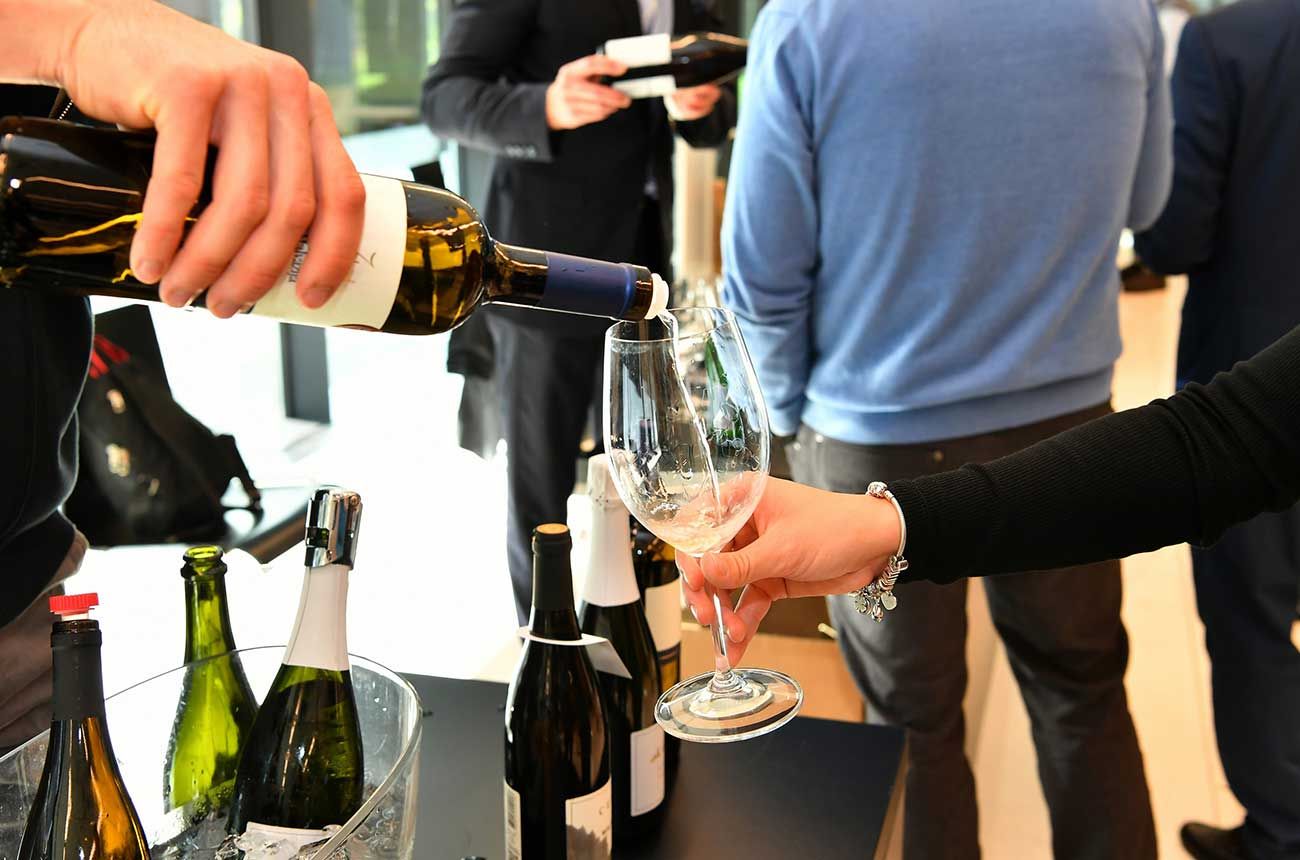
The Salon, now a well-established fixture in the Central and Eastern European wine calendar, underscored the growing global recognition for wines from this dynamic region. Held last week, the event saw an impressive turnout, with an estimated 800 attendees, including sommeliers, restaurateurs, importers, distributors, journalists, and passionate wine lovers. Its primary objective is to bridge the gap between regional producers, who often operate on a smaller scale, and the broader international market, providing them with unparalleled visibility and networking opportunities following their success at the DWWA.
The Decanter World Wine Awards, recognized as the world’s largest and most influential wine competition, sets a benchmark for quality and distinction. Its rigorous judging process, involving hundreds of expert palates from around the globe, bestows credibility and market advantage upon its medal winners. The Salon in Slovenia acts as a critical extension of this accolade, translating global recognition into tangible market presence and consumer engagement within a key geographical hub.
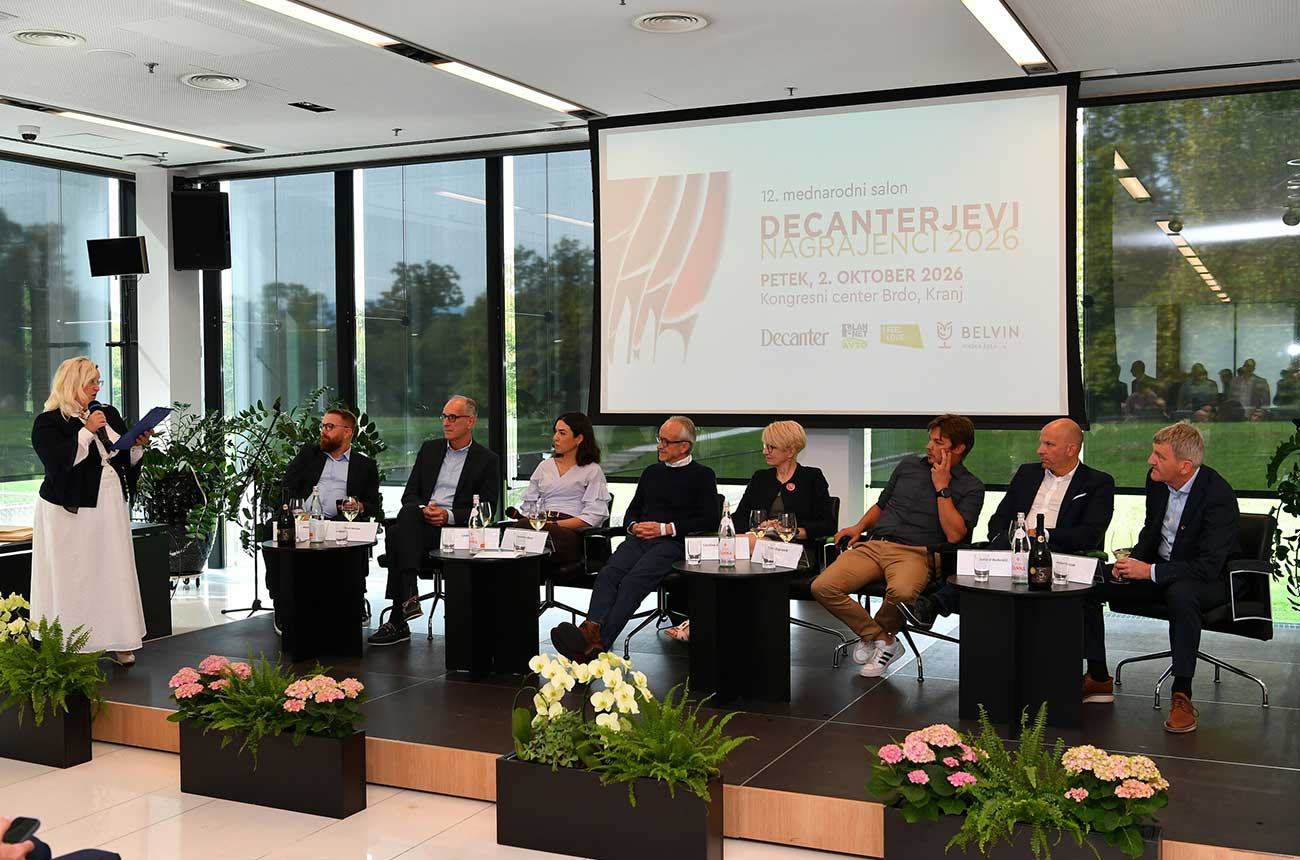
The day’s program commenced with an exclusive press conference, bringing together key figures from Decanter, DWWA judges, Salon organizers, and a selection of award-winning winemakers. Loukia Xinari, Decanter’s Marketing Manager, opened the conference, emphasizing the Salon’s role in amplifying the success of regional producers. She highlighted the increasing quality and innovation observed in wines from Central and Eastern Europe, attributing much of this growth to a renewed focus on unique terroir expression and traditional winemaking practices.
Expert Perspectives on a Rapidly Evolving Landscape
Among the guests of honour were DWWA Co-Chair Andrew Jefford and Dr. Caroline Gilby MW, the esteemed Regional Chair for the Balkans, Central & Eastern Europe, and Croatia & Slovenia. Their presence underscored the international significance of the event and the region’s rising profile in the global wine arena.
Andrew Jefford, a venerated voice in the wine world, articulated his profound appreciation for the DWWA competition, calling it "a super pillar in my working life." He further elaborated on the unique satisfaction derived from judging wines from these regions: "I look forward to judging each year because I get to taste wines from regions which are moving really fast in the wine world. There’s an incredible energy and dynamism here, driven by both tradition and innovation, which is truly exciting to witness and taste." His remarks resonated with the audience, affirming the perception of Central and Eastern Europe as a hotbed of viticultural progress.
Dr. Caroline Gilby MW, whose extensive expertise in the region is unparalleled, provided deeper insights into the quality exhibited at this year’s judging. "The standard in this year’s judging was especially encouraging," she noted. Gilby further elaborated on specific trends: "Some of the things that have been particularly exciting and are reflected in this year’s DWWA results are the sheer quality of winemaking, and seeing indigenous grapes from the region reaching global levels. Producers are not just replicating international styles; they are confidently showcasing their unique heritage and terroir, crafting wines that are distinctive, complex, and utterly captivating." Her comments pointed to a maturing wine industry that is increasingly confident in its unique identity and capabilities.
Slovenia’s Stellar Performance at DWWA 2026
Slovenia, the host nation, had exceptional reasons to celebrate its performance at the DWWA 2026. The country garnered an impressive total of 202 medals, a testament to its consistent pursuit of excellence in winemaking. This haul included two coveted Platinum medals, placing Slovenia firmly among the top-tier wine-producing nations in the competition.
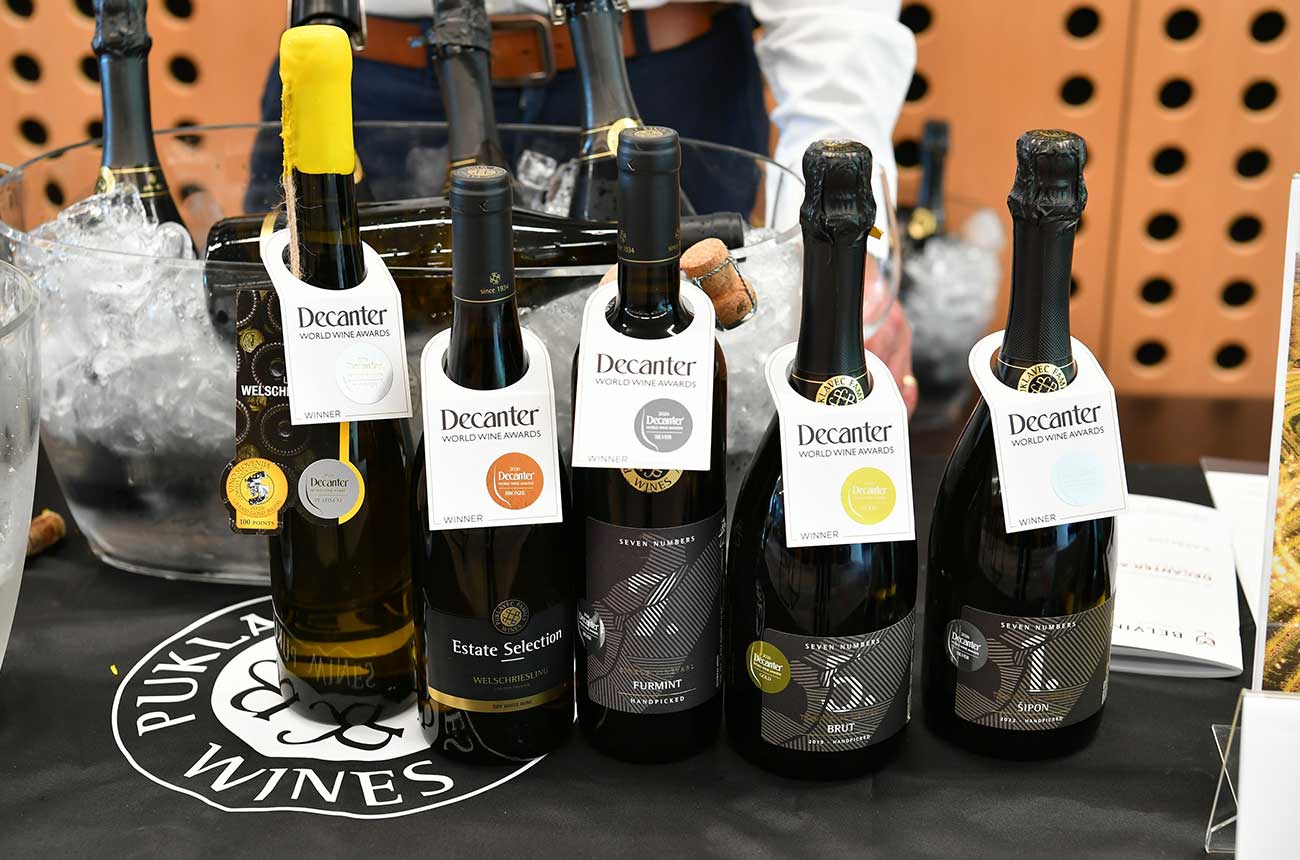
One of the standout Platinum medal recipients was the Puklavec Family Wines Welschriesling from the venerable 1993 vintage. This particular award served as a potent reminder of Slovenia’s capacity to produce sweet wines of extraordinary longevity and complexity. The 1993 Welschriesling, with its deep golden hue, intricate layers of dried apricot, honey, and noble botrytis notes, captivated judges, demonstrating that Slovenian sweet wines can age gracefully for decades, evolving into magnificent expressions of time and terroir. This achievement not only highlights the Puklavec Family Wines’ mastery but also positions Slovenia as a serious contender in the world of fine aged dessert wines.
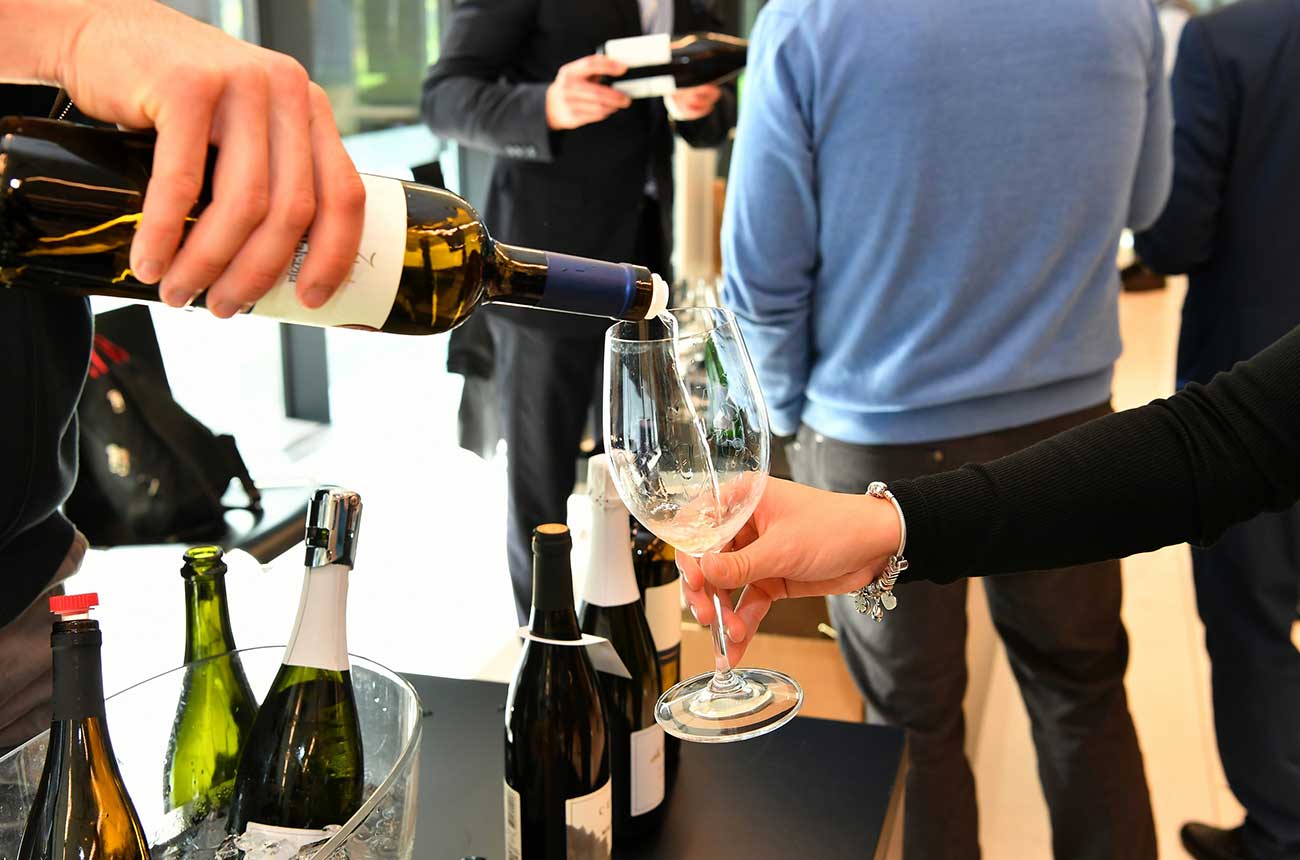
The Salon provided a rare opportunity for guests to sample a selection of Slovenia’s top-performing wines, including the Platinum and Gold medal winners from DWWA 2026. This allowed both trade professionals and consumers to directly experience the quality and diversity that garnered such high praise from Decanter’s international panel of judges. The presence of these highly-rated wines offered a tangible demonstration of Dr. Gilby’s observations regarding the region’s soaring quality. Beyond the top accolades, numerous Silver and Bronze medal winners were also available for tasting, collectively painting a comprehensive picture of Slovenia’s viticultural landscape, from crisp, aromatic whites to robust, characterful reds, and its increasingly recognized orange wines.
The Broader Balkan Success Story
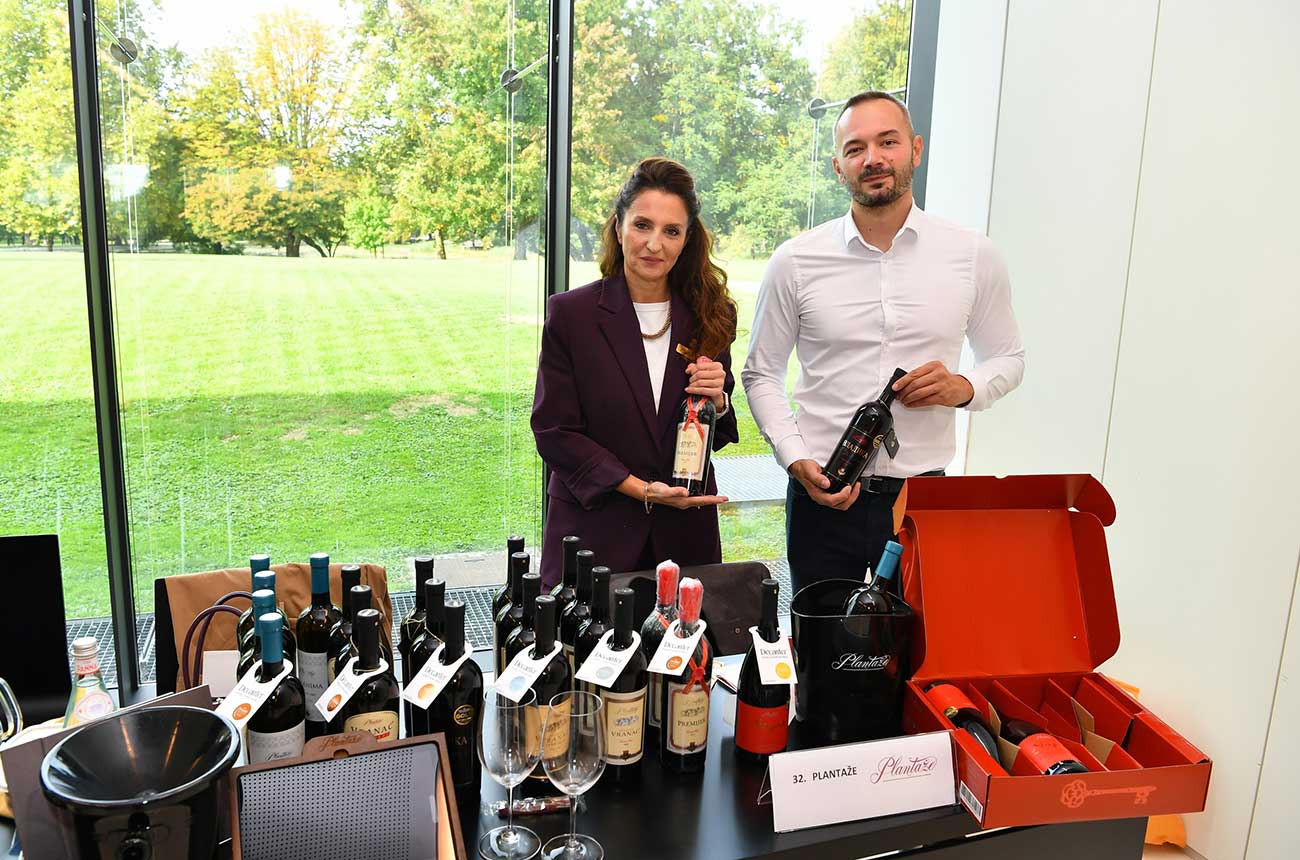
The success story extended well beyond Slovenia, encompassing the wider Balkan region, which also enjoyed an exceptionally strong year at the DWWA 2026. This collective achievement underscores a broader trend of revitalization and quality enhancement across Central and Eastern European wine-producing countries.
Croatia, a country rapidly gaining international acclaim for its diverse wines, secured 40 top-tier medals. This included a historic first "Best in Show" award for a Plavac Mali, its flagship red grape. The "Best in Show" award is the highest honour at the DWWA, reserved for the top 50 wines out of tens of thousands tasted, making this a monumental achievement for Croatian winemaking. The Plavac Mali, known for its powerful structure, rich dark fruit, and savory notes, from a particular producer (which can be inferred as a leading one from the region), impressed judges with its complexity and varietal purity, signaling Croatia’s arrival on the world stage for premium red wines. Other Croatian grapes like Pošip and Malvazija Istarska also contributed to the country’s impressive medal tally, showcasing its versatility across white wine styles.
Serbia continued its impressive trajectory, collecting three Platinum and seven Gold medals. This consistent performance speaks to the dedicated efforts of Serbian winemakers in elevating their craft and rediscovering the potential of their native varieties. Grapes such as Prokupac, Tamjanika, and Smederevka are increasingly being crafted into wines of international appeal, demonstrating a compelling blend of tradition and modern winemaking techniques. The Platinum and Gold medals are particularly significant as they attract attention from international buyers looking for unique, high-quality offerings.
Montenegro and Bosnia and Herzegovina also contributed to the regional triumph, securing a notable number of Gold, Silver, and Bronze medals. While perhaps less widely known than their larger neighbours, these countries are steadily building their reputation for quality, particularly with indigenous grapes that thrive in their specific microclimates. The Salon provided an invaluable platform for these producers to gain exposure and connect with a broader audience, fostering further growth and development within their respective wine industries.
Dr. Caroline Gilby MW reiterated the importance of these native grapes: "I’ve long been a champion of them because they are so connected to place. These indigenous varieties offer a true sense of origin, a unique narrative that international grapes, no matter how well-made, simply cannot replicate. Their success at the DWWA is not just a win for the individual producers, but a victory for biodiversity and cultural heritage in winemaking." Her statement highlighted the strategic advantage these regions possess in a global market increasingly seeking authenticity and distinctiveness.
Impact and Implications for the Regional Wine Industry
The 12th Salon of Decanter medal winners, and the outstanding DWWA 2026 results it celebrated, carries significant implications for the wine industries of Central and Eastern Europe.
Firstly, the event serves as a powerful catalyst for market expansion. DWWA medals provide a globally recognized seal of approval, which is crucial for smaller producers seeking to enter competitive international markets. The Salon directly facilitates this by bringing international trade buyers and media to the region, fostering direct relationships and opening new distribution channels. Anecdotal evidence from previous Salons suggests a significant uplift in export inquiries and sales for participating wineries.
Secondly, it contributes immensely to regional brand building and reputation enhancement. The consistent success at a prestigious competition like DWWA, followed by a high-profile showcase event like the Salon, elevates the collective image of Central and Eastern European wines. It shifts perceptions from being "emerging" or "lesser-known" to being recognized as sources of serious quality and innovation. This collective branding benefits all producers in the region, attracting more tourists and investment.
Thirdly, the focus on indigenous grape varieties is a strategic advantage. In an increasingly globalized wine market, consumers are seeking unique experiences and stories. The success of Plavac Mali, Prokupac, Welschriesling, and others at the DWWA validates the decision of many regional producers to champion their native grapes rather than solely focusing on international varieties. This commitment to local heritage not only preserves viticultural diversity but also creates distinct market niches that are harder for larger, more established wine regions to replicate.
Fourthly, the Salon fosters knowledge exchange and collaboration. The gathering of producers, judges, and experts creates an environment for sharing best practices, discussing challenges, and exploring innovative techniques. This internal collaboration is vital for the continued improvement and modernization of the regional wine sector. For instance, workshops or informal discussions held during the event often touch upon viticultural practices, cellar techniques, and marketing strategies that are particularly relevant to the region’s specific conditions.
Finally, the event has a tangible economic impact. Beyond direct wine sales, it boosts wine tourism, attracting visitors who wish to explore the vineyards and wineries that produce these award-winning wines. It also stimulates local economies through hospitality, transport, and ancillary services. Governments and regional tourism boards are increasingly recognizing the strategic importance of such events in promoting their countries as premium wine destinations.
The Salon began with a formal press conference, featuring Decanter representatives, DWWA judges, Salon organisers, and award-winning winemakers. This segment was crucial for setting the tone, providing context, and highlighting the year’s achievements. Following the press conference, the main tasting hall opened its doors, allowing attendees to engage directly with the winemakers. Each producer had a dedicated stand, offering a curated selection of their DWWA medal-winning wines. This direct interaction allowed for in-depth discussions about viticulture, winemaking philosophy, and the unique characteristics of their terroirs.
Throughout the day, a series of mini-masterclasses or focused tasting sessions were subtly integrated, allowing for deeper dives into specific grape varieties or wine styles that performed exceptionally well. For instance, a session might have focused on the evolution of Plavac Mali or the aging potential of Slovenian sweet wines. These informal educational opportunities enriched the experience for both trade and consumers, deepening their understanding and appreciation. The atmosphere was one of celebration, discovery, and serious professional engagement.
In closing, the 12th Salon of Decanter medal winners in Slovenia reaffirmed the growing stature of Central and Eastern European wines on the global stage. The impressive medal haul at DWWA 2026, coupled with the vibrant and well-attended Salon, signals a bright future for these historically rich yet increasingly innovative wine regions. The dedication of producers, the unique character of indigenous grapes, and the rigorous endorsement of international critics like Decanter are collectively positioning this part of the world as an essential destination for discerning wine lovers and trade professionals alike. The ongoing success story is not just about individual wines, but about the collective rise of an entire viticultural landscape.