admin
admin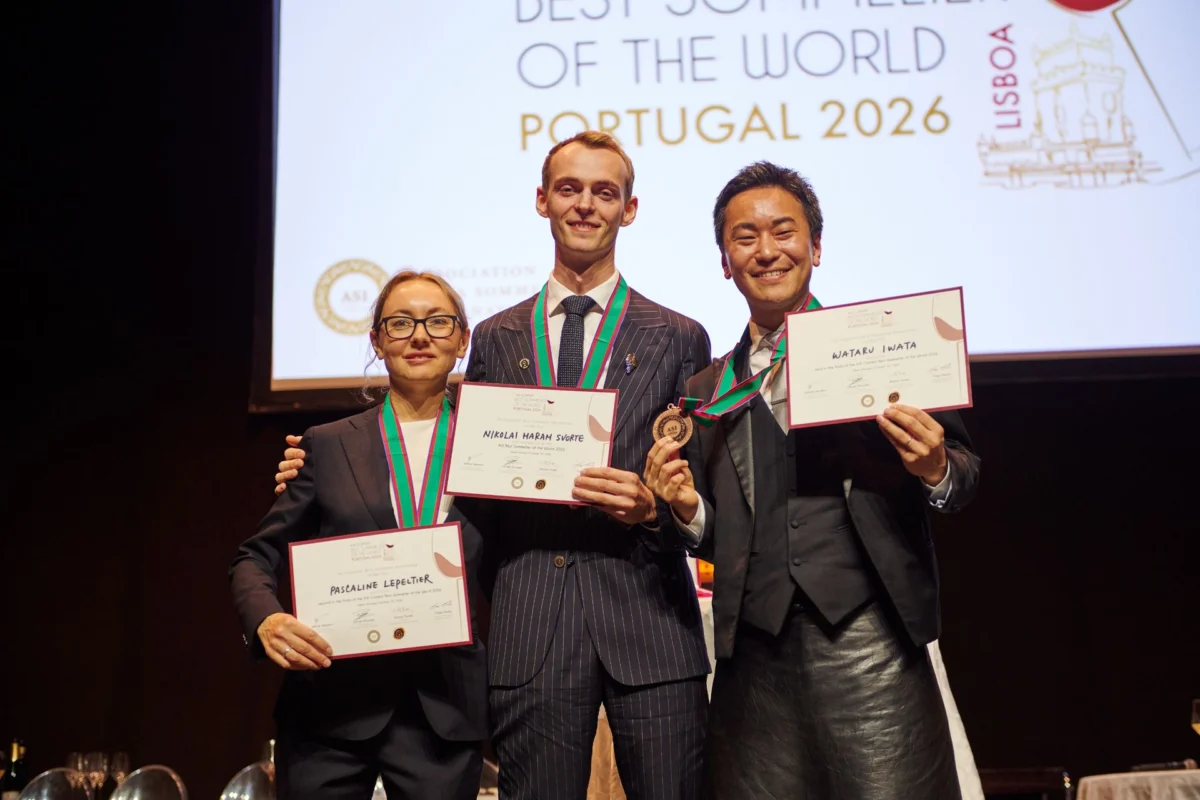
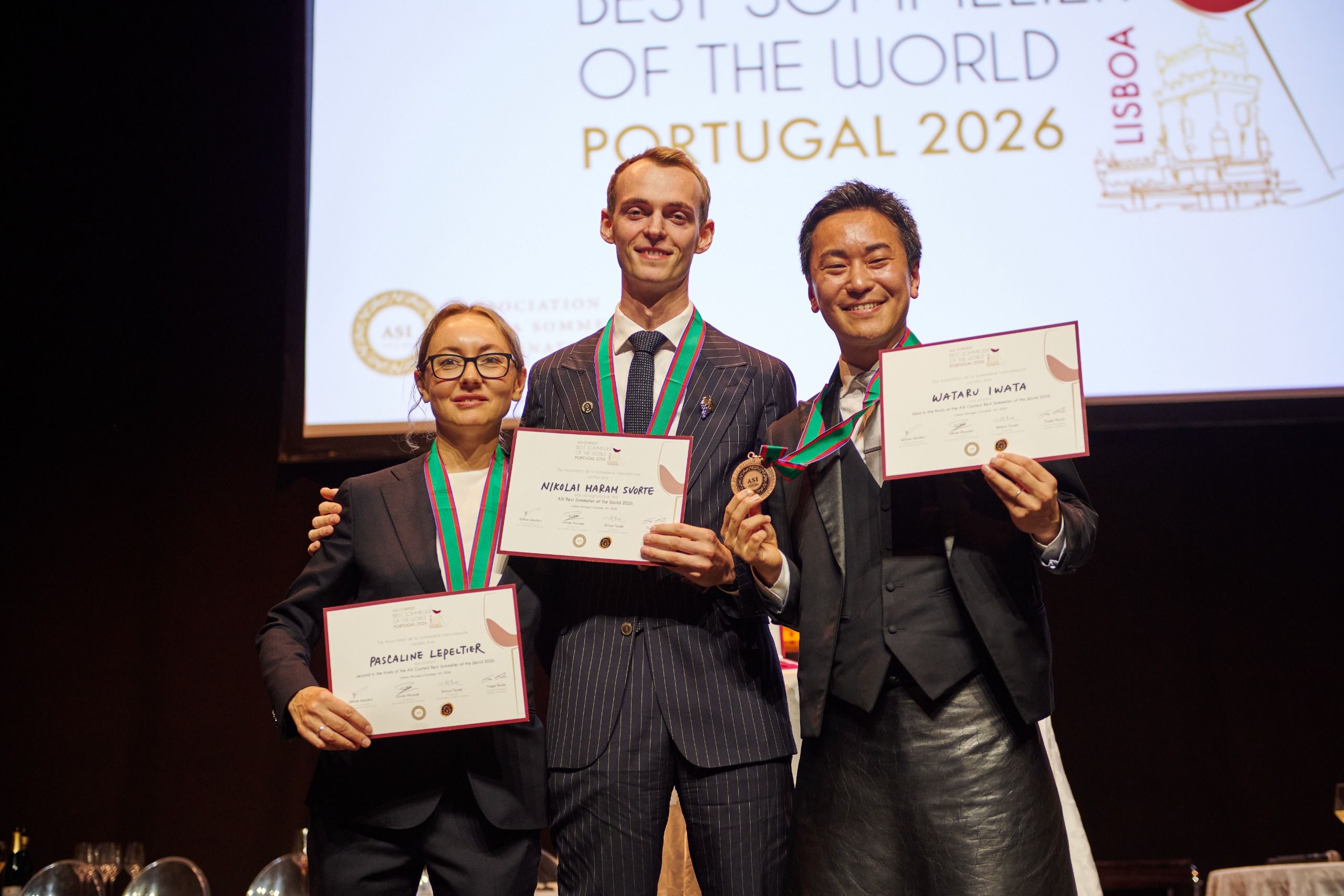
Lisbon, Portugal – Haram Svorte, representing Norway, was officially crowned the Association de la Sommellerie Internationale (ASI) Best Sommelier of the World on October 16, following a captivating final staged before a live audience at the historic Coliseu dos Recreios. The culmination of a rigorous multi-day competition, Svorte’s victory marks a significant moment for the global sommelier community, cementing his status as a leading authority in wine service and knowledge. Pascaline Lepeltier of France secured the second-place position, demonstrating exceptional skill and poise, while Wataru Iwata of Japan earned a commendable third place, further highlighting the diverse and intense international competition.
A Global Gauntlet: The 18th Edition of a Prestigious Competition
The 18th edition of the ASI Best Sommelier of the World competition brought together an elite cohort of 66 sommeliers, each a national champion representing their respective ASI member association. This biennial event is widely regarded as the pinnacle of achievement for wine professionals, testing not only encyclopedic knowledge of wines, spirits, and other beverages but also impeccable service skills, tasting acumen, and the ability to perform under immense pressure. The journey to the final stage in Lisbon was an arduous one, commencing with an initial field of candidates from nations spanning six continents, all vying for the coveted title.
The competition formally began on October 12, with two intensive days of quarter-final rounds. These preliminary stages are designed to whittle down the large field through a series of demanding written examinations, blind tastings, and practical service scenarios. Tasks often include identifying wines by vintage, region, and grape varietal, correcting errors on a wine list, suggesting food pairings, and demonstrating precise decanting techniques. The pressure is immense, requiring candidates to not only recall vast amounts of information but also to execute complex tasks flawlessly and with elegant composure. From the initial 66 contenders, a highly selective group of 20 semi-finalists was announced on October 14, setting the stage for even more intense challenges.
The semi-finalists then faced another battery of tests, pushing their limits further in areas such as fault identification, cocktail creation, and rapid-fire theoretical questions. These rounds demand not just deep knowledge but also adaptability and swift decision-making, simulating the unpredictable nature of high-end restaurant service. It was from this distinguished group that the three finalists – Svorte, Lepeltier, and Iwata – were ultimately revealed on stage on Friday afternoon, just a day before the grand finale. The anticipation leading up to the final was palpable, with wine enthusiasts and industry professionals from around the world eagerly following the progress of their national champions.
The Grand Finale: A Display of Mastery and Poise
The final showdown at the Coliseu dos Recreios was a meticulously choreographed spectacle, designed to test the finalists across a spectrum of advanced sommelier duties in a high-stakes, live environment. Haram Svorte, as the first to take the stage, immediately set a benchmark for the evening. His performance was characterized by remarkable composure and an almost serene focus, navigating complex tasks – from identifying challenging blind tastings to executing intricate service scenarios – with an assured calmness. This unflappable demeanor, even under the intense scrutiny of a live audience and a panel of expert judges, was a recurring theme throughout his performance.
In a brief interview with Decanter immediately after his final performance, but crucially before the results were announced, Svorte openly admitted his surprise at having reached the final stage. "I was nervous, but I was just trying to enjoy it," he shared, reflecting on the immense journey. "I was very happy with the tastings. I think they were very clean and logical, and the menu tasks were good too. I had a great time, and I am very, very proud." His humble assessment belied the extraordinary skill and years of dedication that propelled him to the global stage. This blend of humility and quiet confidence resonated deeply with both the audience and the judges, contributing to his compelling presence.
A Champion Forged in Nordic Excellence
Haram Svorte’s victory in Lisbon is not an isolated triumph but rather the crowning achievement of several years of sustained dominance within the competitive Nordic sommelier circuit. His career trajectory showcases a relentless pursuit of excellence and a deep-seated passion for the craft. He has notably won the Norwegian Sommelier Championship an unprecedented four years running, from 2023 to 2026, a feat that underscores his consistent mastery and competitive edge within his home country. Furthermore, his triumph at the Nordic title in 2025 solidified his position as the leading sommelier in the wider Scandinavian region, demonstrating a broader regional influence and consistent high performance.
Svorte embarked on his sommelier journey in 2018, rapidly ascending through the ranks of Norway’s fine dining scene. His notable tenure as the head sommelier at Speilsalen, the acclaimed restaurant within Trondheim’s prestigious Britannia Hotel, provided him with invaluable experience in high-pressure, luxury service environments. In this role, he was responsible for curating an extensive wine list, managing cellar operations, and guiding guests through sophisticated culinary and wine pairings. This practical, hands-on experience, combined with his academic rigor, proved to be an unbeatable combination. Currently, Svorte channels his expertise into a new role as product and sales manager at Remuage by Moestue, a prominent Norwegian Champagne importer, allowing him to explore the commercial and strategic aspects of the wine industry while remaining deeply connected to its core.
Svorte’s win represents a significant milestone for Norway, a nation whose burgeoning wine culture has been steadily gaining international recognition. His success is expected to inspire a new generation of Norwegian sommeliers and further elevate the country’s profile within the global fine wine community.
The Prowess of the Runners-Up and Legacy of Champions
The competitive landscape of the ASI Best Sommelier of the World competition is exceptionally challenging, and the caliber of the runners-up, Pascaline Lepeltier and Wataru Iwata, speaks volumes about the intensity of the event. Haram Svorte succeeds Latvia’s Raimonds Tomsons, who earned the prestigious title in Paris in 2023. Interestingly, both Lepeltier and Iwata were also strong contenders in the 2023 competition, where Lepeltier finished fourth and Iwata fifth, demonstrating their consistent dedication and upward trajectory in the world of competitive sommellerie. Their repeated presence in the top ranks highlights their unwavering commitment to the craft and their position as global leaders in the field.
Pascaline Lepeltier, a celebrated figure in the American wine scene, holds the position of beverage director at Chambers in New York. Her influence extends beyond service; she is a Decanter Rising Star recipient for 2024, an accolade that recognizes emerging talent and significant contributions to the wine world. Furthermore, Lepeltier is the author of "One Thousand Vines," a testament to her profound knowledge and passion for viticulture and enology. Her multifaceted career, encompassing both practical service and intellectual leadership, makes her a formidable presence in the industry.
Wataru Iwata, representing Japan, is equally distinguished. He serves as beverage director at The Thousand Kyoto, a prominent luxury hotel known for its sophisticated culinary offerings. Beyond his operational role, Iwata is a key figure in the Japanese sommelier community, holding the influential position of managing director of the Japan Sommelier Association. This dual role allows him to shape both the practical application of sommellerie in a high-end setting and the professional development of sommeliers across his nation. Both Lepeltier and Iwata represent nations with deeply established and highly respected sommelier traditions, making their achievements particularly notable.
Global Representation and Emerging Talents
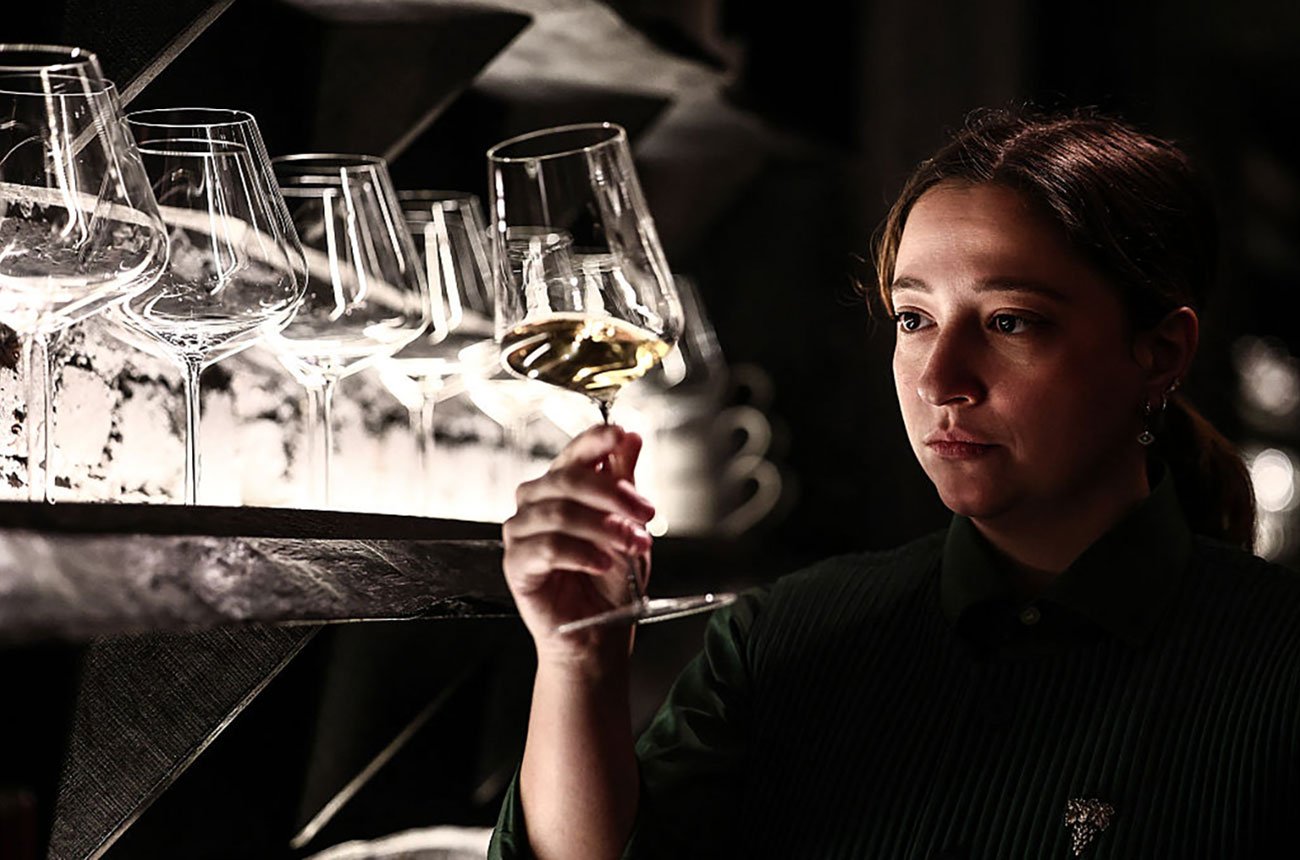
The 18th edition of the competition was also notable for its expanding global footprint, with new nations making their debut on the world stage. India, Kenya, Lebanon, and Moldova were represented for the first time, signaling the growing internationalization of the sommelier profession and the increasing sophistication of wine appreciation in diverse markets. This expansion aligns with the ASI’s mission to promote and develop the sommelier profession worldwide, fostering education and camaraderie across cultural boundaries. The inclusion of these nations reflects a broader trend of emerging wine markets and a growing global interest in fine wines and professional service.
The United Kingdom’s candidate, Maria Boumpa, also delivered a strong performance in her international debut. As the wine director at the two-Michelin-starred Da Terra in London, Boumpa brought considerable expertise to the competition, finishing an impressive eighth overall. Her strong showing in her first international outing underscores the depth of talent within the UK’s sommelier community and bodes well for future competitions. For a debutant to reach the top ten in such a fiercely competitive field is a significant achievement and a testament to her skill and preparation.
Lisbon as Host: A Return to History
The meticulous organization of the competition was a collaborative effort between the Association de la Sommellerie Internationale (ASI) and the Associação dos Escanções de Portugal. This event marked only the second time that Portugal has had the honor of hosting the prestigious contest, with the previous occasion nearly half a century ago in Lisbon in 1978. The return to Lisbon underscores Portugal’s growing prominence in the global wine scene and its rich winemaking heritage.
Hosting such a high-profile international event offers numerous benefits to the host city and country. It provides an invaluable platform to showcase Portuguese wines, which have garnered increasing international acclaim for their diversity, quality, and unique indigenous grape varietals. The event likely attracted significant tourism, with sommeliers, judges, industry professionals, and enthusiasts converging on Lisbon, contributing to the local economy. Moreover, it elevated the profile of the Portuguese sommelier association and inspired local aspiring wine professionals. The Coliseu dos Recreios, a venue steeped in history and culture, provided a grand and fitting backdrop for the climactic final, adding to the gravitas and theatricality of the event.
The Broader Implications for the Wine World
Haram Svorte’s victory carries significant implications for the global wine industry and the sommelier profession. For Svorte himself, this title is transformative, elevating him to an ambassadorial role. He will undoubtedly become a sought-after figure for masterclasses, speaking engagements, and consulting roles, influencing wine education and consumer tastes worldwide. His success also shines a spotlight on Norway and the Nordic region, often overlooked in traditional wine narratives, highlighting their sophisticated palates and burgeoning wine cultures. This can stimulate increased interest in wine tourism to the region and promote the import of quality wines.
More broadly, the ASI Best Sommelier of the World competition serves as a crucial benchmark for professional standards in wine service. It continuously pushes the boundaries of knowledge, skill, and professionalism, inspiring sommeliers globally to strive for excellence. The rigorous nature of the challenges ensures that the title is truly earned, reinforcing the value and importance of the sommelier’s role in the hospitality industry. As the wine world becomes increasingly diverse and complex, the expertise of a world-class sommelier is more critical than ever, guiding consumers through an ever-expanding universe of choices. The inclusion of new countries like India, Kenya, Lebanon, and Moldova also signifies a positive trend towards greater global participation and the democratization of wine knowledge, fostering a truly international community of wine professionals. The competition not only celebrates individual achievement but also strengthens the collective identity and mission of the Association de la Sommellerie Internationale, ensuring the continued evolution and prestige of the sommelier profession worldwide.