admin
admin
In the verdant landscapes of Stellenbosch, South Africa, a pivotal moment in viticultural history unfolded in 1925. Professor Abraham Perold, a brilliant chemist who had transitioned his formidable intellect to the world of winemaking, planted four seemingly innocuous seeds in his garden. Little could he have known that these humble beginnings would germinate into Pinotage, a grape destined to become South Africa’s defining red varietal, carving a unique identity on the global wine stage despite a challenging and often controversial past.
The Genesis of a Grape: Perold’s Vision
Professor Perold, the first Professor of Viticulture at Stellenbosch University, embarked on an ambitious project driven by a desire to cultivate a grape perfectly suited to the Cape’s warm climate. He envisioned a hybrid that would combine the elegant, nuanced character of Pinot Noir – a notoriously finicky grape to grow successfully in warmer regions – with the robust, resilient, and high-yielding qualities of Cinsault, which was then widely known as Hermitage in South Africa. This experimental cross-pollination in his private garden marked a bold step in viticultural innovation, aiming to blend the best attributes of two vastly different parent grapes. The goal was to create a new varietal that not only offered complexity and flavour but also possessed the hardiness necessary to thrive in the South African terroir, providing growers with a reliable and economically viable option.
A Near-Fatal Beginning: The Rescue of a Legacy
The nascent journey of Pinotage was almost cut tragically short. In 1928, Perold left his post at Stellenbosch to join the KWV cooperative in Paarl, and the precious seedlings he had nurtured were inadvertently left behind. The story, now a cherished part of Pinotage lore, recounts that a clean-up crew, unaware of the plants’ significance, was on the verge of clearing the overgrown garden. Providentially, a young lecturer named Charlie Niehaus, who had assisted Perold and recognised the unique vines, intervened just in time, rescuing them from certain destruction. Niehaus’s quick thinking and foresight prevented the obliteration of what would become a national treasure, underscoring the delicate balance between chance and destiny in agricultural innovation.
Perold’s successor, CJ Theron, took over the custodianship of the rescued vines. He meticulously grafted the young plants onto rootstock, ensuring their propagation and survival. It was Theron and Niehaus who later coined the grape’s distinctive name: a portmanteau of its parents, "Pinot" plus "Hermitage" (Cinsault), resulting in "Pinotage." The first wine made from this new varietal was produced in 1941 by CT de Waal at the Elsenburg Agricultural College, a crucial step in understanding its winemaking potential. Two years later, the first commercial vineyard of Pinotage was planted at Myrtle Grove, near Sir Lowry’s Pass, laying the groundwork for its broader cultivation.
Decades of Disdain: The Ugly Duckling Phase
Pinotage made its commercial debut in 1961, with Lanzerac becoming the first winery to bottle and sell a wine under the Pinotage label. This initial success spurred a wave of plantings across the Cape Winelands, driven by optimism for this unique local creation. However, this early enthusiasm proved fleeting. Throughout the 1970s and 1980s, Pinotage fell out of favour, experiencing a significant decline in plantings. This period coincided with South Africa’s deepening political isolation due to apartheid, which severely restricted its access to international export markets. Without the critical feedback and competitive pressures of global trade, the South African wine industry often prioritised quantity over quality, and Pinotage, like many other varietals, suffered from inconsistent winemaking.
When export markets finally reopened in the early 1990s, the international wine community was largely unimpressed by the Pinotage offerings. Many early examples were poorly made, characterised by harsh, volatile flavours, often attributed to aggressive extraction techniques and insufficient understanding of the grape’s unique characteristics. Critics famously likened its taste to burnt rubber, paint, or even acetone, solidifying its reputation as a difficult and unappealing grape. This period marked Pinotage’s "ugly duckling" phase, where its inherent potential was overshadowed by poor execution and a lack of international appreciation. The perception of Pinotage as a second-tier grape became deeply entrenched, posing a significant challenge for South African winemakers striving to re-establish their presence on the world stage.
The Phoenix Rises: A New Era of Quality and Innovation
Despite the widespread criticism and dwindling popularity, a dedicated group of South African winemakers refused to abandon Pinotage. They recognised its unique potential and saw it as an integral part of their viticultural heritage. At the forefront of this resurgence was Beyers Truter of Kanonkop Estate, who emerged as Pinotage’s most ardent and vocal champion. Truter, often dubbed "Mr. Pinotage," dedicated himself to understanding and perfecting the grape, proving that with meticulous care and innovative winemaking techniques, Pinotage could produce wines of exceptional quality and elegance.
The establishment of the Pinotage Association in 1995 was a watershed moment, uniting producers with a shared mission to elevate the grape’s profile and defend its reputation. This collective effort led to a renaissance, driven by a new generation of winemakers committed to quality. They began employing gentler extraction methods during fermentation, carefully managing tannins to avoid bitterness. More thoughtful and judicious oak ageing, often utilising higher quality French and American barrels, helped to integrate and soften the wine, adding complexity without overpowering its fruit. Many producers also turned to the Cape’s venerable old bush vines, some decades old, which naturally yield fewer grapes but produce fruit of remarkable concentration and depth, contributing to wines of greater structure and finesse.
A notable innovation during this period was the emergence of the "coffee Pinotage" style, which gained significant popularity. This style, often characterised by mocha, dark chocolate, and roasted coffee bean notes, is typically achieved through specific yeast strains, particular barrel toasts, or extended lees contact, creating a distinctive and approachable flavour profile that resonated with a new audience. These stylistic advancements, coupled with a renewed focus on vineyard management and cellar practices, began to transform Pinotage from a maligned varietal into a respected and sought-after wine.
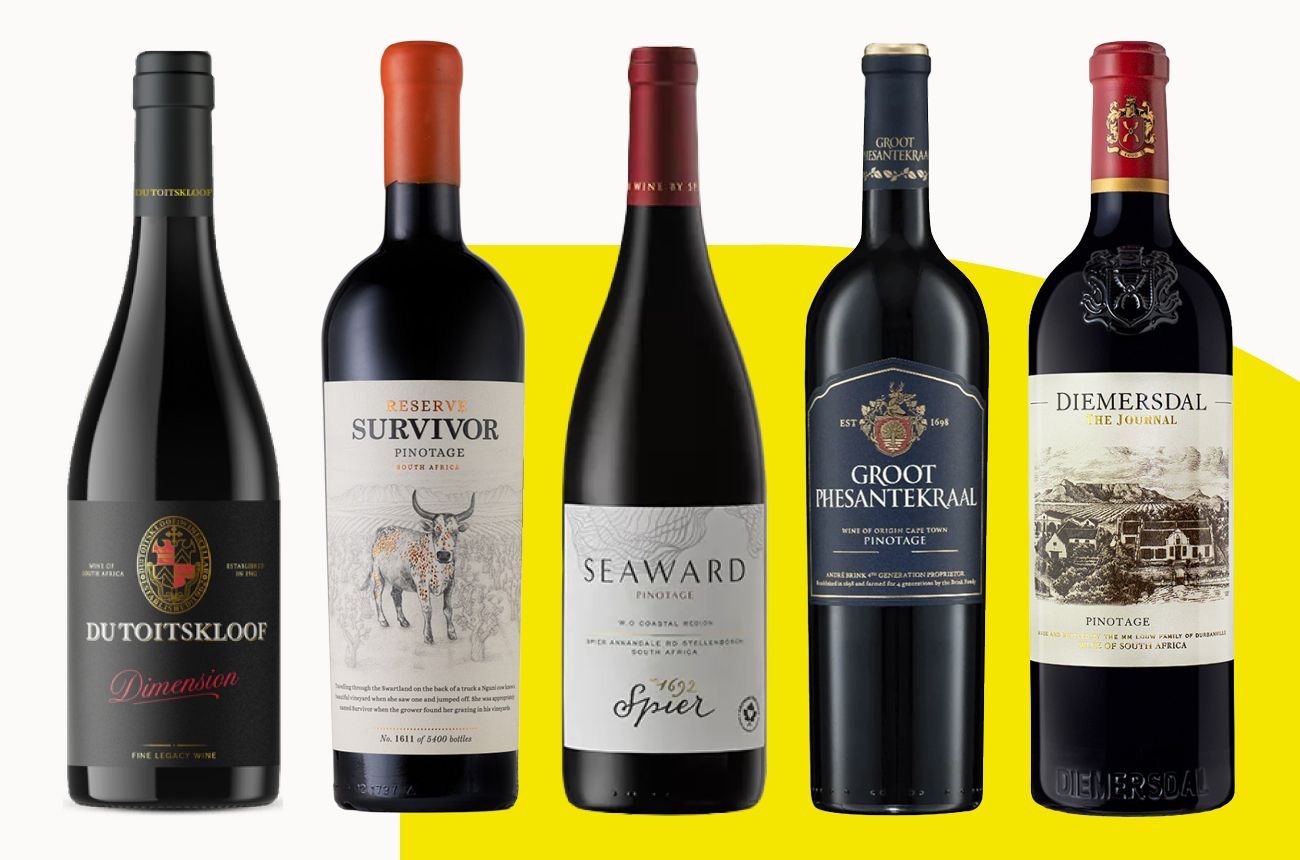
International Pinotage Day: A Global Celebration
The culmination of these efforts to rehabilitate and celebrate Pinotage is International Pinotage Day, observed annually on the second Saturday of October. First celebrated on October 11, 2014, the day was championed by the Pinotage Association as a global platform to honour the grape’s unique heritage and showcase its evolving quality. The timing of the celebration holds cultural significance: in South Africa, the second Saturday of October falls in mid-spring, coinciding with warmer weather and the beloved braai (barbecue) season. A smoky glass of Pinotage enjoyed beside an open fire is considered a quintessential South African ritual, perfectly capturing the grape’s affinity for grilled meats and outdoor festivities. In the Northern Hemisphere, the same date marks the onset of cooler autumn nights, making Pinotage an ideal pairing for heartier, comforting dishes.
International Pinotage Day has become a vibrant occasion, bringing together winemakers, enthusiasts, and consumers worldwide through tastings, educational events, and social media campaigns. It serves as a powerful testament to the grape’s journey, fostering a sense of community and appreciation for its distinctive character.
Pinotage Beyond the Cape: A Growing Global Footprint
While Pinotage remains undeniably a South African success story – standing as one of the country’s most planted red grapes, thriving in regions like Stellenbosch, Swartland, and Paarl – its global passport has been steadily filling. New Zealand was an early adopter, recognising the grape’s potential for producing robust reds. Today, small but growing plantings can be found across diverse wine regions globally, including California, Oregon, and Virginia in the United States, as well as in Brazil, Israel, and Zimbabwe. These international plantings demonstrate the grape’s adaptability and increasing recognition beyond its homeland.
Wherever it puts down roots, Pinotage consistently retains its characteristic calling cards: a rich spectrum of dark fruit flavours, often evoking blackberries, plums, and cherries; a subtle whisper of smoke, which can come from its inherent characteristics or careful oak integration; and a generous, full-bodied character that offers a satisfyingly robust mouthfeel. This distinctive profile makes it a versatile grape, capable of producing a range of styles from approachable, fruit-forward expressions to complex, age-worthy wines.
The Distinctive Character of Pinotage and its Culinary Pairings
The modern Pinotage offers a fascinating array of sensory experiences. On the nose, it typically presents an aromatic bouquet of dark berries, often intertwined with notes of red cherry, plum, and sometimes a hint of banana or tropical fruit in its younger, fruitier expressions. With careful winemaking and oak ageing, these fruit notes can evolve to reveal complex layers of mocha, dark chocolate, coffee, liquorice, and a characteristic smoky or savoury undertone. The palate is generally full-bodied, with ripe tannins and balanced acidity, leading to a long, often spicy finish.
This inherent versatility makes Pinotage an excellent companion to a wide range of cuisines. Its robust structure and savoury notes pair exceptionally well with traditional South African braai dishes, particularly grilled lamb chops, boerewors (South African sausage), and marinated steaks. Beyond the barbecue, it complements hearty stews, game meats such as venison or ostrich, rich pasta dishes, and mature cheeses. The "coffee Pinotage" style, with its chocolatey undertones, can even pair surprisingly well with certain dark chocolate desserts or coffee-infused dishes.
Defining Excellence: Award-Winning Pinotage and the Cape Blend
The transformation of Pinotage from an "ugly duckling" to a "national treasure" is unequivocally evidenced by its growing acclaim on the international competition circuit. Top Pinotages now consistently earn glowing reviews and high scores from leading wine critics and publications. Prestigious awards, such as Platinum medals at the Decanter World Wine Awards, have been bestowed upon exemplary Pinotage wines from regions like Swartland and Walker Bay in recent years. This recognition is a testament to the relentless dedication of South African winemakers who have mastered the art of coaxing the best from this unique varietal.
Beyond single-varietal expressions, Pinotage is also a key component of the "Cape Blend," a distinctive South African wine style. This blend typically combines Pinotage with classic Bordeaux varieties such as Cabernet Sauvignon, Merlot, and sometimes Cabernet Franc. The Cape Blend represents a truly unique South African contribution to the world of wine, showcasing how Pinotage’s distinctive characteristics can harmonise with international noble grapes, creating complex, layered, and age-worthy wines that reflect the Cape’s unique terroir and winemaking philosophy.
A Future Rooted in Resilience and Innovation
From its accidental inception in Professor Perold’s garden to its arduous journey through criticism and neglect, Pinotage has emerged as a powerful symbol of South African resilience and innovation. Today, it stands as a proud emblem of the nation’s winemaking prowess, celebrated globally for its distinctive character and the unwavering spirit of those who championed its cause. The continued dedication of the Pinotage Association and individual winemakers ensures that this unique grape will continue to evolve, captivate palates, and solidify its esteemed position in the pantheon of great red wines, proving that even the most challenging beginnings can lead to extraordinary success. The future of Pinotage, rooted in its rich history and nurtured by ongoing innovation, promises even greater heights for this remarkable South African original.