admin
admin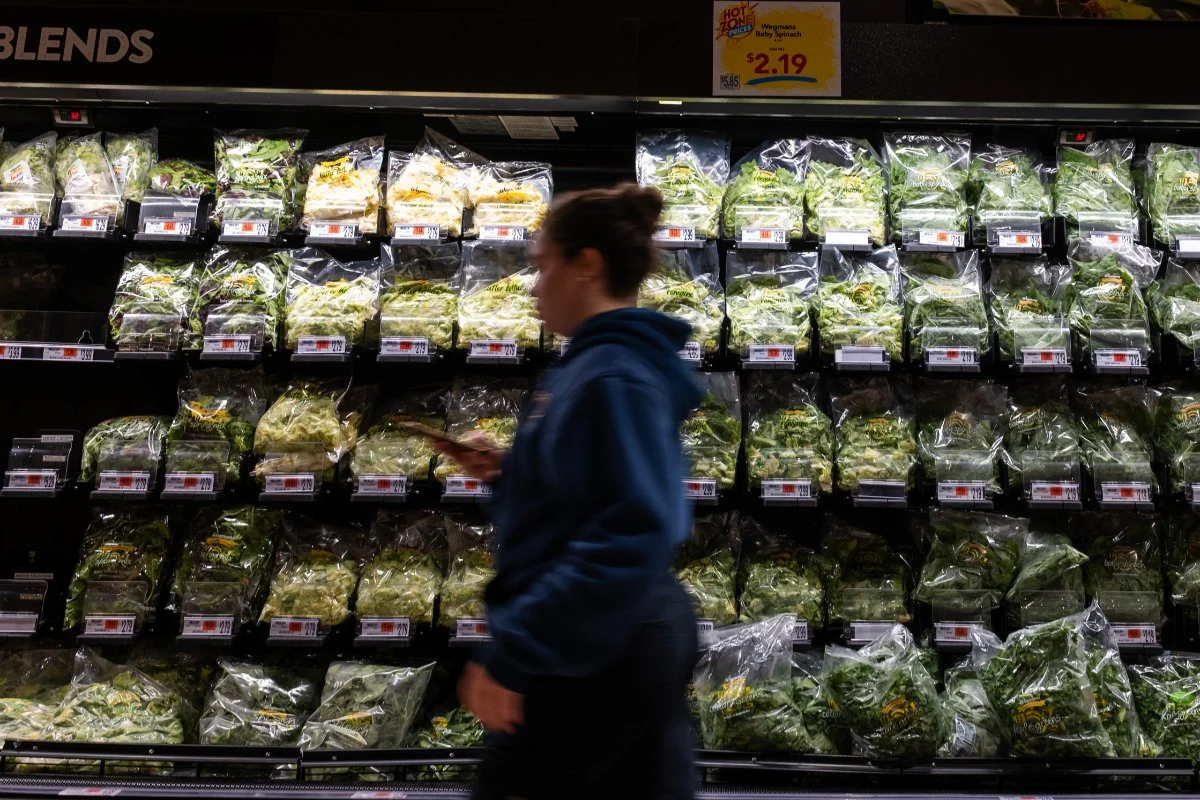
As the United States grapples with a series of foodborne illness outbreaks, notably a recent cyclospora event tied to industrially processed lettuce, consumers are increasingly turning their attention to the origins and safety protocols of their fresh produce. The 2026 cyclospora outbreak, which sickened thousands and resulted in two fatalities, has underscored the inherent vulnerabilities within lengthy, complex industrial food supply chains, simultaneously highlighting the comparative safety and transparency offered by local farming operations. This stark contrast in food safety profiles is prompting a re-evaluation of how produce reaches American tables, with many advocates suggesting that shorter, more direct supply routes may offer a more resilient and trustworthy alternative.
The 2026 Cyclospora Outbreak: A Case Study in Industrial Risks
The summer of 2026 saw a significant public health crisis unfold as a cyclospora outbreak spread across multiple states, primarily linked to shredded iceberg lettuce. Government data revealed a sharp 16.4% plunge in lettuce prices from June to July, reflecting widespread consumer apprehension. The Centers for Disease Control and Prevention (CDC) reported thousands of confirmed cases of cyclosporiasis, an intestinal illness characterized by severe nausea, diarrhea, and fatigue, leading to hospitalizations and at least two deaths. The investigation quickly traced the contaminated produce to a Taylor Farms facility in Mexico, a major player in the global fresh-cut produce industry.
Taylor Farms, a colossal producer supplying retailers like Walmart, Target, and fast-food giants such as Taco Bell, issued a recall notice on July 17 for various bagged products, including salad mixes, shredded lettuce, chopped lettuce, and lettuce blends. This incident was not isolated; only weeks later, the same company faced another recall for jalapeño peppers, also sourced from Mexico, due to salmonella contamination. The rapid succession of these events fueled public concern and intensified scrutiny of large-scale food processing. Reports even surfaced regarding Taylor Farms reportedly seeking White House intervention during the cyclospora investigation, a maneuver that drew criticism and raised questions about transparency and accountability in large corporations versus the relative lack of such influence for smaller agricultural enterprises.

Understanding Cyclospora: A Persistent Parasite
Cyclospora cayetanensis is a microscopic parasite unique in its epidemiology. Unlike bacteria, which can be killed by common sanitizers like chlorine, cyclospora is highly resistant to such treatments, making eradication in processing environments particularly challenging. Humans are the only known hosts for this parasite, which spreads through the fecal-oral route. Contamination typically occurs when produce comes into contact with infected human feces, often via contaminated irrigation water, inadequately treated wastewater, or through the unwashed hands of farmworkers or processing plant employees. A critical aspect of cyclospora’s lifecycle is that it does not become infectious immediately after excretion; it requires several weeks to sporulate and become infective in the environment. This delay means that direct person-to-person transmission is rare, but environmental contamination poses a significant risk to fresh produce.
The unique characteristics of cyclospora underscore why preventive measures are paramount. These include stringent handwashing protocols, readily accessible and clean restroom facilities, and rigorous testing of irrigation water for microbial indicators of fecal contamination. The resistance of cyclospora to standard sanitizers used in industrial washing processes means that once a batch of produce is contaminated, the risk of widespread illness is substantially elevated.
The Industrial Food System: Scale, Efficiency, and Inherent Risks
The fresh-cut bagged leafy greens industry operates on a massive scale, driven by consumer demand for convenience. This model relies on combining mechanically harvested greens from numerous farms across different states and even countries. Once harvested, the produce is transported to vast processing facilities capable of handling tens of thousands of heads of lettuce per hour. Here, the greens undergo a multi-stage process: de-coring, chopping, mixing, and then rinsing in chilled water often combined with sanitizers or chlorine. Finally, they are packaged in specialized plastic bags, flushed with a modified atmosphere of gases to displace oxygen, thereby slowing down spoilage and browning.

While highly efficient, this industrial model introduces several points of vulnerability. A single contaminated leaf can cross-contaminate an entire commercial batch, potentially affecting thousands of bags of mixed greens. The mixing of produce from disparate sources means that a contamination event originating from one farm can rapidly escalate into a multi-state or even international outbreak, making traceback investigations incredibly complex and time-consuming. This inherent risk is well-documented, with the fresh-cut industry frequently linked to large-scale recalls and disease outbreaks beyond cyclospora, including E. coli and salmonella.
Beyond the immediate health risks, the industrial processing of greens carries significant environmental implications. The extensive use of plastic packaging contributes to plastic waste, a growing global environmental concern. Furthermore, these large facilities often consume vast quantities of water for washing and processing, contributing to water stress in many regions. Research indicates that the industrial food system, while providing affordable food on a grand scale, also comes with substantial ecological footprints that often go unacknowledged in consumer purchasing decisions.
The Local Alternative: Short Chains, High Accountability
In stark contrast to the industrial model, local farming operations embody a philosophy of transparency, direct accountability, and significantly shorter supply chains. Judith Redmond, co-founder of Full Belly Farm in Northern California, a certified organic farm, articulates this distinction powerfully. For years, Full Belly Farm has sold its produce directly to consumers at the Berkeley farmers’ market, proudly displaying the sign, "We Grow What We Sell." This commitment assures customers of 100% accountability for their organic and soil-building practices, from heirloom tomatoes to sweet melons.
Redmond’s experience, echoed by countless small-scale farmers, suggests that locally grown produce is inherently less likely to cause foodborne illness outbreaks, especially the multi-state events associated with industrial products. The process at Full Belly Farm is a testament to this: produce is typically picked the day before market, transported to a packing shed, washed in fresh well water, and refrigerated before being loaded onto a truck. These farms consistently pass annual third-party food safety inspections, adhere to stringent labor laws, and implement robust training programs for their crews, emphasizing hygiene and best practices.

The direct relationship between farmers and consumers at farmers’ markets, farm stands, urban gardens, and through CSA (Community Supported Agriculture) programs fosters trust and facilitates direct communication. When concerns about food safety arise, such as during the cyclospora outbreak, customers can engage directly with the farmers who grew their food, receiving immediate and detailed information about their cultivation and handling practices. This level of transparency is virtually impossible within the opaque, multi-layered industrial supply chain.
Beyond Safety: The Broader Benefits of Local Food Systems
The advantages of local food systems extend far beyond enhanced food safety. They are integral to regional food security, fostering vital connections between urban communities and agricultural producers. Small-scale, community-oriented farms often prioritize conservation practices, engage in educational activities, and supply local institutions like schools and prisons, strengthening community bonds and local economies. They also provide crucial entry points for new farmers, nurturing agricultural diversity and innovation.
"Enjoying produce grown by these trusted farmers is a blessing, and building relationships with them is a sure-fire way to feel confident about the vegetables and fruit that enter our kitchens," Redmond emphasizes. This sentiment underscores the qualitative benefits of local food: unmatched peak-season flavor, wholesome local nutrition, and the invaluable peace of mind that comes from knowing the source of one’s food.
While acknowledging that not everyone has access to farmers’ markets or CSA programs, Redmond points to whole heads of lettuce and bunched greens displayed at supermarkets as a healthier intermediate option. These products, though not always locally sourced, bypass the industrial processing facilities that characterize the fresh-cut bagged industry. They follow a shorter supply chain, avoiding the risks of cross-contamination inherent in chopping, mixing, and redistributing greens from multiple farms into endless bags.

Regulatory Landscape and Future Implications
The Food and Drug Administration (FDA) plays a critical role in overseeing food safety, implementing regulations such as the Food Safety Modernization Act (FSMA). However, the sheer scale and complexity of the global food supply chain, particularly for imported produce, present significant enforcement challenges. The "confusing" FDA messaging during the cyclospora outbreak, as noted in the original reports, highlights potential gaps in communication and the difficulties in rapid, decisive action when dealing with internationally sourced products and powerful industry players. The alleged intervention by Taylor Farms with the White House, if substantiated, further underscores the political and economic pressures that can influence regulatory responses to large corporations.
For local farmers, compliance with regulations like California’s stringent labor and food safety laws is a constant, yet manageable, part of their operation. Their smaller scale allows for more agile implementation of best practices and direct oversight. In contrast, monitoring thousands of global suppliers and hundreds of processing facilities presents an exponentially greater challenge for regulatory bodies.
The cyclospora outbreak of 2026 serves as a potent reminder of the fragility of our industrialized food system and the imperative for greater resilience. It strengthens the argument for diversifying food sources, shortening supply chains, and investing in local and regional food infrastructure. Consumers, armed with this knowledge, have a powerful role to play through their purchasing decisions, opting for transparency and direct connection to their food sources whenever possible.
Ultimately, events like the cyclospora outbreak compel a deeper understanding of our food’s journey from farm to fork. They emphasize the value of knowing one’s local farming community, not just for the unparalleled quality and flavor of their produce, but for the inherent safety and trust that comes with a direct relationship. As the global food landscape continues to evolve, the principles of local sourcing, transparency, and accountability offer a pathway toward a safer, more sustainable, and more resilient food future for all.