admin
admin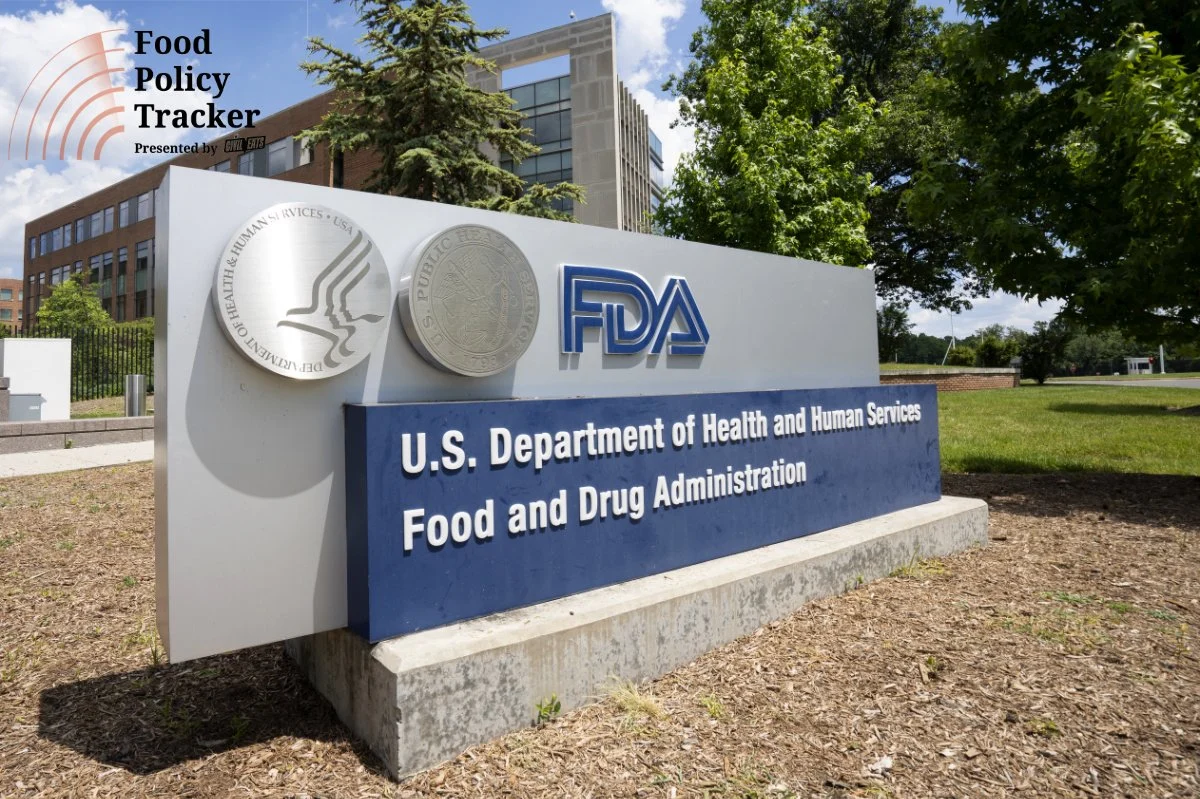
President Donald Trump’s nomination of White House aide Heidi Overton as the next Commissioner of the Food and Drug Administration (FDA) has immediately ignited a firestorm of opposition, signaling a contentious confirmation battle ahead. Announced on August 20, 2026, the selection comes at a critical juncture for the federal agency, which is currently grappling with an unprecedented cyclospora outbreak and facing widespread criticism for its handling of food safety oversight. The nomination has drawn swift condemnation from key conservative factions, particularly the "Make America Healthy Again" (MAHA) movement, as well as a prominent Republican senator who has voiced "strong concerns" over Overton’s qualifications and policy stances.
Overton’s Background and Ascendancy
Heidi Overton brings a blend of medical expertise and conservative policy experience to the forefront. In the second Trump administration, she served as a deputy director of the White House Domestic Policy Council, actively participating in several health initiatives. This role positioned her at the heart of the administration’s health policy agenda, working closely with figures like Health Secretary Robert F. Kennedy Jr., a relationship President Trump highlighted in his social media announcement of her nomination. Prior to her White House tenure, Overton was the chief policy officer at the America First Policy Institute, a conservative think tank co-founded by Agriculture Secretary Brooke Rollins. Her work there focused on developing policy frameworks aligned with the "America First" ideology. Academically, Overton is a medical doctor, having completed a general surgery residency at the prestigious Johns Hopkins Hospital, a credential that, on its surface, might suggest a strong foundation in healthcare. However, critics argue her policy roles have overshadowed her clinical background in terms of recent professional focus.
The FDA has been without a permanent leader since May 2026, when former commissioner Marty Makary departed the role. Kyle Diamantas, the agency’s top food official, has since been serving as acting commissioner, providing a measure of continuity amidst leadership flux. This extended period without a confirmed commissioner underscores the urgency of a permanent appointment, yet the chosen candidate now faces significant hurdles.
President Trump, in his social media announcement, lauded Overton, stating she "has worked closely with Health Secretary Robert F. Kennedy Jr. and will continue to work with the secretary to deliver more innovations, faster cures, and more Make America Healthy Again (MAHA) wins." He further emphasized her alignment with his administration’s philosophy, declaring, "Dr. Overton will continue putting AMERICA FIRST, and creating a HEALTHY AMERICA." This endorsement, however, has ironically fueled the very backlash it aimed to preempt.
The Political Divide: MAHA Opposition Takes Center Stage

The "Make America Healthy Again" (MAHA) movement, a vocal and influential conservative base, has been surprisingly critical of Overton’s nomination. This pushback highlights a complex internal struggle within the broader conservative movement, where specific policy positions, particularly concerning food safety and public health, often take precedence over general political alignment.
A prominent figure in the MAHA movement, Kelly Ryerson, known online as "Glyphosate Girl" for her activism against the herbicide, immediately expressed dismay. In a social media post, Ryerson unequivocally called Overton "the wrong pick," lamenting that the news marked "a very sad day for MAHA." Her strong reaction stems from the movement’s deep-seated concerns regarding agricultural chemicals and their perceived impact on public health. MAHA advocates frequently champion a "clean food" agenda, advocating for reduced pesticide use, stricter organic standards, and a more natural approach to food production.
Another influential voice, Alex Clark, amplified these concerns by posting an article about Overton’s nomination, specifically highlighting her ties to President Trump’s controversial executive order earlier in 2026, which aimed to boost domestic production of glyphosate. This executive order, signed in February, drew considerable criticism from environmental and public health groups who argue that increased glyphosate use poses significant health risks and environmental damage. For MAHA supporters, Overton’s association with this policy is a direct affront to their core principles of promoting healthier, less chemically-intensive food systems. Clark’s subsequent social media post, stating, "MAHA wants to KEEP Kyle Diamantas as FDA commissioner," further underscored their preference for the current acting commissioner, perhaps viewing him as less aligned with policies they oppose. The MAHA movement’s opposition signals a potential fracture within Trump’s base, where loyalty to the president does not always translate into unconditional support for all his appointments, especially when perceived health and food safety issues are at stake.
Senate Confirmation Gauntlet: Senator Cassidy’s "Strong Concerns"
Beyond the internal conservative dissent, Heidi Overton faces a challenging path through the Senate, where bipartisan concerns could derail her confirmation. Senator Bill Cassidy (R-Louisiana), who chairs the powerful Senate Health, Education, Labor and Pension (HELP) Committee—the very committee tasked with advancing Overton’s nomination—has publicly voiced "strong concerns."
Senator Cassidy’s reservations, shared via social media, center on two primary areas: Overton’s perceived lack of managerial experience and her involvement in a recent executive order reducing the number of recommended vaccines for children. The concern over managerial experience is a common point of contention for nominees to high-level federal agencies. The FDA is a vast and complex organization, employing thousands of scientists, doctors, and regulators, with a budget exceeding $6 billion annually. It oversees a staggering array of products, from pharmaceuticals and medical devices to the vast majority of the nation’s food supply. Leading such an agency requires not only scientific acumen but also significant administrative and leadership capabilities, a point on which Senator Cassidy appears to find Overton lacking.
Even more contentious is Overton’s alleged involvement in the executive order on childhood vaccines. While the specifics of this order are debated, any policy that seeks to reduce recommended childhood vaccinations invariably ignites intense public health and political debate. Mainstream medical and public health organizations, including the Centers for Disease Control and Prevention (CDC) and the American Academy of Pediatrics, strongly advocate for comprehensive vaccination schedules based on decades of scientific research demonstrating their safety and effectiveness in preventing infectious diseases. A nominee associated with policies perceived as undermining these established public health guidelines would face intense scrutiny from Democrats and potentially some public health-minded Republicans. Senator Cassidy’s concerns here suggest a potential alignment with mainstream medical consensus, placing him at odds with some of the more vaccine-skeptical elements within the MAHA movement or the broader conservative base. This issue alone could prove to be a significant stumbling block, rallying opposition from public health advocates, medical professionals, and senators committed to evidence-based health policy.

The Shadow of the Cyclospora Outbreak: A Critical Backdrop
Overton’s nomination unfolds against the grim backdrop of a severe and ongoing public health crisis: a historic surge in cyclospora infections across the United States. As of August 18, the Centers for Disease Control and Prevention (CDC) reported 15,716 confirmed cases of cyclospora, with an additional 11,841 cases awaiting further investigation and analysis. This represents an unprecedented number of infections from the microscopic parasite, which typically causes cyclosporiasis, an intestinal illness characterized by watery diarrhea, stomach cramps, nausea, and fatigue. The parasite is commonly transmitted through contaminated food or water, often linked to fresh produce.
The scale of this outbreak has drawn sharp criticism from food-safety experts and public health officials who have pointed to systemic issues within the Trump administration and the FDA. Many attribute the high caseload, and the agency’s perceived sluggish response, to historic underfunding of federal agencies and cuts to surveillance programs. Experts have specifically highlighted staffing and funding reductions at the FDA, leading to delays in crucial on-site inspections of food facilities and farms. Furthermore, throughout the crisis, the FDA has been accused of issuing "mixed signals" and providing unclear guidance, further eroding public trust and complicating efforts to identify and contain the source of contamination. For instance, the agency has faced scrutiny for its inability to quickly pinpoint the origin of the contaminated produce, which has historically been a challenge in cyclospora outbreaks but appears exacerbated by current resource limitations. This situation creates a challenging environment for any new FDA commissioner, who would immediately be expected to restore confidence, streamline responses, and address the underlying issues plaguing the nation’s food safety infrastructure. The crisis underscores the critical importance of a fully functional, scientifically robust, and adequately resourced FDA, making the choice of its leader all the more consequential.
The FDA Commissioner’s Mandate: Navigating Complex Challenges
The Commissioner of the Food and Drug Administration holds one of the most vital positions in the federal government, with a mandate to protect public health by ensuring the safety, efficacy, and security of human and veterinary drugs, biological products, medical devices, and the nation’s food supply. The agency also plays a crucial role in regulating tobacco products and cosmetics. This broad portfolio demands a leader with deep scientific understanding, regulatory expertise, and the ability to navigate complex ethical, economic, and political pressures.
A new commissioner would immediately face a daunting agenda. Beyond the immediate cyclospora crisis, the FDA is constantly engaged in evaluating new drug applications, responding to emerging public health threats, overseeing global supply chains, and adapting to rapid advancements in biotechnology and food science. The role requires a delicate balance between fostering innovation and ensuring rigorous consumer protection, often necessitating difficult decisions with far-reaching consequences for public health, industry, and the economy. The ongoing debates surrounding vaccine policy, pesticide regulation, and the appropriate level of federal oversight in food production underscore the politically charged environment in which the FDA operates.
Broader Implications for Public Health and Food Safety

Heidi Overton’s nomination and the ensuing controversy have significant implications for the future direction of public health and food safety policy in the United States. Should she be confirmed, her leadership could signal a continued emphasis on "America First" and "Make America Healthy Again" tenets, potentially leading to further shifts in regulatory priorities. Her past association with the America First Policy Institute suggests an inclination towards policies that prioritize domestic production and potentially deregulation, which could be a concern for those advocating for more stringent environmental and health protections.
The strong opposition from within the MAHA movement, coupled with Senator Cassidy’s concerns, points to a potential politicization of the FDA’s scientific mission. If a commissioner is perceived as being overly aligned with specific political ideologies rather than impartial scientific principles, it could further erode public trust in the agency’s decisions. This is particularly critical in areas like vaccine approval and food safety, where public confidence is paramount for compliance and disease prevention. The ongoing cyclospora outbreak serves as a stark reminder of the tangible consequences of perceived governmental failures in public health oversight. A weakened or politicized FDA could have long-term repercussions for the health and safety of American consumers, potentially leading to more outbreaks, slower responses to crises, and a decline in the rigorous scientific standards that have historically underpinned the agency’s credibility.
Path Forward
Overton’s first step toward confirmation is securing approval from the Senate Health, Education, Labor and Pension (HELP) Committee. As of press time, a confirmation hearing has not been scheduled, but it is expected to be a thorough and potentially contentious process. During the hearing, senators will undoubtedly press Overton on her managerial experience, her stance on vaccine policy, her views on food safety regulation, and her approach to balancing industry interests with public health protection. Her responses, and the level of support she garners from within the Republican caucus, will determine whether her nomination can advance to a full Senate vote. Given the expressed concerns from both influential conservative voices and a key Republican senator, the path to FDA Commissioner for Heidi Overton appears to be fraught with challenges, making her confirmation anything but a foregone conclusion. The debate over her suitability will serve as a bellwether for the administration’s broader approach to federal agency leadership and its commitment to public health science.