admin
admin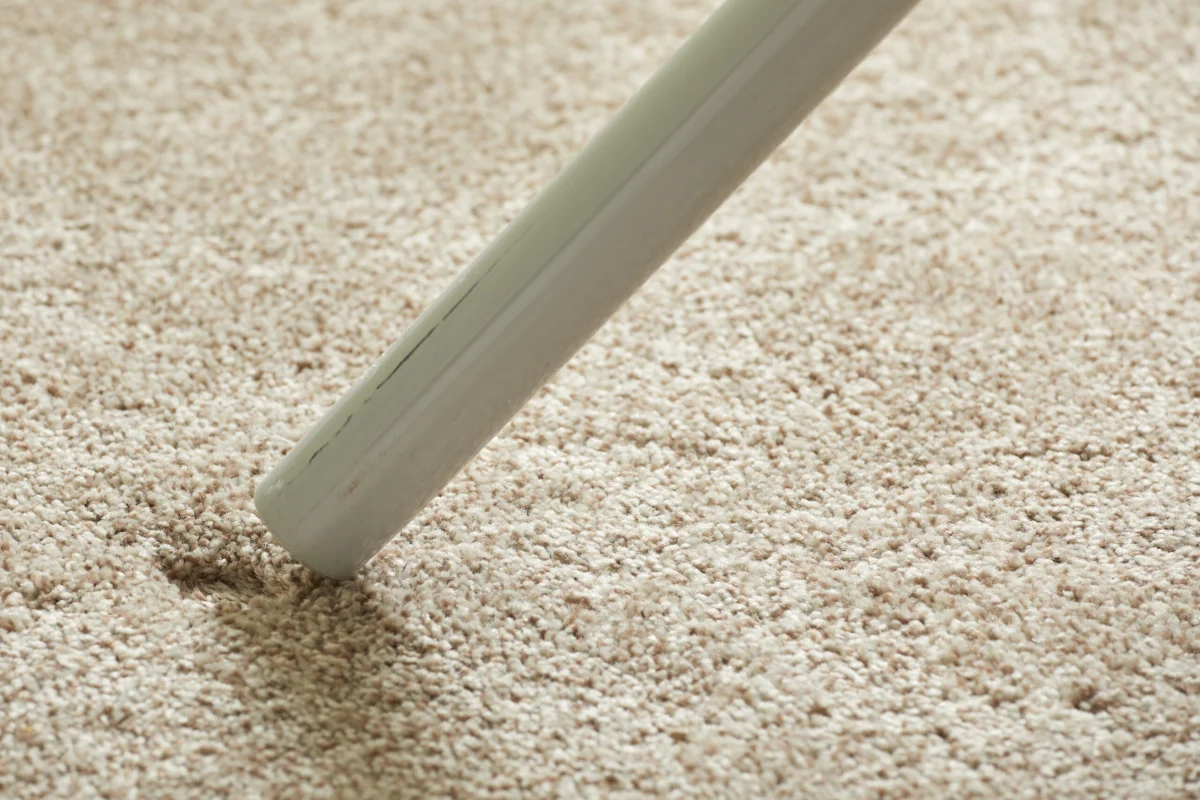
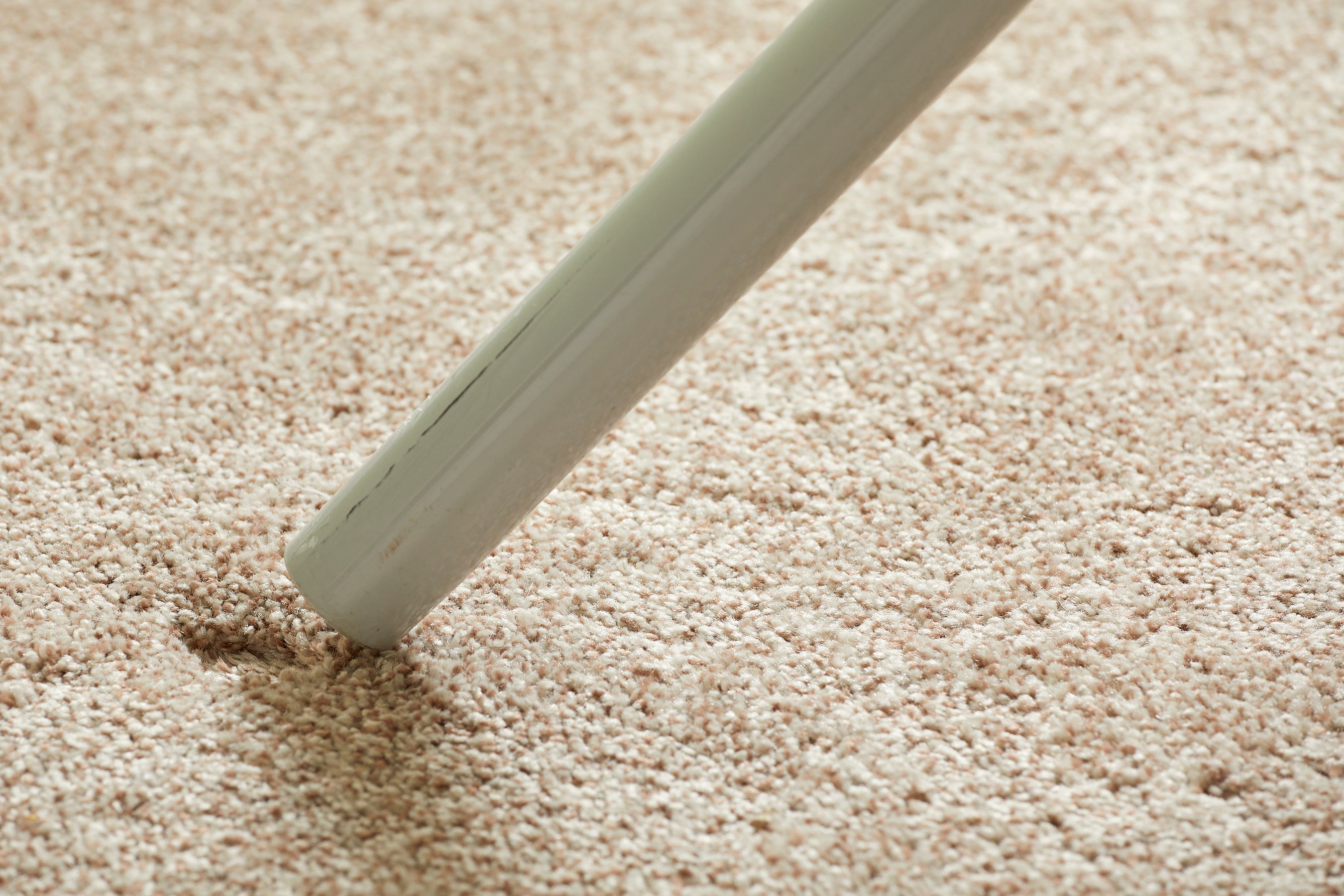
Furniture indentations, colloquially known as carpet divots, represent a common aesthetic and structural challenge for homeowners and property managers alike. These depressions occur when the concentrated weight of heavy objects—such as sofas, wardrobes, or pianos—compresses carpet fibers and the underlying padding over extended periods. While often viewed as permanent damage, most carpet dents can be remediated through various thermal and mechanical restoration techniques. Understanding the science of fiber resilience and the appropriate application of moisture and heat is essential for maintaining the longevity and appearance of residential flooring.
The Mechanics of Fiber Compression and Resilience
To address carpet dents effectively, one must first understand the structural composition of the material. Most modern carpets are composed of synthetic polymers, such as nylon, polyester, or triexta, or natural fibers like wool. These fibers are tufted into a backing and often supported by a polyurethane foam or rubber pad. When a heavy object is placed on the carpet, it exerts significant pounds per square inch (PSI) on a localized area. Over time, this pressure forces the air out of the fibers and the padding, causing the pile to lose its "memory" or ability to spring back.
The recovery of these fibers depends largely on their resilience rating. Nylon is widely regarded in the textile industry for its superior hydrogen bonding, which allows it to return to its original shape when steam or moisture is applied. Conversely, polyester has lower resilience; once the fibers are crushed under extreme weight for years, the molecular structure may be permanently altered, making restoration more difficult.
A Chronological Approach to Carpet Restoration
The process of removing a carpet dent should follow a specific chronology, starting with the least invasive methods and progressing toward more intensive thermal treatments if the initial attempts fail.
Phase 1: Mechanical Agitation via Vacuuming
The most immediate response to a newly discovered dent should be mechanical agitation. When furniture is moved, the fibers are often simply flattened rather than structurally damaged.
- Initial Assessment: Clear the area of any debris or dust that may have accumulated under the furniture.
- Suction Application: Use a vacuum cleaner with a high-suction hose attachment. Hold the nozzle directly over the divot for 30 to 60 seconds.
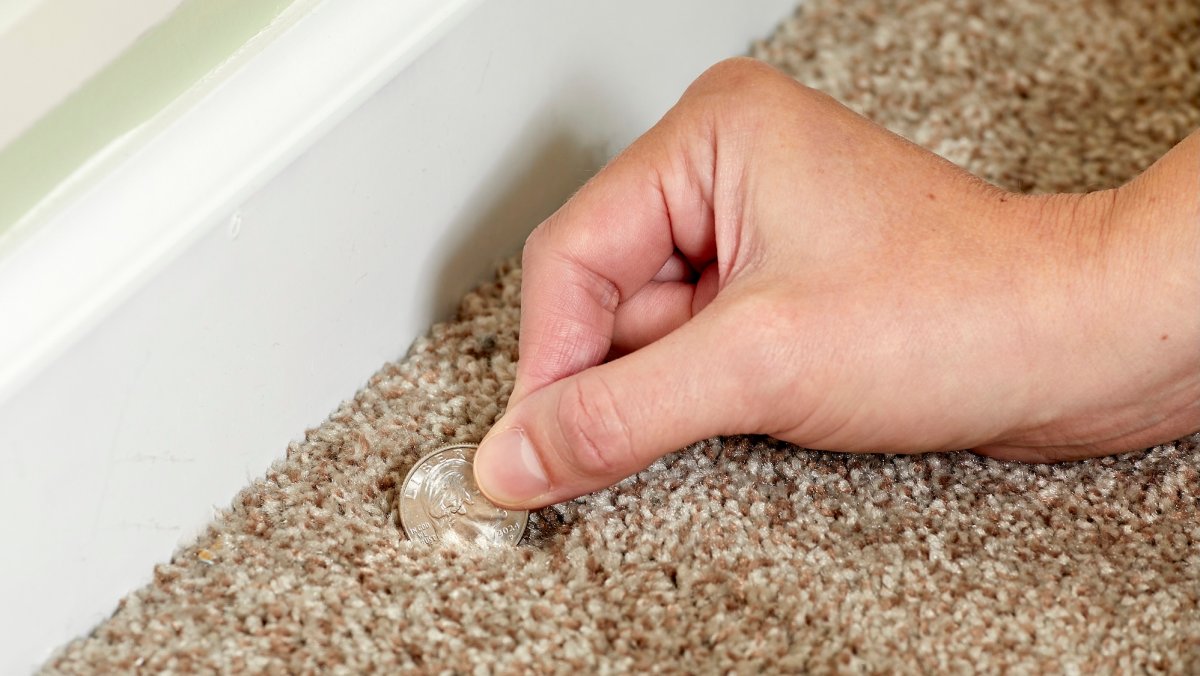
- Fiber Manipulation: While the vacuum is running, use the edge of the attachment or a blunt object, such as a coin or a spoon, to manually "rake" the fibers upward.
According to vacuum manufacturers, the combination of localized suction and physical lifting can restore up to 60 percent of a dent’s volume if the furniture was in place for less than six months.
Phase 2: The Cryogenic Moisture Method (Ice Cubes)
If vacuuming proves insufficient, the introduction of moisture can help the fibers expand. The ice cube method is favored by professional cleaners for its controlled delivery of water.
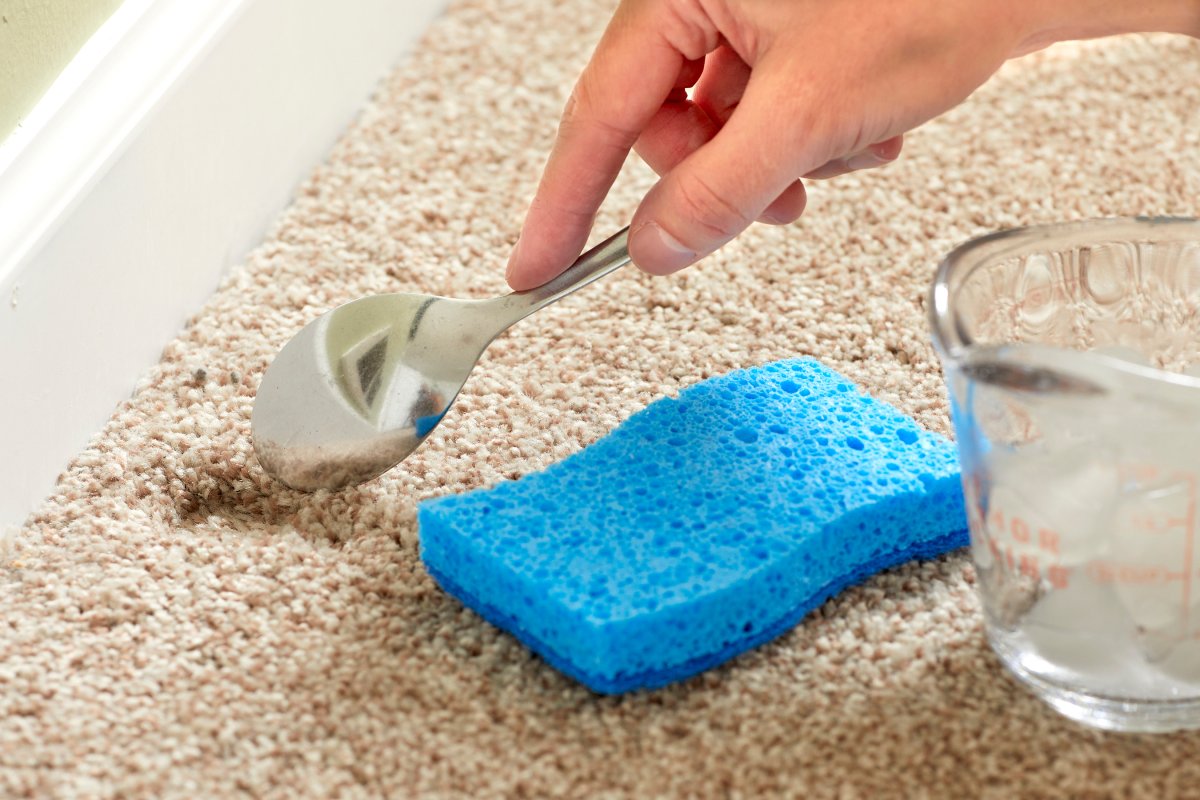
- Placement: Place one or more ice cubes directly into the center of the indentation. The number of cubes should correspond to the size of the dent.
- Gradual Saturation: Allow the ice to melt completely at room temperature. This process typically takes one to three hours. The slow melting ensures that the water penetrates deep into the carpet pile and the backing without over-saturating the surrounding area.
- Blotting and Fluffing: Once the ice has melted, use a clean, dry towel to blot excess moisture. Use a spoon or a carpet rake to gently lift the damp fibers.
This method is particularly effective for wool carpets, as natural fibers absorb moisture more readily than synthetic polymers, aiding in the restoration of the fiber’s natural elasticity.
Phase 3: Convective Heat Restoration (Blow Dryer)
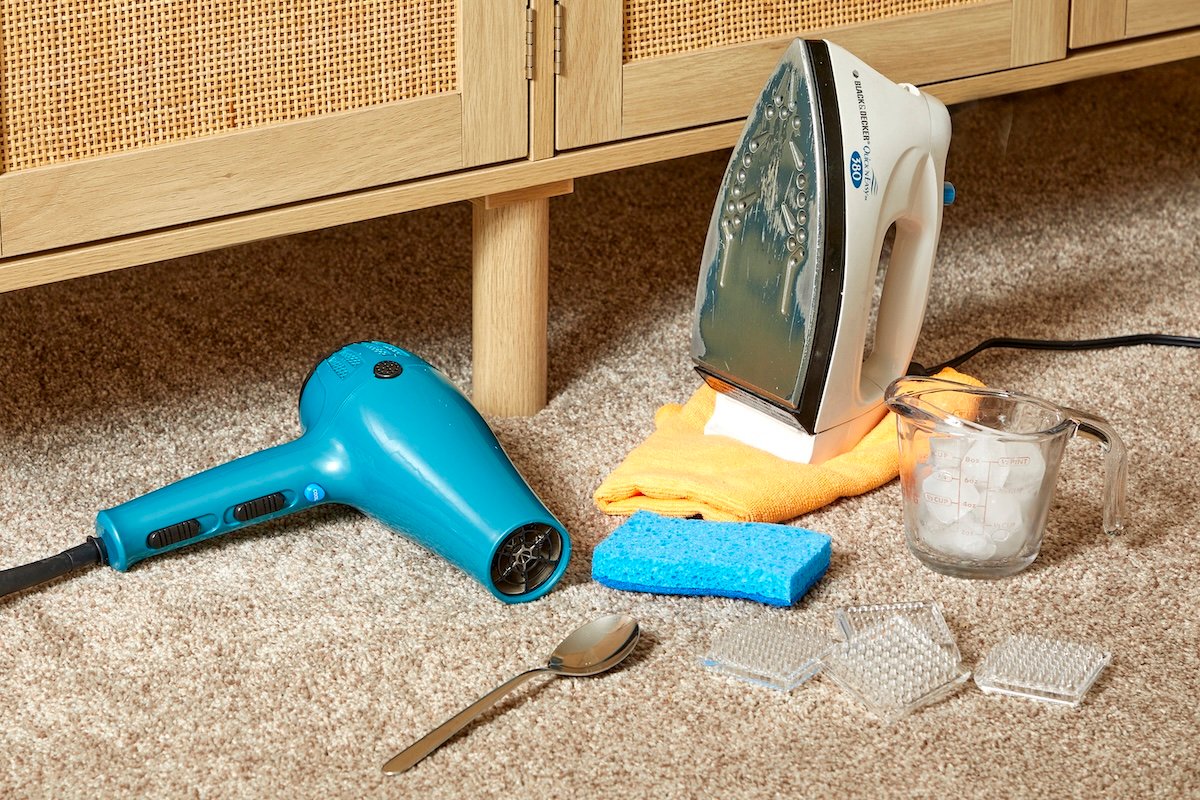
For more stubborn indentations, the application of heat can help "reset" the molecular bonds of synthetic fibers. This method mimics the industrial processes used during carpet manufacturing.
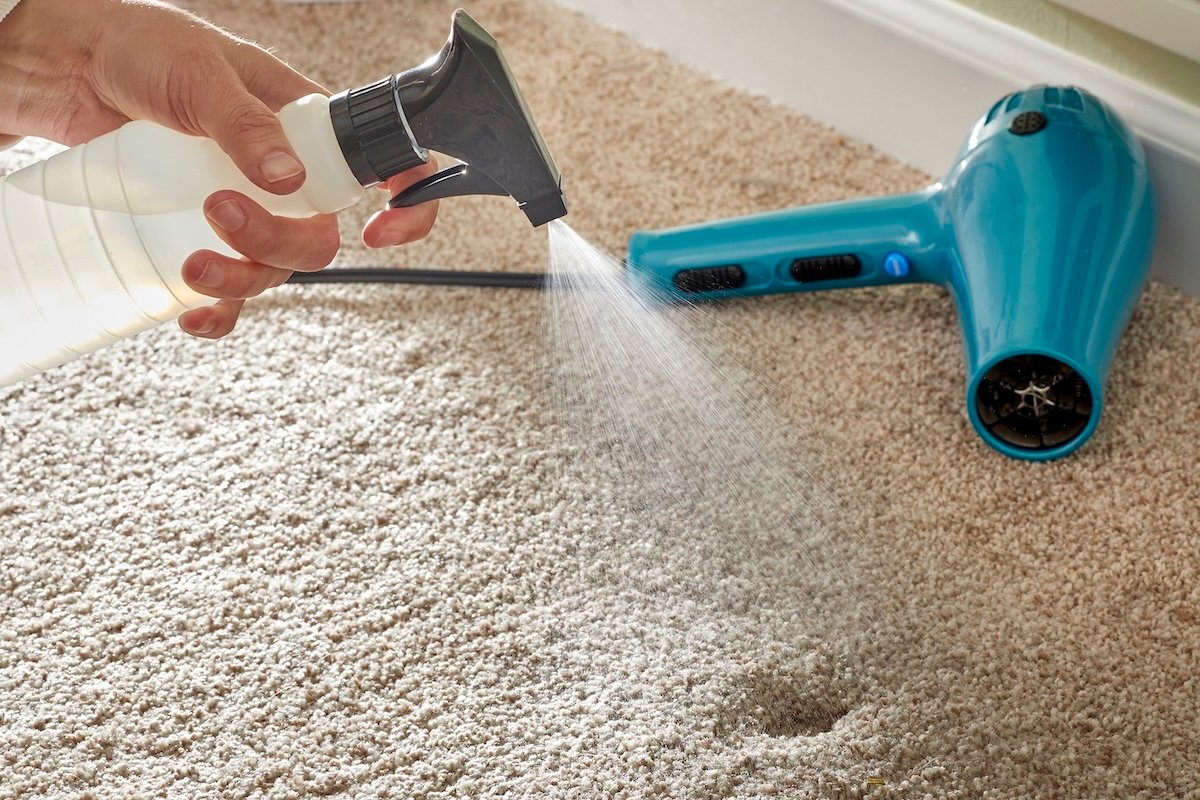
- Hydration: Lightly mist the dented area with a spray bottle filled with plain water. The fibers should be damp but not soaked.
- Directed Heat: Use a standard handheld blow dryer set to the medium or high heat setting. Hold the dryer approximately four to six inches away from the carpet.
- Simultaneous Brushing: While applying heat, use your fingers or a small brush to work the fibers back into an upright position. The heat makes the plastic-based fibers more pliable, allowing them to be reshaped.
- Cooling: Once the fibers are upright, switch the dryer to the "cool" setting or allow the area to air dry. This "sets" the fibers in their new, vertical orientation.
Phase 4: Steam Reconstitution (Iron and Cloth)
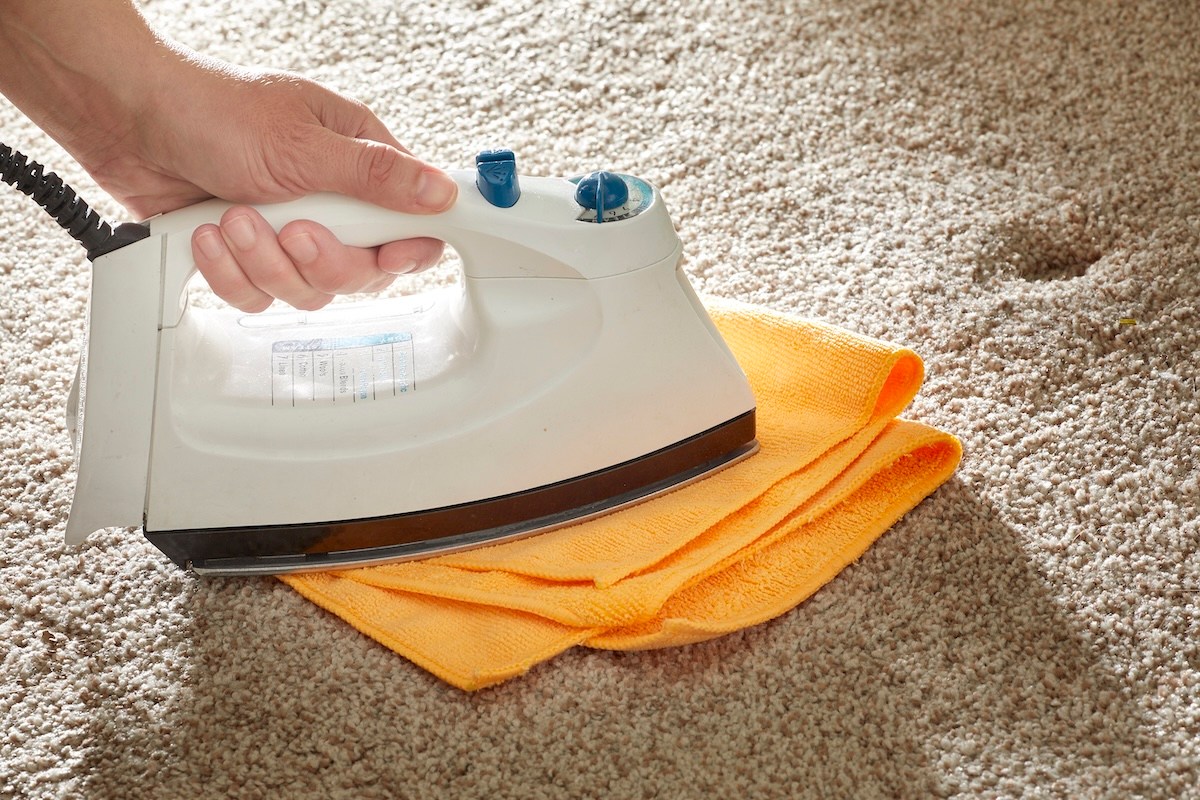
The most intensive DIY method involves the use of a household iron to inject steam directly into the carpet pile. This is often necessary for deep divots left by heavy antiques or pool tables.
- Protective Barrier: Place a damp, lint-free cotton towel or microfiber cloth over the dent. This barrier is critical; direct contact between a hot iron and synthetic carpet will cause the fibers to melt or "glaze," resulting in permanent damage.
- Steam Application: Set the iron to the "steam" setting and gently press it onto the damp cloth for 10 to 15 seconds. Move the iron in a slow, circular motion.
- Fiber Lifting: Remove the iron and cloth, then immediately use a coin or a carpet brush to fluff the pile while it is still warm and moist.
Supporting Data: The Economic Impact of Carpet Maintenance
Maintaining the aesthetic integrity of carpeting is not merely a matter of pride but a financial consideration for homeowners. According to data from the Carpet and Rug Institute (CRI), carpet accounts for approximately 51 percent of the total flooring market in the United States. The average cost of professional carpet installation ranges from $700 to $2,500 per room, depending on the material quality.
The presence of permanent furniture dents can significantly impact a property’s valuation or the return of a security deposit in a rental context. Property management firms often categorize severe, non-remediable carpet matting as "excessive wear and tear," which can lead to repair charges. By utilizing the aforementioned restoration techniques, residents can extend the functional lifespan of their flooring, which is typically estimated at five to fifteen years.
Expert Perspectives and Industry Standards
Kristopher Ayoub, General Manager of Ayoub N&H, a prominent carpet cleaning and repair firm based in Kensington, Maryland, emphasizes that the success of these methods is often dictated by the carpet’s "face weight" and fiber type. "Certain carpet fibers, such as those made from wool, are very resilient," Ayoub notes. "Others, such as polyester, may be permanently damaged if the pressure has been applied for a long duration."
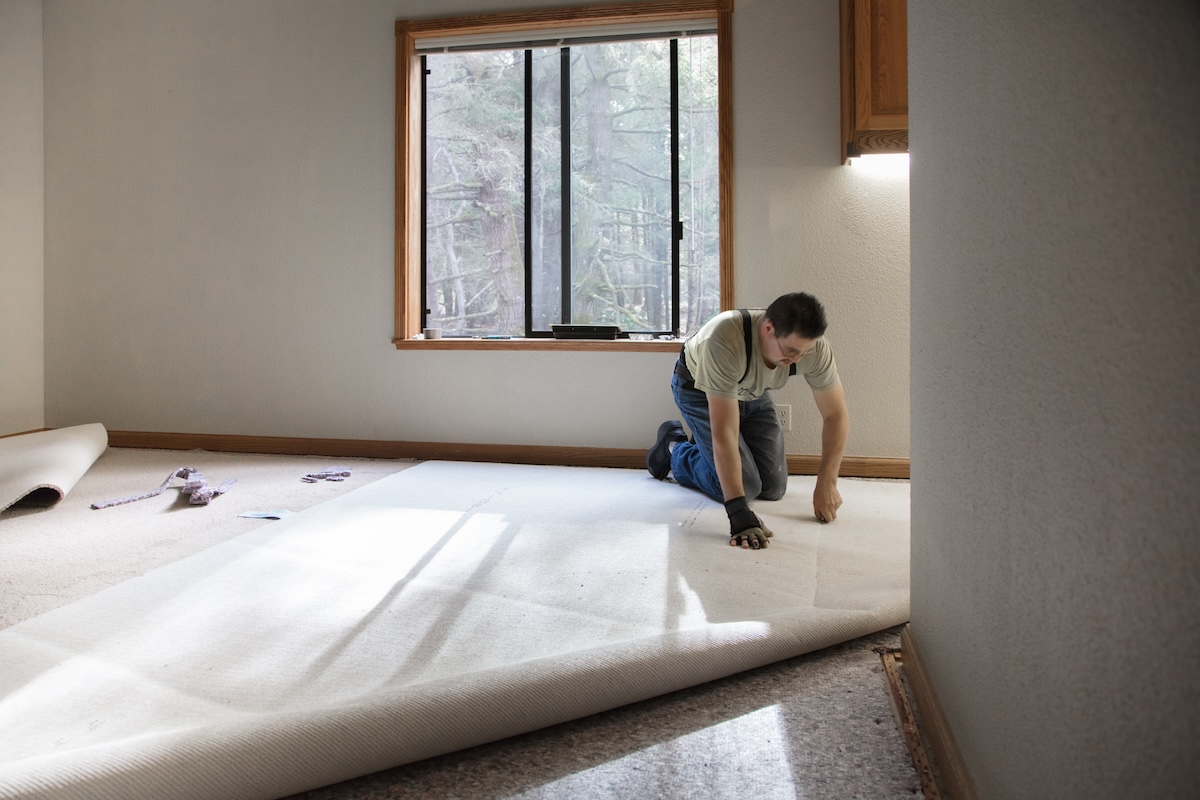
Ayoub suggests that if DIY methods fail after several attempts, it may indicate that the carpet backing has been delaminated or the padding has collapsed. In such cases, professional intervention—such as "stretching" the carpet or patching the area with a remnant—may be required.
Preventative Strategies and Long-Term Implications
To mitigate the formation of deep divots, industry experts recommend several proactive measures:
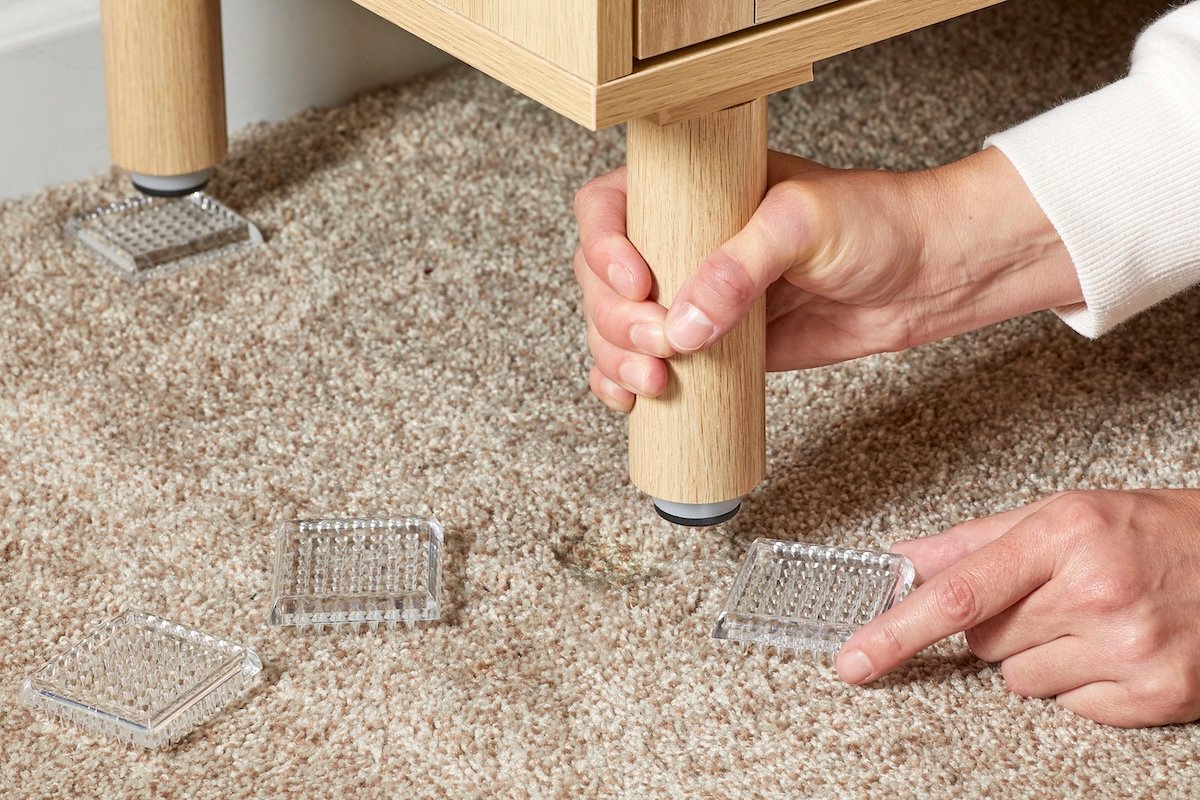
- Furniture Glides and Coasters: Utilizing wide-based furniture cups or spiked carpet protectors can distribute the weight of a heavy object over a larger surface area, reducing the PSI on localized fibers.
- Routine Rotation: Moving furniture by just two to three inches every few months prevents the compression from becoming permanent.
- High-Quality Padding: Investing in high-density carpet padding (measured in pounds per cubic foot) provides better resistance to crushing than lower-grade alternatives.
- Regular Cleaning: Professional steam cleaning (hot water extraction) every 12 to 18 months helps to re-fluff the entire carpet pile and remove abrasive soil that can weaken fibers over time.
Conclusion: The Broader Impact on Home Stewardship
The ability to successfully remove carpet dents is a vital skill in the broader context of home stewardship. Beyond the immediate visual improvement, these techniques represent a commitment to sustainable home maintenance. By restoring rather than replacing flooring, homeowners reduce the environmental impact associated with carpet manufacturing and landfill waste.
As residential design trends continue to evolve, the demand for versatile, well-maintained soft flooring remains high. Whether preparing a home for sale or simply refreshing a living space, the systematic application of moisture, heat, and mechanical agitation ensures that the "scars" of past furniture arrangements do not become permanent features of the home’s interior landscape.