admin
admin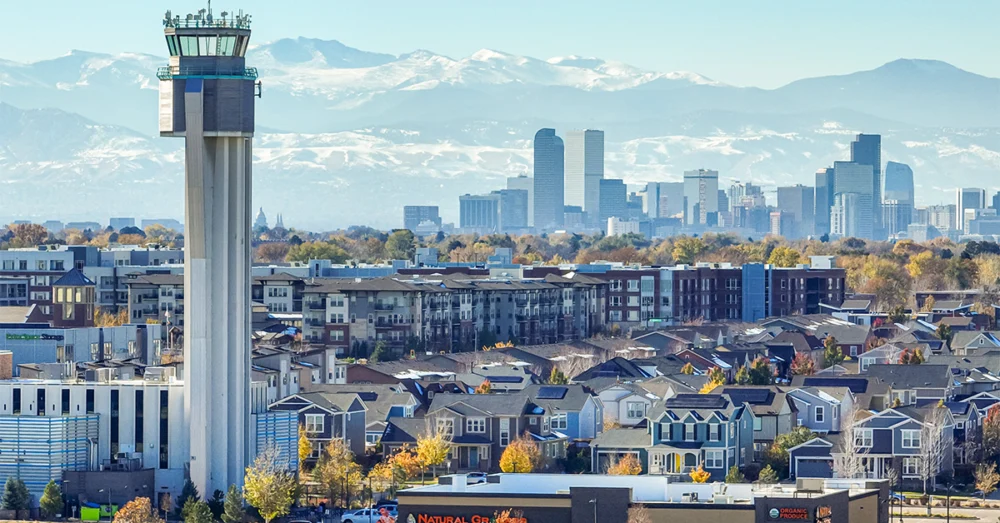
The logistics of craft brewing often rely on standardized supply chains, yet for Denver-based FlyteCo Tower, the annual production of its signature fresh hop ale remains a high-stakes gamble dictated by mountain weather and the mechanics of general aviation. Since its inception in 2019, the brewery has maintained a tradition of flying personal aircraft across the Rocky Mountains to retrieve freshly harvested hops, a process that bypasses traditional shipping methods in favor of a mission-critical "hop flight." However, the 2024-2025 harvest season served as a stark reminder of the volatility inherent in this endeavor, as persistent cloud cover and shifting weather patterns at Erie Municipal Airport forced multiple postponements, eventually grounding the flight for the first time in the company’s history.
The Logistics of the Fresh Hop Harvest
Fresh hop beers, also known as "wet hop" ales, represent a narrow seasonal window in the brewing industry. Unlike standard beers brewed with dried, pelletized hops, fresh hop ales utilize whole cones harvested and delivered to the kettle within 24 to 48 hours. Because fresh hops are approximately 75% to 80% water by weight, they are highly perishable and prone to rapid oxidation and composting if not utilized immediately.
For FlyteCo, the mission involves a 175-nautical-mile journey from Erie Municipal Airport to Billy Goat Hop Farm in Montrose, Colorado. Eric Serani, co-founder and president of FlyteCo, utilizes a Van’s Aircraft RV-10—a four-seat, single-engine kit plane—to navigate the crossing of the Continental Divide. The flight requires maintaining altitudes between 11,000 and 13,000 feet, a task that demands clear visual flight rules (VFR) and stable atmospheric conditions.
The coordination between the farm and the brewery is precise. "The harvest timing is unknown until a few weeks prior," Serani noted during the scheduling process. "The weather for the flight is unknown until the day of." While the brewery typically retrieves between 80 and 100 pounds of hops for a 15-barrel system, recent transitions to a smaller 2.5-barrel experimental system at the Tower location have reduced the required payload to approximately 20 pounds. Despite the smaller volume, the flight remains a primary brand pillar, symbolizing the brewery’s commitment to its aviation-themed identity.
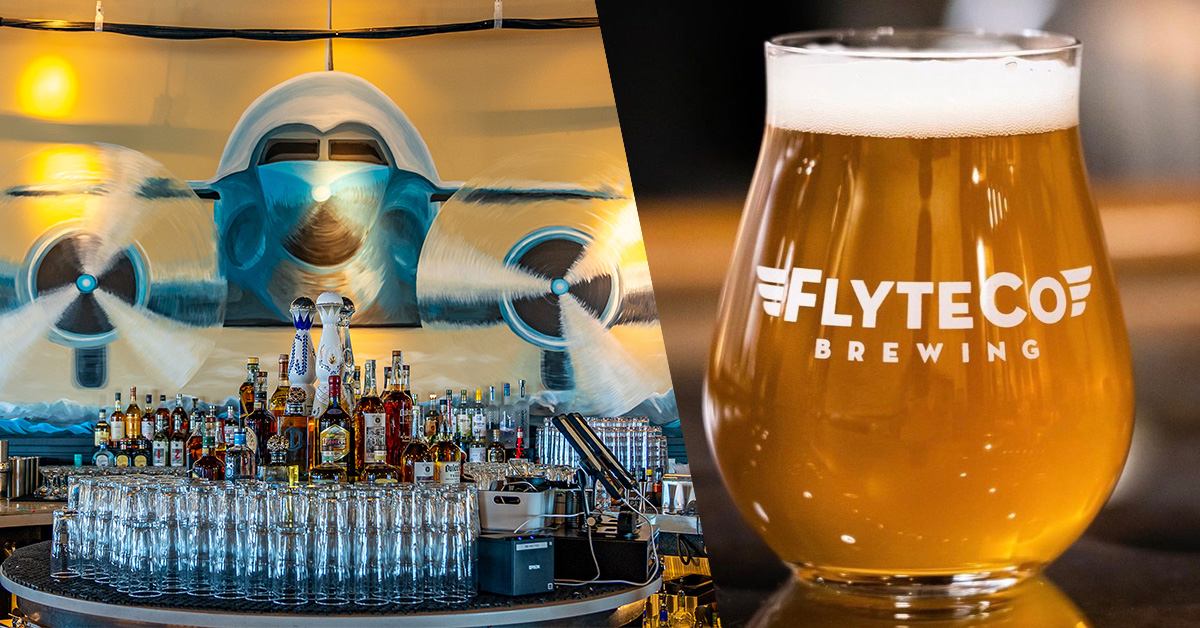
A Legacy of Colorado Aviation
The story of FlyteCo is deeply intertwined with the history of flight in the American West. Eric Serani’s involvement in aviation began at age three, influenced by his grandfather’s 1946 kit plane. By age 16, Serani had completed his first solo flight, and by 17, he was a licensed pilot. This personal history reflects a broader regional heritage; Denver has long served as a crucible for aviation innovation.
In 1910, French aviator Louis Paulhan became the first person to fly in the "Mile High City," challenging the then-prevailing theory that thin mountain air made flight impossible. This spirit of defiance continued through the mid-20th century. In 1954, Bob Stanley established the Stanley Aviation Manufacturing Plant in Aurora, Colorado, where he developed critical ejection seat technology for the burgeoning jet age.
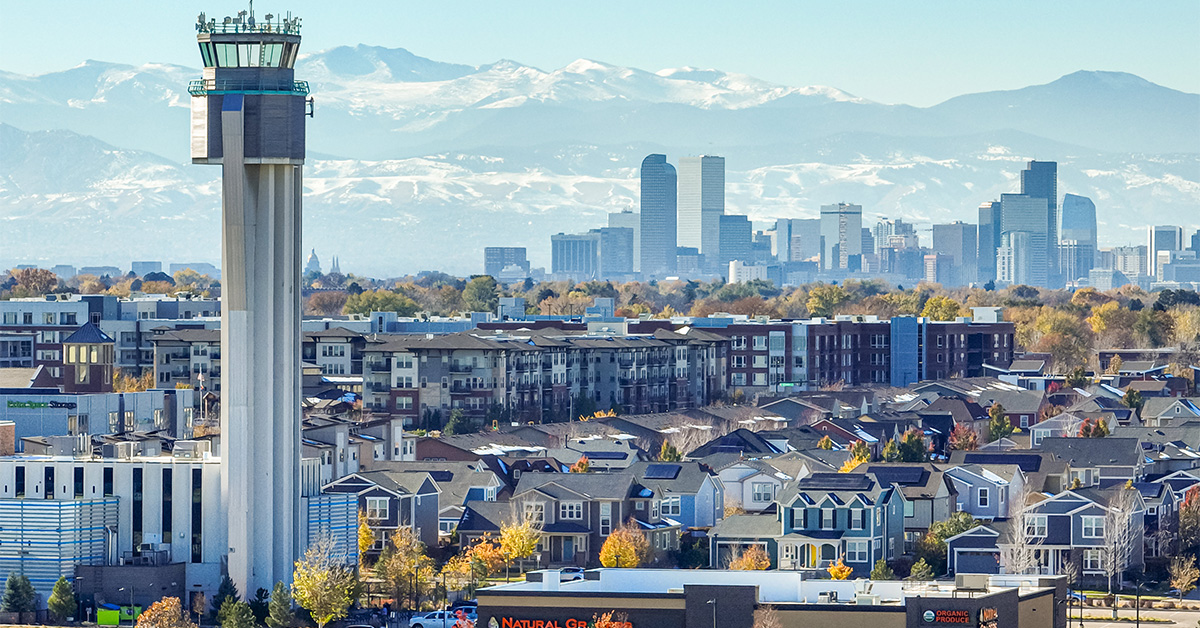
FlyteCo Tower itself occupies a piece of this living history. The brewery is located in the former air traffic control tower of Stapleton International Airport. Opened in 1929, Stapleton grew to become the third busiest airport in the United States and the sixth busiest globally by 1961. When the airport closed in 1995 to transition operations to Denver International Airport (DIA), much of the site was redeveloped into the Central Park neighborhood. The iconic 11-story control tower remained, eventually being repurposed into the multi-level entertainment and brewing complex that FlyteCo operates today.
Chronology of FlyteCo’s Growth and Operations
The development of FlyteCo follows a timeline of strategic expansion and community-focused branding:
- February 2019: FlyteCo Brewing opens its original location on Tennyson Street in Denver with a 15-barrel brewhouse. The first "Hop Is My Co-Pilot" fresh hop flight is completed in collaboration with Bruz Beers.
- 2020: An opportunity arises to occupy the vacant Stapleton air traffic control tower after the previous tenant, Punch Bowl Social, shuttered during the pandemic.
- 2022: FlyteCo Tower officially opens, featuring bowling lanes, arcade games, and a 2.5-barrel pilot brewing system.
- Spring 2025: The original Tennyson Street location closes its doors. FlyteCo shifts its flagship production to a partnership with Copper Kettle Brewing Company, allowing the Tower location to focus on experimental and seasonal releases.
- Late August 2025: For the first time since 2019, the annual fresh hop flight is canceled due to an extended period of inclement weather and the closing of the harvest window at Billy Goat Hop Farm.
Technical Challenges and Economic Realities
The decision to fly hops across the Rockies is an exercise in passion rather than fiscal efficiency. "It costs us more in fuel than it does to buy the hops," according to co-founder Morgan O’Sullivan. The "Hop Is My Co-Pilot" IPA is categorized as a "difficult beer" due to the unpredictability of the raw materials and the physical constraints of the aircraft.
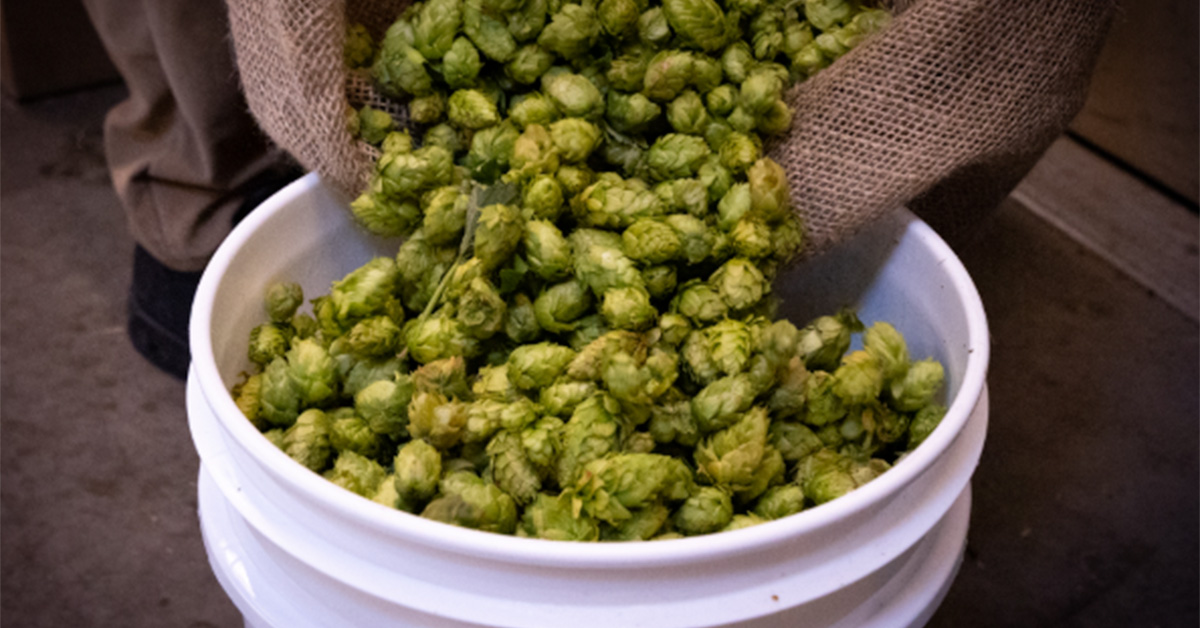
During successful years, the process involves a six-hour turnaround. While the pilot navigates the return flight, the brewing team in Denver prepares the mash. Once the aircraft lands at Erie, the hops are rushed by vehicle to the brewery. A portion of the hops is used in the kettle for bittering, while the majority is reserved for dry-hopping in the fermenter to preserve the delicate, volatile aromatics characteristic of fresh cones.
The 2025 cancellation highlights the vulnerability of this "just-in-time" manufacturing model. When weather delays pushed the flight schedule past the farm’s harvest deadline, the brewery was forced to pivot to overnight shipping for its fresh hop supply, illustrating the limitations of general aviation in a commercial context.
Community Impact and Aviation Advocacy
Beyond the production of craft beer, FlyteCo functions as an advocacy organization for the aviation industry. The company allocates 10% of its profits to aviation-fueled initiatives, including the Experimental Aircraft Association (EAA) Young Eagles program. This program provides children between the ages of eight and 17 with their first flight experiences, aiming to spark interest in aerospace careers.
Serani, who also serves as a flight instructor at Erie Municipal Airport, views the brewery as a platform for inspiration. "The entire FlyteCo brand is about aviation, about inspiring people to push their limits," Serani stated. This mission is further supported by the presence of an in-house historian, Sean Henson, who conducts tours of the 11-story tower. These tours educate the public on local milestones, such as the career of Marlon Green, who successfully fought for the right of Black pilots to fly for commercial airlines, and Emily Howell Warner, the first woman hired by a scheduled U.S. airline.
Analysis of Market Position and Future Outlook
The transition of FlyteCo’s primary production to a contract brewing model with Copper Kettle Brewing Company reflects a broader trend in the craft beer industry. As the market reaches saturation, many breweries are moving away from capital-intensive large-scale manufacturing in favor of "experiential" taprooms. By utilizing the historic Stapleton tower as a community hub—offering mini-golf, axe throwing, and educational tours—FlyteCo has insulated itself from the volatility of the wholesale beer market.
The failure of the 2025 hop flight, while a logistical setback, reinforces the "ephemeral" nature of fresh hop brewing that many enthusiasts value. The scarcity of the product, combined with the genuine risk involved in its procurement, creates a narrative that resonates with consumers seeking authenticity.
Looking forward to the 2026 season, the FlyteCo team remains committed to the aerial harvest. The integration of aviation heritage into the brewing process serves as more than a marketing gimmick; it is a foundational element of the company’s corporate structure and community outreach. As the brewery continues to curate its museum-like atmosphere within the Stapleton tower, it maintains its role as a steward of Denver’s aerospace legacy, ensuring that the history of the Mile High City’s skies remains accessible to the next generation of pilots and craft beer enthusiasts alike.