admin
admin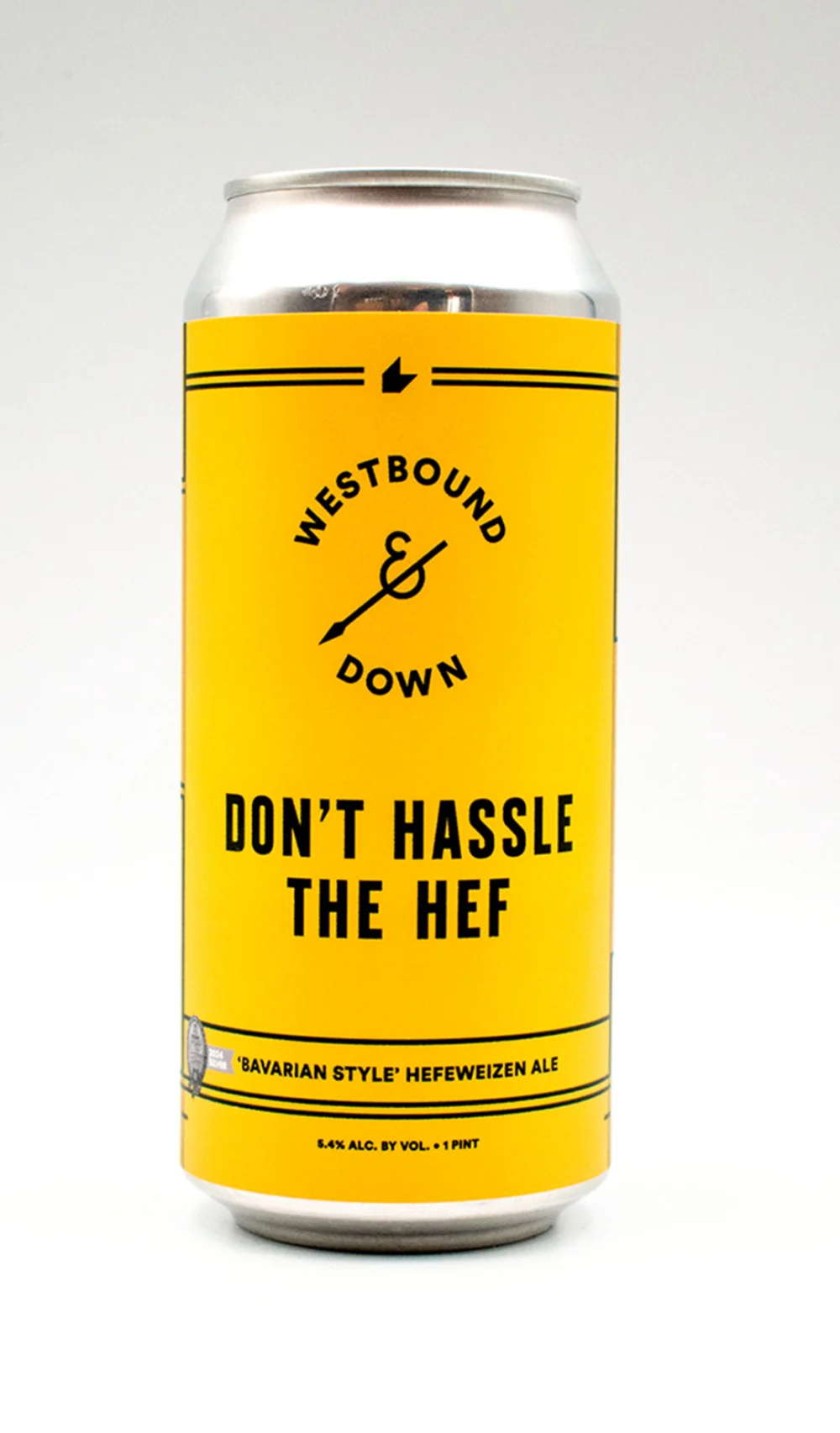
When DankHouse Brewing received an invitation to showcase its portfolio at the Juicy Brews IPA festival in early 2020, the Newark, Ohio-based brewery faced a significant production dilemma regarding its flagship hazy IPA, Banana Peel’d. Co-founder Josh Lange, who established the brewery in 2017 alongside his wife, Heather, sought to present a version of the beer that maximized its namesake flavor profile. However, just days before the Pittsburgh-bound shipment was due, the couple found the existing banana character insufficient. The subsequent scramble to rectify the flavor profile—a journey that led them from failed experiments with dried chips and oxidized purees to a "scooping party" involving dozens of jars of Gerber banana baby food—highlights a broader, more complex movement within the American craft beer industry. The use of bananas in brewing has transitioned from a byproduct of traditional German yeast strains to a high-stakes pursuit involving international logistics, federal regulatory changes, and sophisticated chemical engineering.
Regulatory Shifts and the Standardization of Fruit in Brewing
For much of the modern craft brewing era, the use of bananas was categorized by federal regulators as a non-traditional practice. Until late 2023, the Alcohol and Tobacco Tax and Trade Bureau (TTB) required breweries to submit formal "formula exemptions" if they intended to brew with bananas. Under previous interpretations of the Internal Revenue Code, bananas were not listed alongside "traditional" ingredients like malts, hops, and certain spices. This administrative hurdle often delayed product launches and added a layer of bureaucratic complexity to experimental brewing.
However, the TTB recently expanded its list of ingredients exempt from formula requirements, acknowledging that fruits like bananas have become staples in the American craft repertoire. This regulatory easing coincides with a surge in consumer demand for "pastry stouts," "smoothie sours," and fruit-forward IPAs. The removal of these barriers has allowed smaller operations, such as DankHouse, to iterate more quickly on recipes that utilize fruit purees and adjuncts, reflecting a maturing market where fruit is no longer viewed as an outlier but as a core component of the brewing toolkit.
The Isoamyl Acetate Paradox: From Gros Michel to Modern Esters
The distinctive aroma of banana in beer is primarily the result of isoamyl acetate, a fruity ester produced during fermentation. To understand the consumer’s perception of this flavor, one must look toward agricultural history. A century ago, the dominant banana cultivar in the global market was the Gros Michel, or "Big Mike." This variety was rich in isoamyl acetate, providing a potent, concentrated flavor that defined the "banana" profile for generations. When a fungal outbreak, known as Panama disease, decimated the Gros Michel population in the 1950s, the industry pivoted to the Cavendish banana.
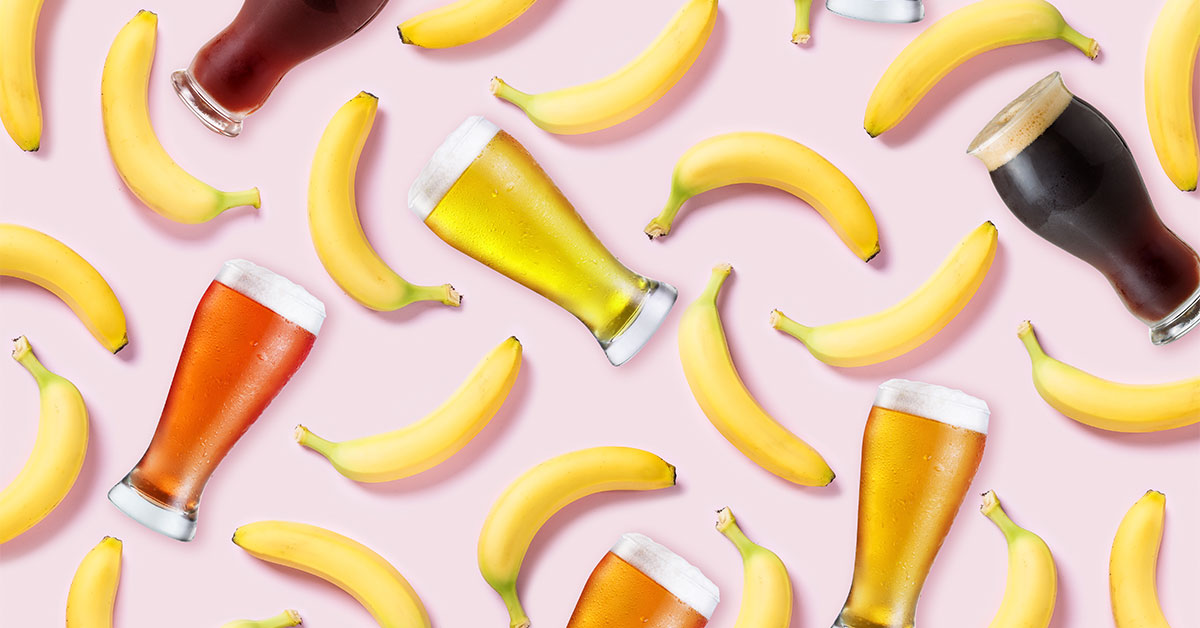
The Cavendish, while more resistant to disease, contains significantly lower levels of isoamyl acetate. This biological shift created a sensory disconnect: while fresh bananas today have a milder scent, artificial flavorings used in candies like Runts or Laffy Taffy continue to mimic the high-ester profile of the extinct Gros Michel. In the brewing world, this means that a beer smelling "exactly like a banana" often smells more like a candy than the fruit currently found in grocery stores. Brewers must decide whether to pursue the subtle, creamy profile of the Cavendish or the nostalgic, ester-heavy punch of the Gros Michel—a feat usually achieved through yeast manipulation rather than the fruit itself.
Mastering the Hefeweizen: Yeast Management and Fermentation Stress
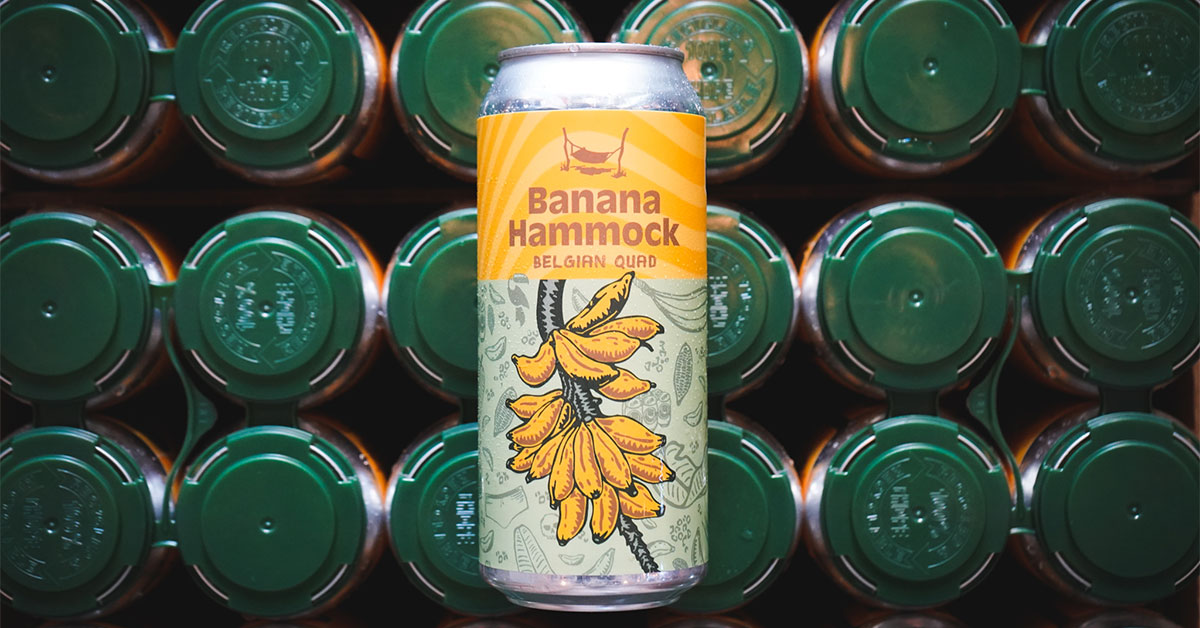
In traditional brewing, specifically within the German Hefeweizen style, the banana profile is a result of biological "stress" rather than the addition of physical fruit. At Westbound & Down Brewing in Colorado, head brewer Derek Goodman produces "Don’t Hassle the Hef," a beer that earned a silver medal at the 2024 Great American Beer Festival. Goodman achieves the beer’s signature banana and orange notes by intentionally under-pitching yeast—using only about one-third of the standard recommended amount—and restricting oxygen.
"There’s too much wort for the yeast, but it gets greedy and tries to rapidly reproduce to catch up and make up for its lack of oxygen," Goodman explains. This metabolic struggle triggers the production of esters. This technique requires a delicate balance; while isoamyl acetate is a desirable trait in a Hefeweizen, it is considered an "off-flavor" in many other styles, such as light lagers, where it indicates a flaw in the fermentation temperature or yeast health.
Data from yeast suppliers suggests a resurgence in this traditional style. Jeff Mello, founder of Nashville-based Bootleg Biology and Spot Yeast, reports that Hefeweizen strains are currently his second best-selling products, trailing only the ubiquitous hazy IPA yeasts. This trend suggests that while "smoothie" beers are popular, there is a parallel movement toward mastering the classic chemistry of ester production.
The Rise of the Pastry Stout and the "Cheetos Dilemma"
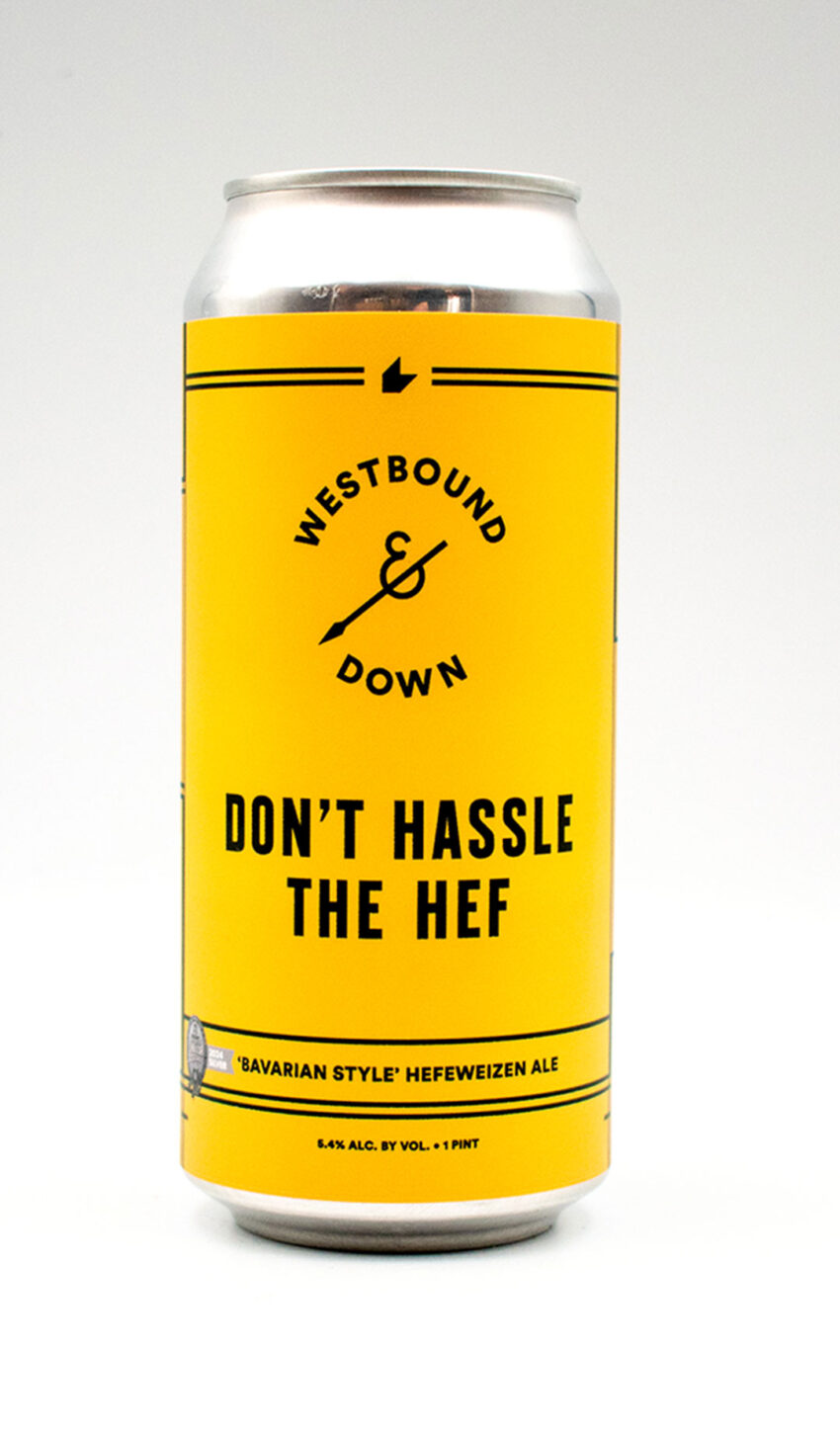
While Hefeweizens rely on yeast, the "pastry stout" movement relies on bulk volume. Breweries like WeldWerks Brewing in Greeley, Colorado, and Crooked Hammock Brewery in Delaware have pushed the boundaries of fruit integration. Larry Horwitz, director of brewing operations at Crooked Hammock, utilizes banana purees in the production of "Banana Hammock," a 15% ABV Belgian-style quadrupel.
Horwitz identifies a specific challenge known as the "Cheetos dilemma" in fermentation. When yeast is presented with the simple sugars found in fruit purees alongside the complex sugars of the beer wort, it may become "lazy," opting for the easily digestible fruit sugars and failing to complete the fermentation of the base beer. To avoid this, brewers often add fruit after the primary fermentation has finished. This ensures the yeast has already done the "heavy lifting" of alcohol production before it is introduced to the "junk food" of the fruit puree.
Furthermore, the physical properties of banana present unique filtration challenges. Nick Panchamé, president of HOMES Brewery in Michigan, notes that banana puree adds significant residual sweetness and body, but can also lead to issues with sulfur production if not managed correctly. The resulting "thick" texture of these beers has created a niche market—the "smoothie beer"—which, while divisive among purists, represents one of the fastest-growing segments in the craft industry.
The "Grand Cru" of Bananas: Wild Thai Imports and Economic Realities
For elite, barrel-aged stouts, some brewers have moved away from purees in favor of a premium alternative: the wild Thai banana. Often referred to by importers as the "Grand Cru of bananas," these fructose-rich, dried fruits offer a concentrated flavor without the water content or "sludge" associated with purees. Rodrick Markus, CEO of Rare Tea Cellar in Chicago, began importing these bananas over a decade ago, primarily for the culinary industry. However, around 2019, craft breweries like Other Half and Evil Twin began purchasing them by the ton.
The use of these bananas is a high-cost endeavor. Matt Tarpey, co-founder of The Veil Brewing in Richmond, Virginia, utilizes wild Thai bananas for his imperial stouts, such as Sky Summoner. According to Tarpey, achieving a "crazy banana character" requires upwards of 10 pounds of dried fruit per barrel. At prices often exceeding $50 per pound—compounded by a 35% tariff on Thai imports—the raw material cost alone can make these beers prohibitively expensive to produce.
"We’re not losing money on them, but they’re not a huge moneymaker for us," Tarpey says, describing the process as a "labor of love." This highlights a significant economic trend in craft brewing: the production of "prestige" beers that serve more as marketing tools and demonstrations of craft than as high-margin commodities.
Broader Impact and Industry Implications
The diversification of banana-infused beers reflects a broader maturation of the craft beer consumer. The market has moved beyond the binary of "bitter" or "light," moving toward a culinary-inspired landscape where complex esters and high-end tropical imports are valued. The TTB’s decision to modernize its ingredient list is a lagging indicator of this reality, finally aligning federal law with a decade of brewing innovation.
As the industry moves forward, the "banana moment" serves as a case study in how brewers navigate the intersection of history, chemistry, and global trade. Whether it is a small-town brewery in Ohio using baby food to save a festival launch or a high-end Virginia operation absorbing international tariffs to source the perfect dried fruit, the goal remains the same: capturing a flavor profile that is as elusive as it is iconic. The continued popularity of these beers, despite the technical and financial hurdles, suggests that the tropical ester—whether naturally stressed from yeast or imported from the forests of Southeast Asia—will remain a cornerstone of the American craft identity for the foreseeable future.