admin
admin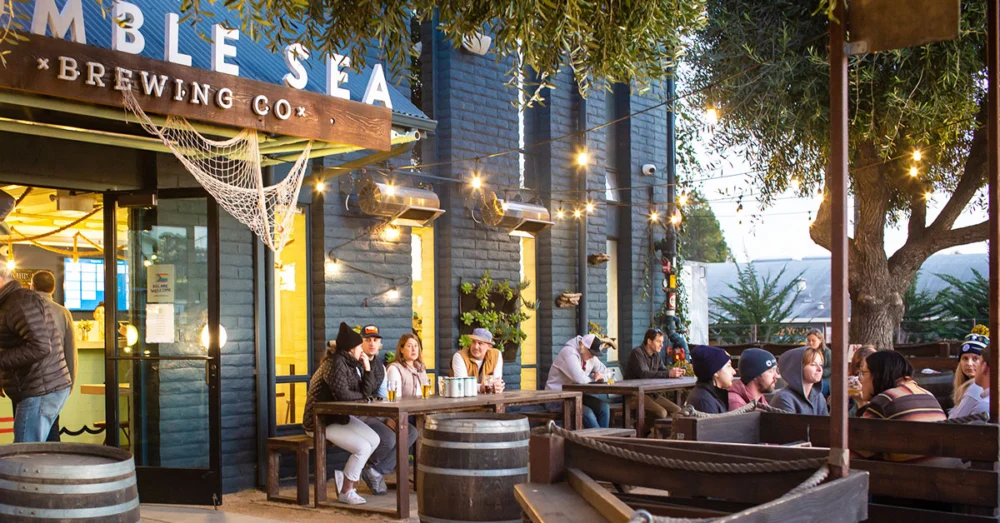
The American craft brewing industry, once defined by a rapid explosion of experimental styles and a "more is better" approach to SKU expansion, has entered a period of calculated maturation. As the market nears a saturation point and consumer habits shift toward a blend of nostalgia and health-consciousness, breweries like Oregon’s Sunriver Brewing and California’s Humble Sea are redefining what it means to balance artistic passion with commercial viability. This evolution reflects a broader trend within the United States craft beer sector, where the survival of independent breweries now depends on a sophisticated understanding of regional demographics, distribution channels, and the enduring power of the "flagship" brand.
The Foundation of Local Identity: 2014–2015
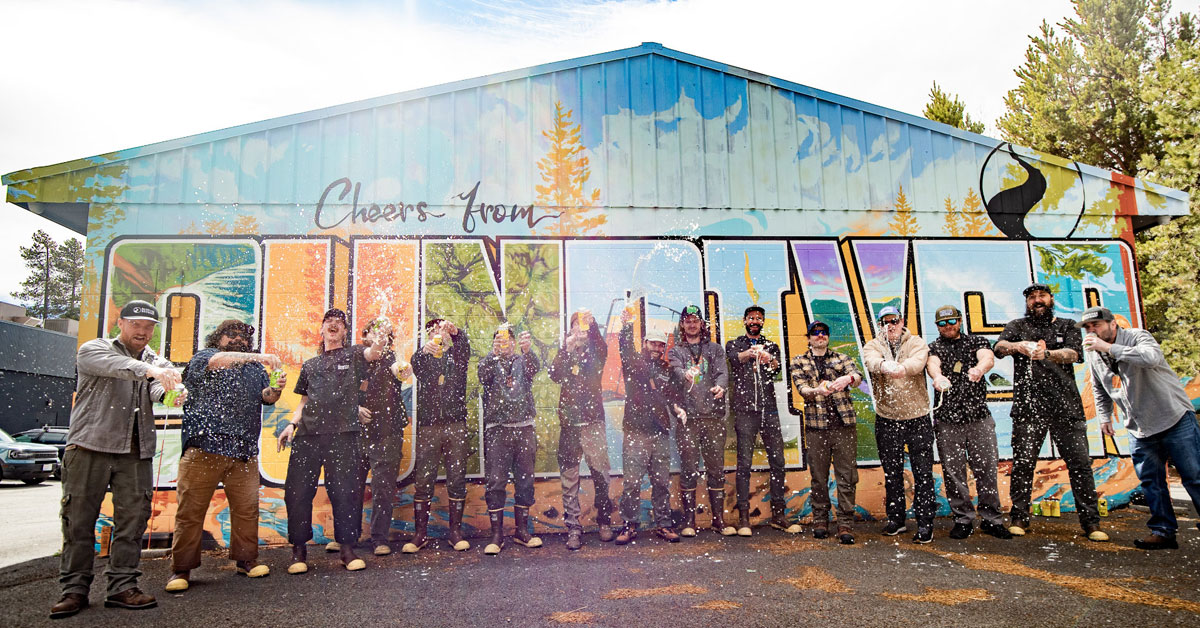
The mid-2010s represented a pivotal era for craft beer, characterized by a transition from traditional European-style ales to a more aggressive, hop-forward American identity. In 2014, Sunriver Brewing launched in Sunriver, Oregon, with a business model rooted in the "transient tourist" economy. The geography of Sunriver—a resort community with a permanent population of roughly 2,000 that swells to 15,000 during peak weekends—dictated a conservative initial portfolio. Head brewer Brett Thomas notes that the brewery’s early identity was strictly pub-oriented, focusing on "safe" styles: blonde ales, pale ales, amber ales, and stouts. These were designed to appeal to visitors seeking a recognizable craft experience rather than those looking to push the boundaries of their palate.
A year later, in 2015, Humble Sea Brewing Co. launched in Santa Cruz, California, with a vastly different ideological starting point. Founded by Frank Scott Krueger and his partners, the brewery was born out of a passion for lagers—a category that, at the time, was often overlooked by craft enthusiasts in favor of high-ABV (alcohol by volume) West Coast IPAs. However, the commercial reality of 2015 California did not align with a lager-first strategy. To maintain financial stability, Humble Sea underwent its first major pivot, leaning into the burgeoning "foggy" or Hazy IPA trend. This shift proved instrumental; while the founders’ hearts remained with pilsners and lagers, it was the hop-forward, turbid IPAs that provided the necessary revenue to "keep the lights on" and eventually established the brand’s national reputation.
The Era of the Pivot: From Passion to Market Reality
The trajectory of these two breweries illustrates the inherent tension between a brewer’s creative desires and the consumer’s willingness to pay. For Humble Sea, the move toward IPAs was a tactical necessity. In the mid-2010s, the "New England IPA" (NEIPA) style was revolutionizing the industry, offering a fruitier, less bitter alternative to the piney IPAs of the previous decade. By mastering this style, Humble Sea captured the "beer nerd" demographic—consumers who utilize apps like Untappd to track rare releases and are willing to travel long distances for specific can drops.
As the brewery grew, it reached a level of consumer trust that allowed it to reintroduce its original passion. Today, Humble Sea has successfully integrated lagers back into its core identity, with the style now accounting for 30% of its production. This transition was not merely a return to form but a response to a maturing market where drinkers are increasingly seeking lower-ABV, high-drinkability options.
Sunriver Brewing followed a similar path of diversification but focused on broadening its "crowd" rather than just its style. Recognizing that not every visitor to their taprooms identifies as a craft beer drinker, the brewery expanded into the "fourth category"—non-beer alcoholic beverages. Brett Thomas admits that the decision to produce hard seltzers was one he would have dismissed just years prior. Yet, the inclusion of seltzers and the development of the "Coolwater" American light lager allowed Sunriver to capture a wider demographic, ranging from the casual tourist to the "high-end" enthusiast interested in their barrel-aged and wild ale series.
Data and Context: The Changing Landscape of Craft Beer
The shifts observed at Sunriver and Humble Sea are mirrored in national data provided by the Brewers Association (BA). According to the BA’s 2023 industry report, the craft brewing industry has seen a stabilization in growth after years of double-digit increases. In a "mature" market, the competition for tap handles and shelf space has intensified.
| Market Factor | 2014–2016 Trend | 2022–2024 Trend |
|---|---|---|
| Primary Style | West Coast IPA / Hazy IPA | Hazy IPA / Premium Lager / Seltzer |
| Consumer Behavior | Novelty-seeking / "Ticker" culture | Brand loyalty / Sessionability |
| Distribution | Rapid expansion to new states | Regional density / Taproom-focused |
| SKU Management | High rotation / Constant newness | Focus on core "Flagship" brands |
The 2020 COVID-19 pandemic served as a catalyst for these strategic shifts. Before the pandemic, many breweries relied heavily on high-margin "own-premise" sales through their taprooms. When lockdowns forced these spaces to close, breweries were forced to pivot to canning and wholesale distribution. This exposed the vulnerabilities of being "all in" on a single sales channel. Sunriver’s Thomas highlights the complexity of this multi-channel approach, noting that wholesalers, tavern owners, and pub operators often have competing agendas. A wholesaler may prioritize a high-volume flagship, while a taproom manager may want a constant rotation of experimental "one-offs" to keep local regulars engaged.
Regional Micro-Climates and Taproom Strategy
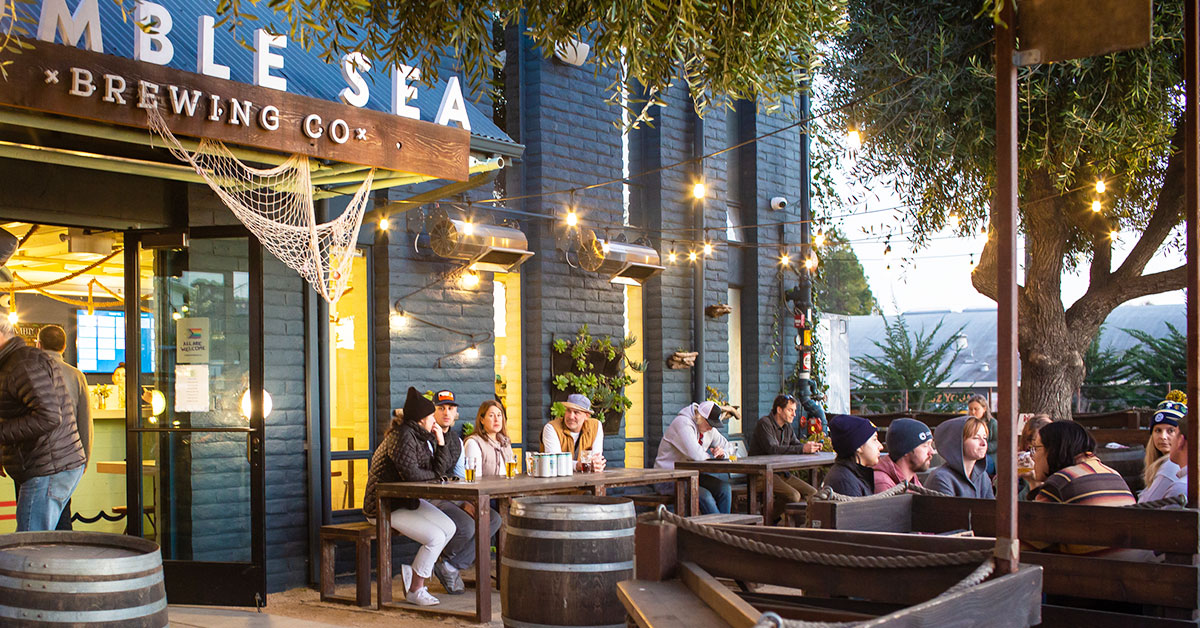
One of the most sophisticated developments in the modern craft era is the tailoring of beer menus to specific geographic micro-climates. Humble Sea has perfected this "localized" approach across its multiple California locations. According to Scott Krueger, the brewery’s Pacifica location remains a stronghold for West Coast IPAs, while the Santa Cruz taproom sees a much higher demand for pilsners and lagers. Meanwhile, their Alameda location attracts a more specialized "beer nerd" crowd that gravitates toward high-gravity offerings like triple and quad IPAs.
This data-driven approach to inventory management allows breweries to reduce waste and maximize "velocity"—the speed at which a product moves off the shelf or through a tap line. By treating each taproom as a unique ecosystem rather than a carbon copy of the main brewery, companies can maintain a diverse portfolio without the risk of over-producing styles that do not resonate with a specific local audience.
The Return of the Flagship and the Power of Nostalgia
Perhaps the most significant shift in recent years is the industry’s return to the "flagship" brand. For a decade, the craft beer world was obsessed with "discovery"—the idea that the best beer was always the one the consumer hadn’t tried yet. This led many breweries to abandon core brands in favor of a "constant novelty" model. However, as beer writer Jeff Alworth has noted, "release fatigue" has set in. Consumers are increasingly looking for reliability and familiarity.
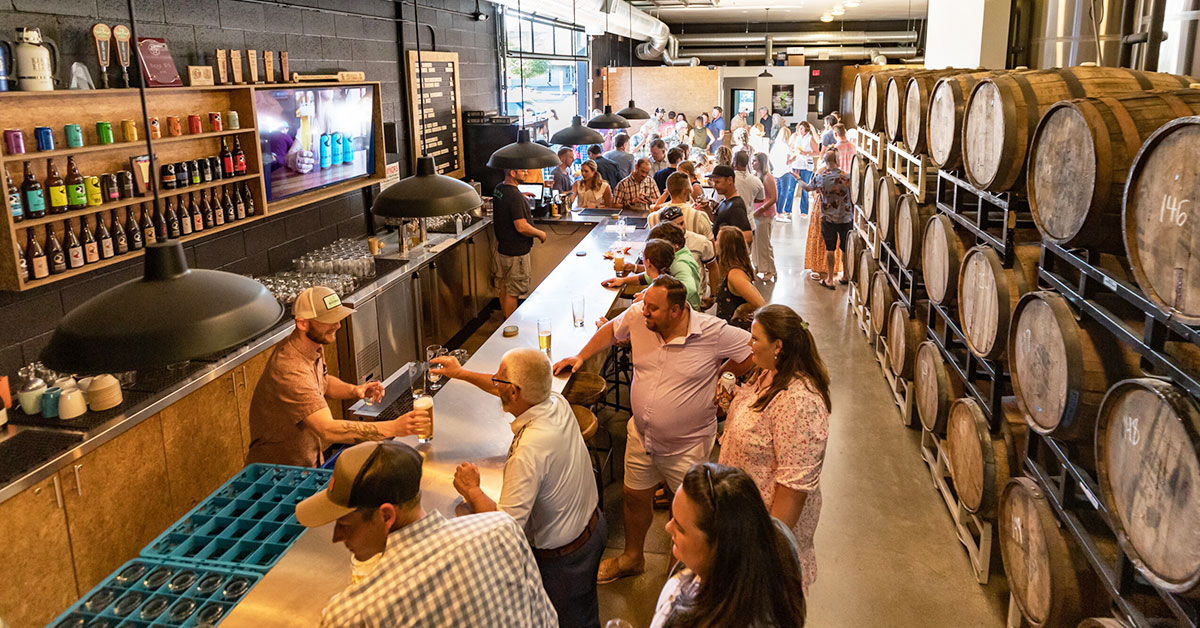
For Sunriver, that reliability is found in "Vicious Mosquito," a flagship IPA that built the brand’s reputation. Thomas credits wholesalers with recognizing the beer’s potential early on and "exploiting" its success to build a stable foundation for the brewery. Similarly, Humble Sea, which never intended to be a flagship-focused brewery, saw its "Socks & Sandals" Foggy IPA become a cultural staple for its fans.
The resurgence of flagships is partly driven by nostalgia and partly by economic pragmatism. In an inflationary environment, consumers are less likely to gamble $20 on a four-pack of an experimental style they might not like. Instead, they are returning to "old faithful" brands that guarantee a specific quality and flavor profile. This "back to basics" movement is also seen in the rise of craft lagers, which require higher technical proficiency to brew and offer a cleaner, more traditional drinking experience.
Broader Impact and Industry Implications
The stories of Sunriver and Humble Sea serve as a blueprint for the "Second Act" of American craft brewing. The industry is no longer in a phase of unchecked expansion; it is in a phase of refinement. The implications of this shift are manifold:
- Operational Efficiency: Breweries are focusing on "core" brands to streamline raw material purchasing and production schedules, reducing the overhead costs associated with constant recipe development.
- Market Consolidation: As wholesalers become more selective, breweries without a strong flagship or a clear regional identity may find themselves squeezed out of the retail market.
- Consumer Sophistication: The "average" craft drinker is now more educated about styles. The demand for lagers and seltzers indicates a move toward "occasion-based" drinking—where the beer is an accompaniment to social activity rather than the sole focus of it.
- Resilience through Diversity: By balancing wholesale distribution with direct-to-consumer taproom sales, and by offering a range of beverages from seltzers to barrel-aged stouts, breweries are building a "buffer" against future market shocks.
In conclusion, the success of Sunriver Brewing and Humble Sea is not a result of sticking to an original plan, but rather their ability to listen to the market and adapt without losing their brand identity. Whether it is Sunriver embracing seltzer to serve a tourist crowd or Humble Sea using IPAs to fund their pilsner passion, the modern brewery must be a hybrid of an artisanal workshop and a data-driven enterprise. As the industry continues to evolve, the breweries that survive will be those that can find the "sweet spot" between the cutting edge of innovation and the comforting reliability of a well-crafted flagship.