admin
admin
For generations, siding has often been relegated to a utilitarian role, serving primarily as a protective wrapper for a home’s exterior envelope. Its function was paramount, its aesthetic contribution often an afterthought, limited to basic color and texture choices. However, a transformative shift is underway in architectural design, where every element, including cladding, is recognized for its profound potential to elevate a project. This paradigm shift is embodied by innovations such as Hardie® Artisan® Siding, a premium fiber cement collection by James Hardie™, meticulously engineered to treat siding not merely as a protective layer but as a distinctive, integral aspect of the architectural vision. This collection pushes the boundaries of exterior design, focusing on subtle yet impactful details from the rhythmic arrangement of boards to the nuanced depth of a reveal and the sophisticated resolution of corners.
The Evolution of Exterior Cladding: From Protection to Panache
Historically, exterior cladding materials like wood, brick, and stone were chosen for their availability, durability, and insulative properties. Wood, in its various forms (clapboard, shingle, log), offered natural beauty but came with inherent challenges: susceptibility to rot, pest infestation, high maintenance demands, and significant vulnerability to fire. The mid-20th century saw the rise of synthetic alternatives like aluminum and vinyl siding, which addressed some of wood’s maintenance issues but often at the expense of authentic texture, substantiality, and architectural integrity. These materials frequently presented a flat, artificial appearance, leading to a perception of siding as merely a functional covering rather than a design opportunity.
The late 20th and early 21st centuries ushered in a demand for materials that combined the aesthetic appeal of traditional options with superior performance and reduced environmental impact. This context provided fertile ground for the widespread adoption and innovation in fiber cement technology. Fiber cement, a composite material typically made from cement, sand, and cellulose fibers, emerged as a robust alternative, offering exceptional durability, resistance to pests and moisture, and a high degree of fire resistance. Its ability to mimic the look of various traditional materials, from wood to stucco, without their inherent drawbacks, positioned it as a game-changer in the building industry.
James Hardie’s Legacy of Innovation in Fiber Cement Technology
James Hardie, a name synonymous with fiber cement, has been at the forefront of this material revolution for decades. Founded in Australia in 1888, the company initially focused on various building products before pioneering and perfecting fiber cement technology in the 1980s. Their commitment to research and development has consistently yielded products that not only meet but often exceed industry standards for performance, aesthetics, and longevity. The introduction of Hardie Artisan Siding represents a significant leap in this trajectory, signaling a dedication to architectural refinement and a recognition that the exterior of a home deserves the same thoughtful design consideration as its interior. It reflects an understanding that true curb appeal extends beyond color and superficial texture to encompass the very structural integrity and visual rhythm of the cladding itself.
Hardie Artisan Siding: A Deeper Dive into Design Excellence
The defining characteristic of Hardie Artisan Siding, while seemingly simple, is profoundly impactful: its extra-thick boards. Unlike conventional siding products that often feature thicknesses of 1/2 inch or less, each Hardie Artisan board boasts a substantial five-eighths of an inch (0.625 inches). This seemingly minor increase in dimension unlocks a wealth of architectural possibilities, providing an aesthetic depth that distinguishes it from its thinner counterparts.
-
The Impact of Substantial Thickness: Crafting Dynamic Shadow Lines
The augmented thickness of Hardie Artisan Siding is directly responsible for producing deep, crisp shadow lines across a facade. As sunlight traverses the sky throughout the day, these pronounced lines sharpen and soften, continuously altering the perception of the exterior. In the bright midday sun, the shadows might appear stark and defined, emphasizing the architectural geometry. During dawn or dusk, or under diffused light, they soften, lending a more subtle, sculptural quality to the home. This dynamic interplay of light and shadow imbues the facade with an ever-changing sense of depth, preventing it from appearing flat or one-dimensional. This effect is akin to the rich texture achieved with traditional milled wood siding but without the associated maintenance burden, offering the warmth and character of natural timber with the resilience of fiber cement. This feature is particularly valued by architects and designers seeking to create facades that possess inherent visual interest and sophistication, where the material itself contributes significantly to the overall aesthetic narrative.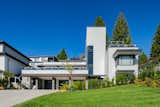
-
Seamless Aesthetics: The Art of Mitered Corners
One of the perennial challenges in exterior cladding design has been the resolution of corners. Traditional methods often involve the application of corner trim boards, which, while functional, can introduce unwanted visual noise, interrupting the clean lines of the design and sometimes appearing bulky or anachronistic. Hardie Artisan Siding’s substantial thickness provides an elegant solution to this design dilemma. The boards are robust enough to be mitered on-site, allowing them to wrap cleanly around the built form. This technique creates a seamless, continuous architectural expression, making the siding appear as if it is a solid, integral part of the structure rather than merely an applied surface. This level of detail elevates the entire aesthetic, lending a sense of bespoke craftsmanship and modern precision that is typically associated with high-end custom builds. The absence of visible corner boards streamlines the facade, enhancing the visual flow and integrity of the design. -
A Spectrum of Profiles: Tailoring Architectural Expression
The profile of siding is a critical determinant of a building’s character, influencing everything from its perceived scale to its stylistic adherence. The Hardie Artisan Siding collection offers a versatile range of profiles, each designed to create a distinct degree of shadow and stylistic expression:- Lap Siding: This classic profile creates overlapping horizontal lines, a timeless choice that evokes traditional American architecture while benefiting from modern material performance.
- V-Groove: Introducing a finer linear detail, the V-groove profile creates subtle, elegant shadow lines that are often favored in contemporary or mid-century modern designs, adding a refined sense of order and precision.
- Shiplap: Referencing a more traditional siding language, shiplap provides clean, overlapping joints that offer a rustic yet sophisticated aesthetic. It creates distinct horizontal emphasis with a strong, clean line.
- Square Channel: For those seeking a bolder, more contemporary statement, the square channel profile makes the joint between boards pronounced and graphic. This creates distinct, deep shadow lines that define each board individually, lending a modern, almost industrial precision to the facade.
This array of profiles empowers architects and homeowners to tailor the siding’s appearance to specific design intentions, whether aiming for a traditional farmhouse charm, a sleek minimalist modernism, or something uniquely customized.
-
Strategic Orientation and Color Palette: Defining Form and Mood
Beyond profile, the orientation of the siding boards offers another powerful tool for architectural expression. Hardie Artisan boards can be installed horizontally, vertically, or even extend overhead as a soffit.- Orientation: Horizontal application typically emphasizes the breadth and stability of a structure, creating a sense of groundedness. Vertical application, conversely, can make a building appear taller and more slender, drawing the eye upwards. Combining both orientations on a single facade can be used to articulate different architectural volumes or delineate distinct sections of the home, creating a dynamic visual interplay. Extending the siding to the soffit unifies the exterior, visually linking the walls to the roofline and enhancing the sense of architectural cohesion, particularly in contemporary designs with expansive overhangs.
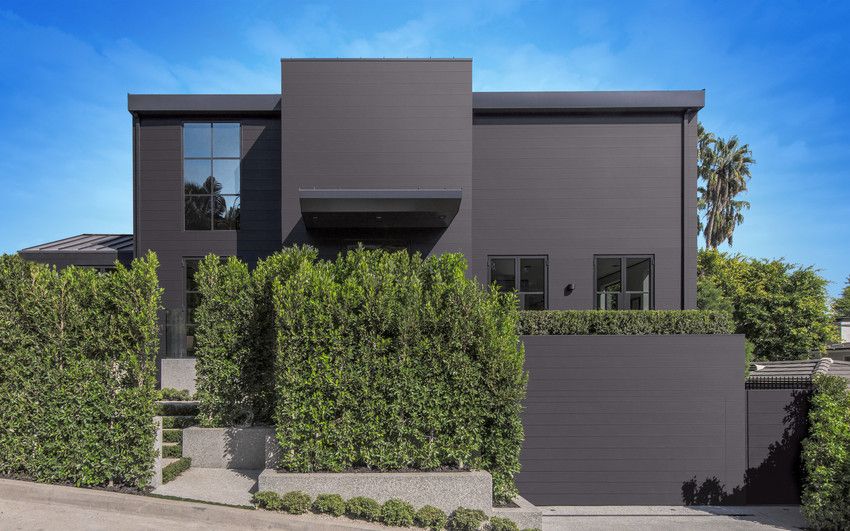
- Color: The chosen color palette adds yet another layer of character and perception. Hardie Artisan Siding boards are delivered smooth and primed, providing an ideal canvas for a wide range of paint colors. Pale tones, such as whites, light grays, or creams, bring the deep shadow lines into sharper relief, emphasizing the texture and dimensionality of the boards. This can make a home appear brighter, more expansive, and highlight the intricate details of the cladding. Conversely, darker hues, such as charcoal, deep blues, or rich browns, give the exterior a solid, monolithic quality. These colors absorb more light, making the shadows less stark but still present, contributing to a sense of gravitas, sophistication, and a sculptural presence for the building. The primed surface ensures optimal paint adhesion and a long-lasting finish, allowing rich colors to further define a home’s architectural volumes and stylistic intent.
Engineered for Enduring Performance: Beyond Beauty
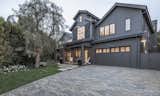
While the aesthetic capabilities of Hardie Artisan Siding are undeniable, its true value proposition lies equally in its engineering for long-term resilience and performance. As the outermost layer of a home, siding bears the brunt of environmental challenges, making durability a non-negotiable attribute.
-
Unrivaled Durability: Confronting Environmental Challenges
Hardie Artisan Siding, made from durable fiber cement, is meticulously engineered to withstand a multitude of environmental stressors. Its inherent composition makes it highly resistant to moisture, preventing common issues associated with wood, such as rot, swelling, cracking, and the growth of mold and mildew. This resistance is crucial in regions with high humidity or frequent rainfall. Furthermore, fiber cement is impervious to pests like termites and other wood-boring insects, eliminating the need for chemical treatments and the costly damage they inflict on traditional wood siding. The material also exhibits excellent impact resistance, standing up to hail, wind-borne debris, and everyday wear and tear, contributing to a longer lifespan for the exterior. -
Advanced Fire Safety: A Noncombustible Advantage
In an era where wildfires and stricter building codes are increasingly prevalent, the fire safety of building materials has become paramount. Hardie Artisan Siding offers a significant advantage in this regard. Fiber cement products from James Hardie are noncombustible and/or possess a Class A fire rating when tested in accordance with ASTM E84, a standard test method for surface burning characteristics of building materials. This means the material itself will not ignite when exposed to a flame and will not contribute fuel to a fire, unlike many traditional cladding materials. This characteristic is particularly critical in Wildland-Urban Interface (WUI) zones, where homes are at elevated risk from external fires. The use of noncombustible siding, in conjunction with other fire mitigation strategies such as appropriate landscaping and roof materials, can significantly enhance a home’s resilience against external fire threats, providing an invaluable layer of protection for residents and property. It is important to note, as per the manufacturer’s disclaimer, that the fiber cement fire resistance does not extend to applied paints or coatings, which may be damaged or char when exposed to flames. -
Climate-Specific Engineering: Hardie’s Tailored Approach
Understanding that environmental challenges vary dramatically across different geographical regions, James Hardie has developed a sophisticated approach to product formulation known as Engineered for Climate®. This means that Hardie® fiber cement is not a one-size-fits-all product. Instead, different formulations are specifically designed to perform optimally against the unique climate demands of the region where they are installed. For instance, products formulated for colder, wetter climates (e.g., HardieZone® 5 or HZ5 products) are optimized to resist freezing temperatures, ice, and heavy moisture, preventing cracking and swelling. Conversely, products designed for hot, dry, and intense sun climates (e.g., HardieZone® 10 or HZ10 products) are engineered to withstand extreme heat, UV radiation, and arid conditions, minimizing issues like warping, cracking, and color fading. This tailored engineering ensures that Hardie Artisan Siding provides robust, long-lasting performance, irrespective of the environmental extremes it faces, a level of climate-specific optimization rarely found in other cladding materials. -
The Promise of Longevity: Maintenance and Warranty Benefits
The combination of fiber cement’s inherent durability and James Hardie’s climate-specific engineering translates into exceptional longevity and significantly reduced maintenance requirements compared to traditional wood siding. Homeowners can expect less frequent repainting, fewer repairs, and a longer overall lifespan for their exterior. This low-maintenance advantage contributes to substantial long-term cost savings, as resources that would otherwise be spent on upkeep can be reallocated. James Hardie stands behind the enduring quality of its Artisan Siding with a comprehensive 30-year limited warranty, a testament to the company’s confidence in the product’s ability to perform and age gracefully over decades. This robust warranty provides homeowners with peace of mind, assuring them that their investment in a beautiful and resilient exterior is protected for the long haul.
Implications for Modern Architecture and Homeownership
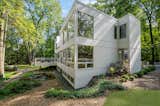
The introduction and growing adoption of products like Hardie Artisan Siding have profound implications for both modern architecture and homeownership. For architects, it offers an expanded palette of design possibilities, enabling them to achieve high-level aesthetic refinement without compromising on performance or durability. The material’s versatility in profiles, orientations, and corner detailing provides greater creative freedom to articulate architectural forms, define volumes, and craft facades that are dynamic, textured, and deeply integrated into the overall design concept. It empowers them to specify a material that contributes to both the artistic vision and the practical longevity of their projects.
For homeowners, the benefits are equally compelling. Investing in Hardie Artisan Siding means acquiring an exterior that not only enhances curb appeal and distinguishes their home architecturally but also provides superior protection against the elements, pests, and fire. The reduced maintenance burden frees up time and resources, while the long-term durability and warranty offer a significant return on investment and increased property value. In a world increasingly concerned with sustainable building practices, the longevity and resilience of fiber cement also align with principles of reduced material consumption and waste over time.
Conclusion: A New Standard for Exterior Design
The perception of siding as merely a "utilitarian wrapper" is rapidly fading, replaced by an understanding that the exterior cladding is a critical component of a home’s architectural identity and performance. Hardie Artisan Siding by James Hardie epitomizes this evolution, offering a premium fiber cement solution that masterfully blends sophisticated aesthetics with unparalleled durability. Through its substantial board thickness, elegant corner resolution, diverse profile options, and climate-specific engineering, it sets a new standard for exterior design. It proves that an exterior’s true success is not solely measured by its initial visual appeal upon completion, but by its ability to perform, protect, and retain its beauty and integrity over the many decades that follow, becoming a testament to enduring quality and thoughtful design.
Ready to take the next step and bring your design vision to life with Hardie siding? Find a local professional to assist you at jameshardie.com.
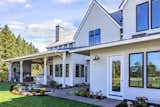
*Hardie® fiber cement products are noncombustible and/or have a Class A fire rating when tested in accordance with ASTM E84. Fiber cement fire resistance does not extend to applied paints or coatings, which may be damaged or char when exposed to flames. The use of noncombustible siding, combined with other fire mitigation measures, may help harden a home against external fire.