admin
admin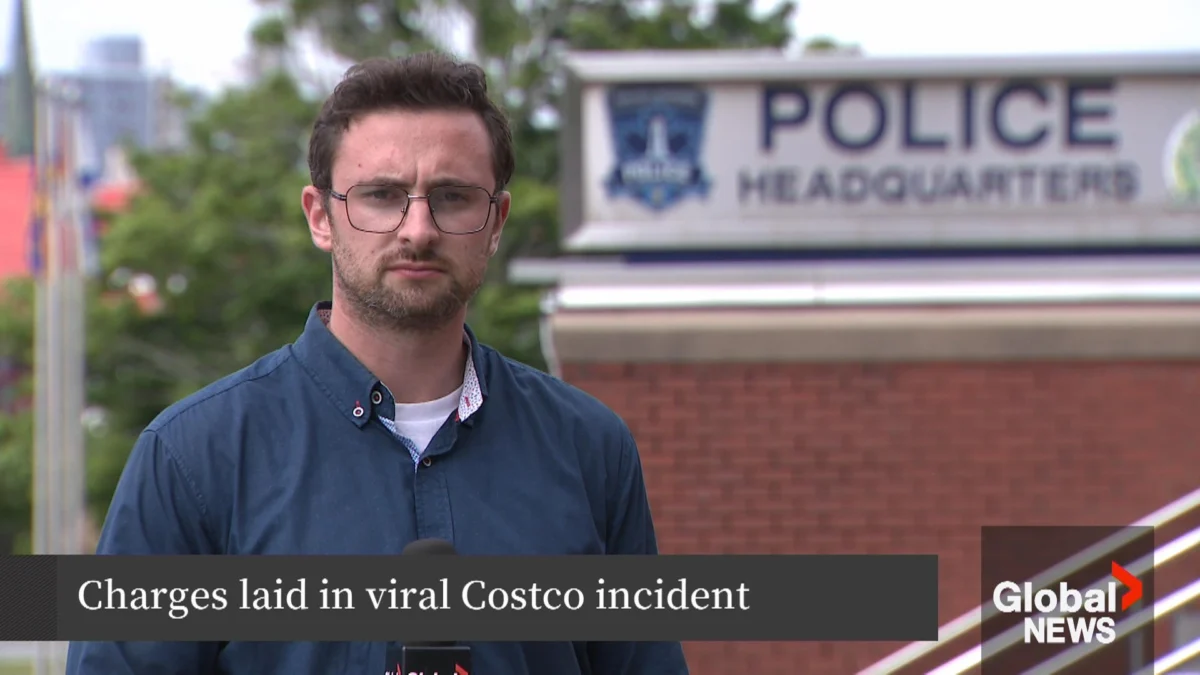
A Halifax man, Randall Publicover, accused of perpetrating a widely publicized racist tirade inside a local Costco retail outlet, is slated to return to court next month to address a separate cluster of charges, including resisting arrest. This development further complicates a legal saga that began with a viral video and has since drawn significant public and advocacy group attention, underscoring persistent concerns regarding hate-motivated incidents within Canadian communities.
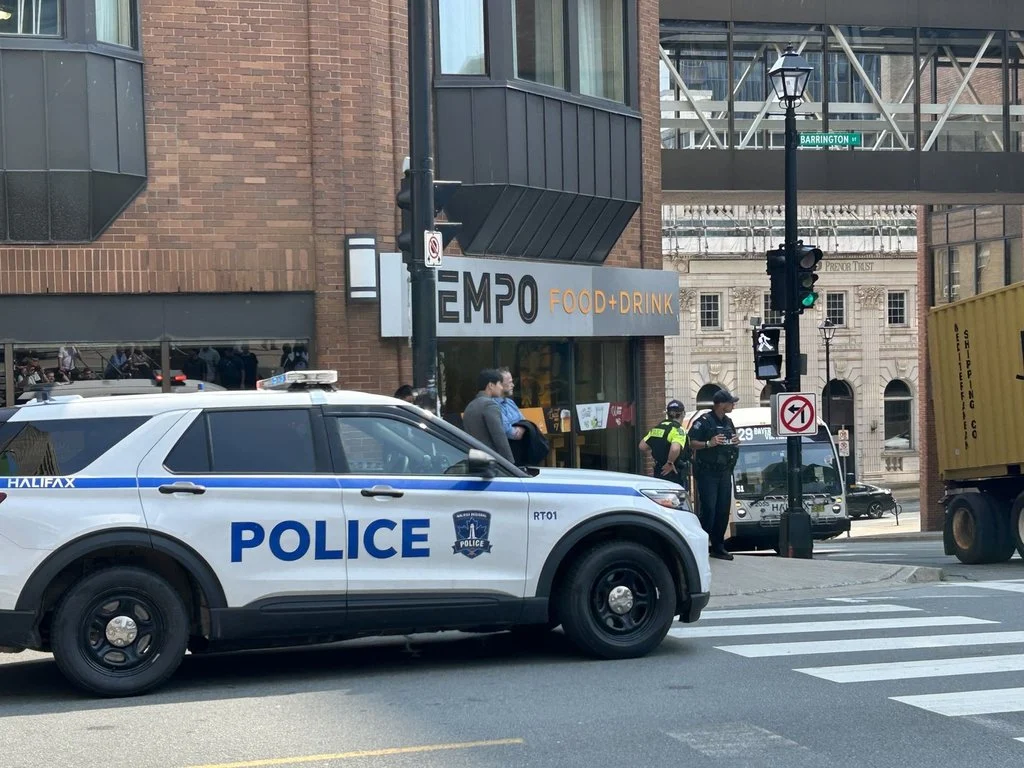
The 37-year-old Publicover was apprehended by Halifax Regional Police in July 2026, mere days after the National Council of Canadian Muslims (NCCM) disseminated a video online that purportedly depicted him engaged in a contentious altercation within a Costco store. The footage, which rapidly circulated across social media platforms, ignited widespread condemnation and calls for swift action, bringing the issue of public racism and hate speech to the forefront of national discourse.
The Costco Incident: A Catalyst for Dialogue
The initial set of charges against Publicover, numbering eight in total, directly stems from the incident at the Costco establishment. These include grave accusations such as inciting hatred against an identifiable group, a charge under Section 319 of the Criminal Code of Canada, designed to combat the public promotion of hatred, and two counts of assault. The nature of these charges suggests that the alleged tirade was not merely an isolated outburst but a targeted act potentially intended to foment animosity towards a specific community. The video, though not fully detailed in the original reporting, was powerful enough to prompt immediate public outcry and an investigation by authorities, leading to Publicover’s arrest.
The incident at Costco occurred against a backdrop of increasing vigilance regarding hate crimes and discrimination in Canada. Advocacy groups, including the NCCM, have consistently highlighted the rise in Islamophobia, anti-Black racism, antisemitism, and other forms of prejudice, urging both law enforcement and legislative bodies to take more robust measures. The public sharing of such incidents, often via citizen journalism on social media, has become a critical mechanism for accountability, forcing public attention and official response to acts that might otherwise remain unaddressed.

Arrest Day: Escalation and Additional Legal Troubles
Beyond the Costco allegations, Publicover now faces five additional charges stemming from the day of his arrest. These include resisting a peace officer, possession of a weapon dangerous to public peace, and three counts of uttering threats. These charges suggest a challenging apprehension process, indicating potential resistance and an elevated level of risk during the police intervention. Resisting arrest charges often arise when an individual actively obstructs or attempts to prevent a lawful arrest, while the possession of a weapon dangerous to public peace implies a readiness to use an object for harmful purposes, escalating the gravity of the situation beyond the initial alleged racist incident. The uttering threats charges further paint a picture of an individual potentially expressing intent to cause harm or fear, adding layers of complexity to the legal proceedings.
On Monday, September 14, 2026, Publicover was scheduled for arraignment on these five distinct charges in Dartmouth, Nova Scotia. However, his legal counsel requested an extension, seeking additional time to thoroughly review the Crown’s evidence and build an informed defense. This procedural delay is a common aspect of the Canadian legal system, allowing both sides adequate preparation time, particularly in cases involving multiple charges and potentially extensive evidence. Publicover is now scheduled to reappear in court on October 14, 2026, to address these specific charges, while the charges related to the Costco incident continue their separate, albeit parallel, trajectory through the justice system.
The Legal Framework: Addressing Hate and Public Safety
Canada’s Criminal Code contains provisions specifically designed to address hate-motivated crimes, recognizing the profound societal harm they inflict beyond the immediate victims. Section 319, "Public incitement of hatred" and "Wilful promotion of hatred," aims to deter speech that, without justification, advocates genocide or incites hatred against an identifiable group. An "identifiable group" is defined as any section of the public distinguished by colour, race, religion, national or ethnic origin, age, sex, sexual orientation, gender identity or expression, or mental or physical disability. The inclusion of these charges against Publicover underscores the serious nature of the allegations, as they challenge fundamental principles of equality and mutual respect enshrined in Canadian law.
Assault charges, also part of the Costco incident allegations, address the direct application of force, or the threat of it, against another person without their consent. When combined with hate-incitement charges, they can be considered hate-motivated crimes, which may lead to more severe sentencing if proven in court. Canadian courts and prosecutors increasingly consider hate as an aggravating factor during sentencing, reflecting society’s strong condemnation of such acts.

The charges stemming from Publicover’s arrest, such as resisting a peace officer and possession of a weapon dangerous to public peace, further highlight the importance of maintaining public order and ensuring the safety of law enforcement personnel. These charges are often taken seriously by the courts, as they directly challenge the authority of the state and the safety of those tasked with upholding the law. Uttering threats, similarly, is a serious offense, particularly when directed at individuals or groups, as it can instill fear and destabilize communities.
Supporting Data and Context: The Landscape of Hate in Canada
Statistics Canada data consistently indicates a fluctuating but persistent presence of hate-motivated crimes across the country. While specific year-over-year figures can vary, trends often point to certain identifiable groups being disproportionately targeted. For instance, police-reported hate crimes often show spikes related to events that stir racial, religious, or political tensions both domestically and internationally. The prevalence of online platforms has also transformed how hate is disseminated and how incidents come to light, with viral videos like the one involving Publicover playing a significant role in raising public awareness and pressuring authorities to act.
The National Council of Canadian Muslims (NCCM), alongside other civil rights organizations, regularly publishes reports and advocacy materials documenting the impact of hate and discrimination. Their work often highlights the need for comprehensive strategies to combat racism, including public education, legislative reform, and enhanced police training. The NCCM’s decision to share the video in this instance aligns with their broader strategy of exposing Islamophobia and other forms of hate, thereby mobilizing public support for justice and accountability.
Official Responses and Community Impact
In the wake of such high-profile incidents, various stakeholders typically articulate their positions and concerns.

- Halifax Regional Police: Law enforcement agencies like the HRP generally emphasize their commitment to thoroughly investigating all reports of hate-motivated crime and ensuring public safety. Their official statements would likely reiterate a zero-tolerance policy for hate and violence, affirming their role in upholding the law impartially. The swift arrest of Publicover in July 2026, following the video’s circulation, underscores their responsiveness to public concern and the seriousness with which such allegations are treated.
- National Council of Canadian Muslims (NCCM): As an organization dedicated to advocating for the rights and well-being of Canadian Muslims, the NCCM would likely issue statements commending the police action, while also emphasizing that the legal process must run its course to ensure justice. Their communications would typically highlight the broader systemic issues of Islamophobia and racism, calling for sustained efforts from all levels of government and society to combat hate. They would also likely offer support to any victims of the incident.
- Costco: As a major retail corporation, Costco would be expected to issue a statement affirming its commitment to providing a safe, inclusive, and respectful environment for all its customers and employees. Such statements typically condemn any acts of racism, discrimination, or violence on their premises and assure the public that they cooperate fully with law enforcement investigations.
- Community Leaders and Anti-Racism Advocates: Local and national community leaders, particularly those representing groups targeted by hate, would likely voice concerns about the incident’s impact on community safety and cohesion. They would stress the importance of solidarity against hate, advocate for stronger anti-racism initiatives, and call for educational programs to foster understanding and combat prejudice. Incidents like these often spark renewed dialogues on diversity, equity, and inclusion within workplaces, educational institutions, and public spaces.
- Legal Experts: Legal commentators would likely discuss the complexities of prosecuting hate speech and hate-motivated crimes in Canada, noting the high bar for proving "inciting hatred" and the nuances of balancing freedom of expression with the need to protect vulnerable groups from hate. They would analyze the implications of combining assault charges with hate charges, and how the additional charges from the arrest day might influence the overall legal strategy and potential outcomes.
Implications and The Path Forward
The ongoing legal proceedings against Randall Publicover carry significant implications, not only for the accused but also for the broader Canadian society. A conviction on charges of inciting hatred or hate-motivated assault would send a strong message that such acts will not be tolerated and will be met with the full force of the law. Conversely, the outcome will also be closely watched by advocacy groups and communities, who view these cases as benchmarks for the justice system’s commitment to addressing systemic racism and hate.
The case also serves as a stark reminder of the pervasive nature of racism and the importance of active vigilance. Public spaces, including retail stores, are meant to be safe and welcoming for all individuals. When these spaces become arenas for racist tirades, it erodes public trust and creates an environment of fear for identifiable groups. The viral nature of the original video underscores the power of public documentation and collective outrage in demanding accountability.
As Publicover’s case progresses through the courts, attention will remain focused on the judicial process and the ultimate decisions rendered. The upcoming court date on October 14, 2026, for the arrest-related charges, represents another crucial step in this multifaceted legal journey. The outcomes of these proceedings will undoubtedly contribute to the ongoing national conversation about hate, justice, and the collective responsibility to build a more inclusive and equitable Canada. The case is a testament to the persistent challenges of combating hate in all its forms and the critical role of both the legal system and public advocacy in addressing these societal ills.