admin
The traditional Finnish sauna, a cultural staple recognized by UNESCO as part of the Intangible Cultural Heritage of Humanity, is undergoing a radical transformation driven by German precision engineering and a burgeoning global wellness economy. At the forefront of this evolution is Klafs, a company headquartered in Schwäbisch Hall, Germany, which has spent decades reimagining the thermal bathing experience through the lenses of technology, architecture, and sensory science. As wellness rituals become increasingly integrated into modern lifestyles, the boundaries between ancient tradition and futuristic automation are blurring, positioning Klafs as a pivotal player in the high-end residential and commercial spa markets.
The Intersection of Tradition and Smart Technology
For centuries, the sauna experience was defined by its simplicity: wood, heat, and stones. However, Klafs has introduced a distinctly industrial sensibility to this ritual, treating heat and air as variables to be optimized through rigorous testing. At the company’s development center in Germany, the integration of artificial intelligence and voice-activated systems marks a significant departure from traditional methods. The introduction of the "Hey Klafs" interface allows users to control their environment with the same ease they manage smart home lighting or climate systems.
One of the most notable technological advancements is the automation of the aufguss ritual. Traditionally, an aufguss (German for "infusion") is a communal event led by a sauna master who pours water mixed with essential oils onto hot stones and uses a towel to circulate the steam. Klafs’ "Vitality Boost" system represents the world’s first personalized, automated heat-waving system. By utilizing precise air nozzles and programmed sequences, the system replicates the effects of a manual aufguss, allowing for a consistent and high-quality thermal experience without the need for an on-site professional. This automation is particularly significant for North American spas and private homeowners, where the expertise required for a traditional aufguss may be less accessible.
The Chronology of Innovation and Market Expansion
The history of Klafs is a testament to the steady evolution of the European spa industry. Founded in 1928, the company originally focused on medical and therapeutic equipment before pivoting toward the luxury sauna market. Over the decades, it established itself as the dominant force in the DACH region (Germany, Austria, Switzerland), a market where thermal bathing is deeply ingrained in daily life.
The company’s trajectory changed significantly in early 2024 when it was acquired by Kohler Co., a global leader in kitchen and bath products. This acquisition was a strategic move designed to accelerate Klafs’ entry into the North American market. Kohler’s extensive distribution network and brand recognition in the United States have provided Klafs with a platform to reach a new demographic of health-conscious consumers. This expansion coincides with a broader shift in the "Global Wellness Economy," which the Global Wellness Institute (GWI) valued at $5.6 trillion in 2023, with the thermal/mineral springs and spa sectors showing some of the fastest growth rates post-pandemic.
The Science of Contrast: Cold Therapy and Immersion
Modern wellness theory increasingly emphasizes the benefits of thermal contrast—the practice of moving between extreme heat and extreme cold. This process, often referred to as hormesis, is believed to stimulate the cardiovascular system, improve metabolic health, and enhance immune function. Klafs has responded to this demand by developing immersive cooling environments that go beyond the traditional cold plunge pool.
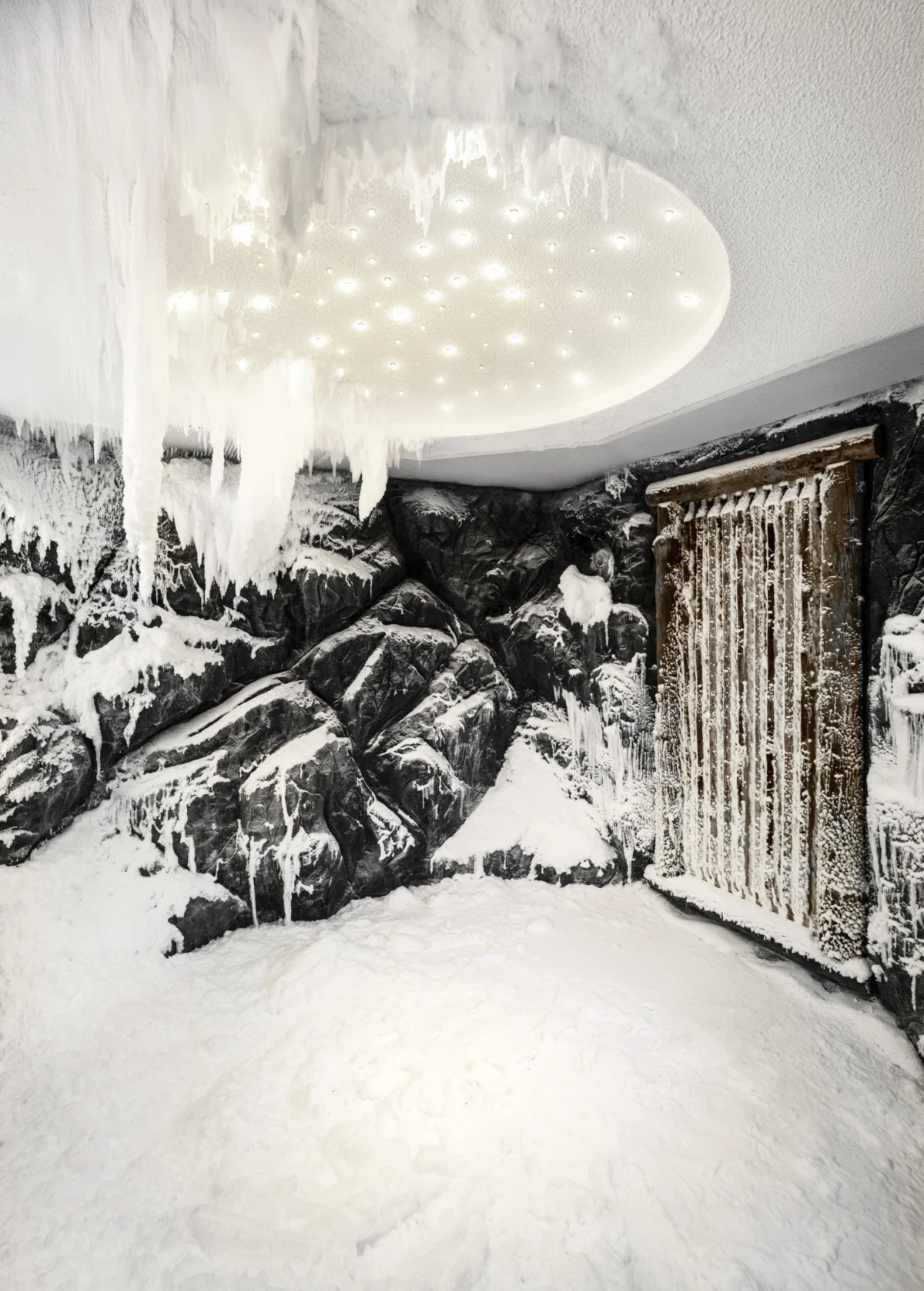
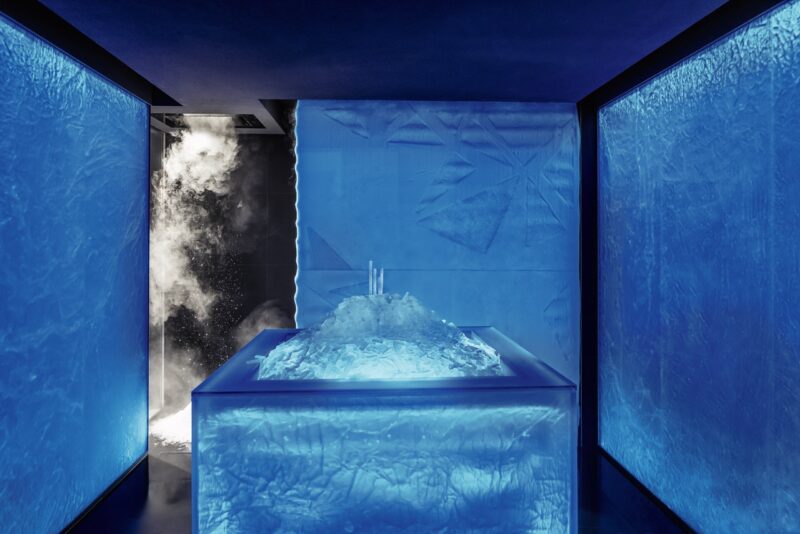
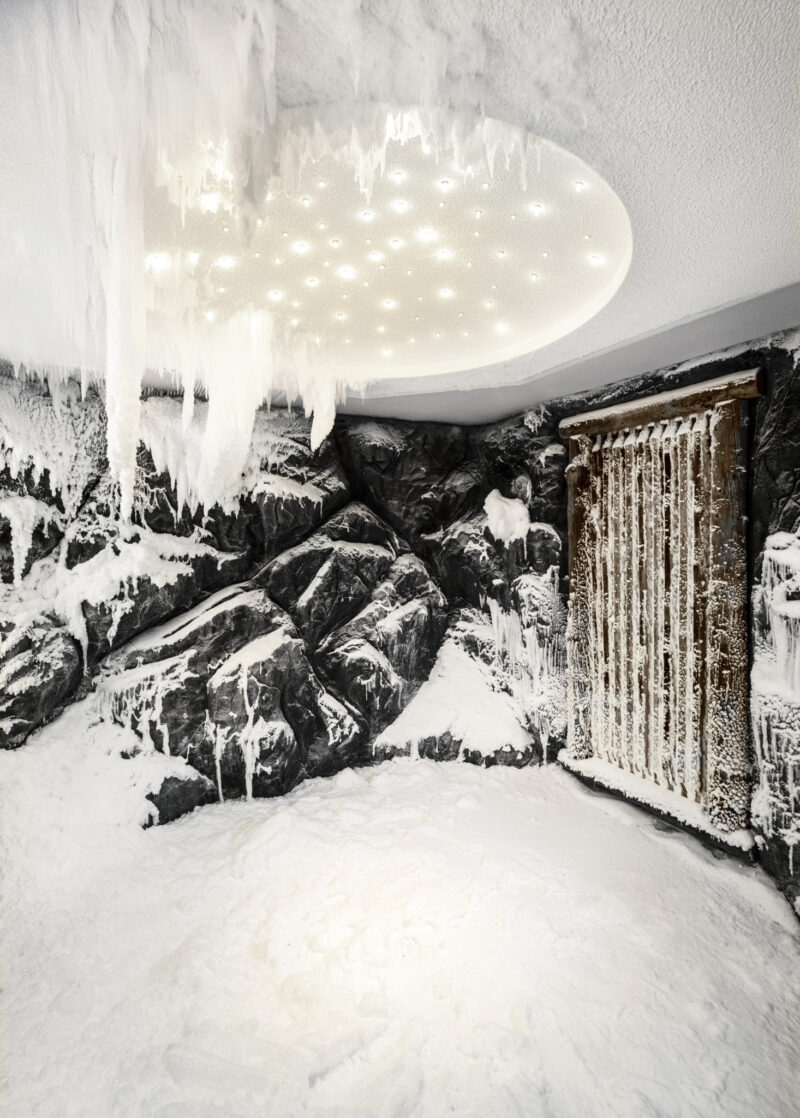
The "Frimas" ice steam room and the "Snow Paradise" are prime examples of this engineering. The Frimas room utilizes blue light therapy and sculptural ice fountains to create a calming, sub-zero environment. In the Snow Paradise, Klafs uses proprietary technology to generate actual snow flurries inside a room lined with rock-like textures and icicles. By transforming the cooling phase from a brief, jarring necessity into a multisensory experience, Klafs encourages users to linger in the cold, thereby maximizing the physiological benefits of the contrast cycle.
Sensory Innovation and the Espuro Foam Bath
While heat and cold are the pillars of the sauna experience, Klafs has also explored tactile and olfactory sensations. The development of the foam steam bath represents a more playful and gentle alternative to the high-intensity heat of a traditional sauna. Using "Espuro," a proprietary foam essence derived from plant-based ingredients like coconut, the system fills the steam room with dense, skin-nourishing suds.
This innovation serves a dual purpose. For commercial spas, it provides a unique, "Instagrammable" experience that appeals to a younger demographic. For the user, it offers a nostalgic, childhood-inspired sensory experience combined with modern dermatological benefits. The foam helps protect the skin from the potentially drying effects of intense steam, while the aromatic infusions provide a targeted aromatherapy session.
Architectural Solutions for Urban Environments
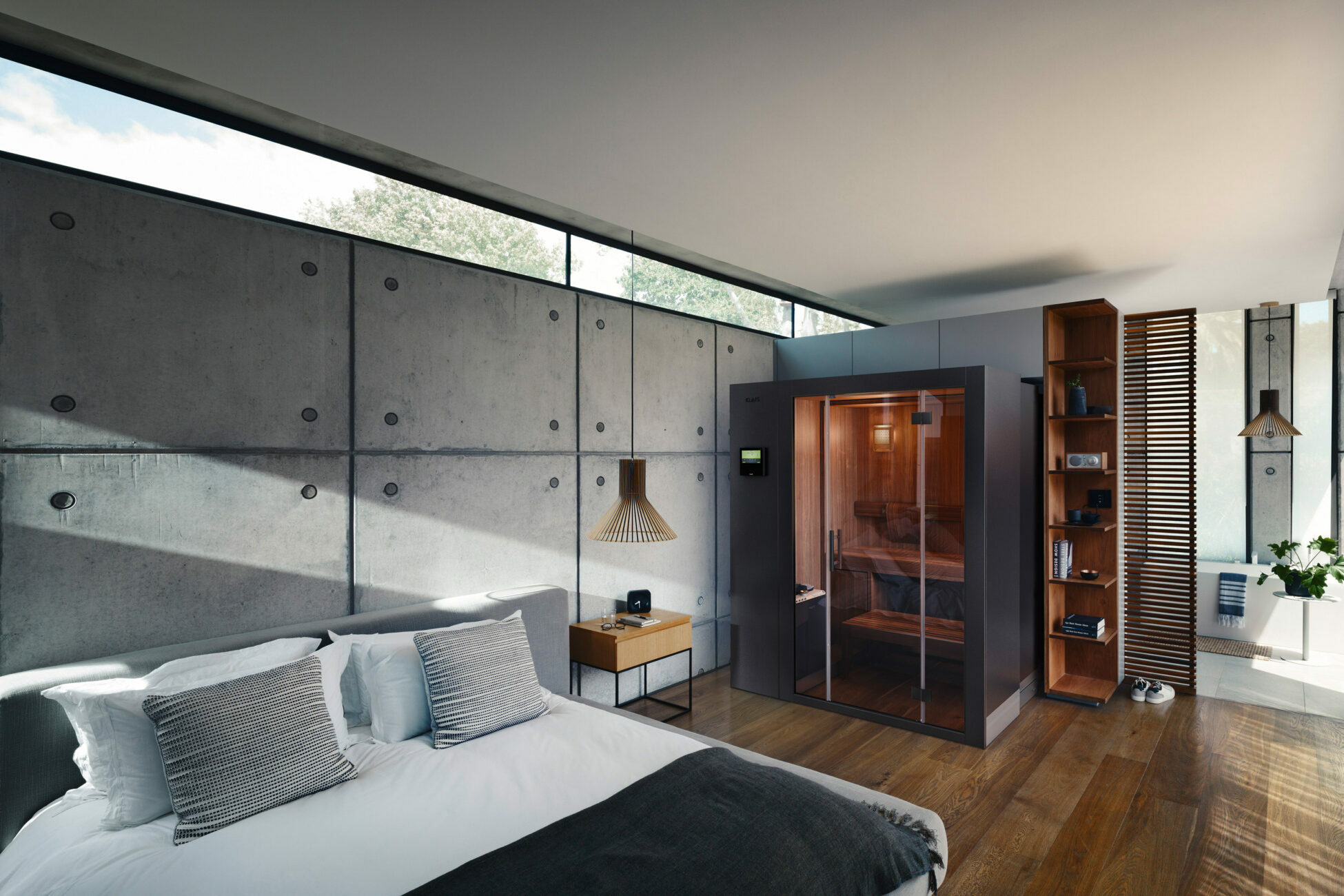
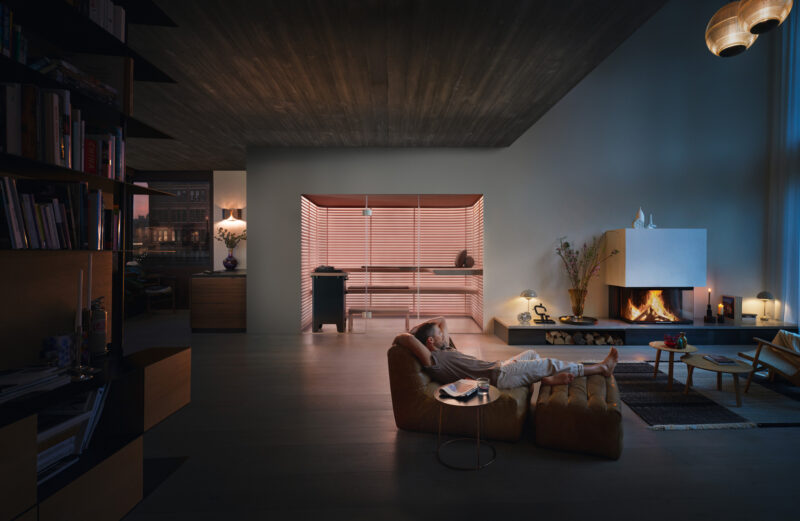
One of the primary barriers to sauna ownership has historically been space. In urban centers where real estate is at a premium, a traditional sauna footprint is often unfeasible. Klafs addressed this constraint with the introduction of the S1 sauna, the world’s first retractable sauna.
At the touch of a button, the S1 expands from the depth of a standard wall cabinet (approximately 60 centimeters) to a full-sized sauna in less than 20 seconds. This "e-motion" drive technology allows the sauna to be integrated into bedrooms, home offices, or small apartments without permanently sacrificing floor space.
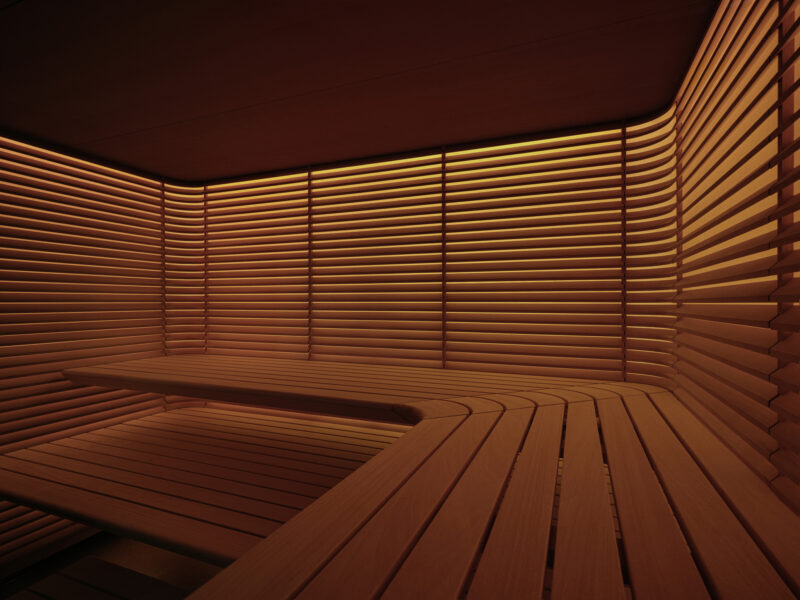
Further elevating the architectural status of the sauna is the S11, a collaboration between Klafs and Studio F.A. Porsche. The S11 moves away from the rustic aesthetic of traditional saunas, instead utilizing horizontal wood slats, washi paper elements, and a complex light-and-sound system. This design-led approach positions the sauna not just as a wellness tool, but as a piece of high-end furniture that complements contemporary interior design.
Broader Implications for the Global Wellness Industry
The rise of Klafs in the international market reflects a larger trend: the professionalization and "medicalization" of home wellness. Consumers are no longer satisfied with simple steam showers; they are seeking clinical-grade equipment that offers measurable health benefits.
Industry analysts suggest that the integration of Klafs into the Kohler portfolio will likely trigger a "wellness arms race" among luxury appliance manufacturers. As the technology becomes more accessible, we can expect to see:
- AI-Driven Personalization: Saunas that adjust temperature and humidity based on the user’s biometric data from wearable devices.
- Hybrid Systems: Units that combine infrared therapy, traditional dry heat, and steam in a single enclosure.
- Sustainable Engineering: A greater focus on energy-efficient heaters and sustainably sourced timber, such as hemlock or aspen, to meet ESG (Environmental, Social, and Governance) standards.
Institutional and Commercial Adoption
The impact of Klafs is already visible in high-end commercial spaces across North America. The Altea fitness clubs, for instance, have begun installing Klafs "Sanariums" and "Polaris Ice Rooms" as centerpiece amenities. These installations serve as a proof-of-concept for the North American market, demonstrating that the German approach to wellness—methodical, high-tech, and aesthetically refined—has a broad appeal.
From a commercial perspective, the reliability of German engineering reduces maintenance overhead for spa operators. The automated cleaning cycles and durable materials used in Klafs products are designed for the high-traffic demands of luxury hotels and fitness centers, where downtime translates directly to lost revenue.
Conclusion: The Future of the Ritual
The work being done in Schwäbisch Hall suggests that the sauna of the future will be a far cry from the simple wooden huts of the past. By treating the wellness ritual as an engineering challenge, Klafs has succeeded in making it more accessible, more effective, and more integrated into the modern home.
As the company continues its global expansion under the Kohler umbrella, the focus remains on the "willingness to question." Whether it is rethinking the physical footprint of a sauna or automating the complex artistry of the aufguss, Klafs is proving that even the most ancient traditions can be enhanced by a forward-looking, technological approach. In the intersection of Finnish heritage and German innovation, a new standard for global wellness is being established—one that prioritizes precision, immersion, and the seamless integration of health into the domestic sphere.